

If you think Americans sign up to become Peace Corps Volunteers because they’re altruistic and want to help people around the world, you’re right but not completely right.
A national survey of more than 11,000 Returned Peace Corps Volunteers (RPCVs) several years ago found their top three reasons for joining were “wanting to live in another culture,” “wanting a better understanding of the world,” and “wanting to help people build a better life.”
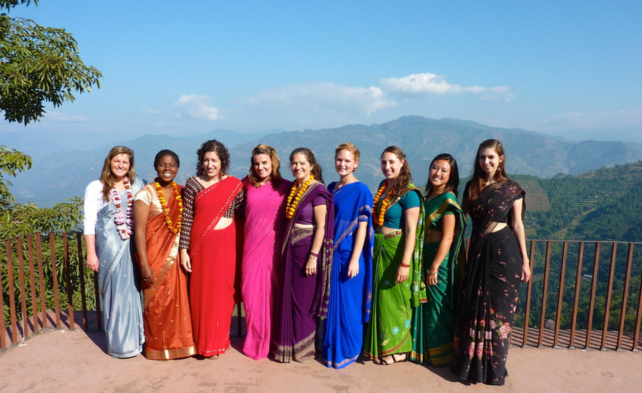
Simultaneously, the survey reported “a significant generational shift” in the importance volunteers place on acquiring job skills and experience during their service. Volunteers who served more recently placed “a greater emphasis on career development as a motivation for joining the Peace Corps,” it said.
Just 30 percent of volunteers who served in the 1960s identified “wanting to develop career and leadership skills” as an important motivation.” Among volunteers who served in the 2000s, 68 percent cited this motivation, with 36 percent saying it was “very important.” Growing numbers of applicants also want to expand their language skills.

A few years ago, a volunteer who returned from Guatemala wrote: “I’m sure that my Peace Corps service helped me gain acceptance to a selective master’s degree program (because my grades as an undergraduate were disappointing, at best). Over the years, many people have told me that having the words ‘Peace Corps’ on my resume would only help me.”
 Indeed, Peace Corps itself touts the career benefits of service. Its recruitment materials emphasize the importance of selfless service and cultural outreach but also highlight medical benefits, student loan deferrals, tuition reductions and career networking opportunities.
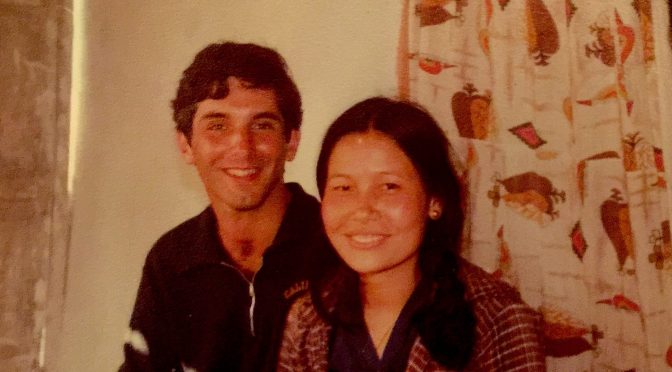
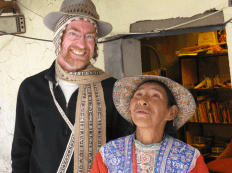 All of this is consistent with the changes I’ve seen myself since I first served as a volunteer in Nepal in the late 1970s. My friends and I didn’t talk much about resumes, grad school applications and job prospects. America was the world’s dominant economic power then. Jobs were plentiful.
Before I joined Peace Corps this second time, I met regularly at my university with undergraduates who were considering Peace Corps, serving as an informal advisor for the campus placement office. At first, I was taken aback by how many of their questions were about how Peace Corps service might afftect their career paths. Would it help them get into law school, or a public health program or the Foreign Service? They asked whether I agreed with advice like this from The Princeton Review: “Altruism distinguishes a strong medical school applicant from a mediocre one. Volunteer work and community service [such as] the Peace Corps … speak most strongly to this quality.”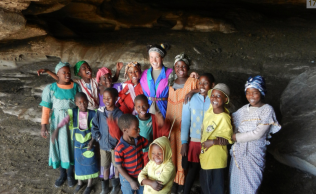
I always responded positively. Seeing how impressive these students were, I also came to understand their questions reflected new economic realities, not a diminishment in the applicant pool’s sincerity. Just like my colleagues now in Moldova, most of whom are much younger than me, they were wonderful people and every bit as committed as those who served before.
I’ve developed even greater admiration for today’s generation of PCVs as political winds back home shift towards “making America great again.” They face a more challenging economic environment than my generation did but have still chosen to devote more than two years of their lives to serve others. Yes, doing so may enhance their resumes and career prospects. That’s also true for young people who choose to serve in Teach for America or, for that matter, the Marines. Life is complicated.
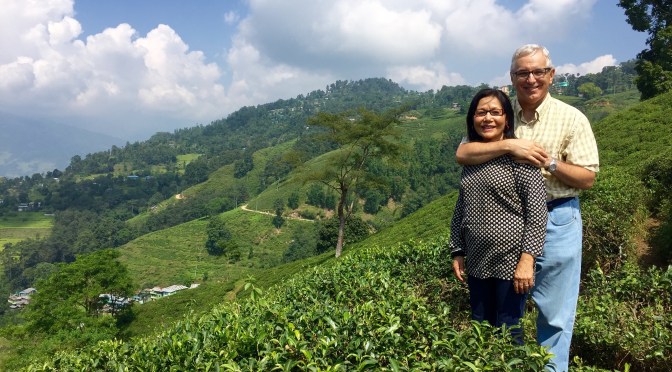
So, too, for me. Champa and I joined the Peace Corps mainly to serve others, and to serve our country, after having so many blessings in our American lives. But we also were looking for some adventure and an interesting transition away from the conventional workplace.

The Guatemala RPCV, Taylor Dibbert, emphasized what he and many of us ultimately consider most important about Peace Cops service: “Volunteers are doing important, unglamorous work that’s consistently underappreciated – from health to education, agriculture, the environment and more. Besides, volunteers are connecting with foreigners from across the globe and humanizing the U.S. for thousands upon thousands of non-Americans.”
Political winds and job markets will continue to evolve. What endures, he wrote, is “the culture of altruism, adventure and patriotism that has permeated the Peace Corps since the organization’s inception.”
I think he’s right, perhaps even completely right.
[All photos except featured image are from the Peace Corps online library.]
***
How else has Peace Corps changed? My post Peace Corps: Now vs. Then identified six of the biggest changes I’ve seen. Subscribe to receive all of this blog’s future posts.


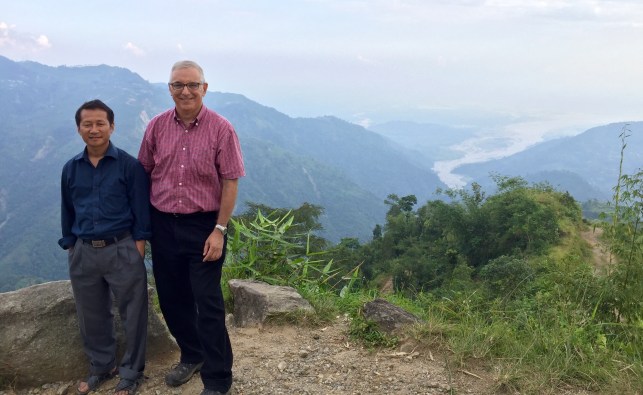


 As we’ve traveled around the United States, spent time in Nepal and served as Peace Corps Volunteers in Moldova, the blog’s audience has kept growing, with more than 26,000 visits so far. Thanks to all of you who have joined us on our journey!
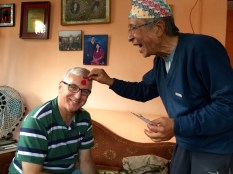 “Not Exactly Retired” advances two of the three official goals of Peace Corps: to promote a better understanding of other peoples on the part of Americans, and vice versa. (The other goal is to “help the people of interested countries in meeting their need for trained men and women.”)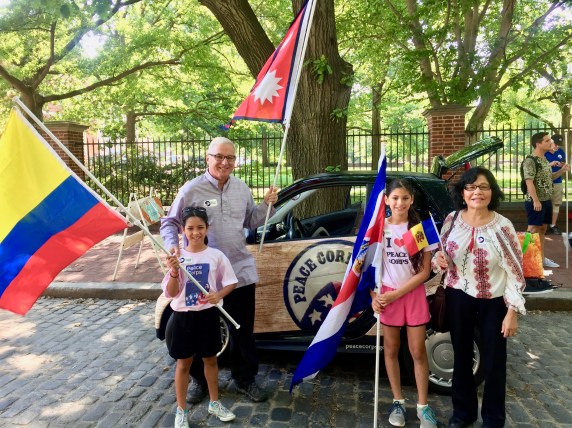


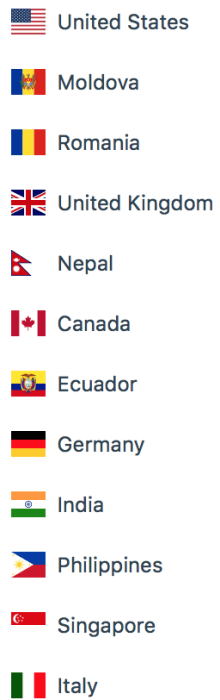 More than 12,000 readers have visited “Not Exactly Retired” since its launch two years ago. I was curious where all of you are located, so recently ran a search on WordPress, which hosts the site.
 Some of the other “Top Dozen,” though, surprised me. Who are all of you reading “Not Exactly” in Ecuador or the Philippines? Are you fellow Peace Corps Volunteers in those countries? How about in India, Germany and Italy? I know at least one loyal reader in Singapore (hi Corinna!), but who are the rest of you? The data provided by WordPress provide only a glimpse.


 As a new book makes clear, the “not exactly retired” path we’ve charted for ourselves is not exactly for everyone. Many people want to be retired in a traditional sense — playing golf, gardening or relaxing in other ways. Others seek to remain connected to their previous workplace or profession, or to search for new meaning in their life. Some end up watching too much television or getting depressed.





 Before Champa and I began our journey 18 months ago, I spent a career doing communications for nonprofit organizations, much of it ghost-writing articles and speeches for others. For four decades, I largely put my own writing aside.
 Most blogs fail. A 2009 New York Times






 "Not Exactly Retired"