

Everyone’s Peace Corps experience is different. I want to pause from our own narrative to share some stories from my fellow volunteers, all of whom contributed to the Peace Corps Moldova Stories site. Most recently:

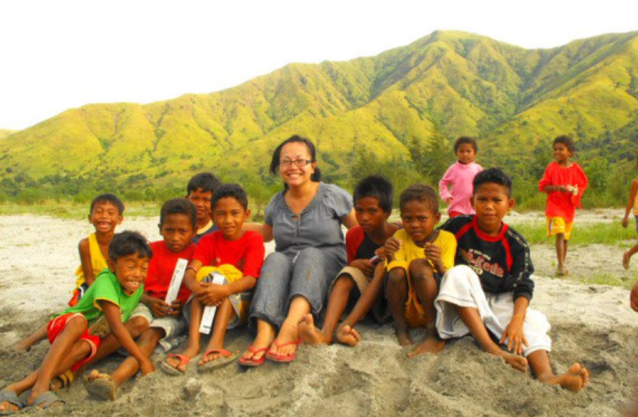
Scott Ondap, a health education volunteer from California, described his experience serving as a godparent to the child of his adult Moldovan host sister. That’s Scott holding the baby at the baptism, together with PCV Ellen Kim.
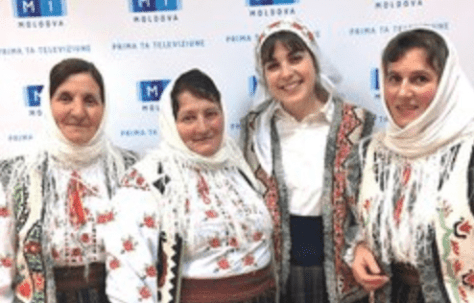
Hayley Guy, an English education volunteer from Florida, shared a funny but inspiring story about coming all the way to Moldova to overcome her anxiety about singing in public. She described how she unexpectedly found herself singing and dancing on a Moldovan television show.

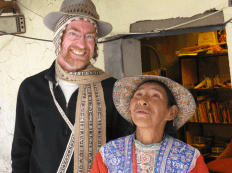
Haley Bader from Virginia and Danny Gottfried from Massachusetts (shown here) helped students highlight problems facing people with disabilities. My favorite moment in Haley’s lovely story is when a disabled young man bends a nail with his hands.

Donna Barnes, a volunteer and associate professor in the Department of Psychiatry at Howard University, helped organize a kite festival to raise awareness in her village about nutrition. She described how “we had singing, dancing, even a flash mob.”

Claire Worley, a health education volunteer from Georgia, joined with other PCVs and local friends to celebrate Thanksgiving with foods and traditions from both countries. “It turned out to be the best Thanksgiving I have ever celebrated,” she wrote.

The site has many other good stories, recently including Amir Feinberg’s heartfelt account of his first days as a new teacher, Rebecca Stuch learning to live around farm animals and Alex Bostian’s students forming a giant peace sign to celebrate the International Day of Peace. Grace Myers described how “every day holds a new small adventure for me” and Kaylin Stinski shared a recipe for veggie pizzas she made with her host mother.
As I explained previously, I’ve been assisting with editing these stories and some of the material on Peace Corps Moldova’s Facebook page, working with Liuba Chitaev and others..

Beyond Moldova, the central Peace Corps Stories site shares the voices of volunteers worldwide. It’s currently highlighting the winners of an international video competition, including my own favorites from Cambodia, Guatemala and Guinea. Another great resource is the Peace Corps Worldwide site, which connects to dozens of books and other writing from returned volunteers.
As I discussed when writing recently about how I used Oprah Winfrey’s Golden Globes speech in a training workshop, we humans make sense of our world through stories. Peace Corps Volunteers have some of the best. Check them out.



 Both appeals received gracious responses and quick follow-up. Both problems were resolved. It’s what I expected based on my own experience before joining the Peace Corps. I was sometimes on the receiving end of such messages. I always responded helpfully, even though it wasn’t my direct responsibility. I considered these messages to be welcome insights into problems our organization might have with its systems.
 Give them a chance to take the high road. (All of this assumes, of course, you have a legitimate concern and are being honest with them rather than trying to scam them.)
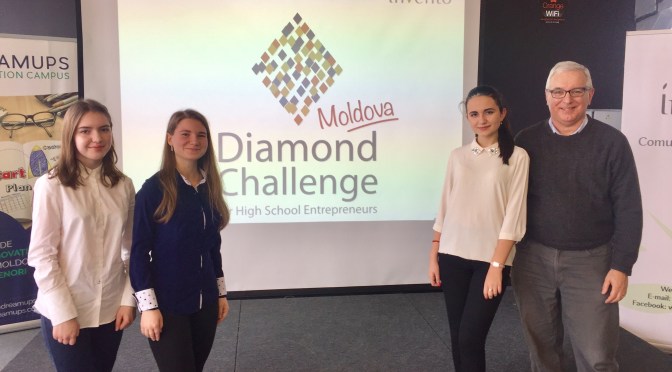


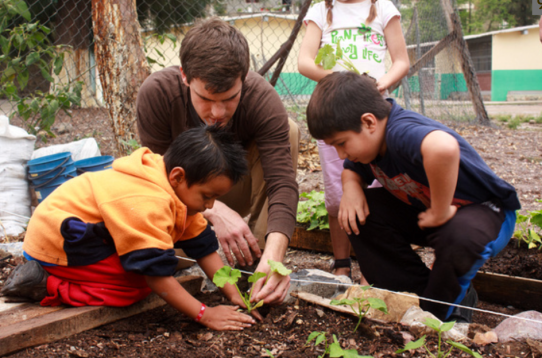
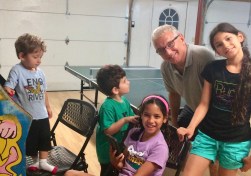
 I also discussed speech-making generally and the particular format of entrepreneurial pitches. I divided the students into groups to practice their presentations, as you can see in the photos here.
 When I was running a university communications office before joining the Peace Corps, I used to tell scientists and professors the same thing, as in this 2014


 Indeed, Peace Corps itself touts the career
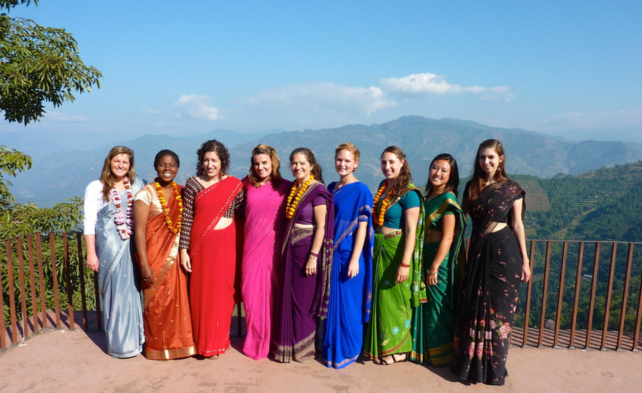
  All of this is consistent with the changes I’ve seen myself since I first served as a volunteer in Nepal in the late 1970s. My friends and I didn’t talk much about resumes, grad school applications and job prospects. America was the world’s dominant economic power then. Jobs were plentiful.

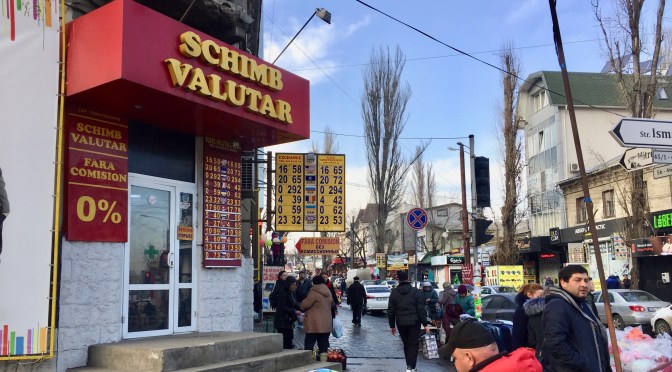
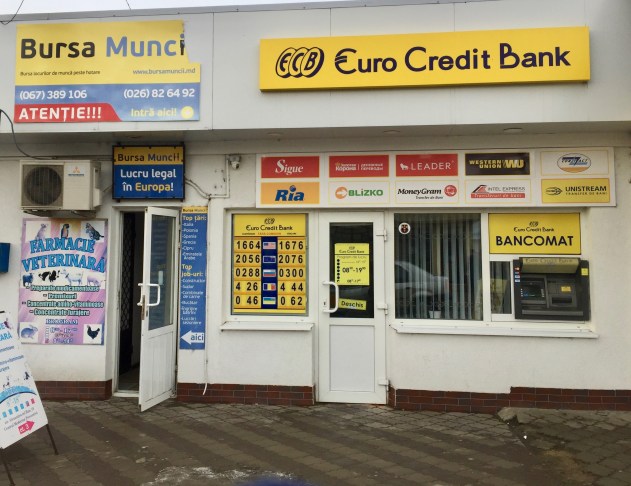
 the latest exchange rates for the Moldovan leu relative to the U.S. dollar, the Euro, the Russian ruble and other currencies. The dollar has now slipped well below 17, continuing a slow descent I’ve
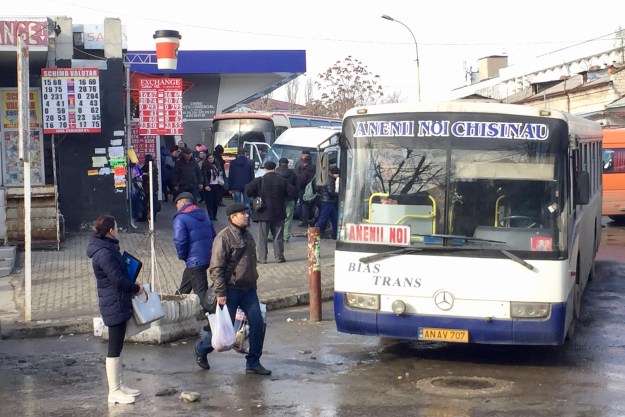
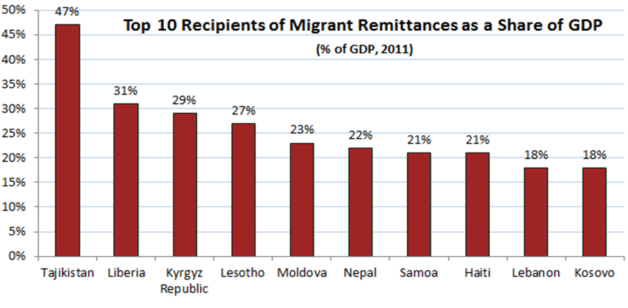
  It’s no coincidence this sign is adjacent to one showing exchange rates. In fact, it’s key to understanding the deeper meaning of the photo. It’s like the MoneyGram sign across the street, which says “transfer de bani,” or money transfer, or the Western Union sign up the block.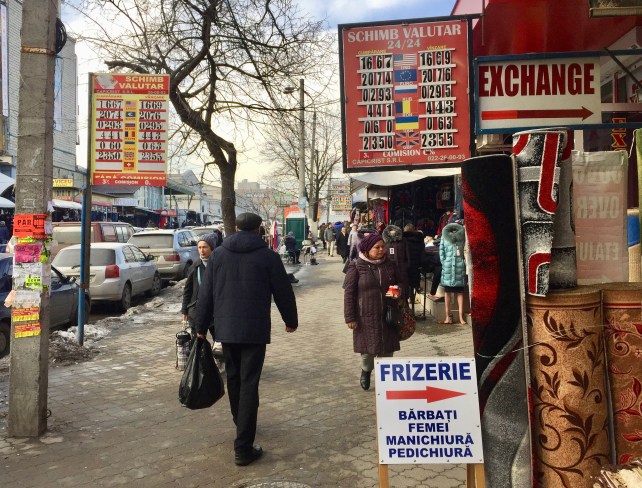







 My niece, Juliana, will be enrolling this fall at
  There are also excellent
 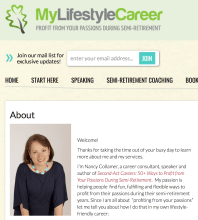 My favorite writer covering this field is Nancy Collamer (my sister), whose “My Lifestyle Career” site and recent
 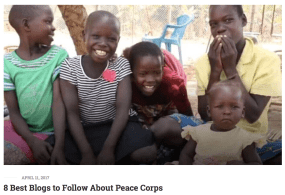 For the next five months, Champa and I will remain focused on the rest of our Peace Corps service. Here, too, plentiful online resources exist to motivate us. Not long ago, one RPCV group selected the
  (Thanks, Friends & RPCVs of Guyana!)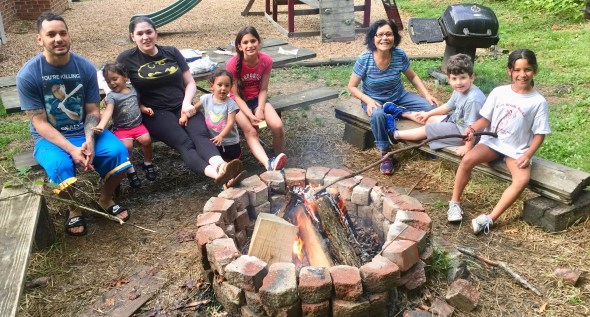


 On Tuesday afternoon, her words broke hearts again, this time among members of my weekly English conversation class. We read sections of the article aloud, listened to part of the podcast and then listened to another “Modern Love” podcast about how a woman dealt with her husband’s mid-life crisis.


 I originally planned the class as a more conventional book club, where we might read Harry Potter novels or other full-length works likely to appeal to Moldovan readers. When I spoke with a Moldovan friend who runs an English-language center, however, he warned me students wouldn’t have enough time to read the books, which would also be expensive for them to buy.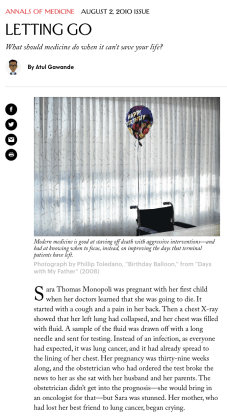
 Our discussion about the Gawande article, for instance, led to a great conversation about how our two cultures handle death, not only in medical settings but more generally.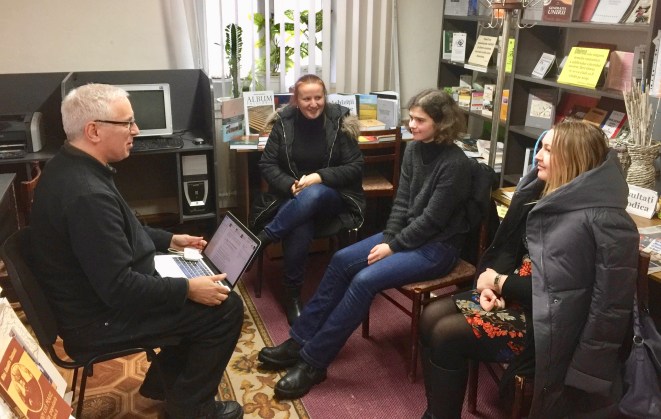


 "Not Exactly Retired"