All posts by djarmul

I am a Peace Corps volunteer in Moldova, in Eastern Europe, serving in the small city of Ialoveni with my wife, Champa. We are from Durham, N.C., where I was the head of news and communications for Duke University. You can follow our adventures on my blog, notexactlyretired.com.

Shopping Adventures in Kathmandu

image imageIf your idea of adventurous shopping involves a local mall, you need to broaden your horizons and come to Kathmandu.

With the exception of small neighborhood shops that resemble bodegas, almost all of the shops here in Nepal’s capital specialize in jewelry, kitchen goods or something else. imageThey’re conveniently bunched together, with spice shops here, shoes there and books around the corner.

Merchants display their goods not only in shops, but outside of temples and on corners. Narrow streets lead to even narrower alleys lined with bangles, televisions, office supplies and beads. Motorcycles and rickshaws squeeze by. Horns blare. Fumes fill the air.

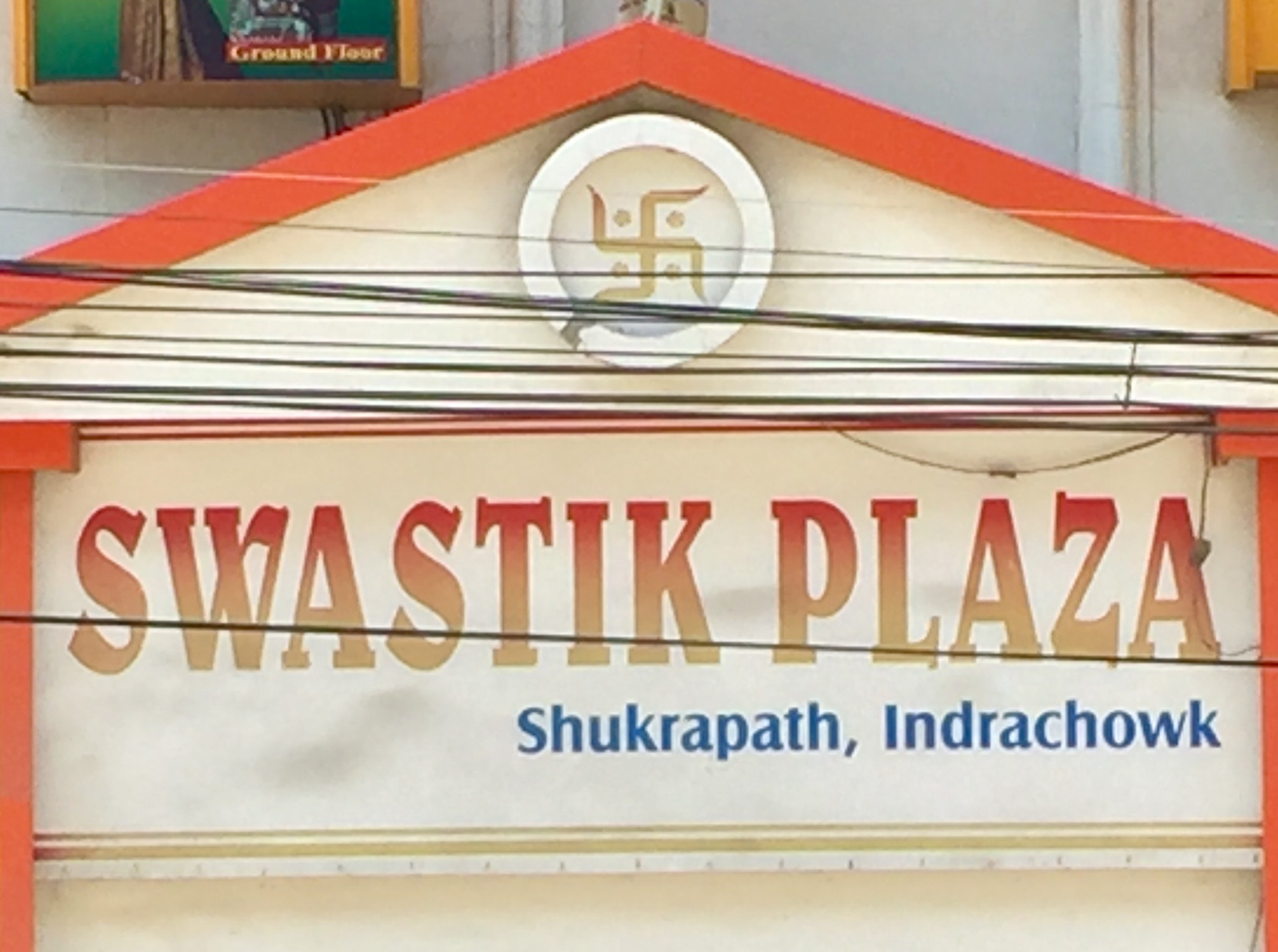
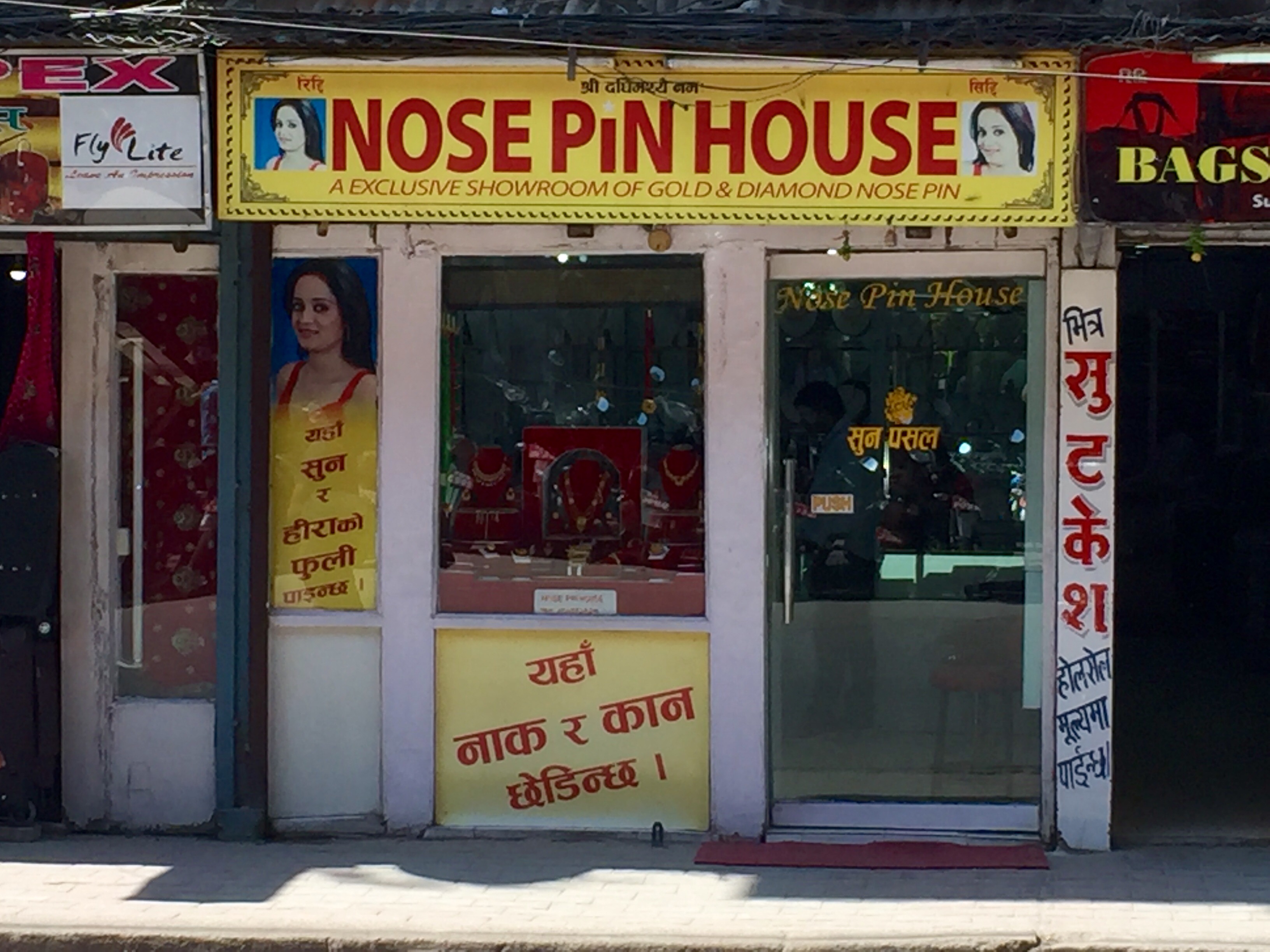
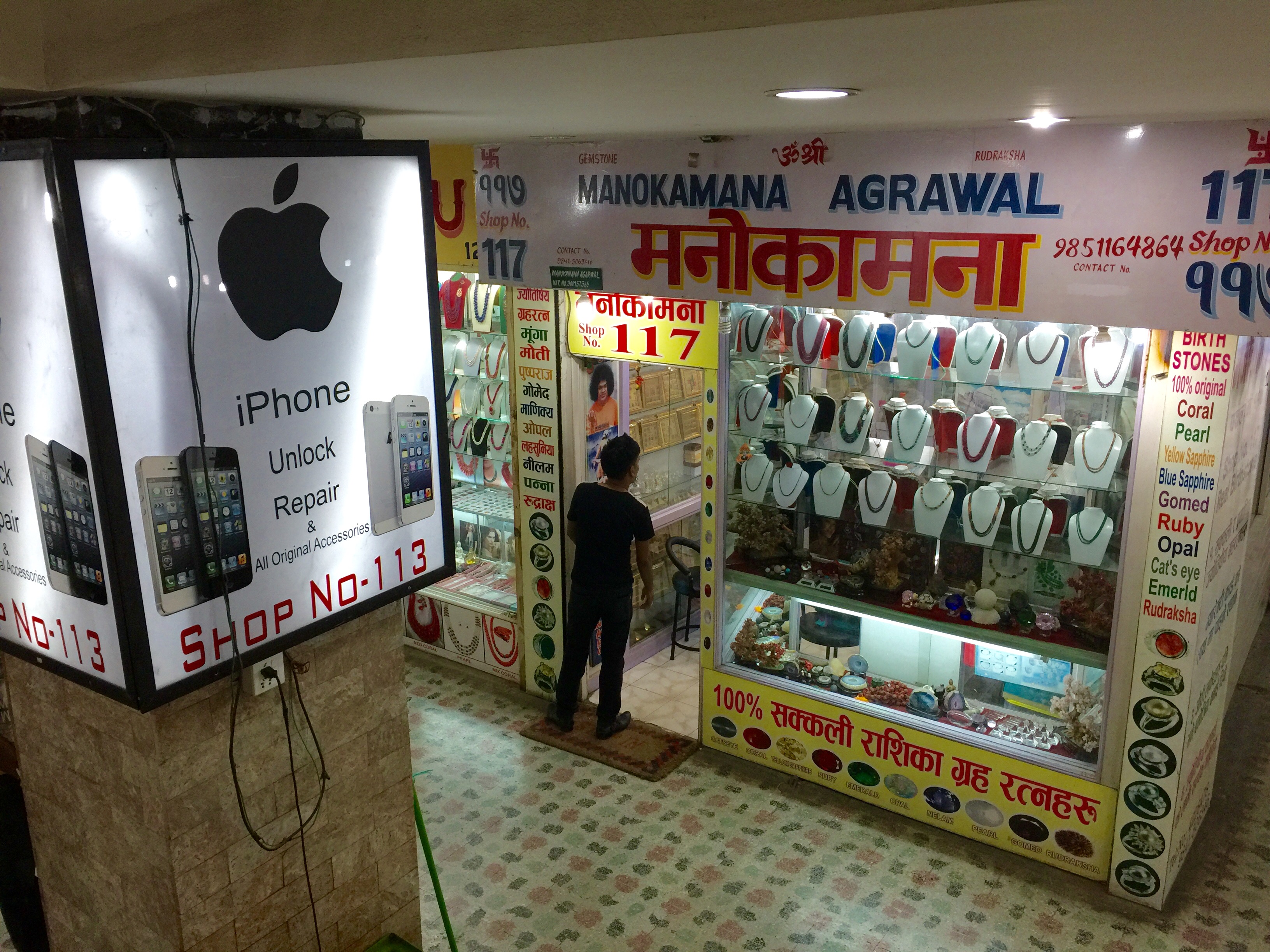
imageSome shops have curious specialties, like nose pins or unlocking iPhones. Others proudly display names such as “Swastik Plaza.” image

On Monday, Champa and I joined our niece-in-law, Bindu, on a shopping trip that began on New Road and wound through Indra Chowk and other bazaars. imageWe stopped at a jewelry store to repair a ring, a kitchen store to buy metal plates and a hat store for a Nike cap. We climbed two flights up an insanely narrow staircase to an attic stuffed with fabric. While there, I kept thinking to myself, “Please, don’t let there be another earthquake now.”

imageAlong the way, we visited a temple and snacked on momos, samosas and cold drinks. Then we drove across town to one of Kathmandu’s few department stores, Bhat-Bateni, where Bindu bought some kitchen appliances and we bought decorative shopping bags made from rice paper. imageimageFinally, we drove to visit Kumar, a tailor who works near our nephew’s office, to pick up a shirt I’d ordered two days earlier — $14.50, custom-made.
By the time we reached home, after 7 p.m., the electricity was already cut off, so we turned on a battery lamp and collapsed on sofas, our purchases strewn around us, waiting to be unpacked the next morning. Our day was a success. We’d shopped ’til we dropped.

Pockets of Insight

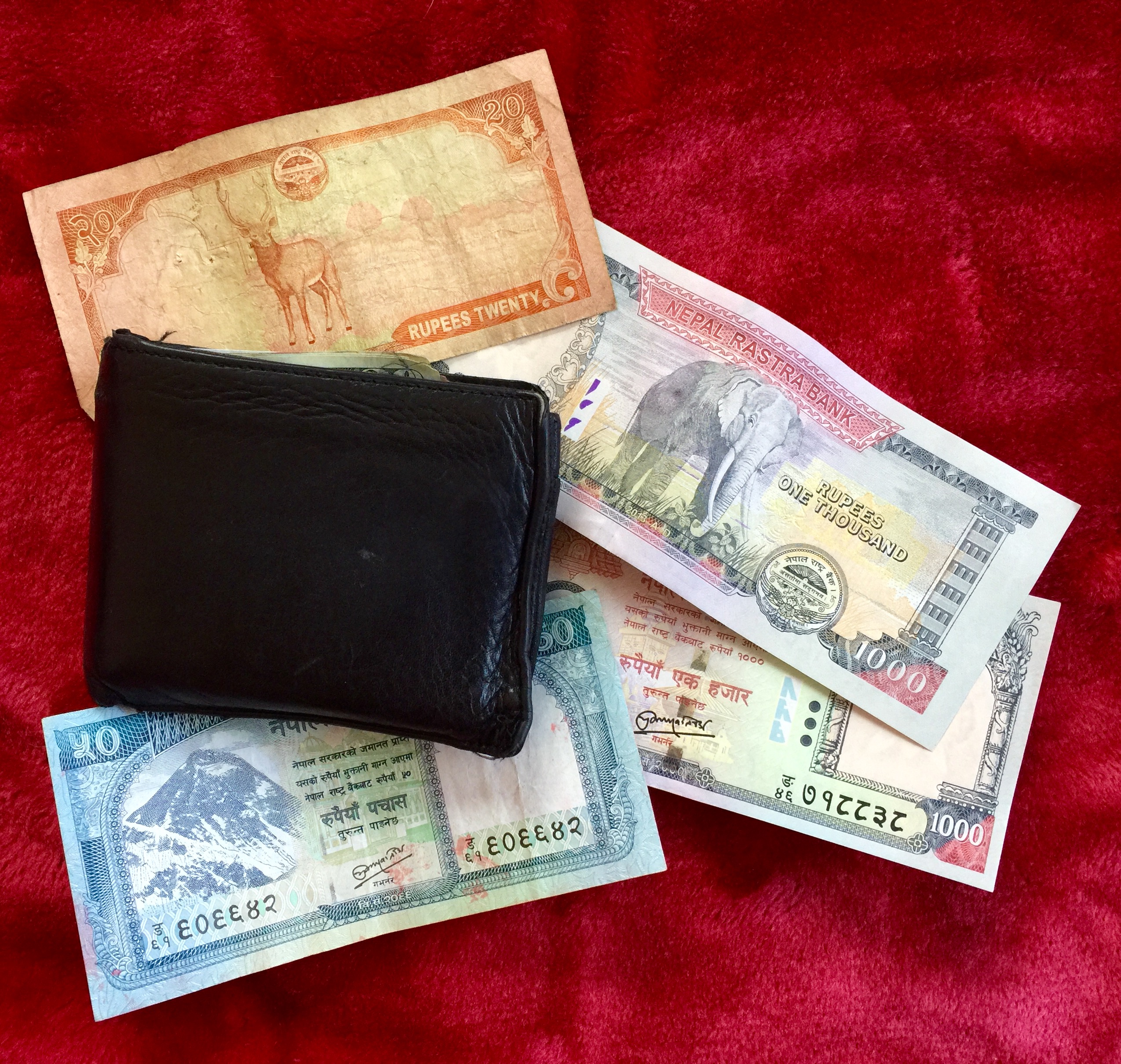
imageWhat’s in your wallet?

Mine is now filled with Nepalese rupees — thousands of rupees! Since the exchange rate is about 105 rupees for one U.S. dollar, however, that’s less impressive than it may sound. Back when I was a Peace Corps Volunteer in the late 1970s, the exchange rate was 12 rupees per dollar. Now, exchanging dollars can mean receiving a stack of money as thick as a brick.

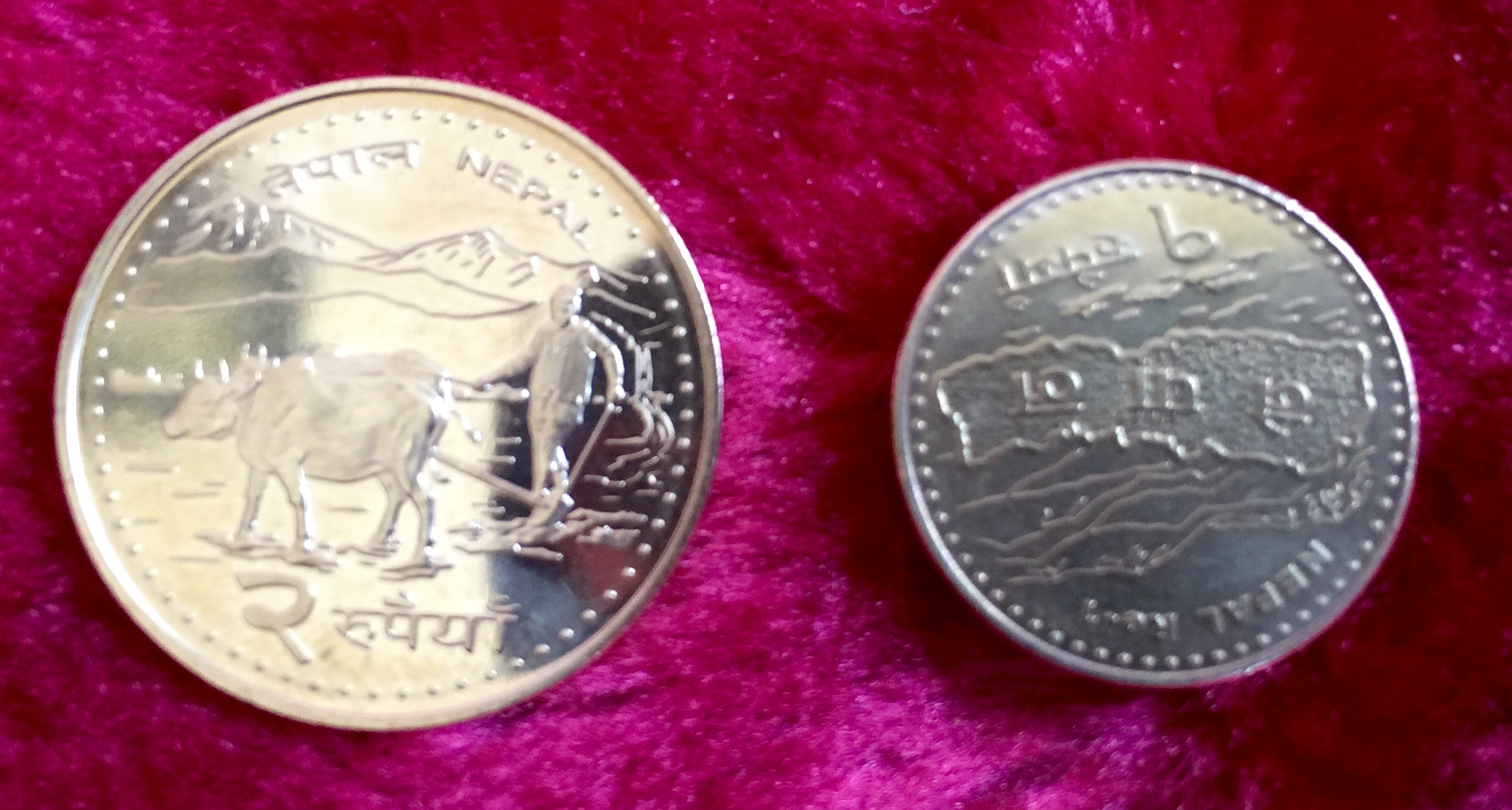
imageThe appearance of Nepal’s currency has changed, too. No longer does it feature the king’s portrait.  Since the royal family was removed from power, the money highlights Nepal’s yaks, rhinos, elephants, tigers and other animals, and, of course, Mount Everest. The coins have evolved as well.

My wallet also holds my bank debit card, which I used to obtain rupees at a local ATM in less than two minutes, a transaction that would have been unimaginable a few years ago. In addition, I have a Visa card that enables me to make foreign purchases without an extra fee, although credit cards remain less common here than back home.image

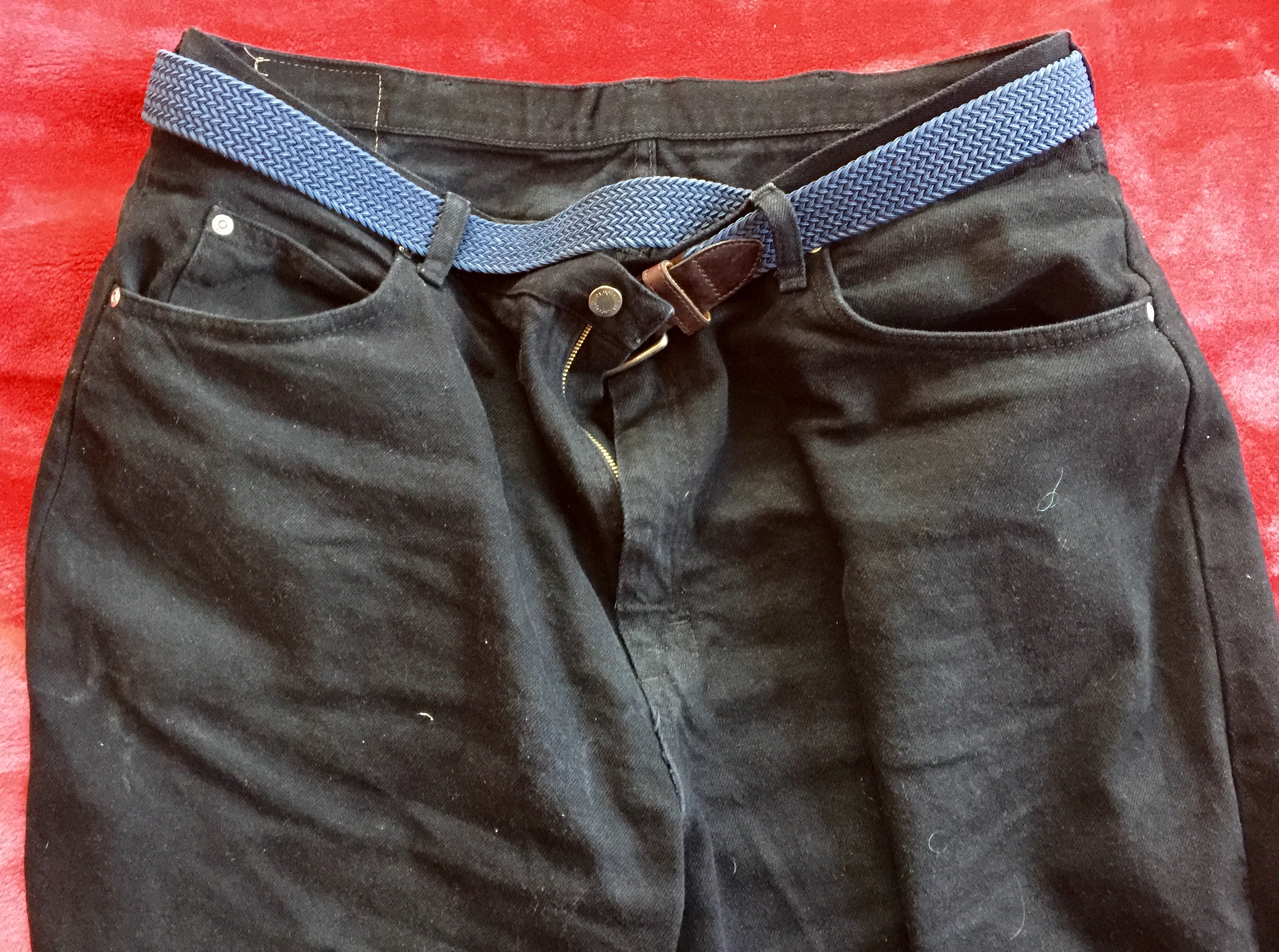
My pants pockets contain other insights into Nepal. I carry tissues in case I need to wipe my nose or other parts of my body. imageSimilarly, I have a small medicine bottle that contains diarrhea medicine, if needed, along with Tylenol and vitamins.

imageA small flashlight is invaluable when electricity disappears, as it does regularly due to planned “load shedding” across Kathmandu’s neighborhoods.

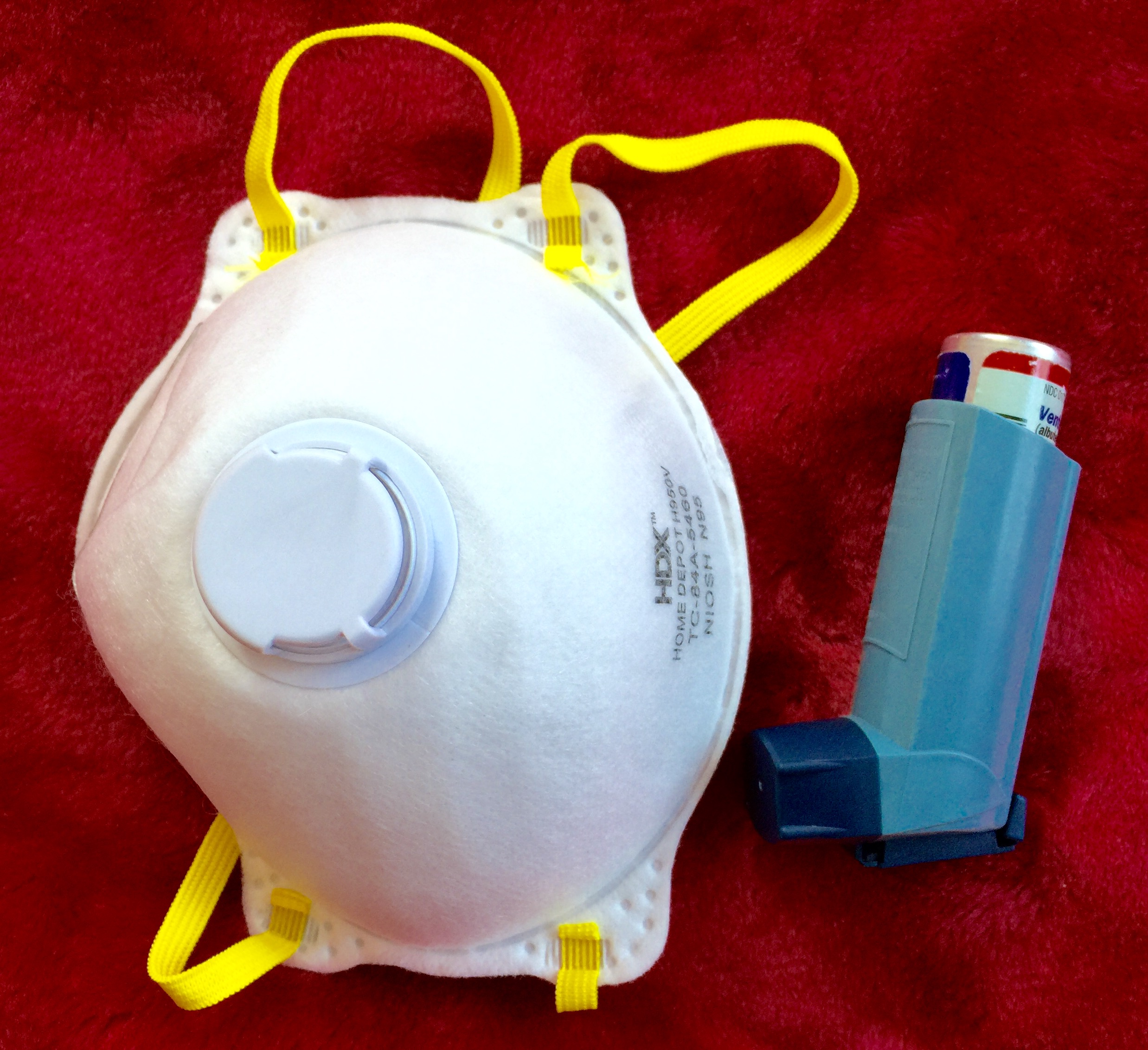
imageAnd since air pollution here is even worse than when I visited five years ago and got a throat infection just from breathing, I carry a mask and asthma inhaler. Many Nepalis now wear masks as well. (Fortunately, I’ve barely needed the inhaler so far.)

imageNot surprisingly, I’ve brought jeans with enough space to accommodate everything I’m carrying. However, we’ve been eating so well that I may need to start spending those rupees faster to give myself more room.

Falgunanda’s Legacy

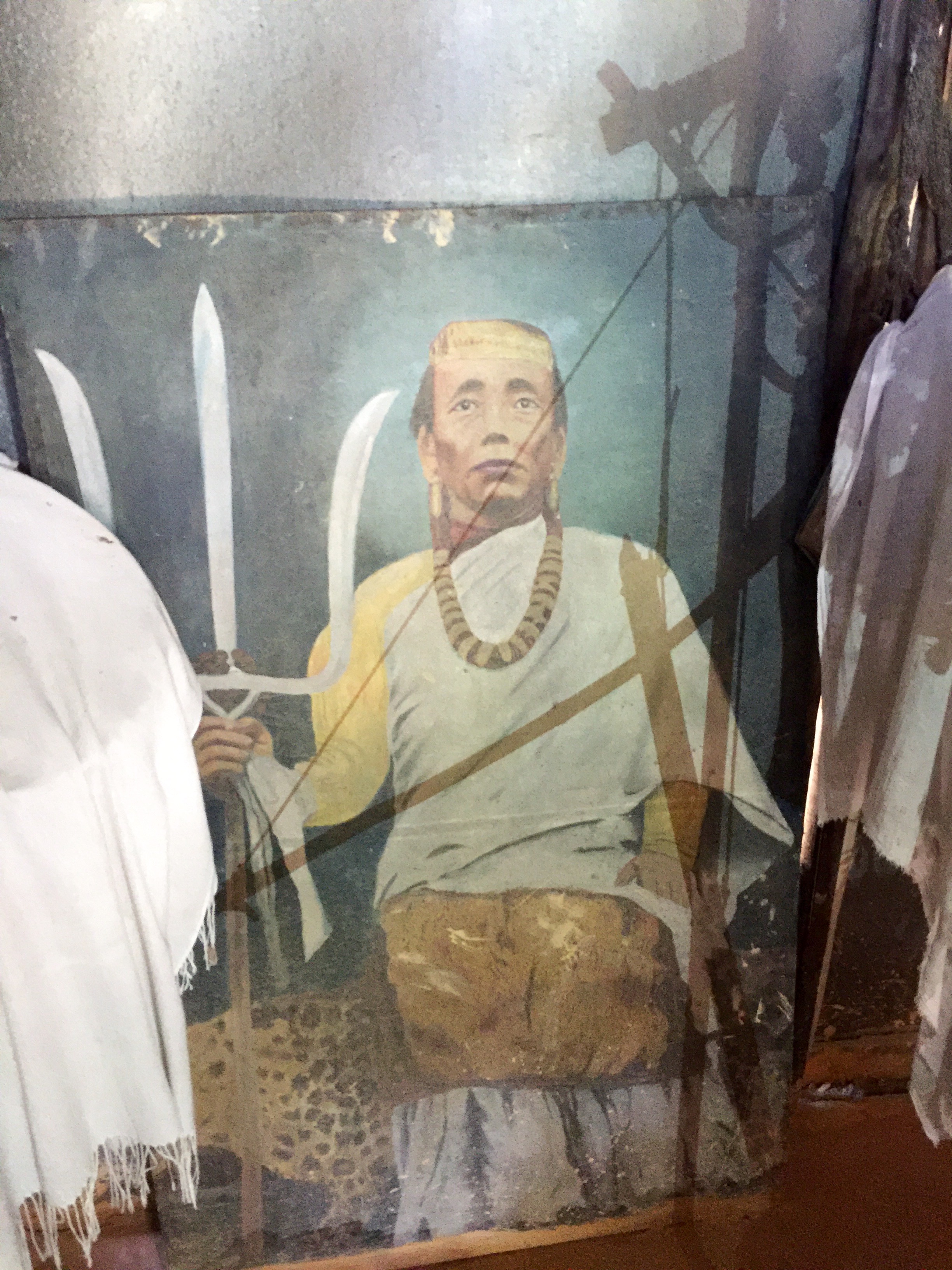
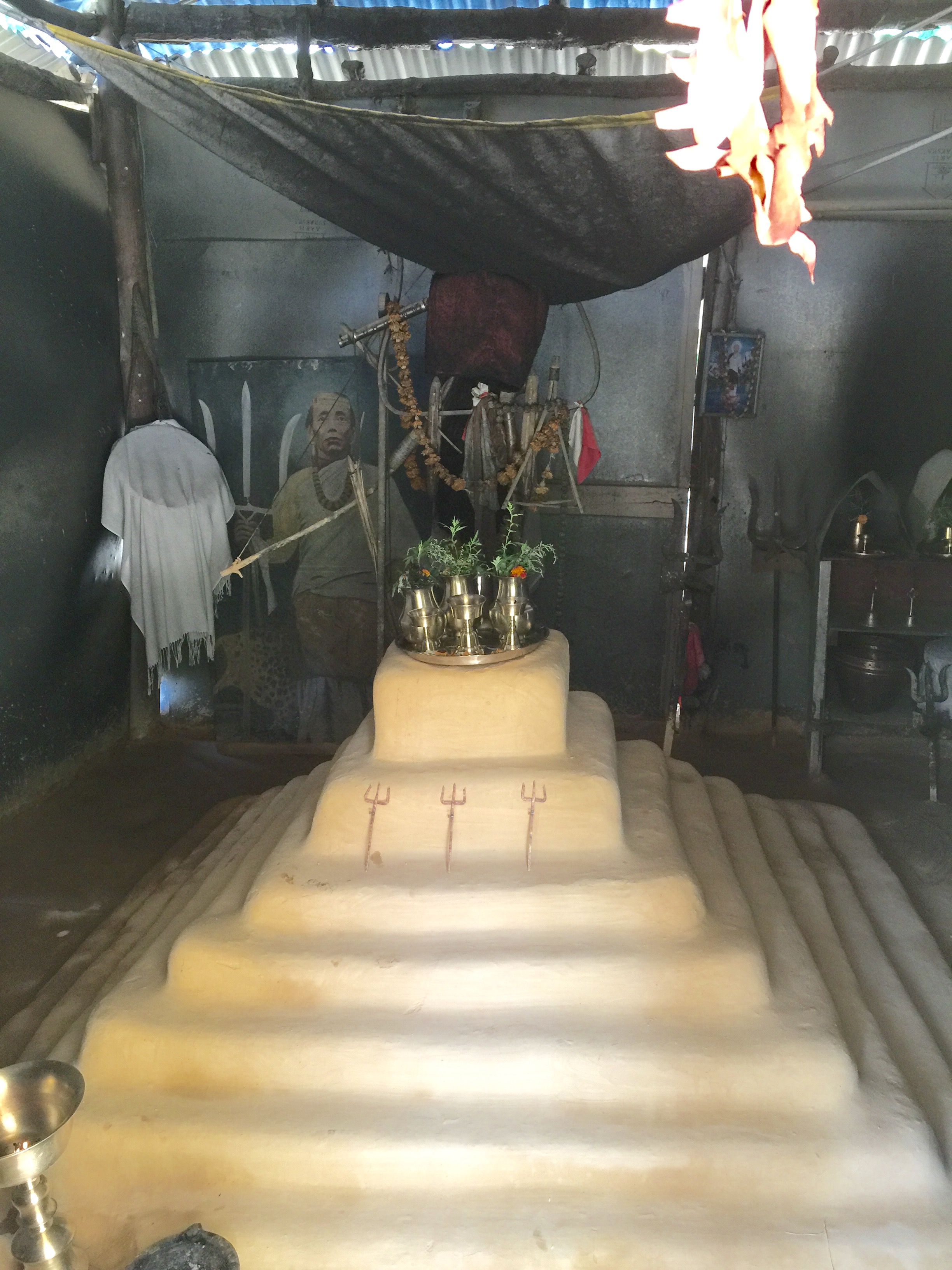
FullSizeRender 275Have you ever heard of Falgunanda? His name is all but unknown to Westerners, even those who have visited Nepal. For that matter, many Nepalis have never heard of him, either. But if you are a member of one of the traditional Kirati ethnic groups of eastern Nepal — the Limbus, Rais and others — there’s a good chance you worship in front of his photo.

Champa is a Limbu, from the Dewan clan, so we’ve known for several years of the growing interest among Kiratis in this religious leader, born in 1885, who revived traditional Kirati cultural practices and challenged Nepal’s dominant Hinduism. Today, many Limbus and others have embraced Falgunanda, for both religious reasons and to assert their ethnic identity. It’s part of a movement among Nepal’s indigenous peoples to reclaim their history and demand a fairer share of the country’s resources. Our nephew, Shankar Limbu, with whom we are staying, has been a leader of this effort and has spoken about it at the United Nations and other venues.

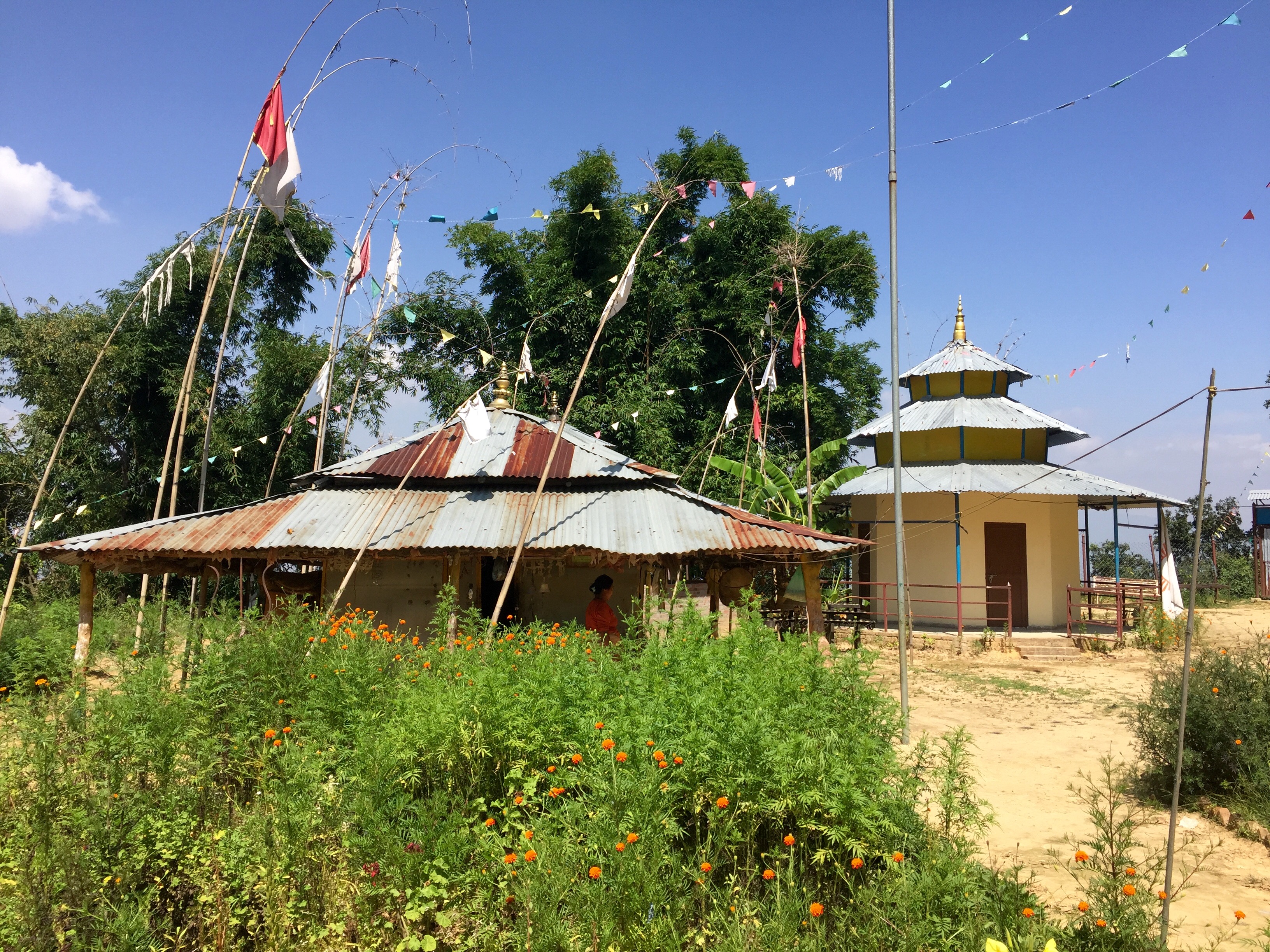
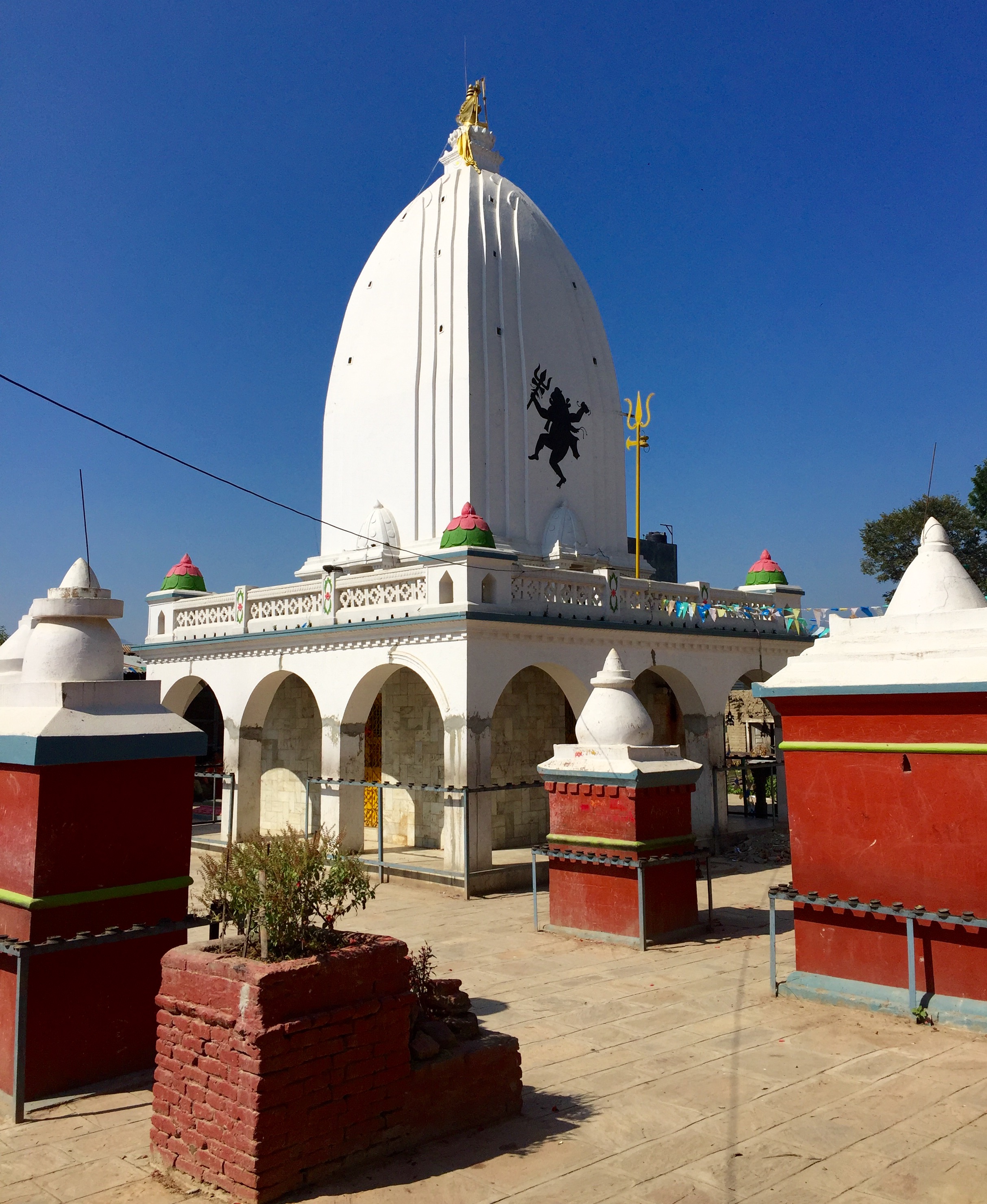
FullSizeRender 282On Friday, we hiked with Shankar to Kirat Manghim, a traditional Kirati temple in Sankha Devi Village on the outskirts of the Kathmandu Valley. FullSizeRender 281Along the way, we passed some of the countless Hindu temples, like the white one shown here, which are so omnipresent in Nepal. Buddhist temples are also common, and there are a growing number of mosques and churches as well. However, here in the valley there are few temples especially for Limbus such as Champa and Shankar.

FullSizeRender 278Visiting this one was worth the largely uphill walk of nearly two hours in late-summer heat. The two main structures and prayer flags, shown above, were modest in size and decoration. But they provided a peaceful oasis, and the friendly caretakers were quick to offer chairs and lemongrass tea to help us recover from our ascent.

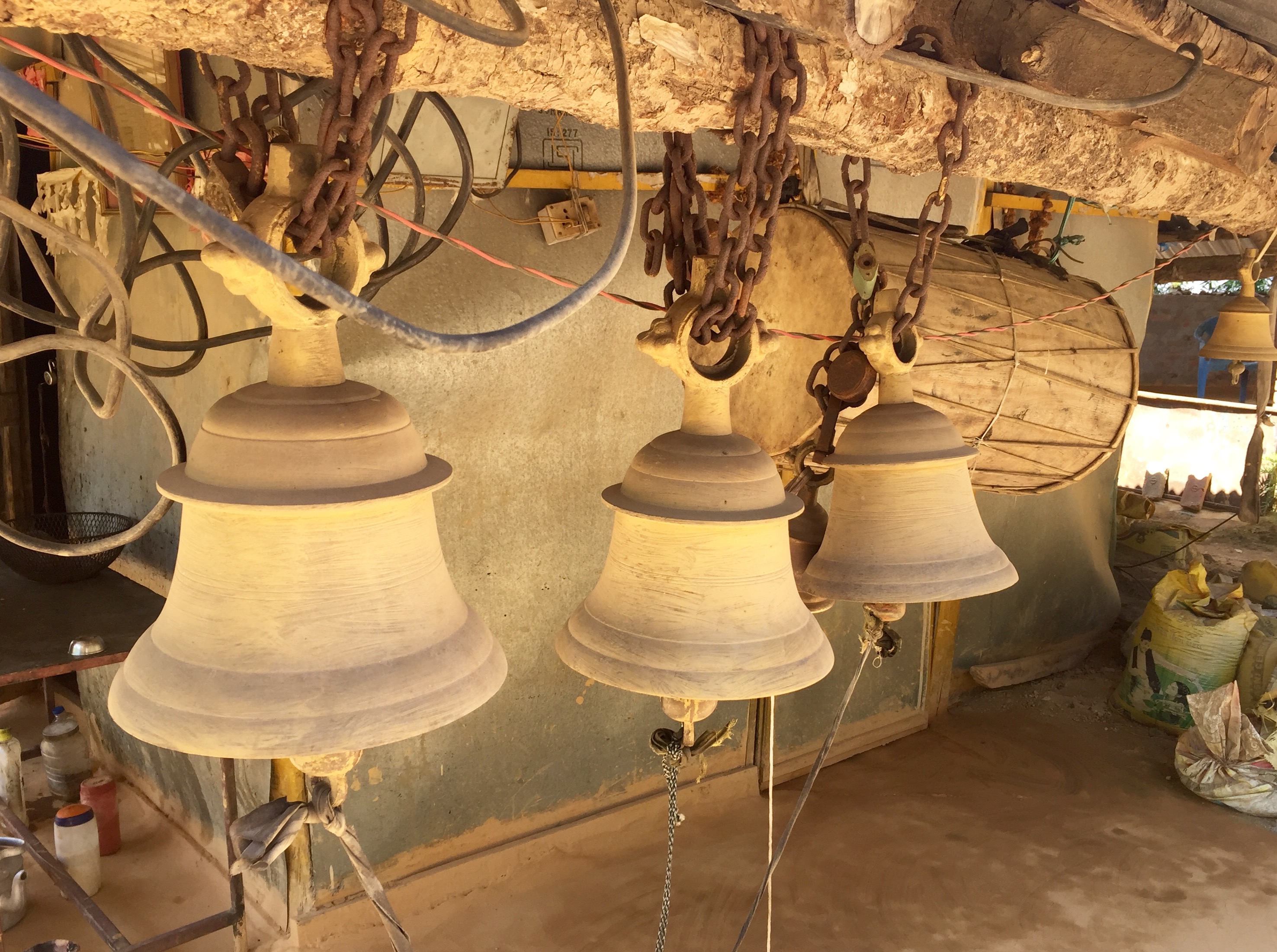
The main temple features bells and a drum on the outside and an altar and photo of Falgunanda on the inside. FullSizeRender 317We removed our hiking shoes before entering, made an offering and then received tikas on our foreheads as we exited. We also signed the guest registry, with my own signature, in English, now standing out among pages of Nepali signatures. (Yes, I know how to write my name in Nepali, but it was fun to highlight my status as one of the few Westerners to ever visit.)

Nepal’s indigenous people’s movement resembles similar campaigns in other parts of the world, from Indian peoples in Latin America to tribal groups in East Asia. One can also make interesting comparisons with our own country. It’s an important effort, long overdue, and we’re proud of Shankar and his colleagues for what they are doing. We think Falgunanda would be proud, too.

The Earthquake’s Aftermath

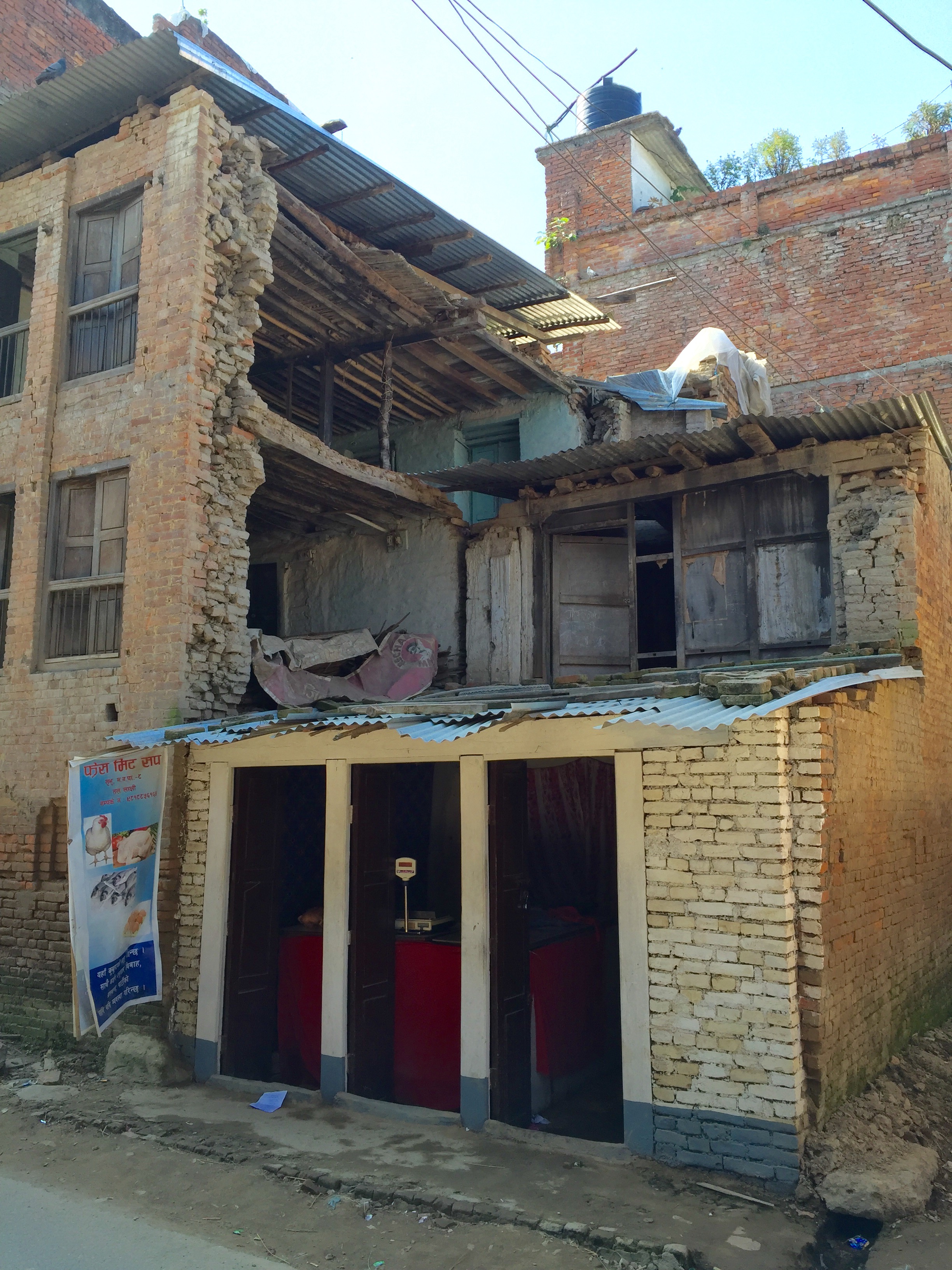
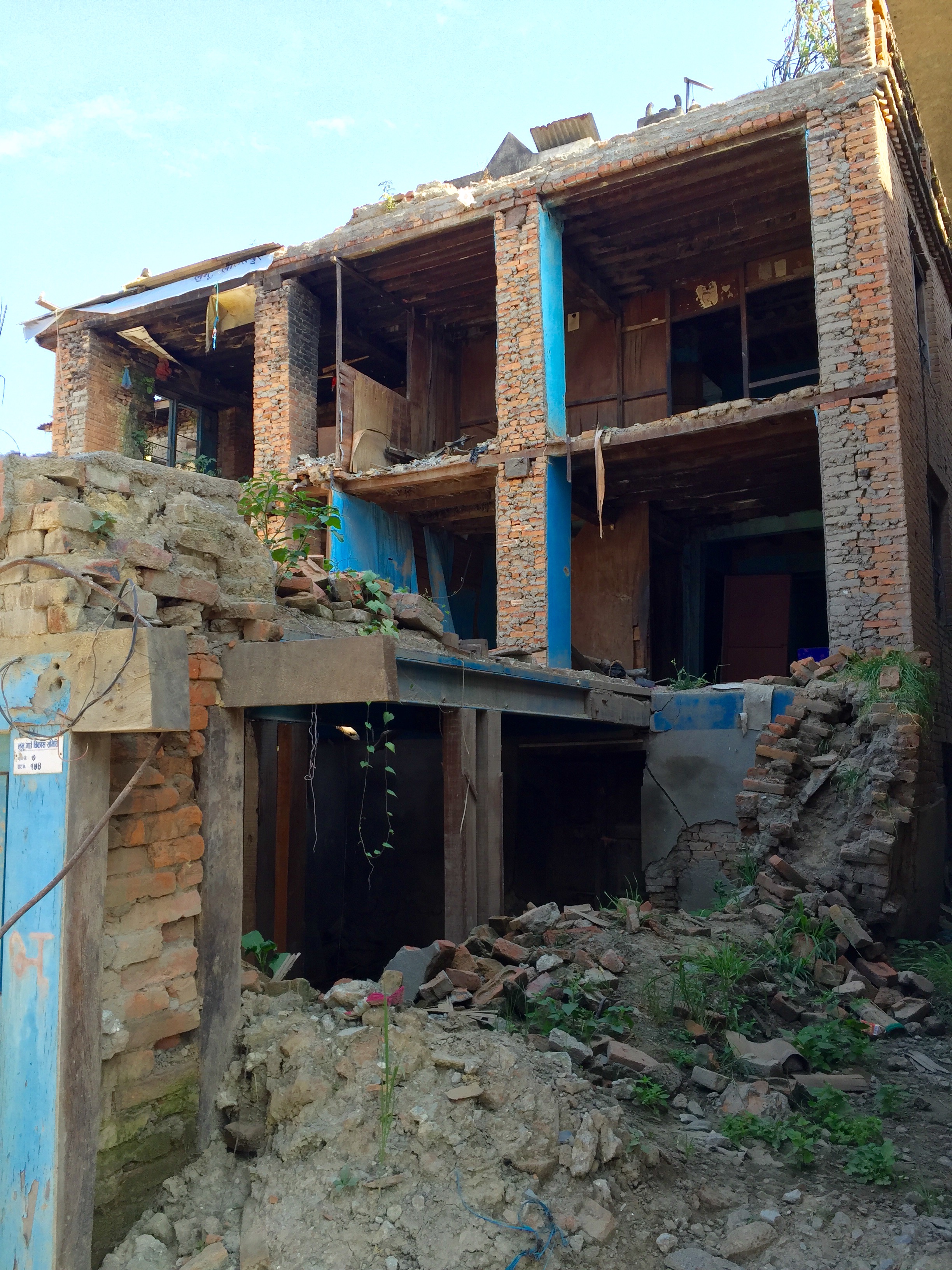
FullSizeRender 280 FullSizeRender 288You don’t have to look hard to find signs of the terrible earthquake that rocked Nepal on April 25, claiming more than 9,000 lives and injuring more than 23,000 other people. Both of these buildings in the Lubhu neighborhood of the Kathmandu Valley, where we hiked on Friday afternoon, suffered devastating damage and remain in rubble. People died here.

Even more people died in the nearby city of Bhaktapur, which shares the traditional brick architecture that proved so unstable in the quake. Bhaktapur is a World Heritage site and beloved tourist destination, with elegant temples and sculpted windows, but much of it was destroyed. Likewise, many towns and villages even closer to the epicenter are still struggling to rebuild, their situation worsened by Nepal’s ongoing political dysfunction.

FullSizeRender 276What’s striking for a visitor arriving five months after the disaster, though, is how the Kathmandu Valley simultaneously continues to boom and expand. I lived here for more than a year in the late 1970s and remember bicycling along idyllic fields and paths in neighborhoods now crammed with houses, shops, vehicles and pollution. The photo shows what has become a common sight: green fields being replaced by cement homes. Indeed, Champa and I are staying in a house that didn’t exist a few years ago, one of many transforming the local landscape. These newer structures generally fared better in the earthquake, although many did suffer some damage.

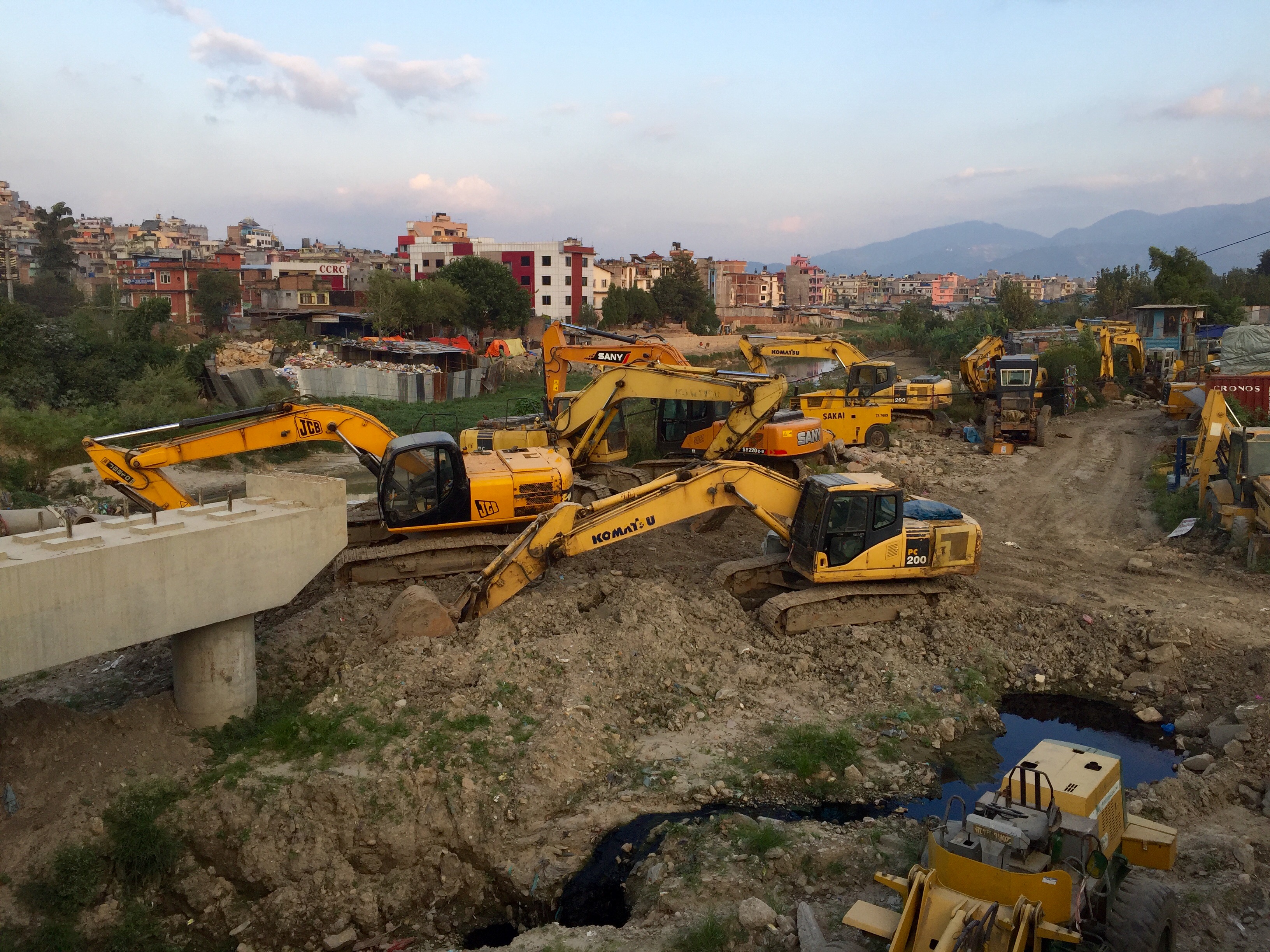
On Thursday afternoon, we walked to a modern shopping complex that sells everything from ready-made Indian food to Kellogg’s Corn Flakes, along with Western fashions, appliances and whiskey. FullSizeRender 274I rode up several escalators to buy a memory stick for my laptop — much cheaper than at Best Buy, thanks — and passed a display for luxury condominiums. (Let me pause: Luxury condominiums in Kathmandu. Wow.) Just down the road, these construction vehicles were finishing up another day’s work on a bridge.

I’m reluctant to draw any conclusions about the earthquake until we’ve visited other parts of the country and talked with more people. Despite the enormous destruction and human toll, however, it does seem the Kathmandu Valley is continuing to build and grow, for better or worse, regardless of what’s happening elsewhere.

We’ll be visiting some of those other places soon. But first, stay tuned for a visit to a fascinating temple rarely seen by Westerners. If you have any reactions to what I’m posting, I encourage you to share your thoughts here.

Little Gas, Lots of Charm

A gunman just shot up a school in Oregon, Hurricane Joaquin is bearing down on the East Coast and Donald Trump is still running for president, but you wouldn’t know any of that here in Kathmandu. FullSizeRender 272The big news since we arrived three days ago has been India’s blockade of gasoline supplies into Nepal.

This gas station and others are usually busy with customers. Since Thursday, however, the Nepalese government has banned petrol sales to private vehicles, accelerating a local sense of crisis. A day earlier, we passed hundreds of motorcyclists waiting in a line stretching across several city blocks. Cars waited in similar lines, often to no avail.

India is acting in support of Nepalis of Indian descent and others who have been protesting what they consider unfair representation in the country’s new constitution, which the major political parties recently adopted after years of dispute. Since almost all of Nepal’s fuel passes through India, the blockade was immediately disruptive, including to our own travel plans. As I write this, there are tentative reports of a resolution. We’ll see what happens.

FullSizeRender 277Personally, I’ve been more distracted by the simple pleasures of Nepal, which have surrounded us since we arrived. Champa and I went out to dinner with our nephew and his wife, for instance, and enjoyed local delicacies such as these delicious momos, or dumplings. The bill for the four of us, with drinks, was less than $13. FullSizeRender 283As we took a long walk on Friday afternoon, far from the tourist areas, we passed children playing next to temples, IMG_3449women working in lush wheat fields, ducks waddling across the street and students with ties and backpacks returning home from school.

I’ve also been charmed by the signs on Nepal’s local shops, which continue to use English in unexpected ways. (“Fooding and lodging” remains a standard.) FullSizeRender 279The sign for this tattoo parlor appeals to “ladies and gents.” Nearby was a shop selling Mountain Dew, which is manufactured locally and called “Dew” by everyone. FullSizeRender 289We also passed this Hindu swastika on someone’s house — not unusual in Nepal, but still a reminder that we’re no longer home.

We’ve seen lots of evidence of the April earthquake, which will be the subject of my next post. If you have reactions or comments, please share them here!

On the Road Again

IMG_2836This image has been on my mind lately, as we prepare to hit the road again for our next big adventure.

On Thursday, we’re leaving Durham for a quick visit to Maryland, a big family party in Philadelphia and then off to Nepal for nearly two months.

That’s why I’m thinking about the photo. If you think it shows a Nepali home devastated by this past spring’s earthquake — well, good guess, but wrong. It’s actually a home we saw in New Orleans during our cross-country drive this summer. IMG_2829We looked beyond Bourbon Street and other tourist areas to see how the Lower Ninth Ward and other poorer neighborhoods were faring nearly a decade after Hurricane Katrina. Although we saw too many homes like the one at the top, we also saw lots of newer homes like these, built by the Make It Right Foundation — Brad Pitt’s organization — and by individual homeowners.

Shorty after we returned to Durham, the airwaves were filled with retrospective stories about “New Orleans, Ten Years Later.” They showed some of the same neighborhoods we had just seen ourselves. To be sure, our visit to New Orleans was brief and superficial, but still we felt a connection to what was on our screen. As I wrote during our trip, we also came face to face with California’s drought, Western wildfires, the U.S. border area with Mexico and other issues that no longer seemed so distant. Simultaneously, we explored America’s incredible beauty, history and diversity. On the same day we took the photos in the Lower Ninth Ward, for instance, we had a great time strolling across town IMG_2883along the Mississippi River, shown here. In general, we were filled with new experiences and insights every day.

After driving 11,000 miles and visiting 31 states over seven weeks, we were pretty tired when we got home. Since then, we’ve been resting up, seeing family and getting ready for Adventure #2, in the Himalayas.

We didn’t know before we left in July whether we would find these extended trips as invigorating as we expected. We’d always loved to travel but still … that’s a lot of miles, and we were so busy with everything that we barely knew what else was happening in the world. It turned out we loved it even more than we hoped.

Now we leave on an even more challenging journey, this time to the country where we started our life together. We expect to spend some time in Kathmandu, then travel to Champa’s home town of Ilam, in eastern Nepal. Soon after we return to Kathmandu, we’ll welcome several members of our U.S. family, for a group trip and a meet-up of the two clans.

Sorry, but we weren’t able to get a visa for G, the Blue Devil gnome, who will be staying home this time. However, I do expect to post on this blog, depending on the availability of electricity and an Internet connection, and hope some of you will find the journey interesting. Fingers crossed. Off we go again. Until we reach the other side of the world: Namaste for now.

48 States

FullSizeRender 269 copyWe have now placed our feet on all of the 48 continental states. Kentucky was number 48 and, as you can see in the photo, we were very happy to reach it.

When we first started planning our great adventure, we realized we had already visited 33 states, which left only 15, not including Hawaii and Alaska. We decided to try to complete the list, tweaking our itinerary accordingly.

We’re so glad we did. North Dakota, for instance, provided one of our most memorable drives, along a rural highway where the views stretched forever. We probably wouldn’t have visited Arkansas, either, and thereby would have missed seeing the Clinton Library and Central High School in Little Rock, and the amazing Crystal Bridges art museum in Bentonville — a truly world-class museum that recently opened its doors in the Ozarks. We wouldn’t have stumbled across the catfish museum in Mississippi or a great barbecue joint in Orange Beach, Alabama. We wouldn’t have strolled around downtown Omaha.

It proved far more challenging than we expected to reach #48. When we left the wonderfully named Cabool, Missouri, this morning, we expected to drive easily through western Kentucky to Tennessee. FullSizeRender 270About an hour after we left, however, the “low tire pressure” light flashed on my dashboard, and I barely made it to the next exit. Fortunately, Champa spotted an auto repair shop there, which fixed the tire for $12 in just a few minutes.

An hour later, we turned off the highway onto a small road that leads to a bridge that crosses the Mississippi River into Kentucky. Twelve miles later, just as we approached the banks of the river, we saw signs blocking the road for bridge repairs. We had to drive all the way back and find a service station, where a manager suggested an alternate route. This new plan took us out of our way but pointed us in the right direction — via Kentucky, as required. After a flat tire and a major detour, we found it easy to smile for the photo.

Screen Shot 2015-08-27 at 8.09.16 PMThe map shows where we’ve gone. If you’re tracking our path, just start at Durham and go counter-clockwise to Alabama, where we doubled back to Arkansas, made short visits to Oklahoma and Kansas, then headed east through Missouri, Kentucky and Tennessee towards home.

We now have one more state to go — the same wonderful state where we started. As much as we have treasured this amazing adventure — and we have, every second — there’s a certain 3-year-old who has a T-Ball game on Saturday morning. We hope to be there to watch him. 377 miles to go.

Exhibiting Controversy

imageYou have to look hard in the William J. Clinton Presidential Library & Museum in Little Rock to find the most memorable event of his presidency.

Champa and I loved the library, which has impressive displays about how his administration dealt with the economy, foreign affairs, the environment and other issues. There are replicas of the Oval Office and the Cabinet Room, a glittering table set with White House china and a powerful video recounting the first presidential campaign.image

However, the impeachment battle is limited to a single alcove that emphasizes Republican partisanship. There’s no photo of Monica Lewinsky, no “it depends on what the meaning of ‘is’ is” and no real acknowledgement that Clinton did anything wrong that might have brought on the Republican attacks. Our tour guide pointed out the exhibit, quickly, and then glided us past it.

I voted for Bill Clinton twice and admire most aspects of his presidency and subsequent career. I opposed his impeachment at the time and am glad he remained in office. Nonetheless, I was disappointed by how his library dealt with the impeachment battle, presumably at his direction. It felt evasive and self-serving, at least to me.

imageI found it to be in sharp contrast with the History Museum of Mobile, Alabama, which we visited three days earlier. Much to our surprise, that museum included an extensive display about the city’s legacy of slavery and Jim Crow. The display encouraged visitors to try on some of the heavy leg irons worn by slaves and to consider the prices white residents of Mobile paid for slaves of different sexes and ages.

IMG_2781When we were in Austin a few days before that, we visited the LBJ Presidential Library. Although less polished and engaging than Clinton’s, the LBJ library included a substantial exhibit about Vietnam. Not surprisingly, the exhibit emphasized the uncertainties and political pressures Johnson faced in the conflict, as well as the toll it took on him and his family. But it made clear that Johnson made mistakes and bears at least some responsibility for what occurred.

imageWhile we were in Little Rock, Champa and I also visited the Little Rock Central High School National Historic Site, which is across the street from where one of the great battles of the Civil Rights Movement unfolded as a shocked national audience watched on television. A guide took us and another couple into the school, where the diverse current students recently returned from summer vacation. We paused at several of the spots where the story took place, imagining the screaming white mobs, federal troops and black students whose brave steps changed history. The exhibit hall displayed the white racism in all of its ugliness, even though some of the participants still live in the city today.

Having worked in communications for many years, I know how challenging it can be for people and institutions to deal forthrightly with controversial topics. I certainly didn’t expect the Clinton Library to display the blue dress or Monica’s beret. However, I was hoping for a bit more self-reflection and humility, especially now that so many years have passed, and thought such a presentation would have made the “Republican partisanship!” spin more believable. Apparently not.

Energy in the Wind

“Texas” and “energy” usually go together with “oil.”

Well, here’s another fact to consider: Texas also has the most installed wind power capacity of any state in the country. As illustrated in this photo, we saw lots of wind turbines as we drove east across the state from El Paso to Beaumont.

IMG_2736

So, too, in Montana, where these were among the many wind turbines we saw from the highway:

IMG_1142

As we’ve made our way across the country, we’ve also seen wind turbines in California, the Midwest and elsewhere.

IMG_2813We’ve been pleasantly surprised to see wind energy becoming more common, at least based on our own limited observations. This isn’t to say the United States is shifting quickly enough from fossil fuels to wind power and other renewables; obviously, much more action is needed, especially as climate change accelerates.

Yet even G has been encouraged by what we’ve seen blowing in the wind as we’ve driven around the country. He posed for this photo in La Grange, Texas, the city immortalized by ZZ Top. We didn’t tell him the windmill behind him is for pumping water, not generating electricity. After all, we figured, it’s still turning in the right direction.

State Capit(o)ls

They’re domed, they’re grand and we enjoy them: state capitol buildings.

Admittedly, our interest is a little weird, but we’ve learned that capitol buildings often provide insight into how a state thinks about itself. They’re typically filled with exhibits, portraits and a sense of place that compensates for all of the self-important young legislative aides scurrying across the polished floors.

imageOn Sunday, we visited two capitol buildings, both in Jackson, the capital of Mississippi. The one with the five columns in front isimage the old capitol, which served as the statehouse from 1839 until 1905. It was restored after suffering damage from Hurricanes Katrina and Rita, and now serves as a museum.
You can see one of its exhibits, which depict Mississippi’s history and, yes, discuss slavery, the civil rights struggle and other difficult aspects of the state’s past.image (We were even more impressed by the extensive displays about these topics at Mobile’s history museum, which we visited a day earlier.)

The dome with the scaffolding is Mississippi’s current capitol, located a few blocks away. Nearby are Mississippi’s magnificent governor’s mansion, the Eudora Welty library and other landmarks.

Earlier in our trip, we visited the capitol buildings for Iowa, Washington and Texas, shown here.

Des Moines, Iowa: IMG_0916 Olympia, Washington:

IMG_1532

Austin, Texas:

IMG_2755

I especially enjoy listening to the tour guides describe complicated historical events or respond to sensitive questions. Our guide in Austin, for instance, kept saying “we” when referring to the Texans who fought the Mexican forces at the Alamo. In Madison, Wisconsin, which we visited a few years ago, our young guide did her best to avoid mentioning the battle then under way to recall Gov. Scott Walker, who is now running for president. In Augusta, Maine, one of the Democratic Party leaders saw us wandering in the hall. She showed us around personally while describing her battles with Paul LePage, the state’s colorful Tea Party governor. It was an insightful — and hilarious — experience we never anticipated.

So, the next time you’re visiting a state and are looking for a fun (and free!) way to learn about it, go visit its capitol building. You never know who you might run into.