

 You May Want to Marry My Husband by Amy Krouse Rosenthal was one of the most widely read — and heartbreaking — essays ever to appear in the New York Times “Modern Love” column, which published it ten days before Rosenthal died of cancer this past March. The actress Debra Winger later recorded a podcast of the author describing her husband’s devotion and her desire for him to find new happiness after her impending death.
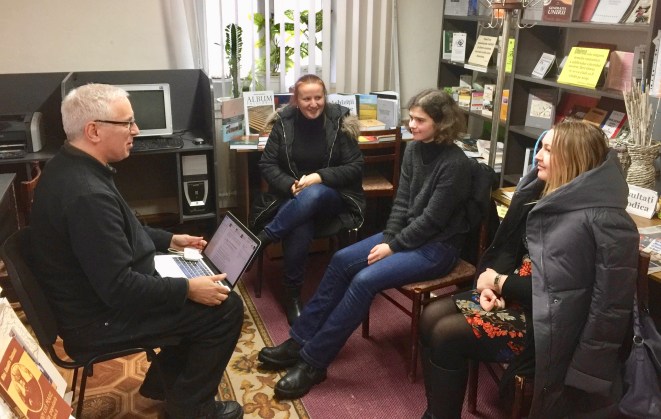
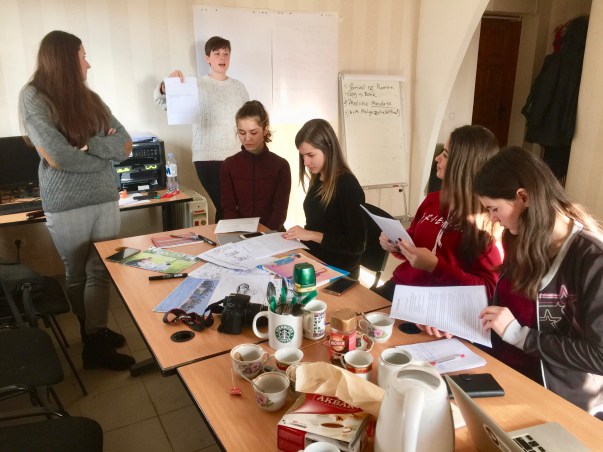
 On Tuesday afternoon, her words broke hearts again, this time among members of my weekly English conversation class. We read sections of the article aloud, listened to part of the podcast and then listened to another “Modern Love” podcast about how a woman dealt with her husband’s mid-life crisis.
This was a change of pace from some of the other articles I’ve assigned recently in my weekly class at the Ialoveni library for advanced English speakers who want to improve their reading and conversaton skills. Our previous selection was The School, a chilling 2007 article in which C.J. Chivers described a Chechan terrorist attack on a school in the Russian town of Beslan, which resulted in the deaths of at least 385 people.


Before that we read three essays by humorist David Sedaris, a Walter Isaacson article describing the science behind Mona Lisa’s smile and Atul Gawande’s article about how he and other physicians need to do more to help dying patients and their families. We’ve also discussed travel destinations, teenage anxiety and the linguistic implications of emojis.
 I originally planned the class as a more conventional book club, where we might read Harry Potter novels or other full-length works likely to appeal to Moldovan readers. When I spoke with a Moldovan friend who runs an English-language center, however, he warned me students wouldn’t have enough time to read the books, which would also be expensive for them to buy.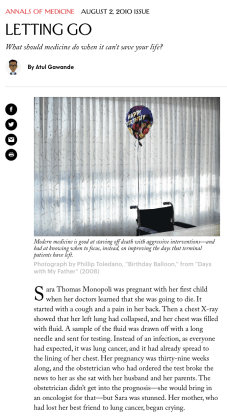
He suggested I choose long articles instead, which the students could download or read online.
It was great advice. My students, who range from a Moldovan online journalist to an art student, are generally able to handle even the longer articles, and they come ready to share reactions and opinions that often fascinate me.  Our discussion about the Gawande article, for instance, led to a great conversation about how our two cultures handle death, not only in medical settings but more generally.
For our class next Tuesday I’ve assigned an extraordinary Cincinnati Enquirer series on Seven Days of Heroin. If you’re in Ialoveni and would like to join the discussion, please come to the class. If you’re back in the States and want to participate, (16:30 locally; 9:30 a.m. Eastern time on Feb. 6), please let me know and I’ll try to include you online.


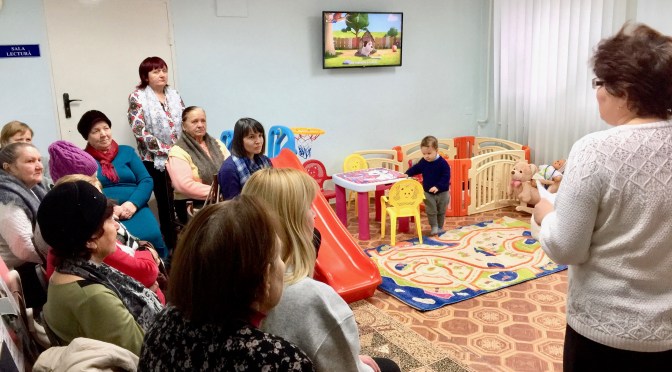
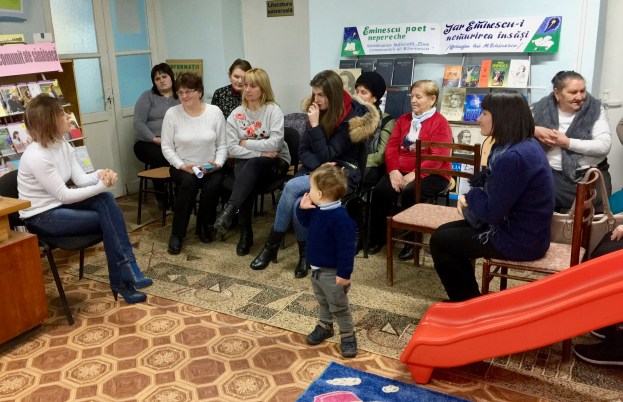


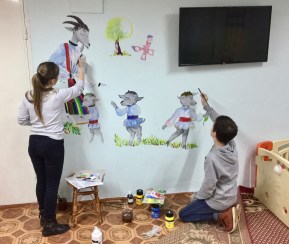 Students from Ialoveni’s School of Art, upstairs from the library, are painting the room with an original mural featuring characters from national children’s stories.
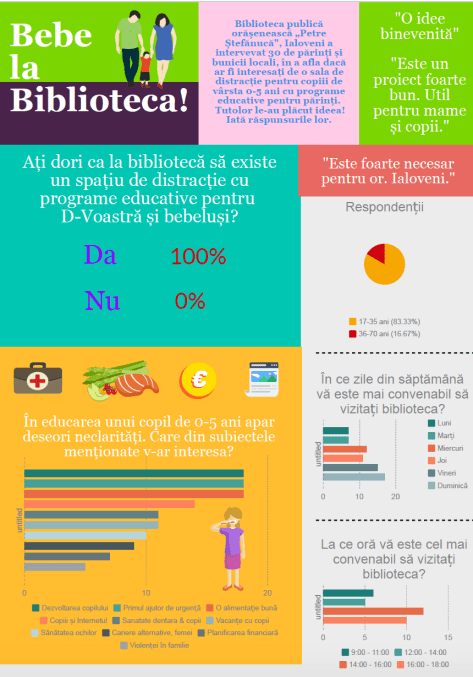
 “We want to offer mothers and families the chance to meet, have fun and learn something new. We also hope they will explore the library while they’re here and borrow some books or sign up for our free programs, from learning English to making simple animated movies.”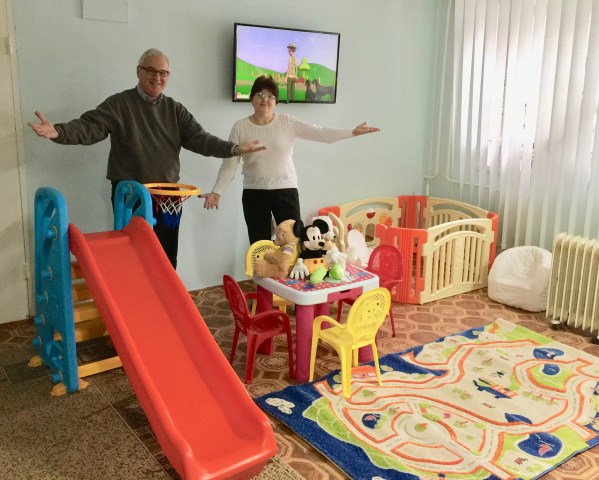

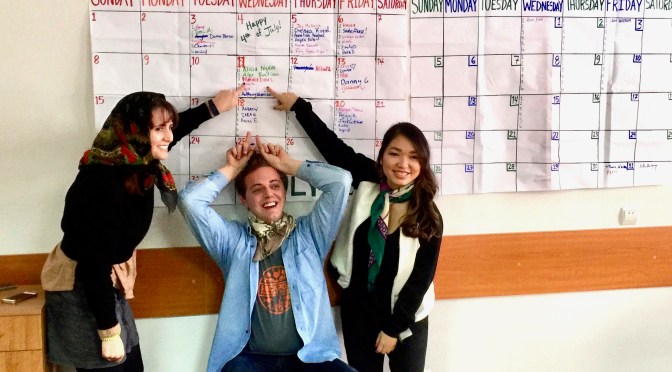

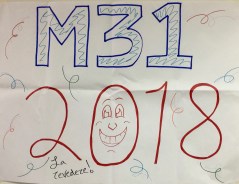 Everyone’s name was placed in a hat, with the three married couples each listed together. As people’s names were called, they selected one of the available departure slots on a large calendar.
 Ours were among the first names called. We chose an early date because we plan to take a two-week trip with some friends and then head home to reoccupy our house in North Carolina, which will be vacated shortly before then by our tenants.
  Many of our fellow M31 volunteers are also planning COS trips, a tradition among departing volunteers worldwide. Some members of our group need to return home quickly to begin jobs or graduate school. One just accepted a new Peace Corps assignment in Tonga.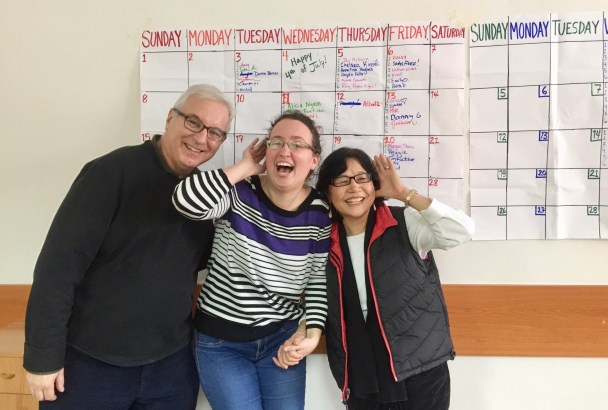


 The same is true here in Moldova, even though the whole country is only slightly larger than Maryland. This past weekend, Champa and I were reminded of this when we visited Comrat, a small city that is the capital of Moldova’s autonomous region of
 To the contrary, many have unhappy memories of Romanian rule.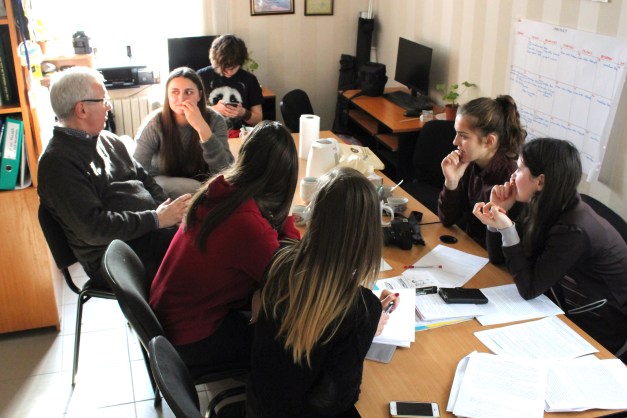



 It was my latest reminder that even though Dr. King is a hero of mine and many other Americans, our country is not the center of the universe, as much as we might like to think otherwise. To be sure, Dr. King is known and honored in many parts of the world, which is richly deserved, but people everywhere generally care most about their own lives and communities.
 A few days ago, a friend back home wrote to ask whether Moldovan newspapers were coming up with their own phrases for “shithole.” I was sorry to disappoint him: Not a single Moldovan friend has mentioned the recent controversy to me. Keep in mind that I work with librarians and other friends who are well-educated. Undoubtedly some Moldovans have been following the controversy, but the ones I know don’t care about American politics unless it affects them personally, which it rarely does. At least they know where America is, which is more than most Americans know about Moldova.


 Fair enough, and I certainly understand why so many Americans love visiting London or Paris, since I enjoyed these cities, too. Even these tourists are more adventurous than Americans who won’t venture further than a summer beach house. Moreover, millions of Americans lack the resources to do even that and can only dream of foreign adventures. I know how lucky Champa and I have been to pursue our lifelong passion for travel.

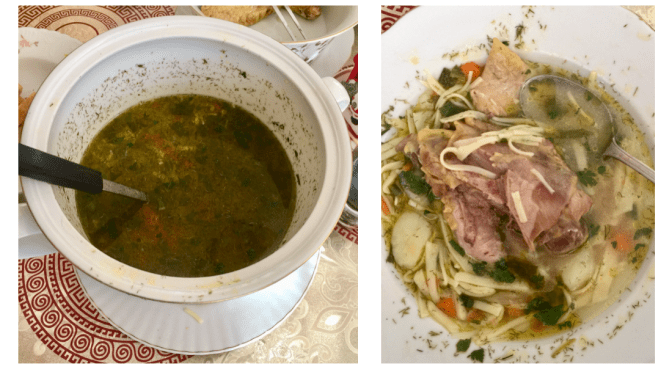

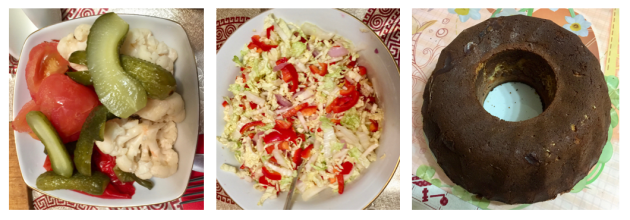
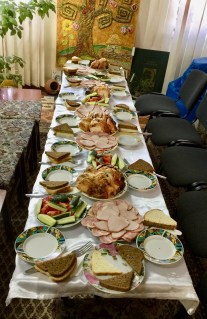
 We also had a plate of Romanian cookies and American Oreos, which we found in a store in Bucharest.
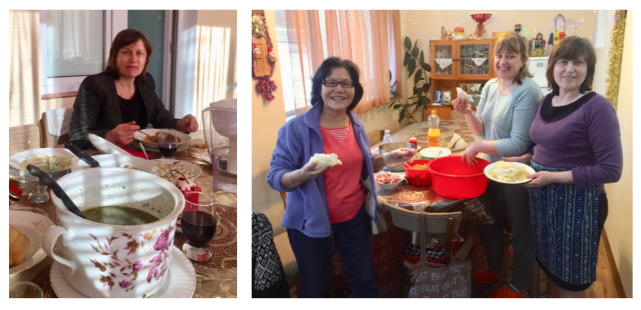
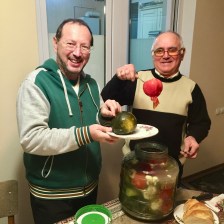 Our host family generously invited us to join two Christmas feasts this weekend, together with their niece and the couple you see here. That’s Liviu in the green jacket showing us a pickled tomato and watermelon with our host dad, Mihai. Viorica sang several songs after dinner, with the voice of an angel, as you can hear in the brief video below, with Nina continuing to bring out more food for us.


 All three hosts were helpful and responsive. The woman who welcomed us to


 "Not Exactly Retired"