

If you go to a restaurant in Moldova, don’t be surprised if the waiter doesn’t give you a big smile, offer menus to everyone at your table or serve all of the entrees together.
The waiter may also not be concerned about negative reviews on TripAdvisor or Yelp. Why? Because he may not know about these websites. Expedia? Lonely Planet? Maybe not those, either. Similarly, the woman working at a nearby hotel may not understand that you prefer to book a room online instead of calling her on the phone.


Moldova has so much to offer to foreign visitors: delicious food and wine, magnificent monasteries, beautiful countryside and travel options ranging from eco-tourism to adventure travel. Its hotels, restaurants and travel destinations are a bargain, and some offer warm and attentive service. Its people can be wonderfully gracious and generous, too. But it remains among the least-visited countries in Europe.
At a meeting several months ago, several of us serving as Peace Corps Volunteers here discussed whether we could do anything to help improve the situation.
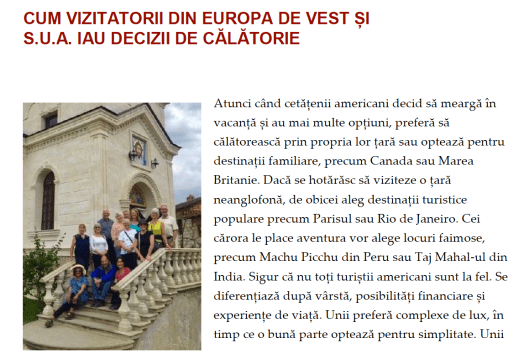
We knew we had no money to address big problems like Moldova’s poor roads. However, as Americans who have made lots of travel decisions ourselves and are familiar with Moldova’s charms and challenges, we decided we could contribute in another way: We could help the owners of hotels, restaurants and tourist destinations understand what we and others expect in terms of customer service and how we use the Internet when deciding where to spend our travel dollars, whether in Moldova or someplace else.
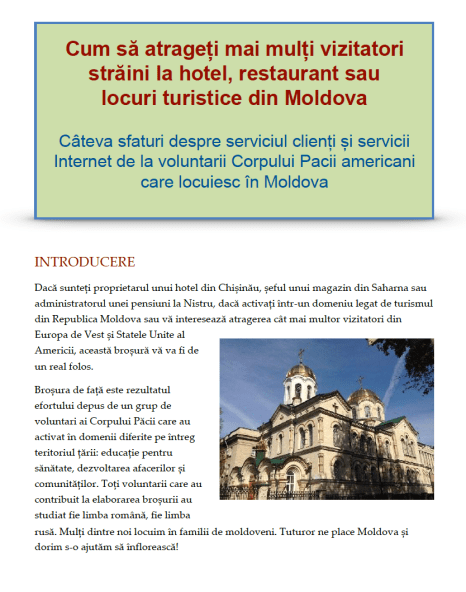 Since that meeting, our group has been working with the Moldova Competitiveness Project of USAID and the leadership of ANTRIM, Moldova’s national inbound tourism association. After months of work and numerous drafts in both English and Romanian, we recently completed our project: an illustrated Romanian-language brochure for Moldovan businesses seeking to attract tourists from abroad. ANTRIM has posted the brochure online and will be sharing it with its members. USAID said it looks forward to supporting the project, too.
If you don’t speak Romanian, here’s the brochure’s message in a nutshell: Customer service is critically important, so smile at your customers and take good care of them. Build a strong online presence and try to attract favorable reviews.
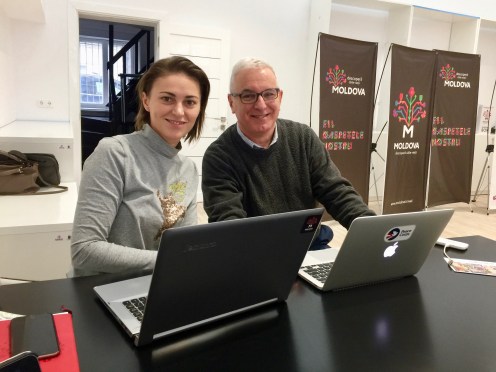
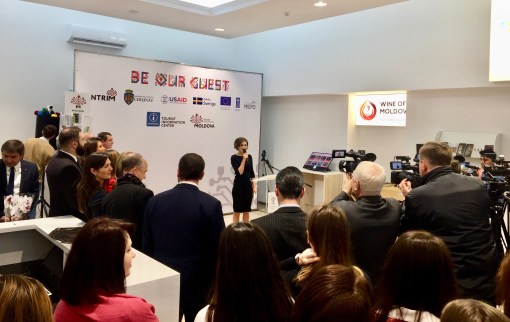
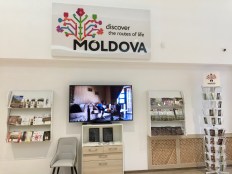 I recently put the final touches on the brochure with Natalia Țurcanu, the head of ANTRIM, who you see above with me in their lovely new tourism center in the heart of Chișinău. Located on the city’s main street, the center offers brochures, maps, advice and even virtual-reality tours, as you can see in the photo. USAID and others provided support for the center, which was launched with the big press conference where you see Natalia speaking in the photo below.
She hopes our brochure may lead to workshops or other training programs to help Moldova’s tourist operators get better at using the Internet and providing consistently great customer service. 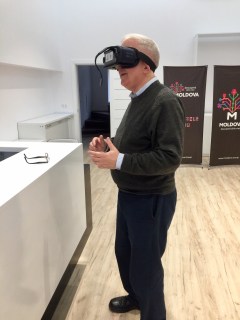 Our group is ready to assist if she wants her people to hear this directly from American travelers.
Our Peace Corps team included current volunteers Shannon Skelly and William Winter, and recently departed volunteers Chris Flowers, Lisa Gill, Stephen Gill, Jessica Randall and Denise Riegel. Natalia has been our invaluable partner at ANTRIM. Sergiu Botezatu, Natalia Curnic, Ana Efros and Diana Lazar provided assistance through USAID’s Moldova Competitiveness Project and Chemonics International Inc. At Peace Corps Moldova, Felicia Cenușă guided the final translation, Violeta Frimu-Patel was our program manager and Tracey Hébert-Seck provided support and encouragement as the country director.
If you know anyone in Moldova who might benefit from the brochure, I hope you will share it with them. Be sure to smile when you ask.


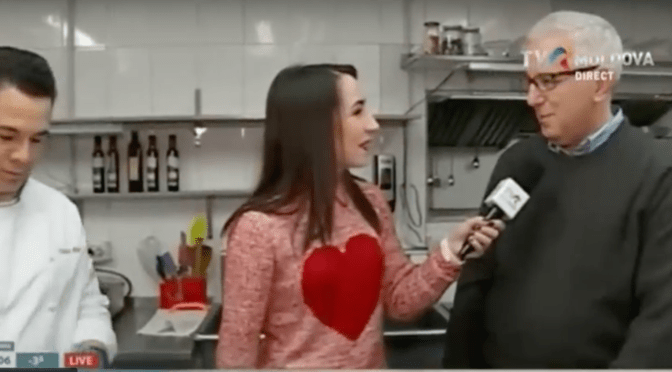

 After our first segment, we all took a break and then moved from the kitchen to a table to eat the cooked turkey with pistachio-infused rice.
 Champa discovered dried cranberries in the market, which I cooked with juice and brandy to make a sauce. One of our local stores now sells Parmesan cheese, so I bought some and combined it with mashed potatoes in a casserole. For my peach pie, I used slices of local peaches we’d bought last summer and froze. We made cookies with chocolate chips and brown sugar we bought when we were home last summer. We bought the Armenian and Georgian wine during our recent trip there.

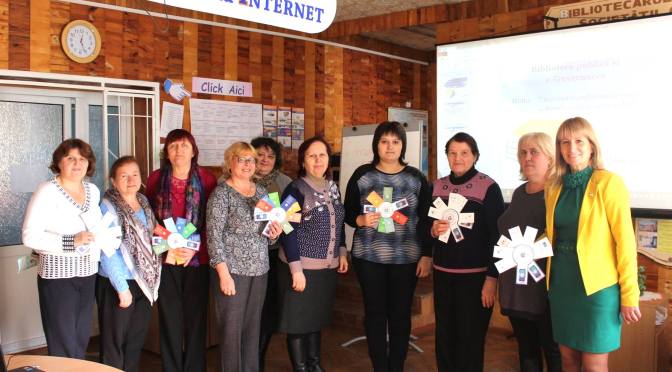
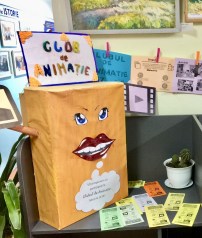 Back home, where people now routinely download books and find information on the internet, libraries are emphasizing their roles in providing expertise and bringing people together, whether with story times for kids, study spaces for students or programming for retirees.
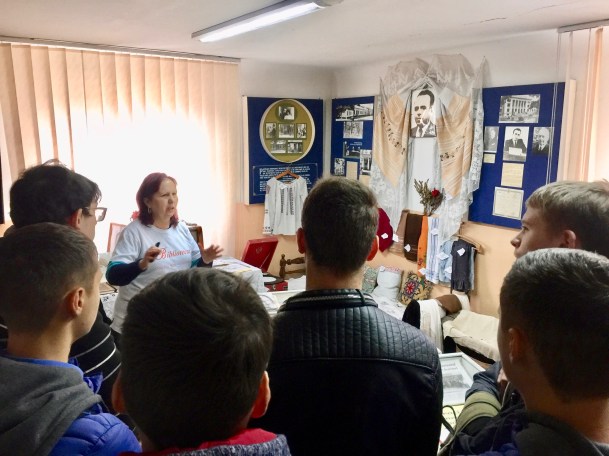
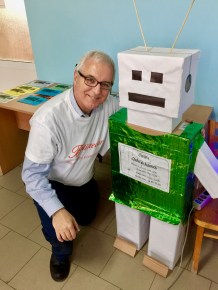 Here in Moldova, the transition has been even more challenging. Library budgets and salaries are tiny. Many library buildings are old, with collections dating to Soviet times. There are no resources to buy books, much less comfy sofas or cappucino machines.




 As we’ve traveled around the United States, spent time in Nepal and served as Peace Corps Volunteers in Moldova, the blog’s audience has kept growing, with more than 26,000 visits so far. Thanks to all of you who have joined us on our journey!
 “Not Exactly Retired” advances two of the three official goals of Peace Corps: to promote a better understanding of other peoples on the part of Americans, and vice versa. (The other goal is to “help the people of interested countries in meeting their need for trained men and women.”)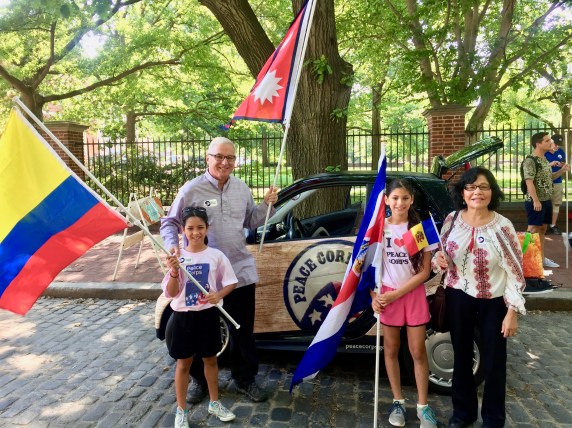

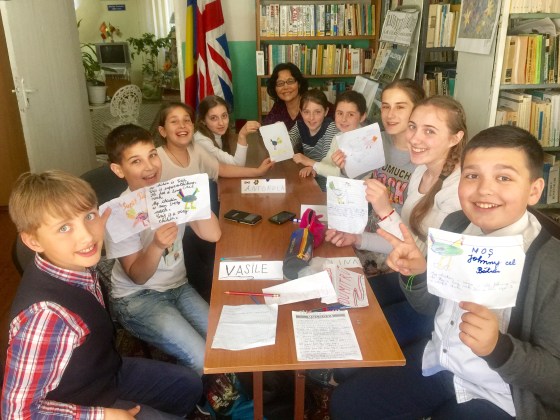





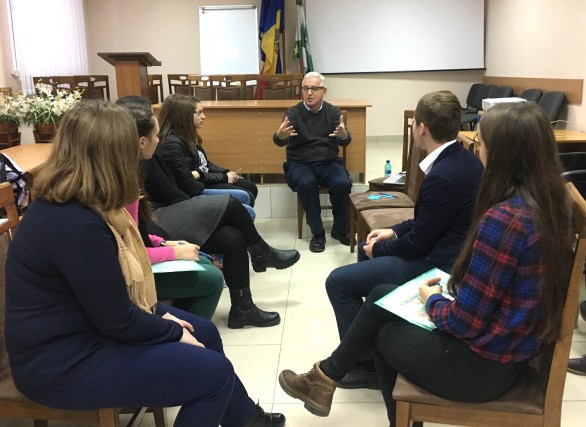
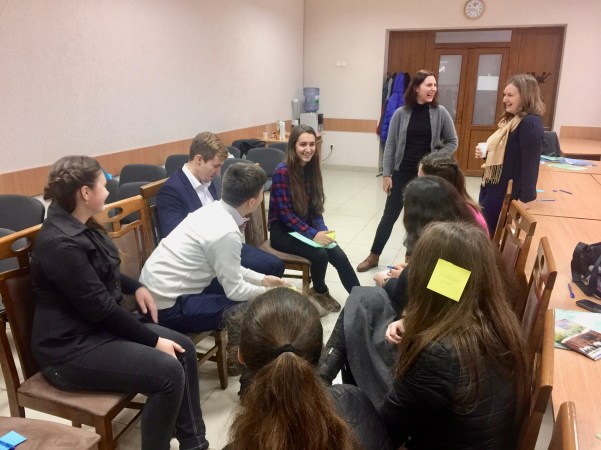
 One student described an imaginary murder. Another imagined a fight in a local store. Others chose more peaceful or funny scenarios. All did a great job of answering the 5 W’s, which are care, ce, unde, cand and de ce in Romanian, plus cum for “how.”




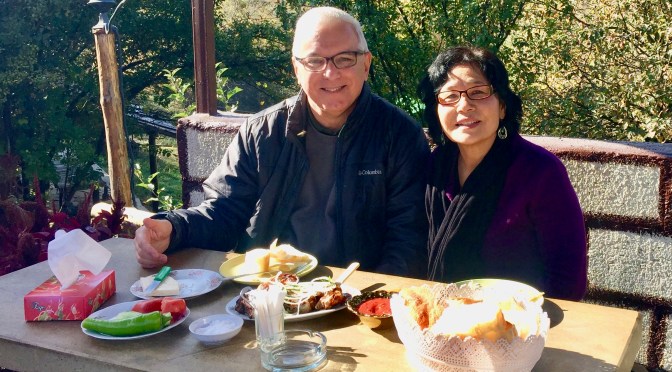


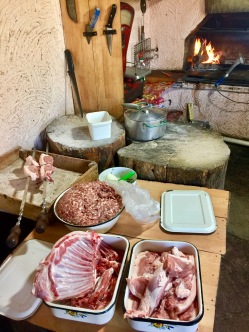 Then, as the meat sizzled, he sliced bread, tomatoes, onions and cheese onto a plate and took them outside to a wooden table, where he invited us to sit.


 "Not Exactly Retired"