

Yesterday we returned to our Peace Corps workplaces and learned, after more than five years, that our impact has endured more than we’d realized.
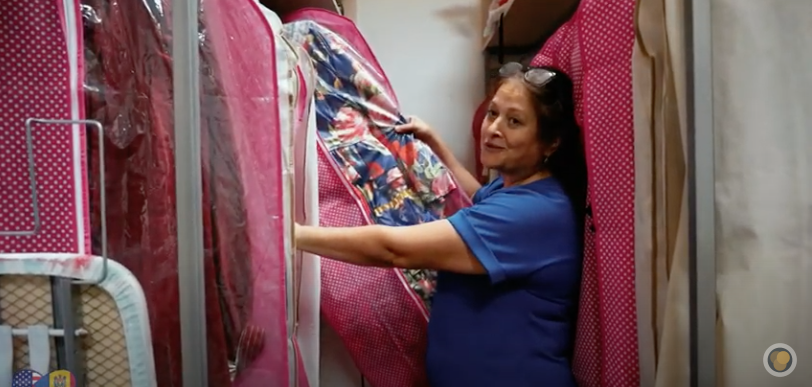
Champa’s big project as a Volunteer was to help her school’s drama program create a magnificent wardrobe of costumes and props, which were unveiled in a colorful public ceremony in 2018 (see video).

When we returned to the school yesterday, current students greeted us wearing some of the same costumes — Romeo, Juliet, a king and more. The school has been using them regularly and added to the collection.

Champa stopped by an English class and reunited with some of her old students.

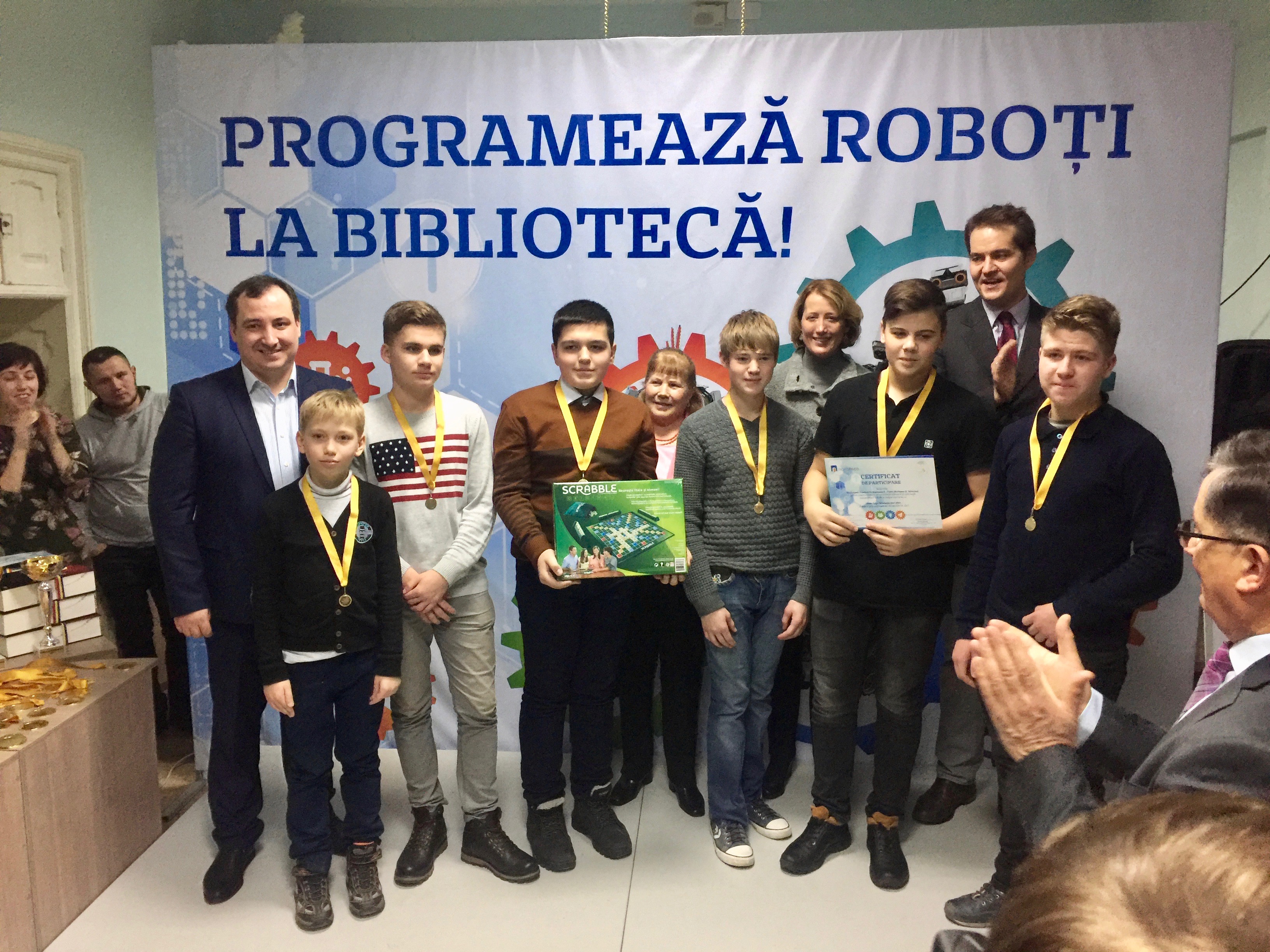
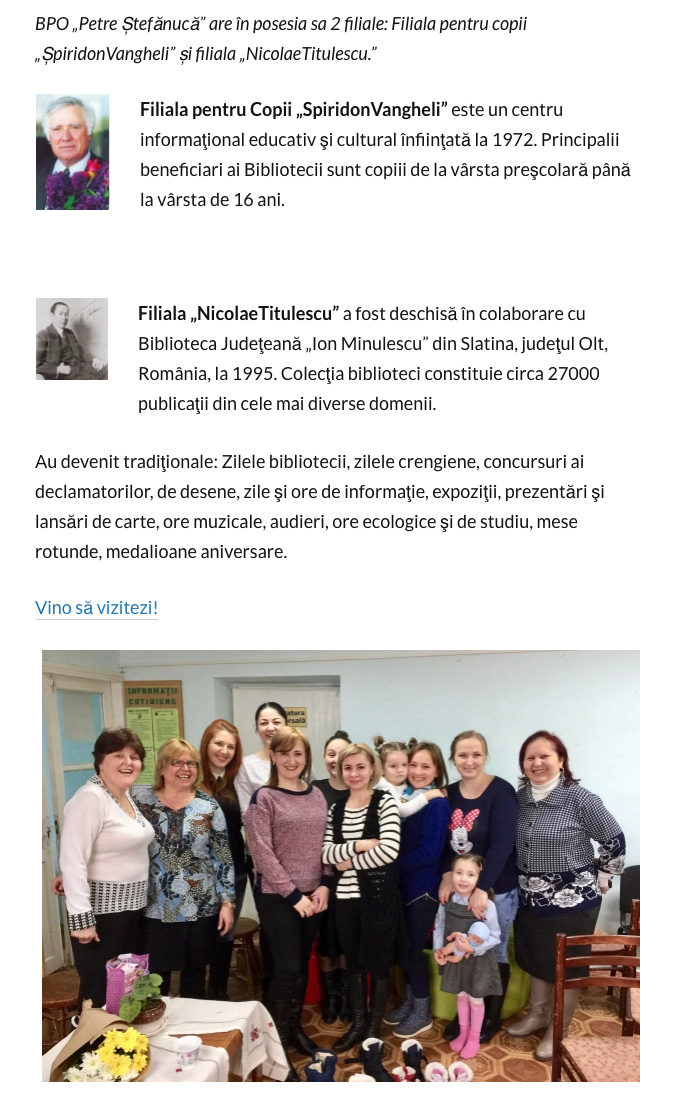
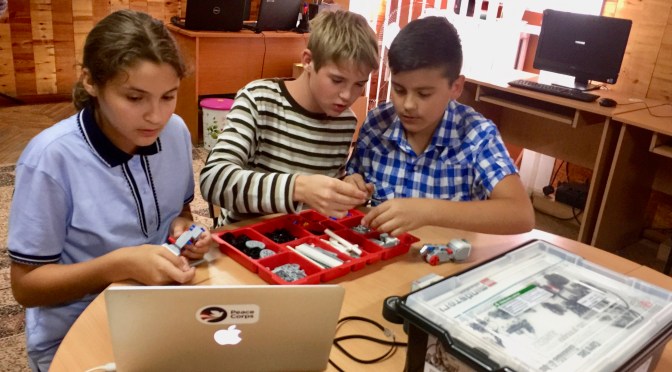
Earlier we visited the library where I worked. The librarians proudly showed us a trophy room they’ve created to display all of the awards won by the robotics team I helped to establish with Lidia Rusu (above).
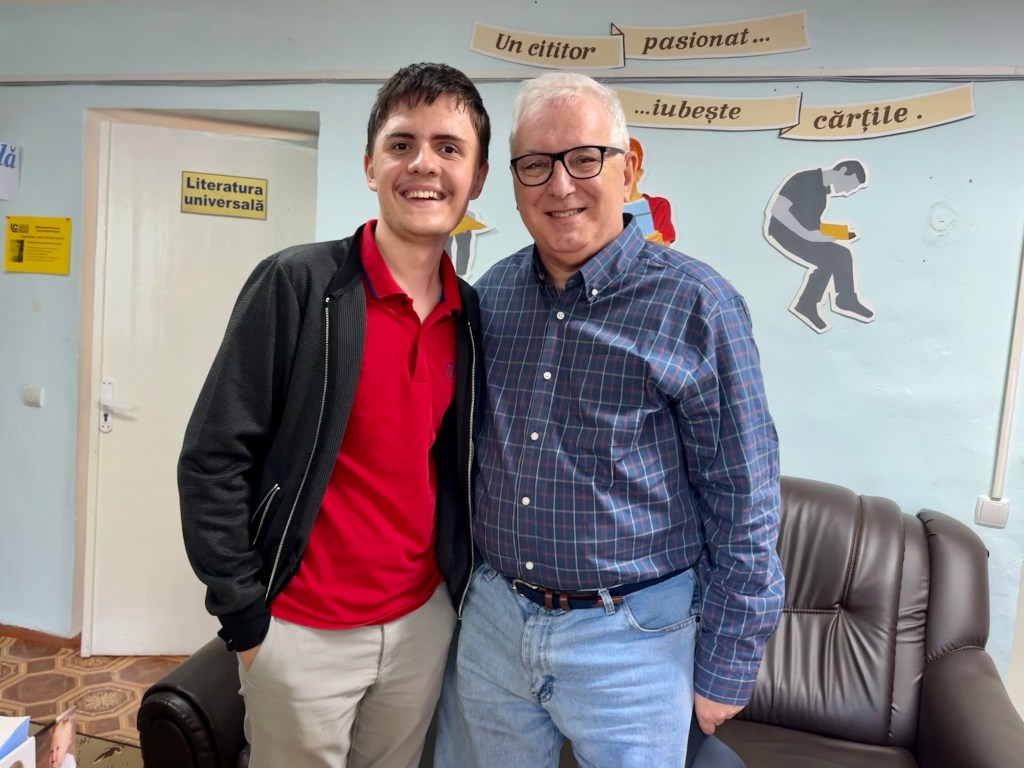
One of my younger robotics students, Alexandru, dropped by to thank us, too. He is now a high school senior, serving as a community youth leader.
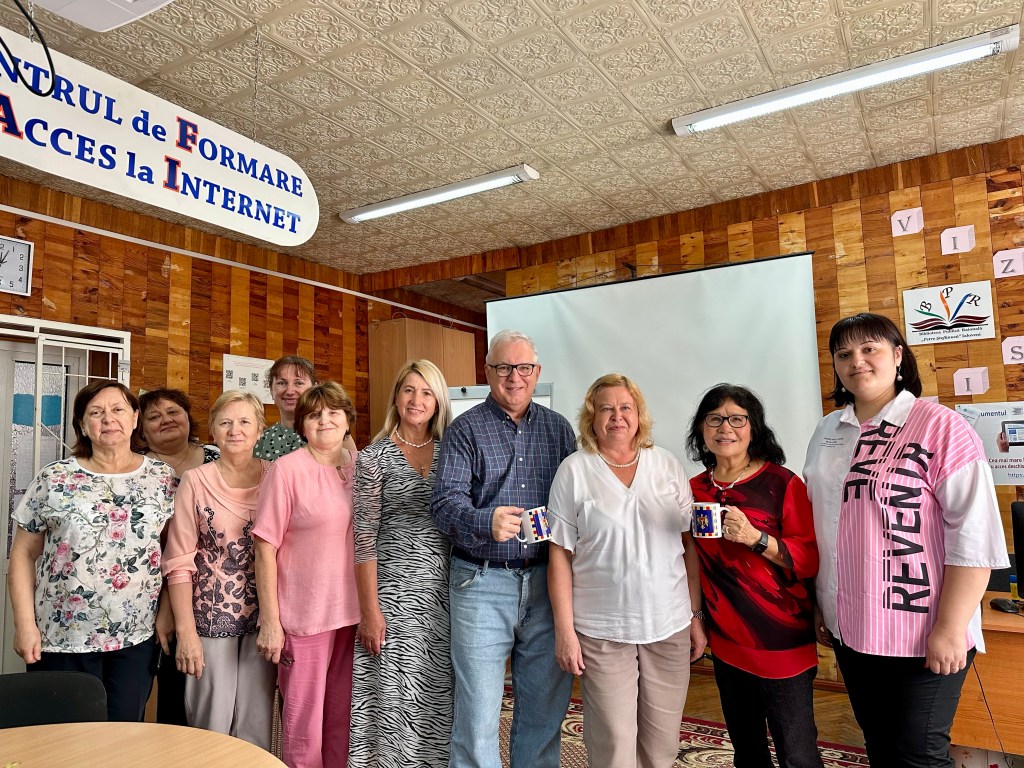
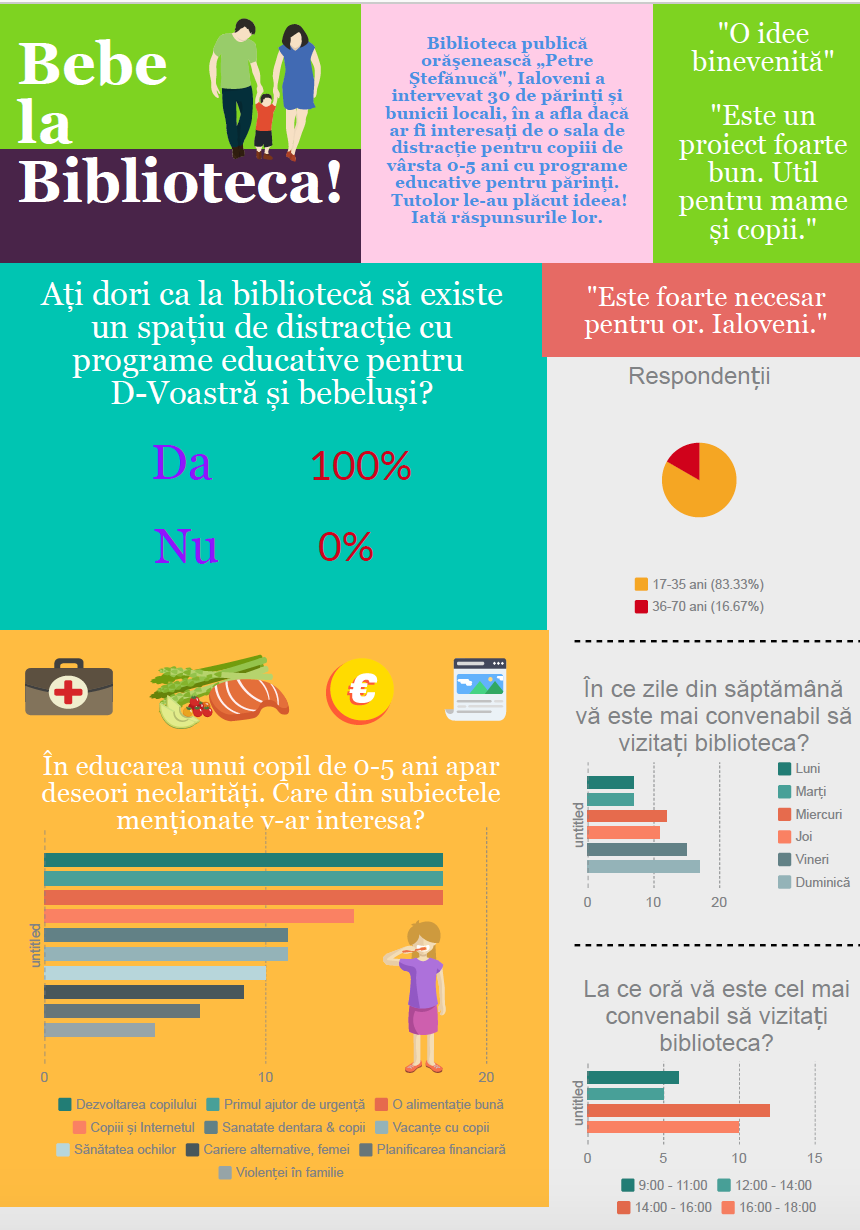
Valentina Plamadeala, the library director, in white blouse, hosted a champagne reception for us (at noon; I love Moldova). She posted on Facebook a list of the many projects we did together, several of which are still thriving, notably the Bebeteca room we created for local moms (see video.)
Our reunions in Ialoveni, the small city near Moldova’s capital where we served from 2016-18, were intensely emotional. We were moved to see how we’d touched people’s lives.

At Champa’s school, one of her fellow English teachers, Elena Antociuc, read a certificate saying, “We sincerely appreciate the time you spent guiding us to new perspectives by collaborating with us in search for the best solutions.”

The certificate concluded: “We’re proud to be part of your international family.”
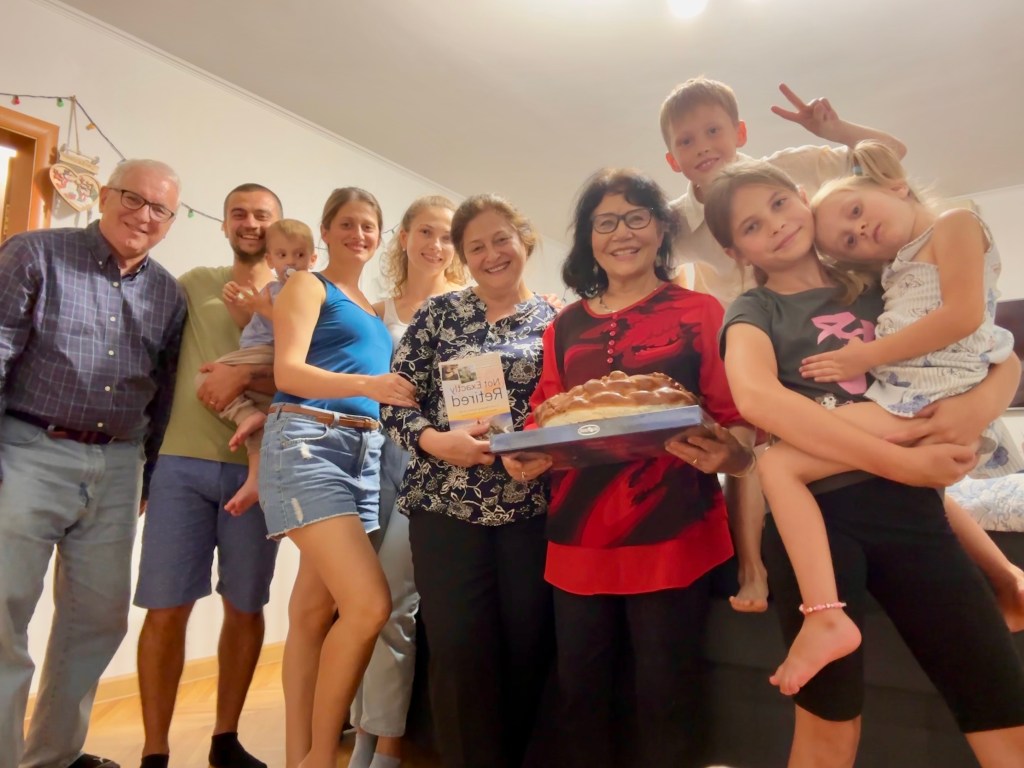
Ialoveni, we’re even prouder to be part of your family, now and forever. As we told Champa’s costume collaborator Ana Doschinescu, at a dinner her beautiful family hosted for us, our lives are so much richer because of all of you. Thank you for keeping us in your hearts.




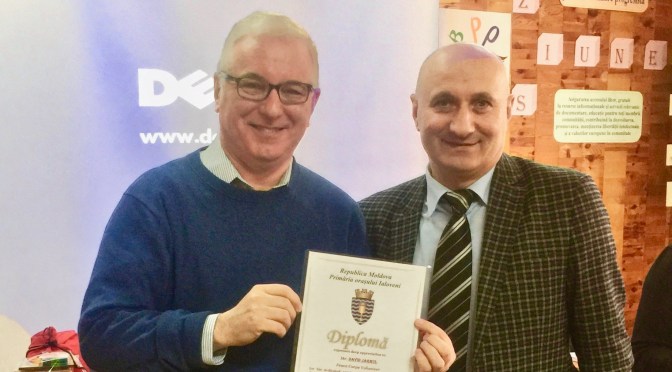
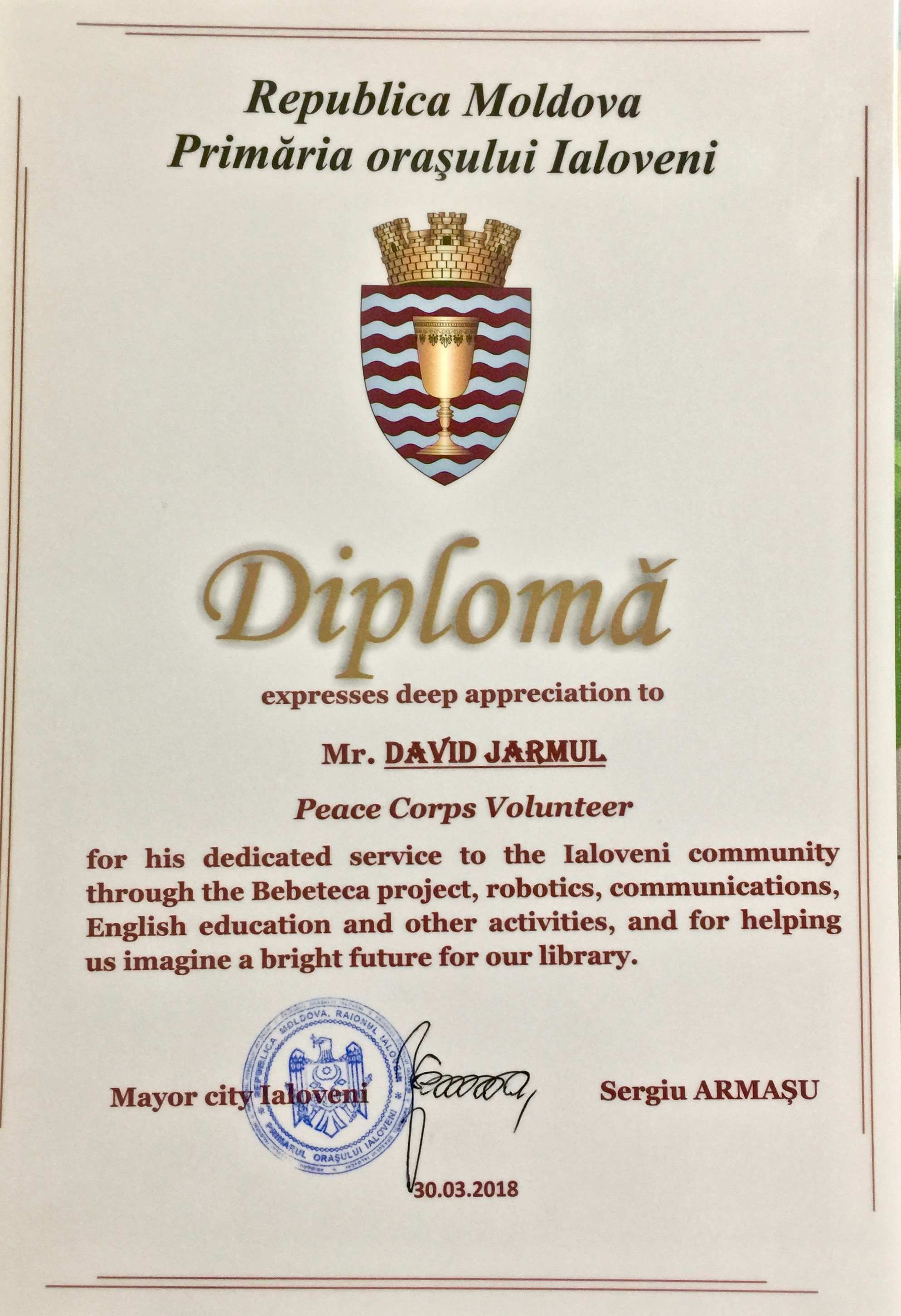
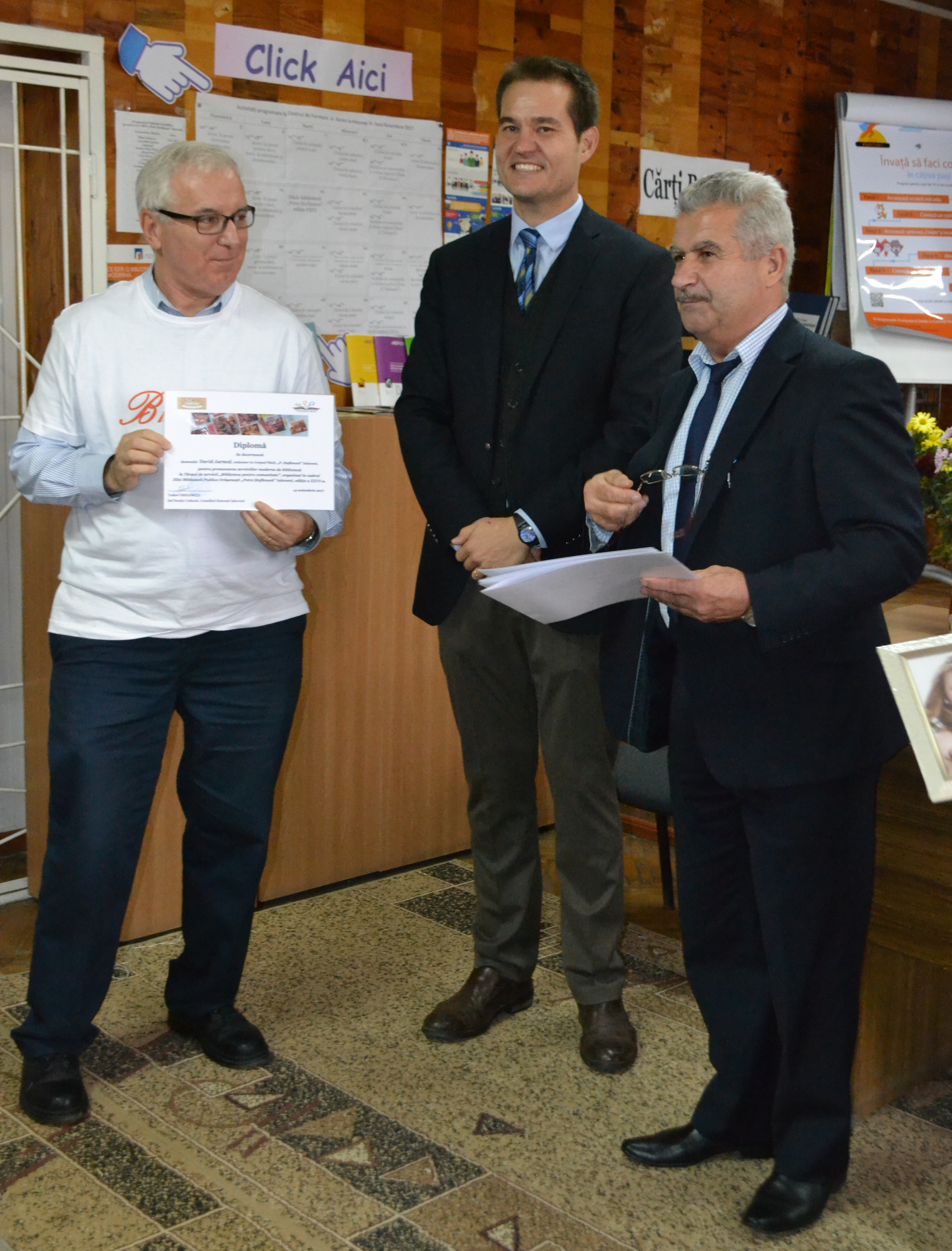
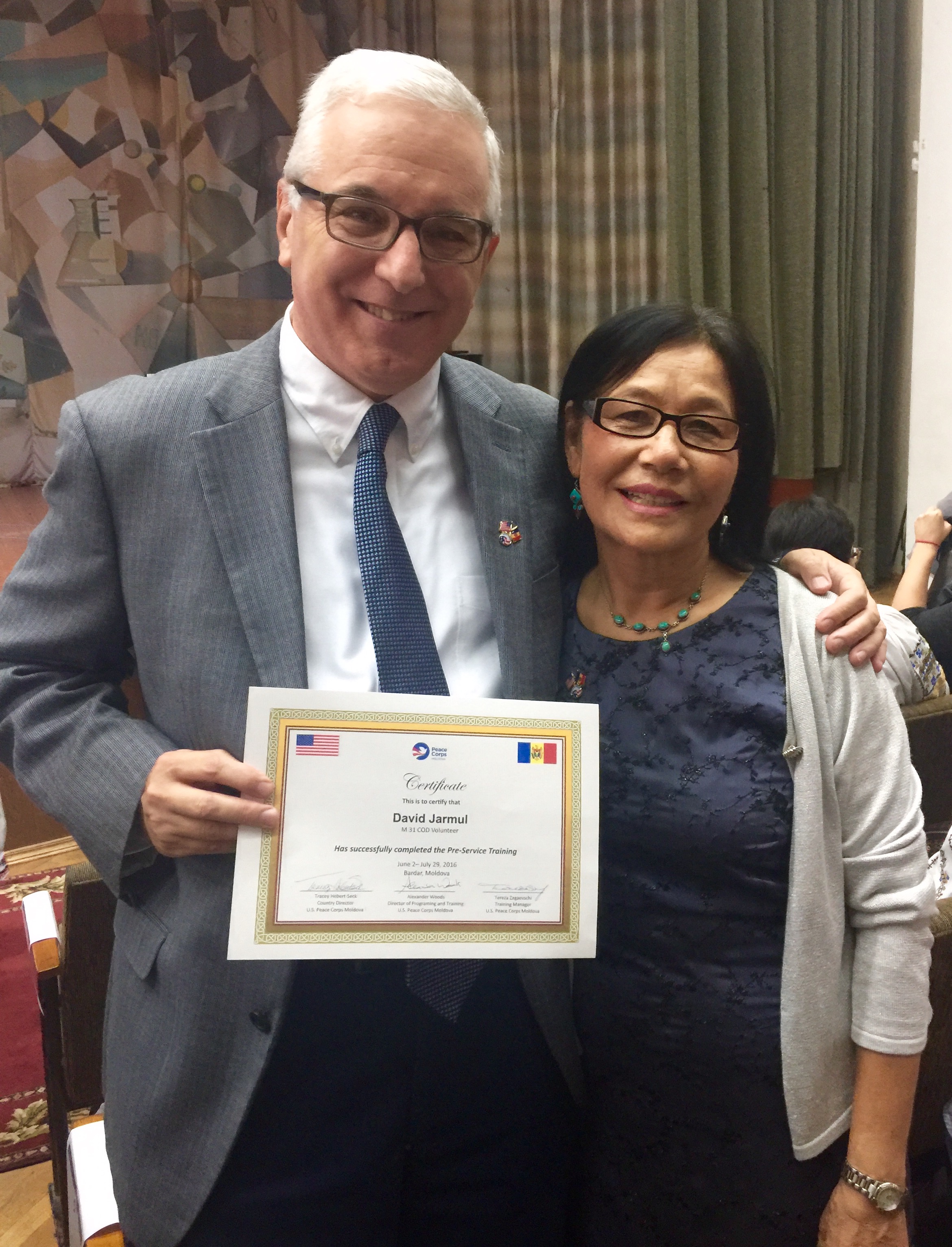 Certificates and diplomas are a big deal here in Moldova. They are awarded at sporting competitions, school ceremonies and other events. A certificate typically includes the official stamp of the organization and may be laminated.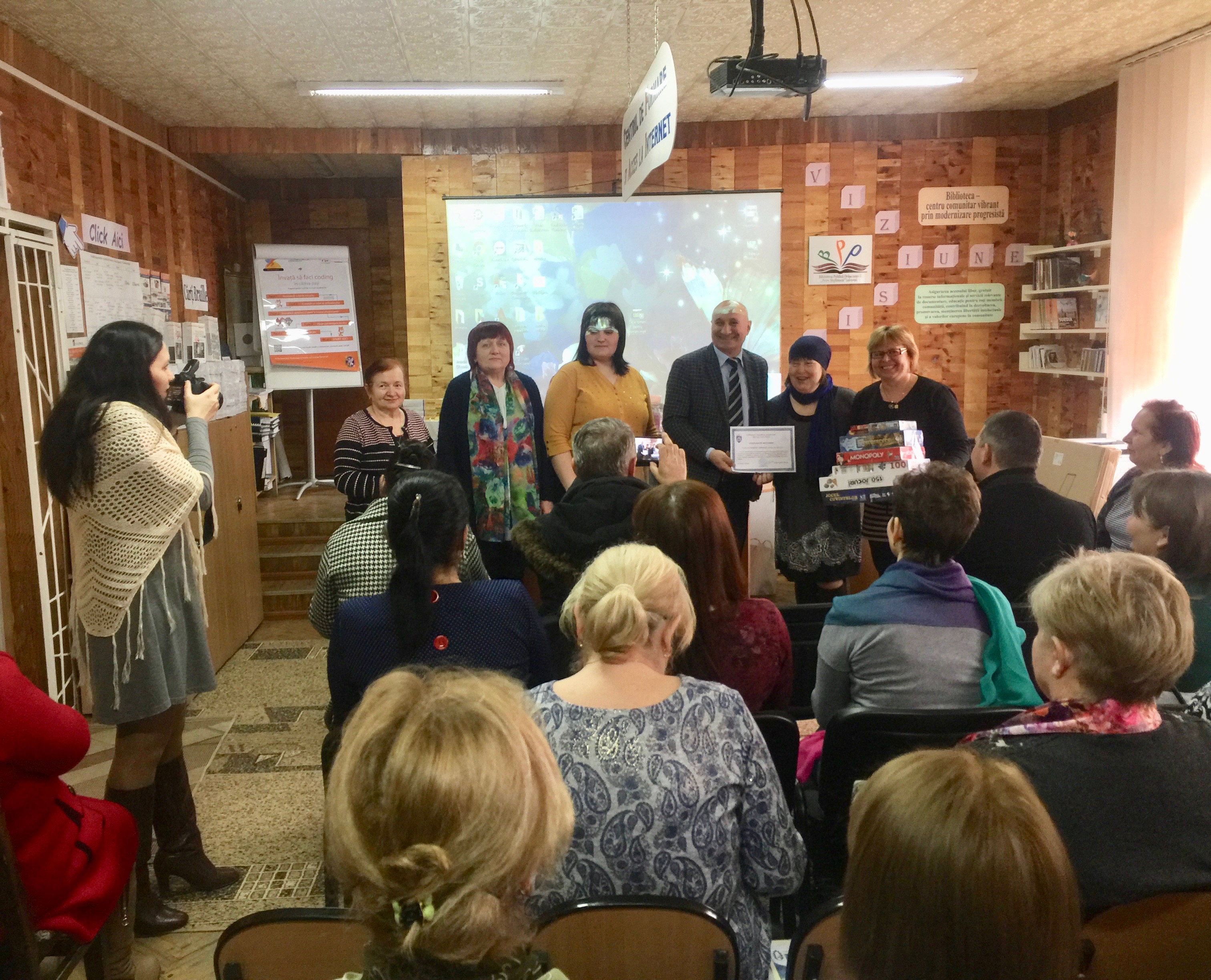
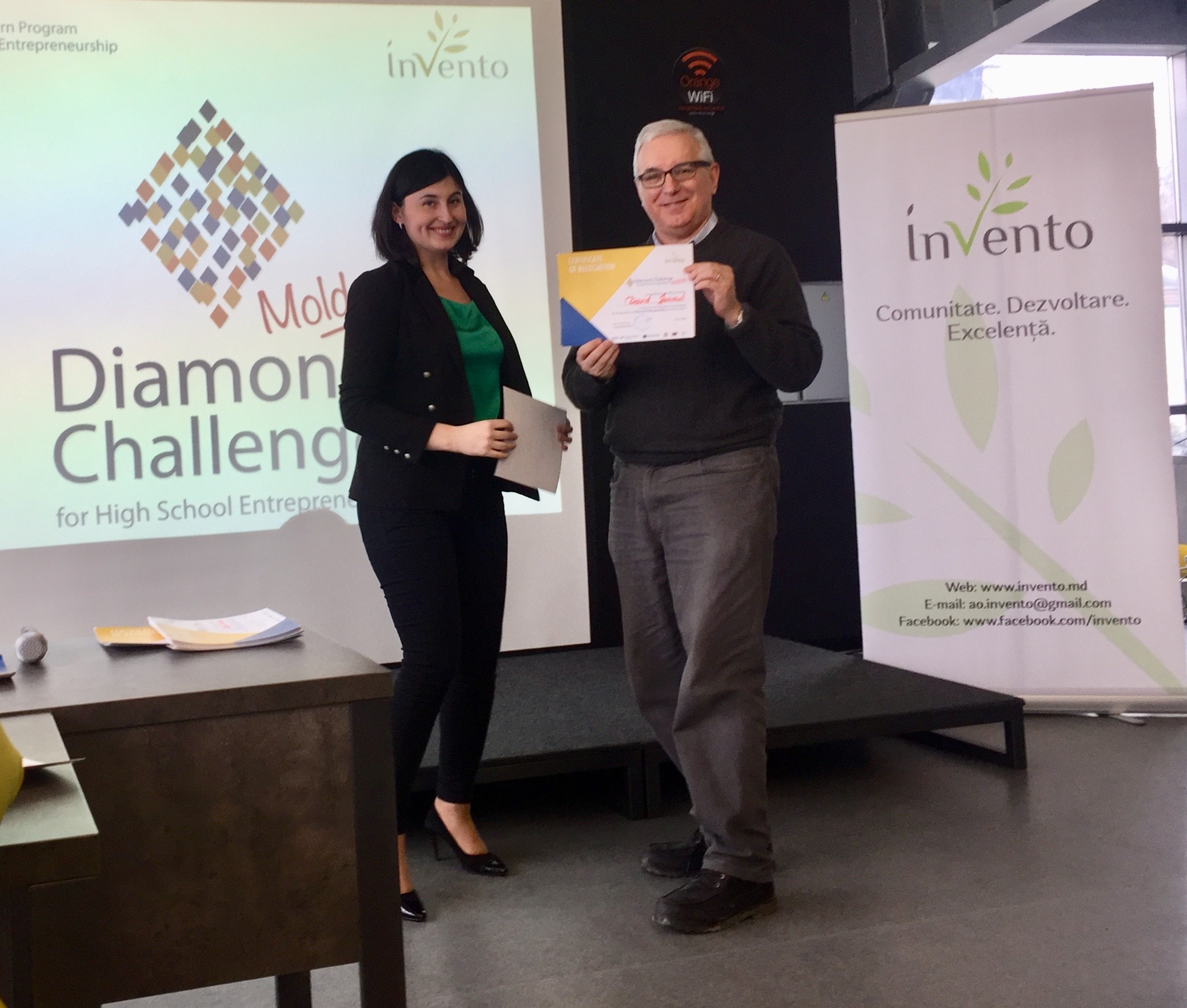 In other words, as the walls of many American doctors’ offices make clear, our traditions are similar in many ways. Here in Moldova, though, certificates are way more popular, not to mention cheaper, than sports trophies. Kids here sometimes also receive medals, like the boys on our robotics team shown below.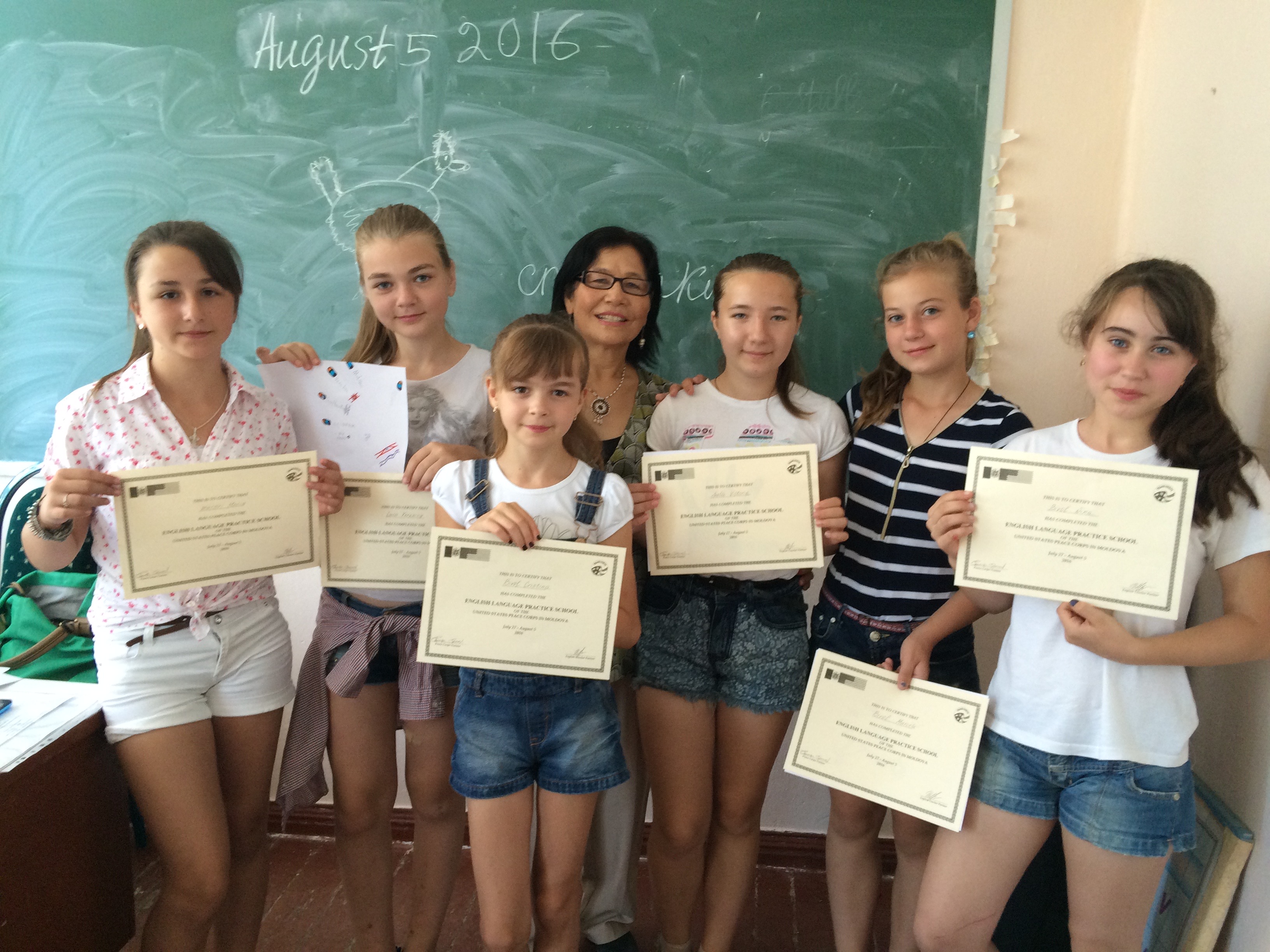
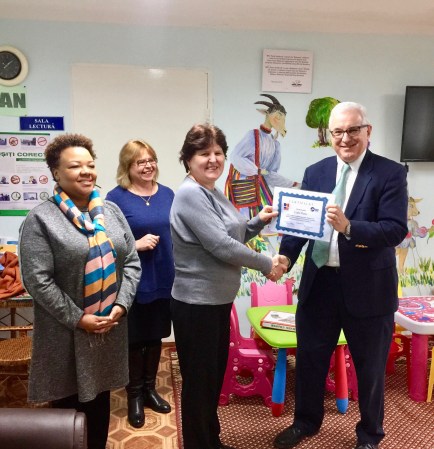 Certificate ceremonies in Moldova are usually filled with pride and appreciation. The speeches are heartfelt, the smiles are genuine and the certificates themselves are lovely. The moment is always captured with a poza — a pose for the camera.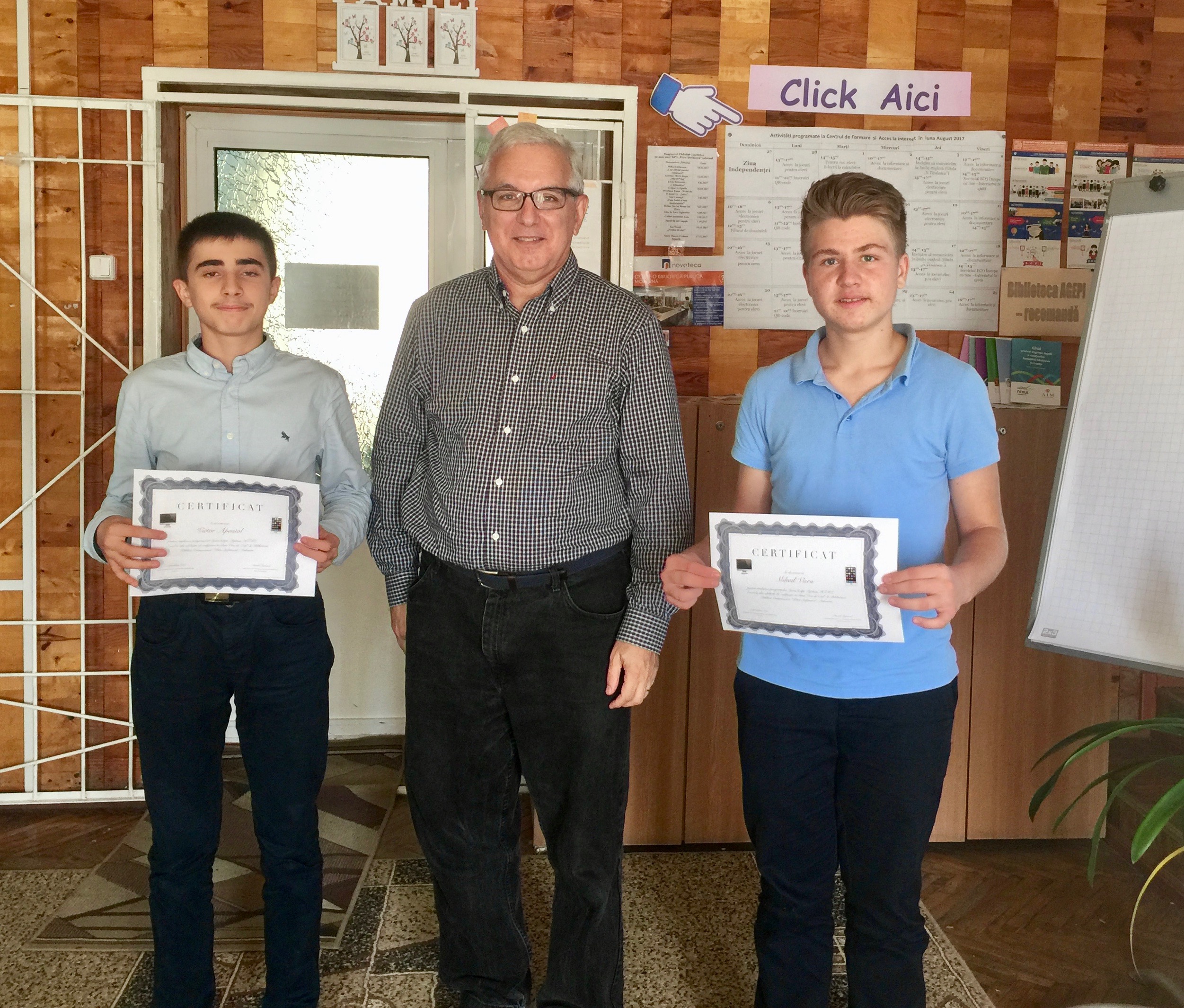

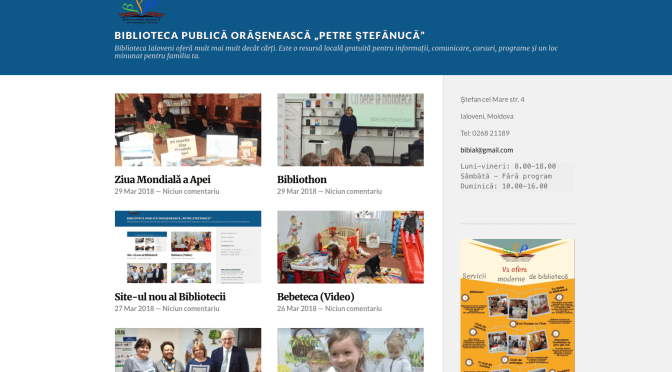
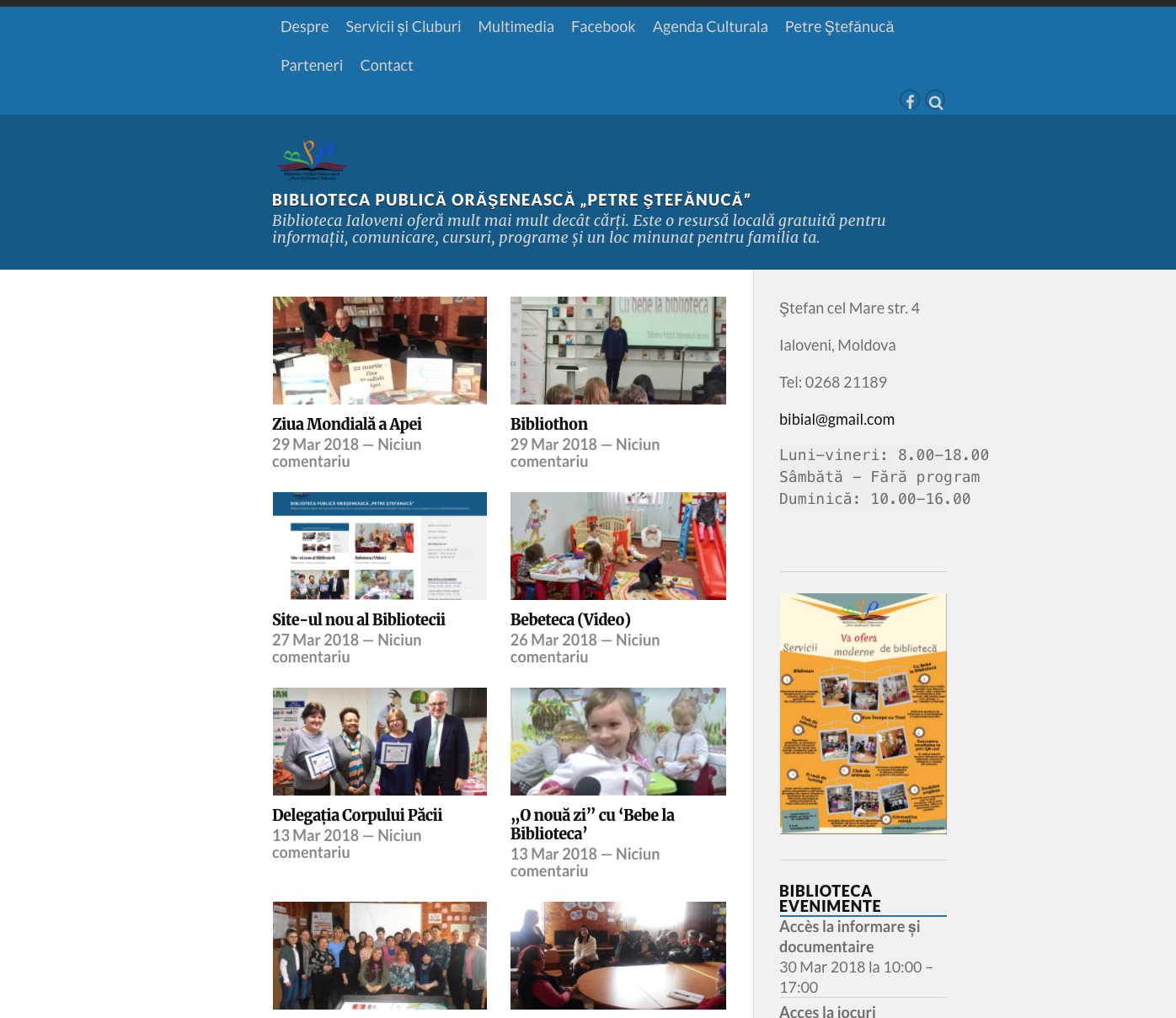
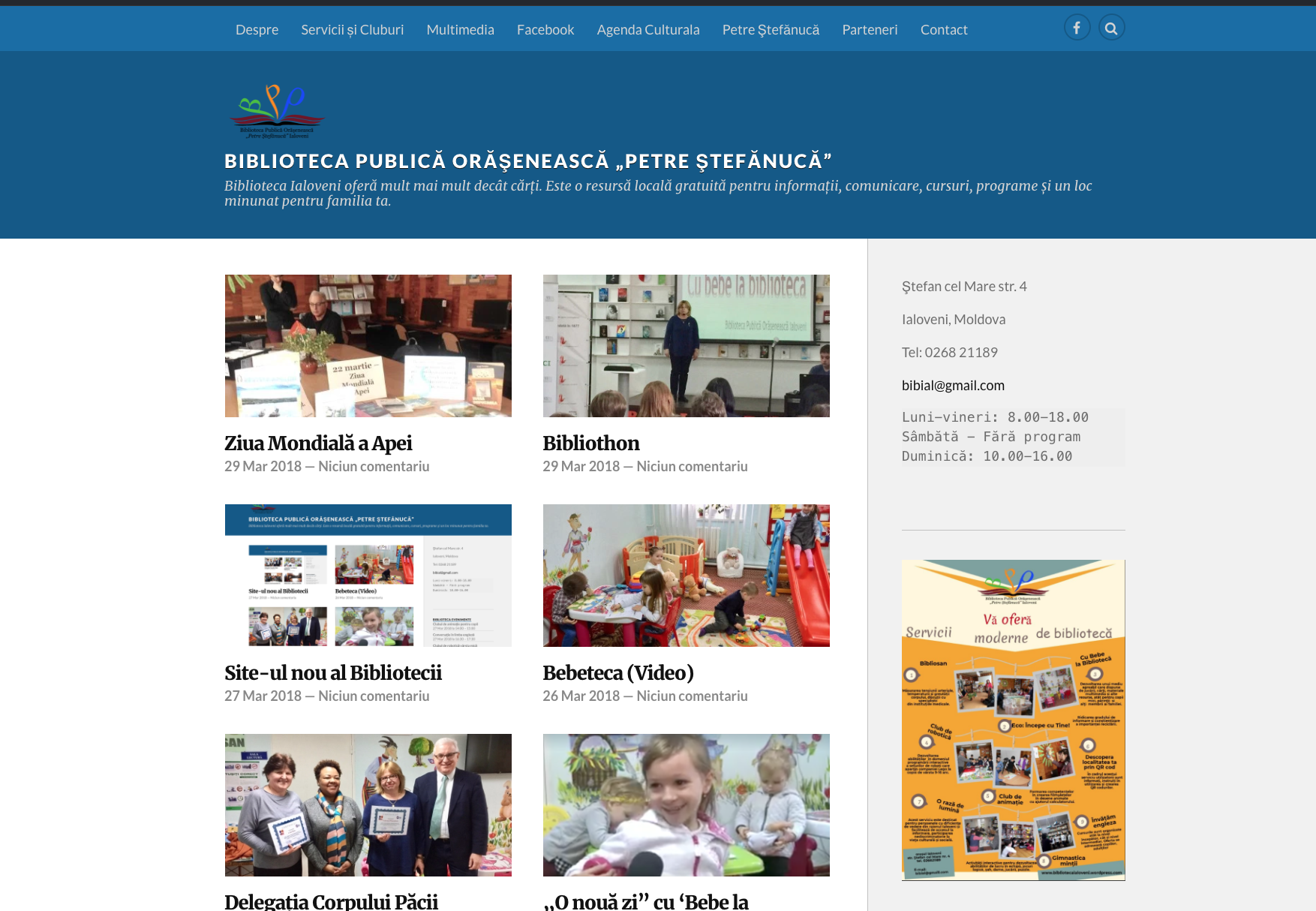
 The new site features the library’s many new services, such as its clubs for robotics and film animation, and its “Bebeteca” room for kids and families. It highlights a library blog that previously existed on a separate site and was often overlooked. There’s an automated calendar that lists upcoming events.
 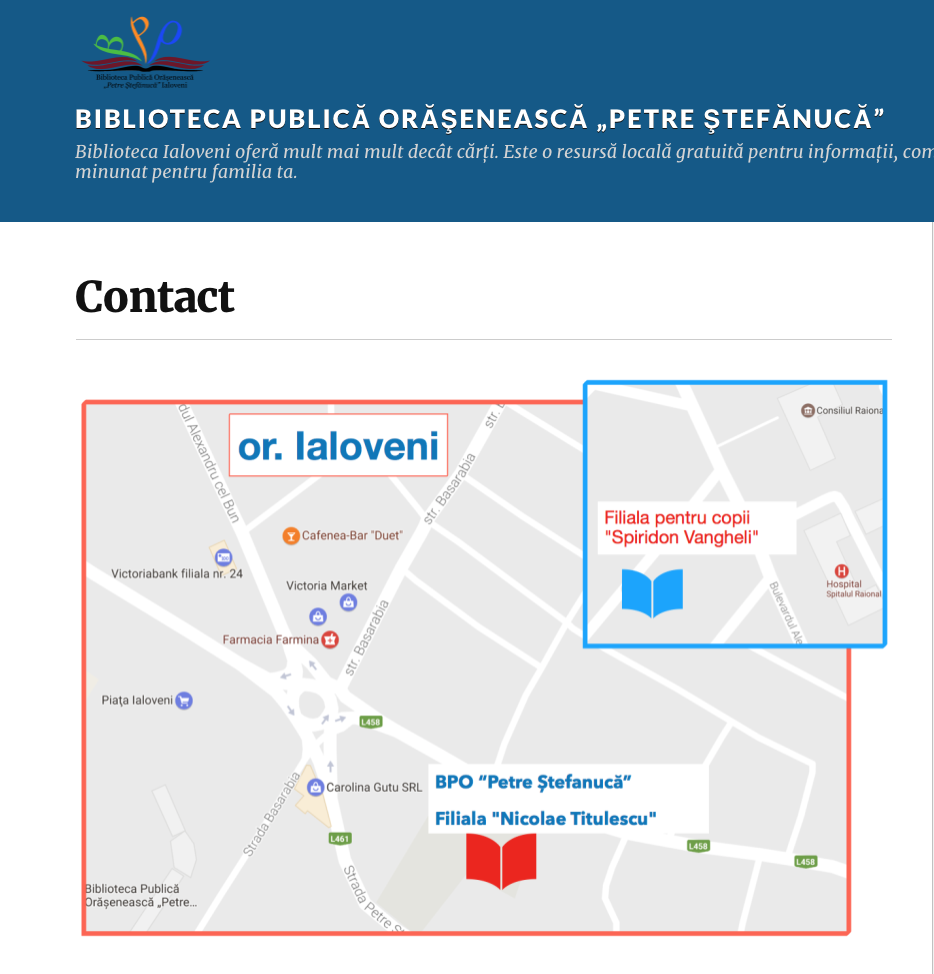 A map provides directions. An online exhibit offers a video, photo exhibits and historical information about the library’s namesake, folklorist Petre Ștefănucă. A multimedia section shows YouTube videos about the library. Another section provides the annual work plans for the main library and its two branches.




 Some accounts say he wrote the famous aphorism: Give a man a fish, and you feed him for a day. Teach a man to fish, and you feed him for a lifetime.
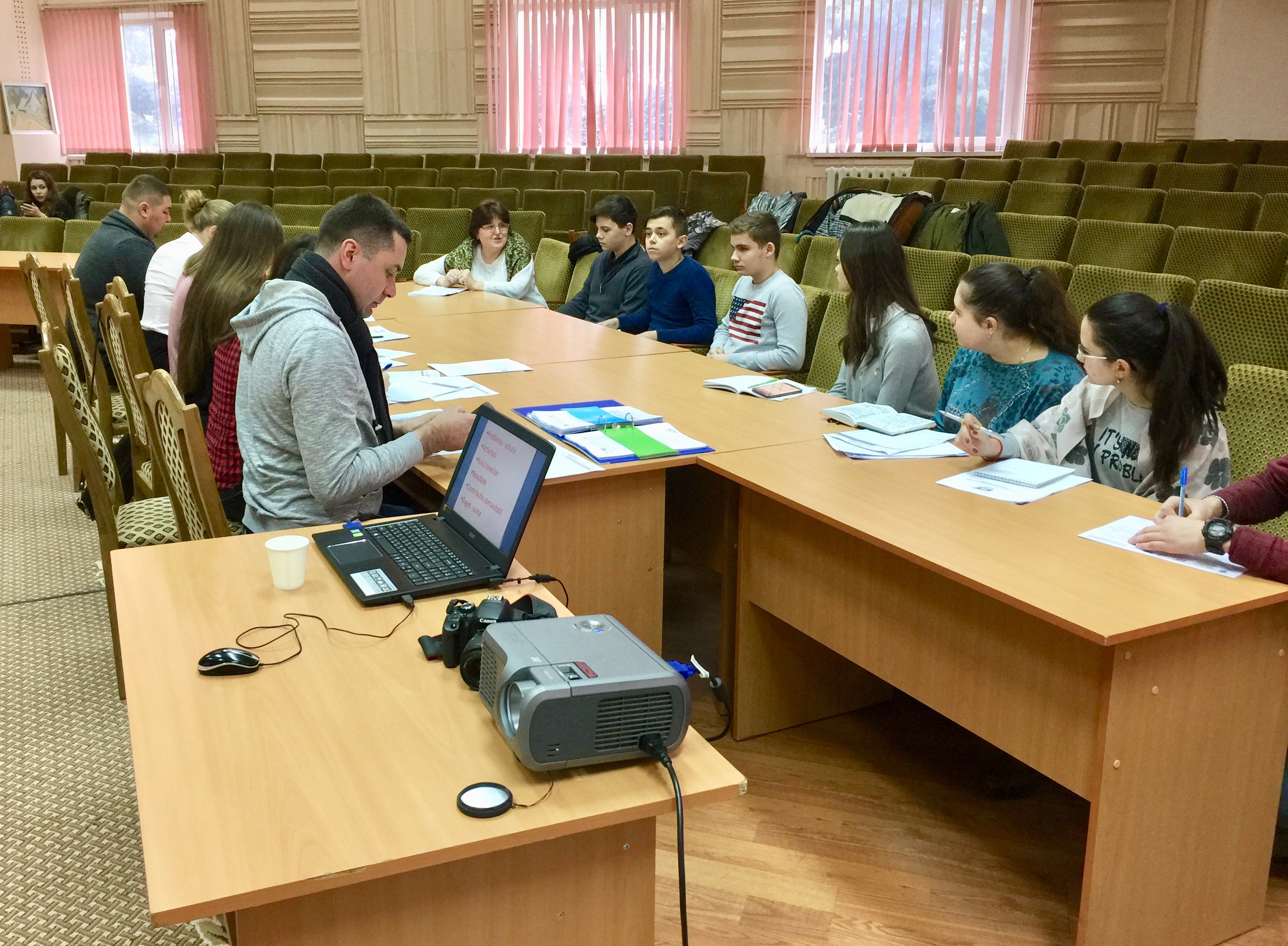
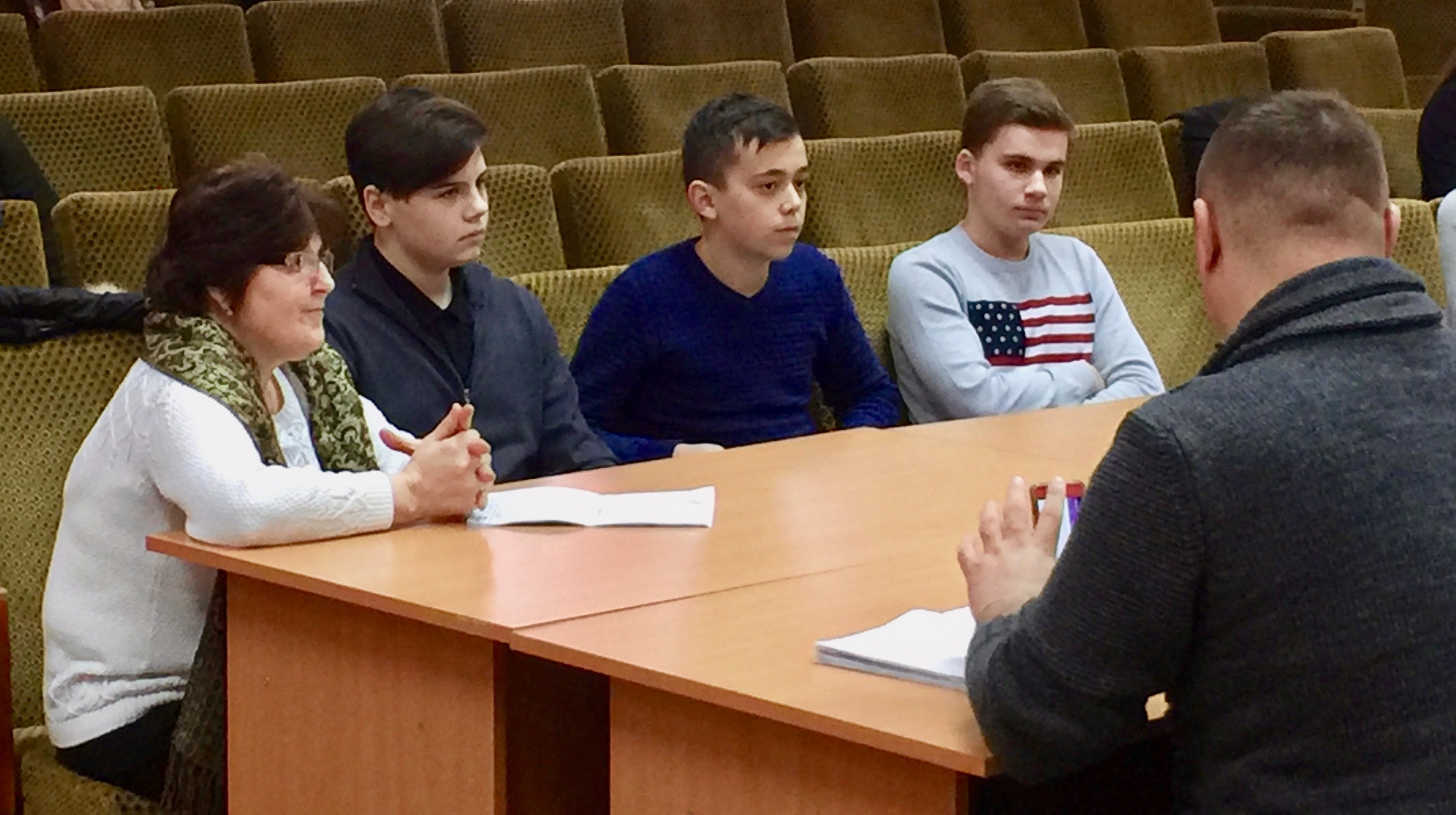
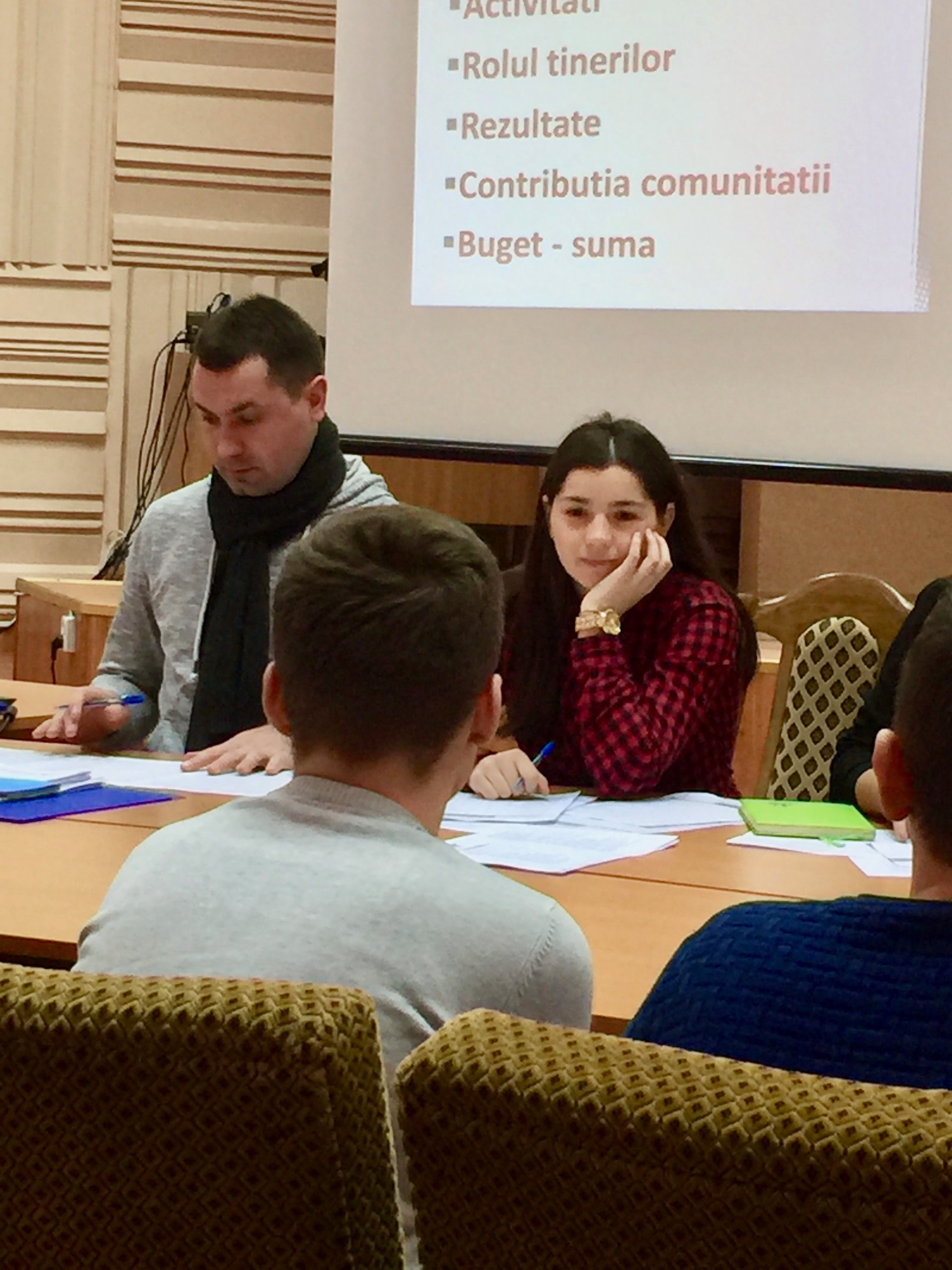 With salaries and budgets that are tiny by American standards, they look to external sources for additional support, especially for projects. Potential funders range from USAID and other agencies affiliated with foreign governments to international NGOs, local embassies and others.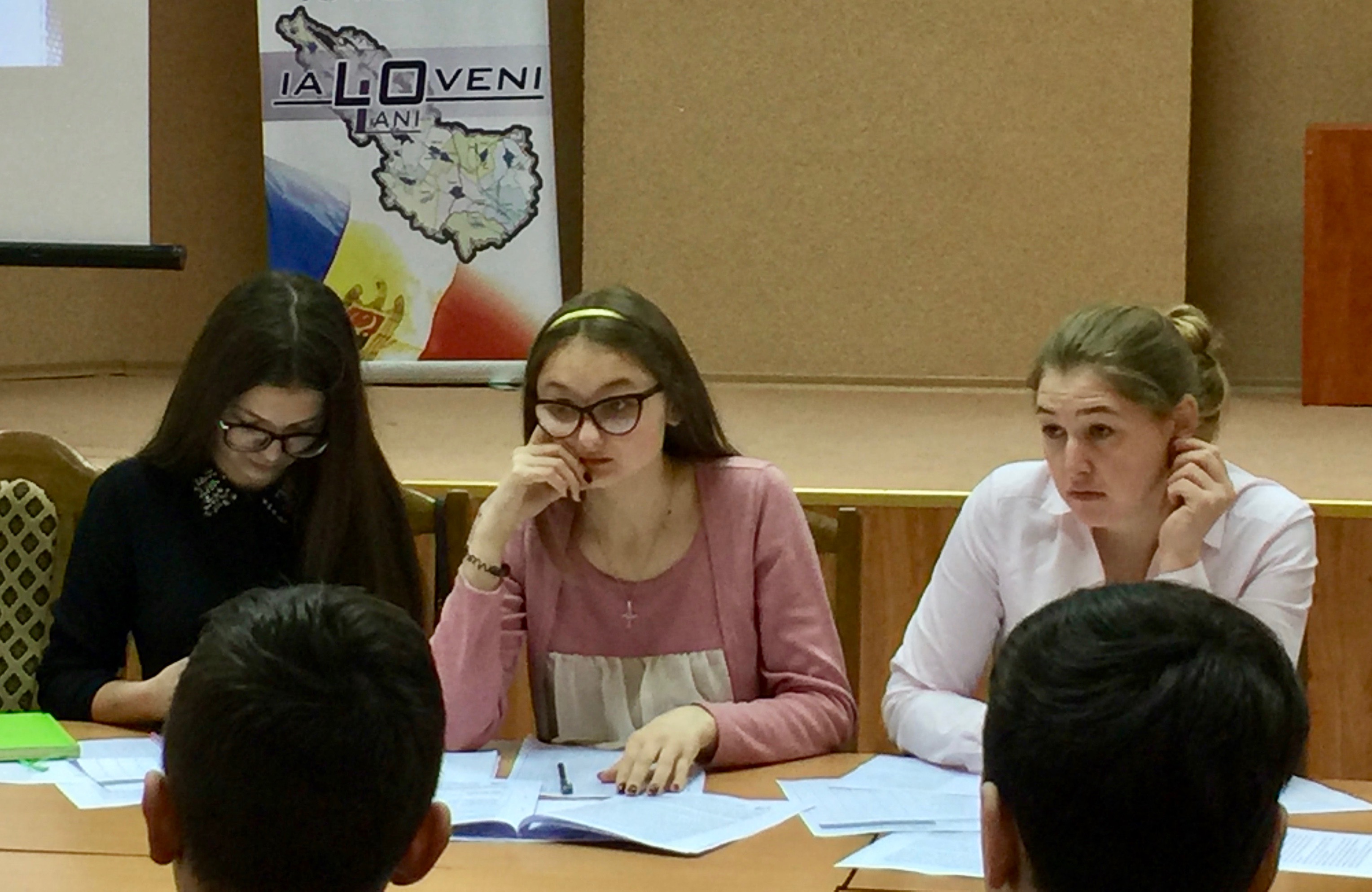


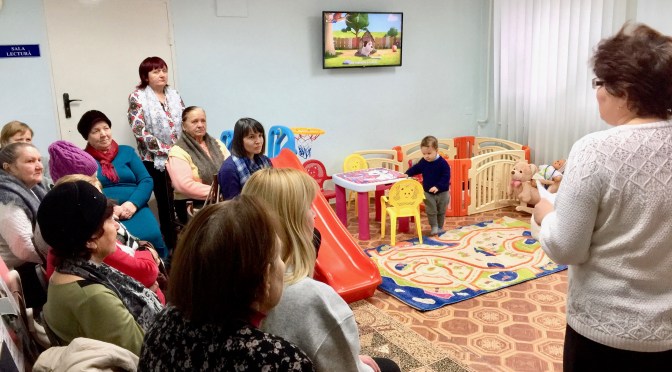
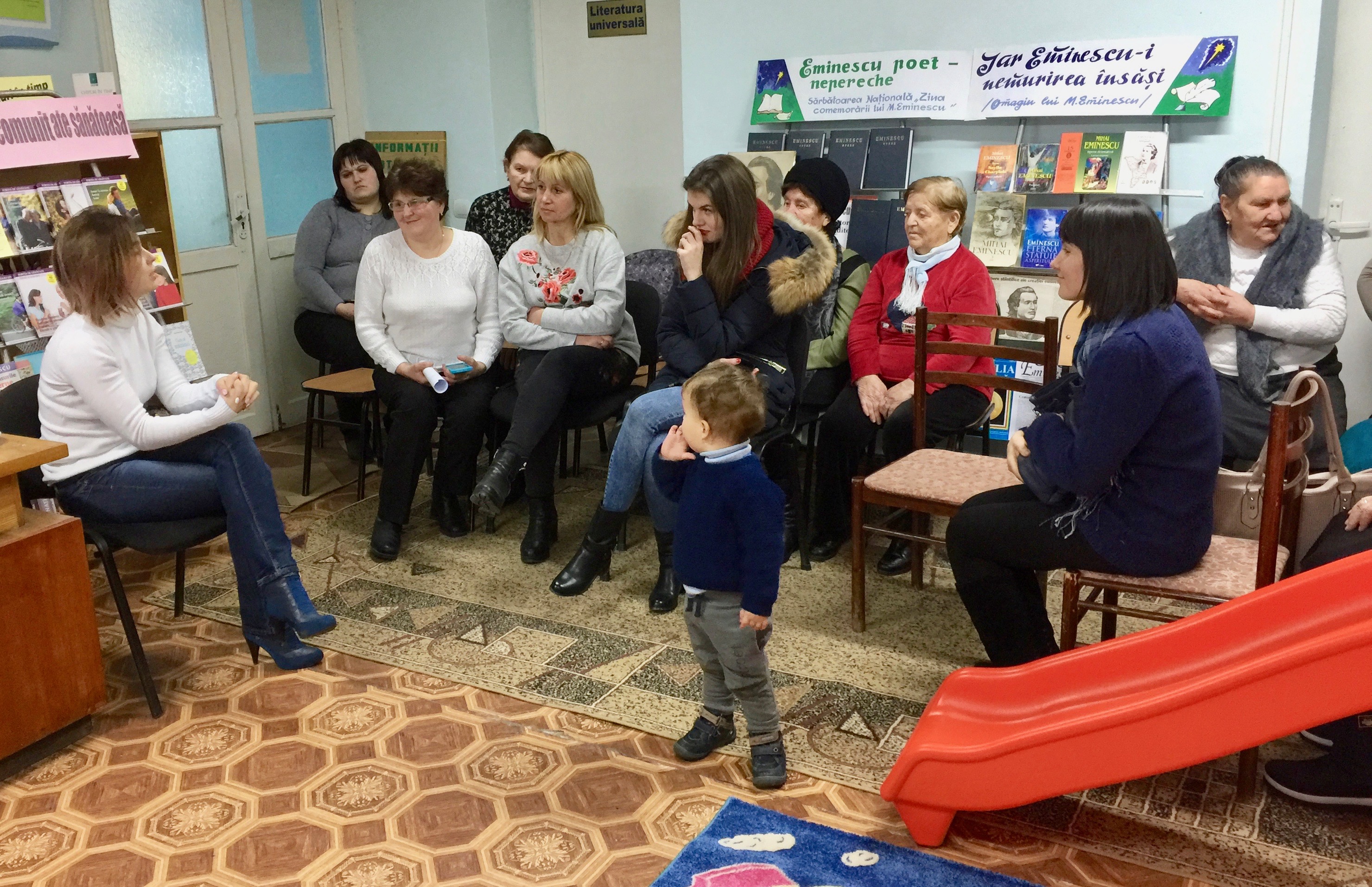


 Students from Ialoveni’s School of Art, upstairs from the library, are painting the room with an original mural featuring characters from national children’s stories.
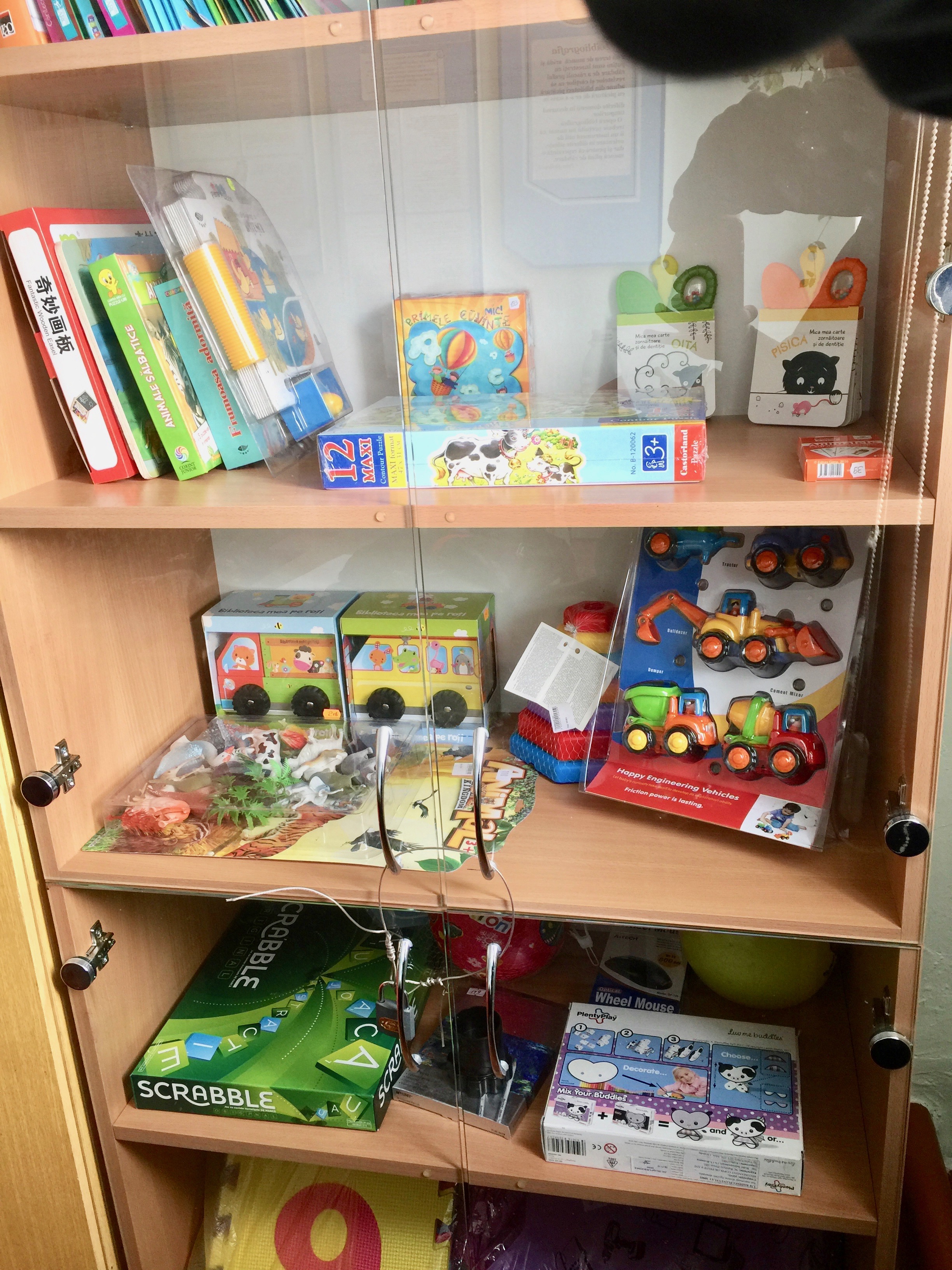 “We want to offer mothers and families the chance to meet, have fun and learn something new. We also hope they will explore the library while they’re here and borrow some books or sign up for our free programs, from learning English to making simple animated movies.”


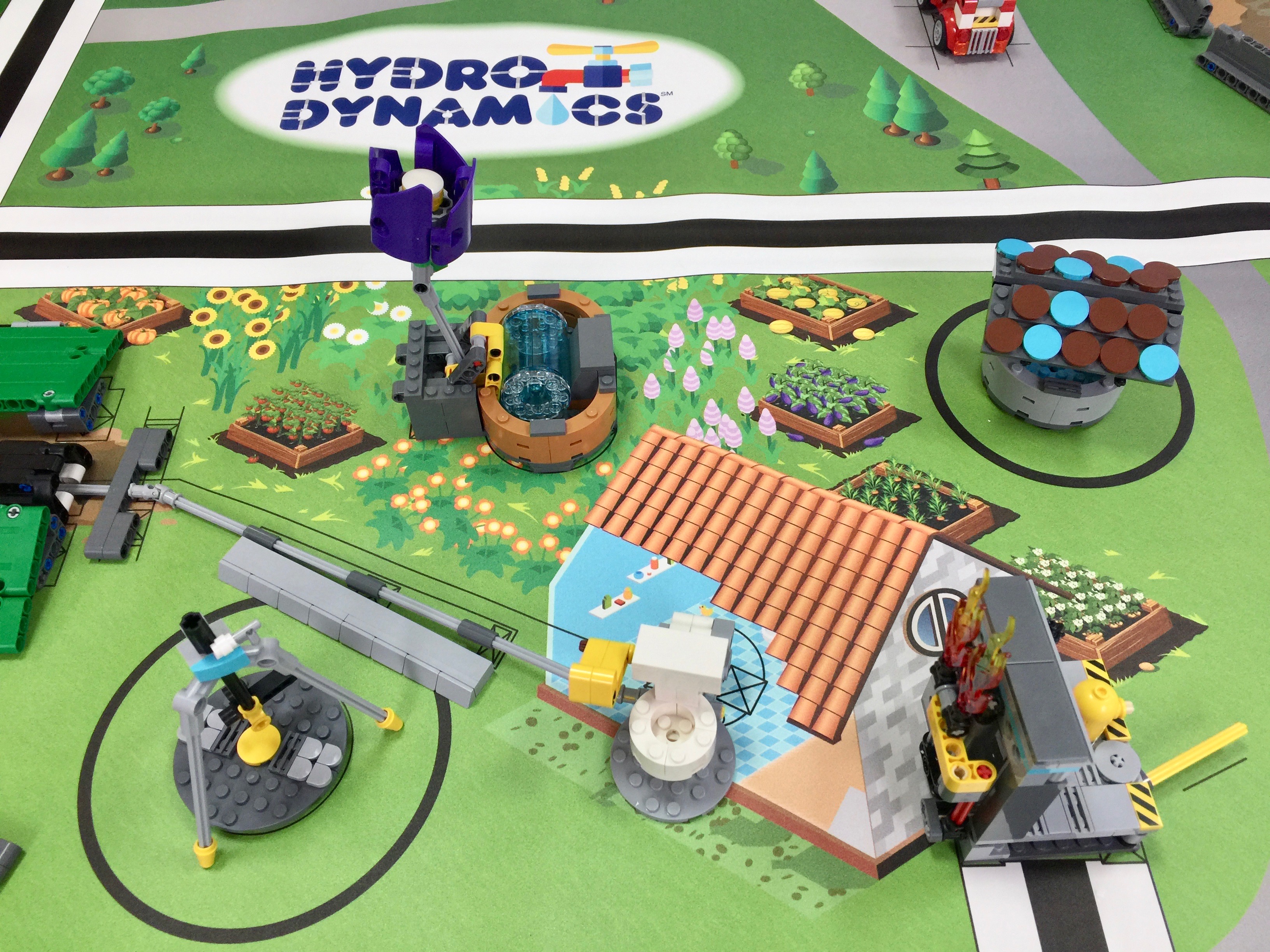
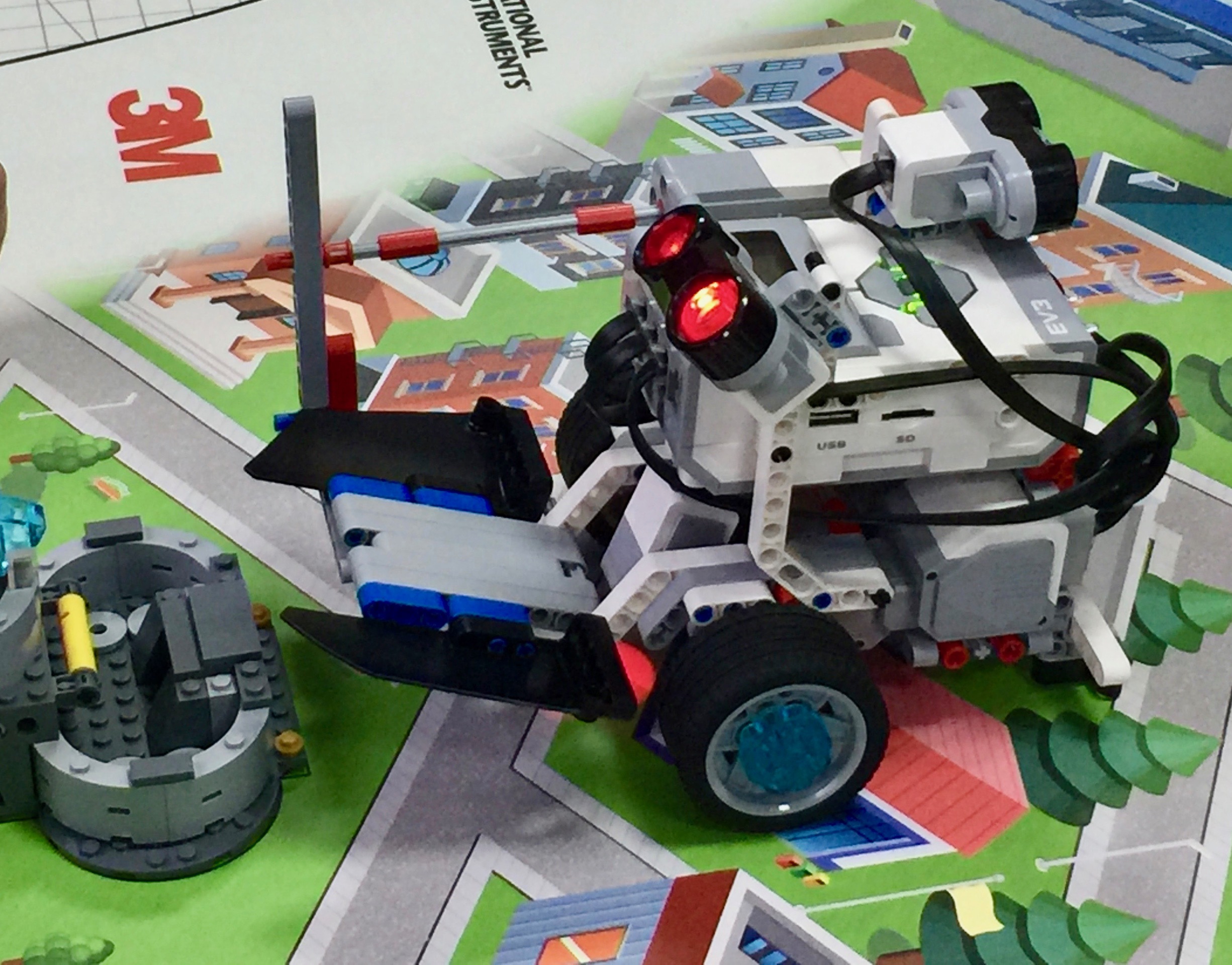
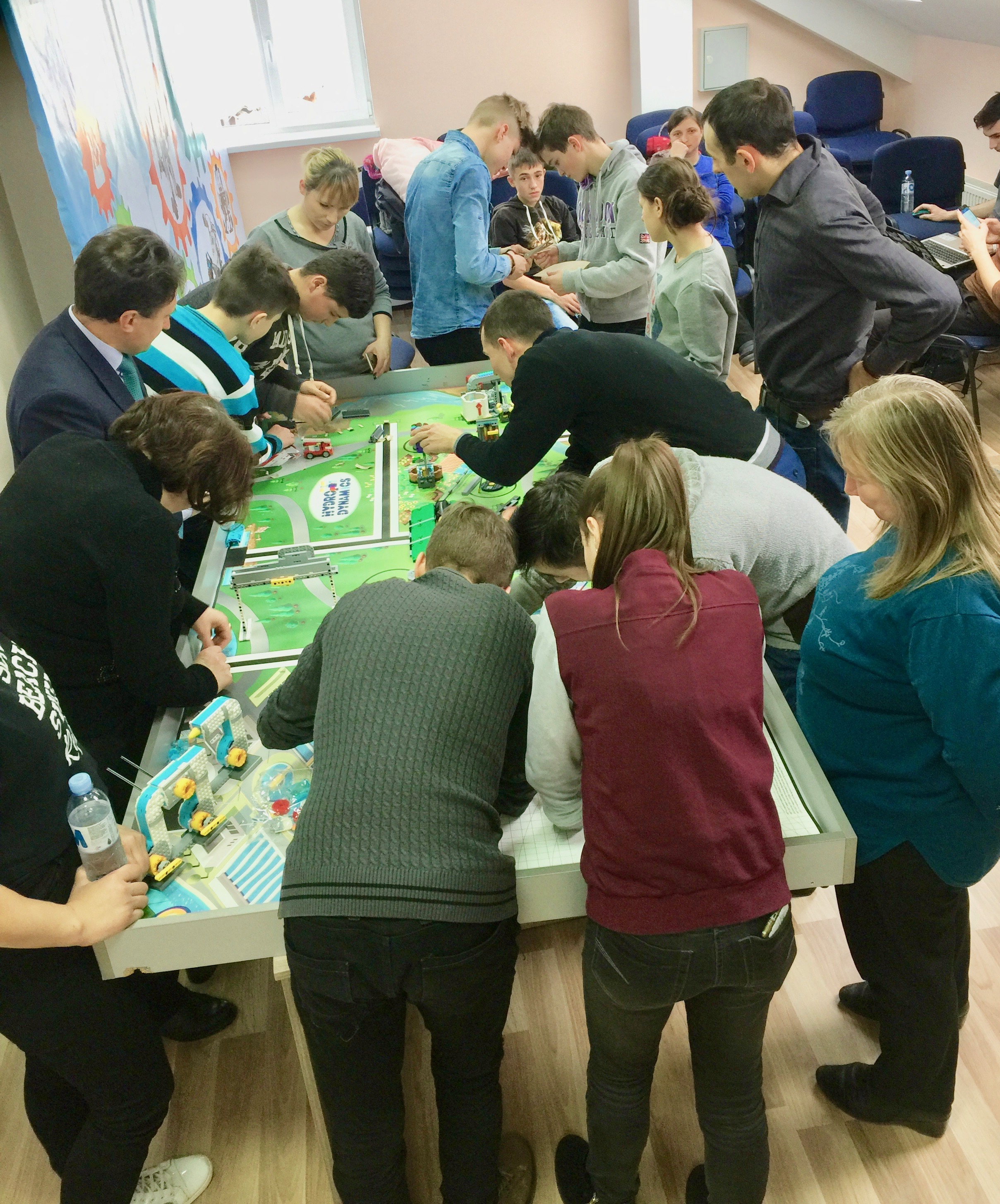 Our team will be programming robots to operate precisely on a colorful mat filled with Lego models of pipes, wells, fountains, gardens, a filtration system and other structures involving water. In one of the 18 possible missions, their robot will need to turn the handle of a faucet, releasing plastic models of water. In another, it must pull a lever that releases rain from a cloud. In others, it must place a water well near a garden, open a valve or drop water into a pot to make a flower rise.




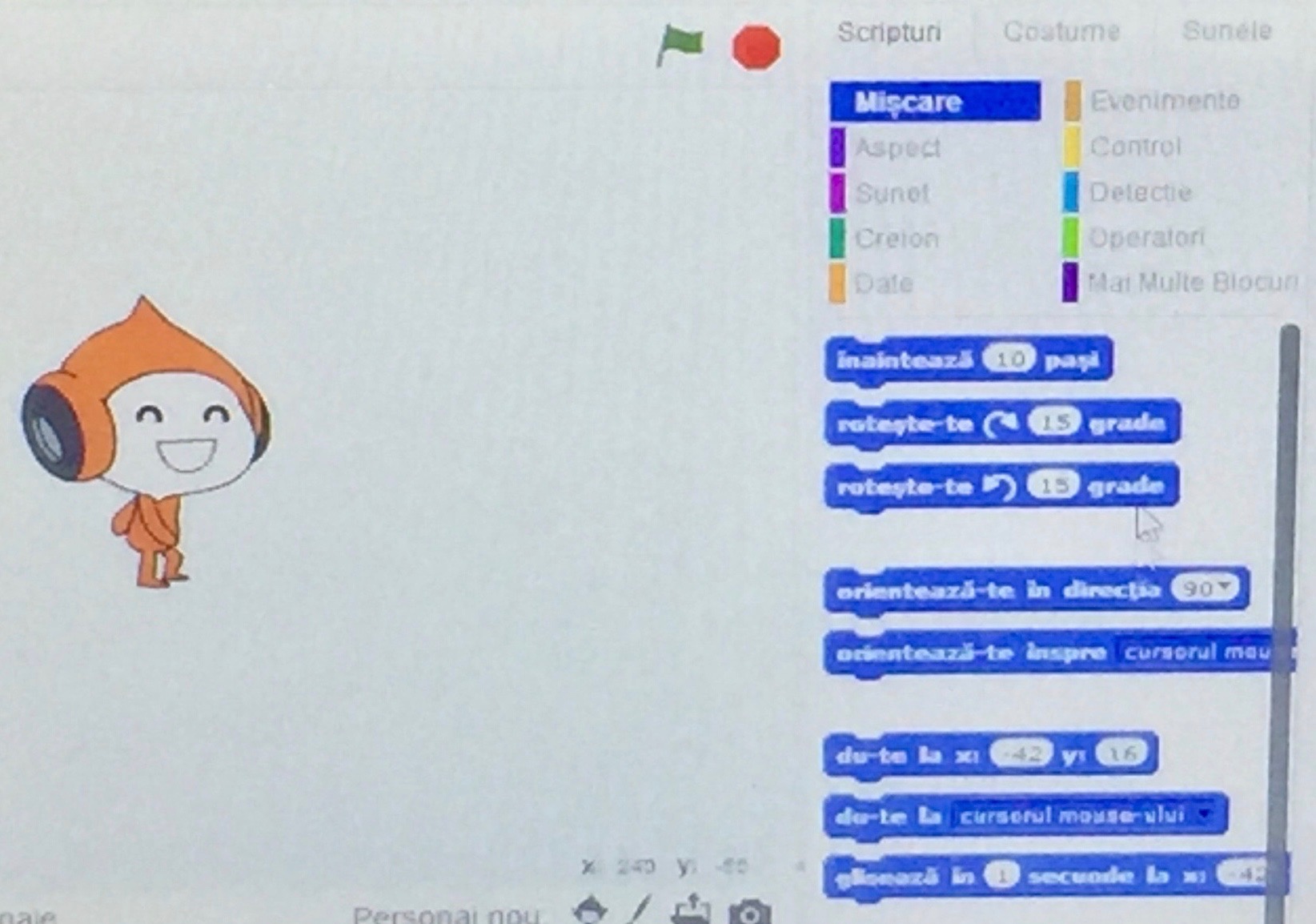 Ranging in age from 10 to 14, Ialoveni’s kids used a Romanian version of the colorful

 "Not Exactly Retired"