
What do I miss the most from my U.S. life?
That was one of the questions I received recently after inviting readers to ask me anything. It came from Lisa, a science-writer friend from Bethesda, Md. It was a great question, to which my answer has only two words: My family.
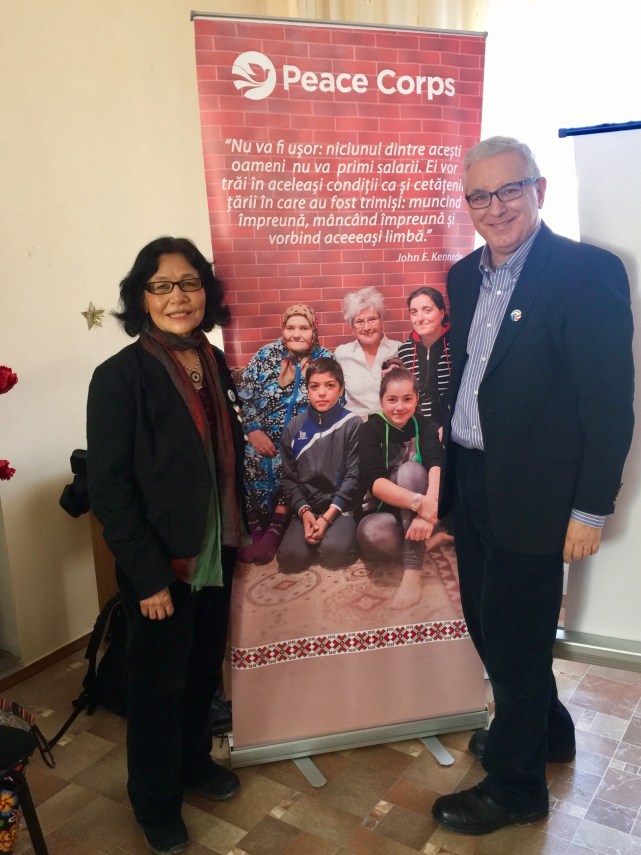
My answer to Lisa’s follow-up question — was I surprised to miss them the most? — is even briefer: No. We expected to miss them every day, and we have.
Sorry, Lisa, I’m usually chattier than that.
I loved the questions you all sent. My friend Barry, who served with me in Peace Corps Nepal, asked whether we’ve met other Nepalis in Moldova. We haven’t, but we did meet a translator who helped a Nepalese family that came here for their daughter’s wedding with a Moldovan guy. She said the couple lives abroad and left Moldova after the wedding. Too bad.
Another returned Peace Corps volunteer asked what impact Peace Corps is having on “the anti-American view of many (especially older) Moldovans?” I’m not sure how to answer that because I don’t think “many” Moldovans are anti-American. Most of the Moldovans I’ve met seem to like Americans, although Champa and I do live in an especially pro-Western part of the country.
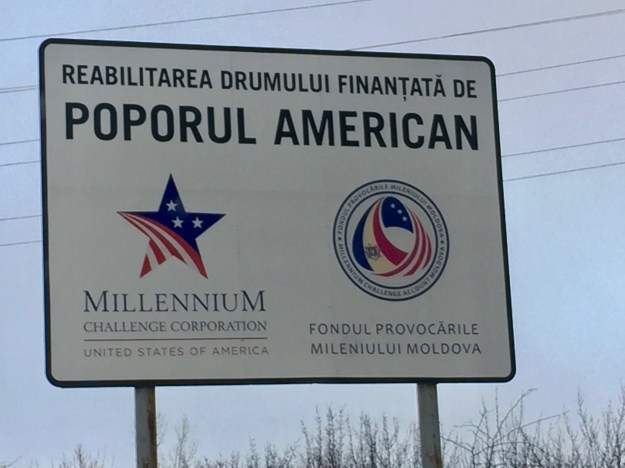
In any case, Peace Corps volunteers definitely enhance the relationship between our two countries as they provide service, live modestly, learn the language and embrace the local culture.You also see signs of American assistance everywhere, from the USAID decals on recycling bins to this sign noting how the United States helped repair a road in the northern part of the country.
Another RPCV, Ron, who served in Venezuala, asked how younger volunteers are feeling about their job and career prospects, and also about Peace Corps’ future with the new presidential administration. I’ve become friends with many of the volunteers here who are in their 20s and 30s. Those finishing this summer have diverse plans, with many applying to graduate schools or looking for jobs. Their levels of anxiety or anticipation vary, as you’d expect, which is also true among older volunteers. As for the future of Peace Corps with the Trump administration, well, nobody knows yet. We’re all watching and wondering ourselves.
An incoming volunteer, Julie, asked whether I’d read the book Moldovan Autumn by local author Ion Druță. I haven’t, but it’s now on my list. In turn, let me recommend Bessarabian Nights, by Stela Brinzeanu, for anyone interested in Moldova. It’s a recent novel that focuses on trafficking and other social problems. You’ll learn a lot from it.
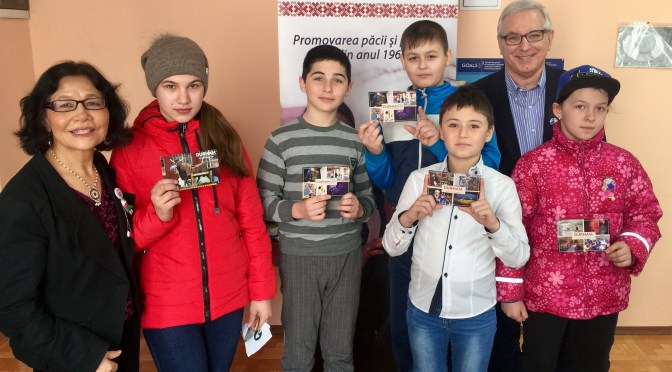
 Julie also asked whether I’ve sent any postcards to people back home. I shared lots of postcards from Durham with two Moldovan groups, as I described recently, and I mailed home local holiday cards to our two sons, but we haven’t yet mailed home any Moldovan postcards. Now that you mention it, Julie, I haven’t seen many for sale here.
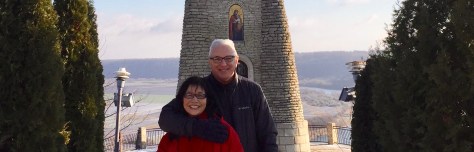
Finally, my friend Bob, who stepped down from his job in the White House science office shortly before President Obama completed his term, sent our favorite question of all. He and his wife Karen, shown here, asked when would be a good time to visit us in Moldova. That’s a question we like to hear, and we’re already discussing the answer.
I’m closing the blog mailbag for now but, trust me, if you write back with a question half as good as Bob’s, I will respond immediately.



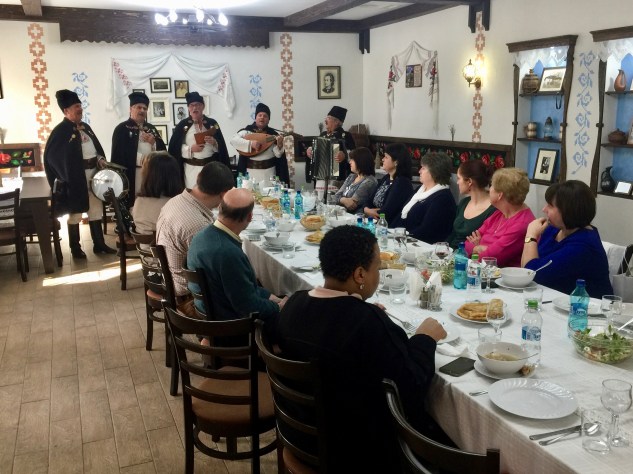

 What have you wondered about what Champa and I are doing in the Peace Corps? What questions do you have about Moldova, our service, our fellow volunteers, etc., or about what it’s been like for us to walk away from our American lives to do something so different? Ask us — either with a comment here or in a private message (djarmul@gmail.com). We’ll try to answer your questions in an upcoming post!


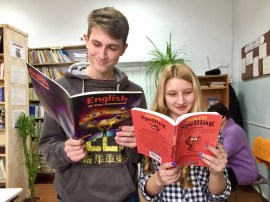 The two older students in the second photo enjoyed the books, too. The box included everything from illustrated children’s books to short story collections.
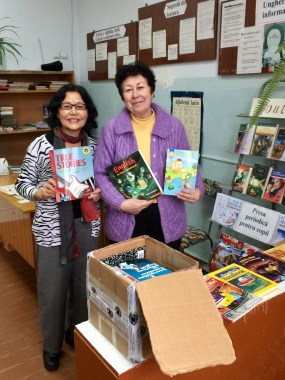 The school got them all for free. Champa requested them from
  They also send free books elsewhere in the developing world, and to libraries, prisons, hospitals and Native American and Appalachian groups in the United States.


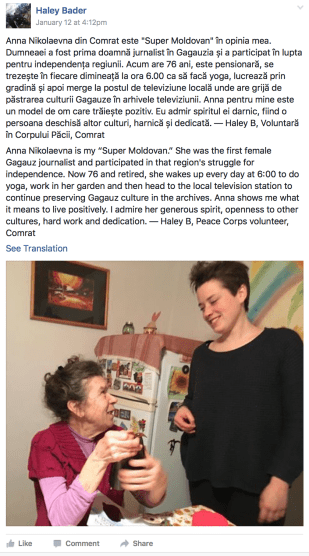 In the middle photo on top is Donna Barnes, formerly a professor at Howard University, who called her school director, Eudochia Babalici, a Super Moldovan for working “so long, with so little. She is a true inspiration to me.”


 attention not only for volunteers but also for the great work being done by some of our Moldovan partners. Liuba manages communications for Peace Corps Moldova and, at Tracey’s request, I recently began working with her and others on communications projects, drawing on my own background in the field.
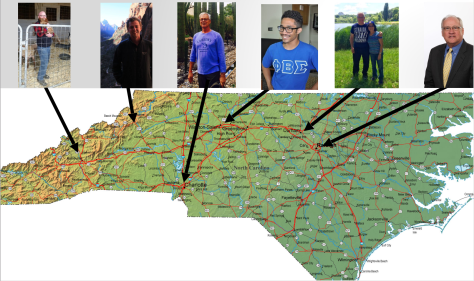
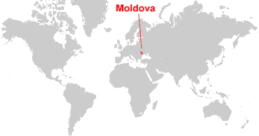 Five other members of my Peace Corps group also call North Carolina home. As you can see in the top photo, we hail from Asheville, Boone, Charlotte, Winston-Salem, Durham and Raleigh. From the left, we’re Tim Crowley, Alex Bostian, Tom Harvey, Reggie Gravely, myself, Champa and Jim Fletcher. The six of us are now working as volunteers across Moldova.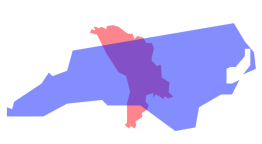
 providing training in anti-terrorism, cyber defense, emergency medicine and other areas. In 1999, North Carolina established an official partnership with Moldova, which now includes the efforts of numerous private firms, civic organizations and nonprofit agencies. Secretary of State Elaine Marshall, who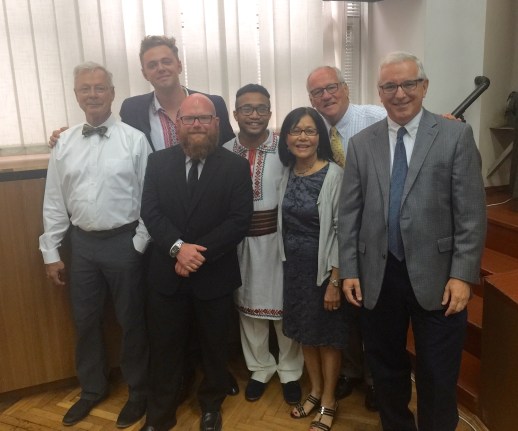
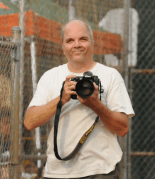 Our ranks also include Mark Gilchrist, left, a volunteer in the group ahead of us.


 "Not Exactly Retired"