Tag Archives: Moldova

Jewish Museum of Moldova

If you think of London and Paris as having vibrant Jewish communities — which they do — consider another European capital whose Jewish population was once many times larger in percentage terms.

It’s Chişinǎu, the capital of Moldova, which was nearly half-Jewish at the turn of the last century, before a bloody pogrom in 1903 killed 49 Jews in Chişinǎu, injured hundreds more and led many Jewish families to flee.

Chișinău monument to the Jewish ghetto.

Four decades later, the Holocaust killed most of Moldova’s remaining Jews, only to be followed by Soviet occupation. Today, estimates of Moldova’s current Jewish population range between 7,500 and 20,000, based on different sources, approaches and definitions. Many more Moldovan Jews live in Israel and other countries.

Moldova retains a rich Jewish heritage but, as I discovered while serving there as a Peace Corps Volunteer several years ago, it’s largely hidden amid the broken cemetery stones and synagogue ruins.
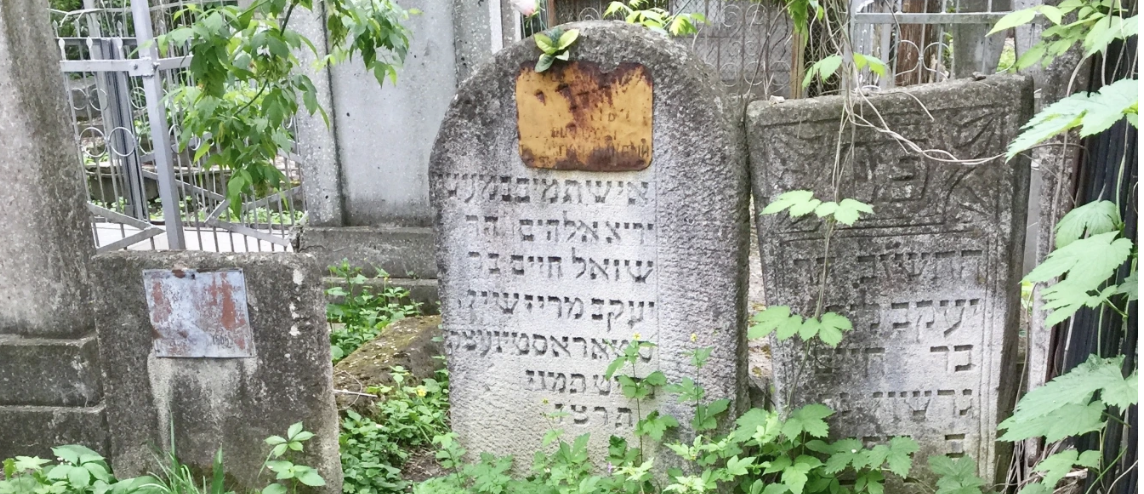
Chişinǎu’s Jewish cemetery has more than 23,000 graves.

Now, finally, this is changing. In 2018, Moldova’s government created a national Jewish museum in the capital — focused initially on Chisinau’s large Jewish cemetery but with plans to also establish a building with exhibits and programs.

As the grandson of a Jewish woman who grew up down the road in Odessa, I find this both exciting and overdue. It’s even more inspiring since it’s happening at a moment when Moldova is dealing with the war in neighboring Ukraine and many other challenges.


The Maghid website describes Jewish sites across Moldova.

A few months ago, Peace Corps Moldova asked me whether I might help the museum planners, given my professional background and familiarity with Moldova. I said yes enthusiastically and, earlier in July, began working on a Peace Corps Virtual Project with the museum’s director, Irina Șihova. 

I’m interacting with Irina from my home in North Carolina but plan to visit Chişinǎu with Champa in September (at our own expense). We are also eager to reunite with our host family and other dear Moldovan friends while we’re there.

Irina Șihova in the Jewish cemetery.

Irina is a prominent researcher in Jewish ethnology, culture and history; a museum curator; an educator; and a guide for Jewish families who’ve come to Moldova to explore their family roots. She’s organized dozens of exhibitions and cultural programs and written academic papers and books about Moldova’s Jewish history.

She and I have already done some good work together, brainstorming ideas for museum exhibits and publicizing an upcoming festival in Moldova that will include tours of former Jewish shtetls, a klezmer music concert and the premiere of a musical work commemorating the 1903 Chişinǎu pogrom. We’ll be joined soon by one or two “Peace Corps Response” volunteers who will bring their own expertise to work on-site with Irina and her colleagues.

Torah at Moldova’s national history museum.

I feel privileged to have this opportunity, especially at this early stage of the museum’s development, and plan to post updates on this blog. If you’re interested in the project, or know others with relevant expertise who might want to join this volunteer effort, please write me privately with a direct message or by e-mail. (Please do not post a public message about this here).

Because religion was heavily restricted in Soviet times, some Moldovans have ethnic Jewish heritage but do not practice the religion and may not even know about their family backgrounds. My closest colleague on the Peace Corps staff, for example, told me her Jewish grandparents “never practiced during the Soviet era since any religion was taboo.”
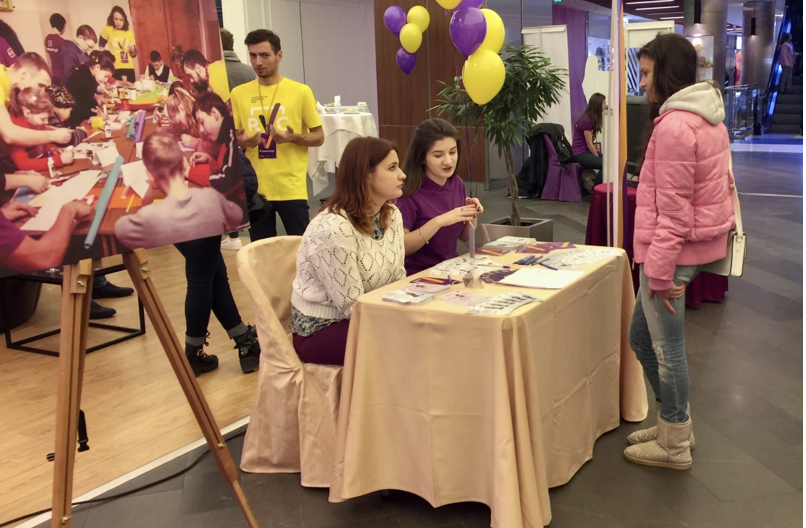
Jewish youth event at the MallDova shopping mall, October 2016

Moldova’s small Jewish community is experiencing a resurgence these days, as you can see in this photo from a youth event we attended. The new museum will make it easier for others in Moldova, Jews and non-Jews alike, and for visitors from around the world, to learn about this heritage and honor those who were lost. 

I hope some of you reading this will visit it one day.

The Good Around Us

I was lucky this past week to encounter the best of humanity just as the 2024 presidential campaign is gaining steam. Two events reminded me of the many good people living among us, no matter what we may see and hear over the next year and a half.

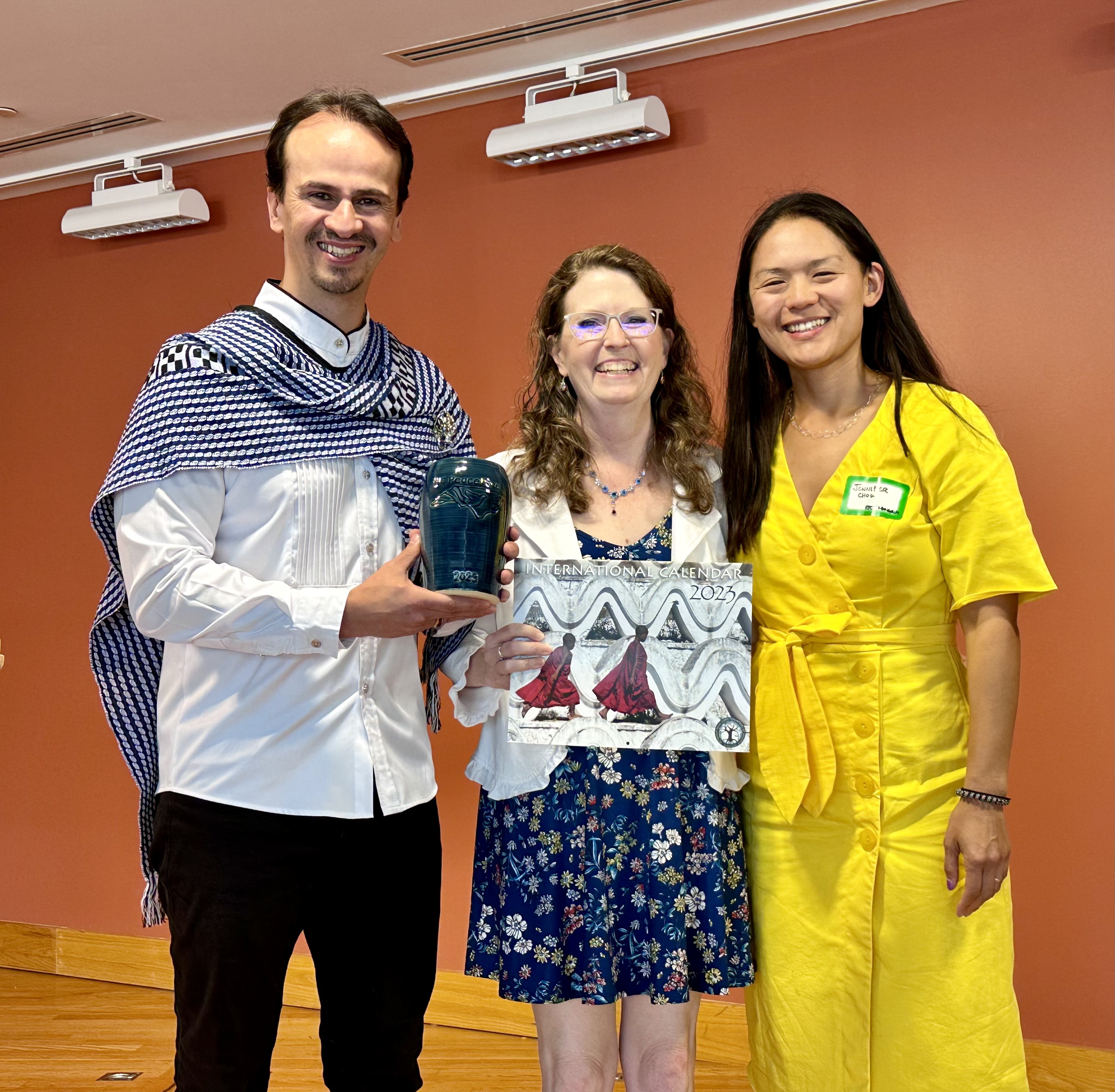
On Sunday, I participated in the North Carolina Peace Corps Association’s annual Peace Prize ceremony, which this year honored a local nonprofit that uses dance to assist disabled veterans and others. The photo shows ComMotion’s Andre Avila and Robin McCall receiving the award from NCPCA Vice President Jennifer Chow.

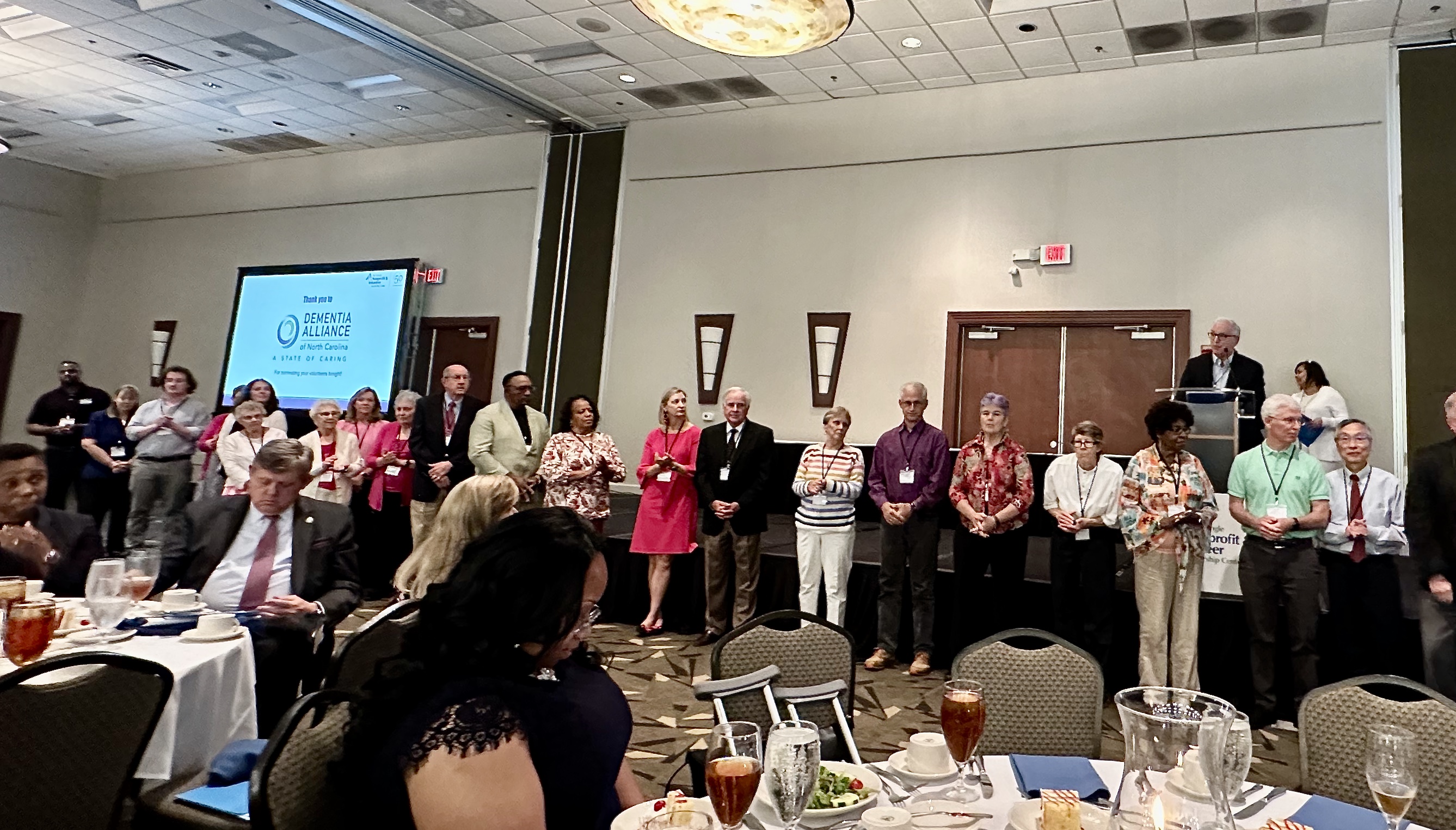
On Monday, I participated in an event organized by the Triangle Nonprofit & Volunteer Leadership Center to honor outstanding local volunteers — people such as Bruce Ballentine, who has been active with Habitat for Humanity and raised more than $7 million to build new homes for families.

Another honoree, Lalit Mahadeshwar, organized volunteer teams with the Hindu Society of North Carolina to provide food packs to needy families during the pandemic. Dr. Shep McKenzie III provides free gynecological exams for Urban Ministries and also tends its vegetable gardens. Myra Blackwell helps lead a baseball league for underserved youth.

Others honored at the event deliver meals to the elderly, provide music for dementia patients, comfort the parents of hospitalized pediatric patients, care for shelter animals and much more. All of their stories made me feel better about people. The photo shows me introducing some of those in the “senior” category.

I served as a judge for the Governor’s Medallion Award for Volunteer Service and also presented the 2023 “Community Partner of the Year” award to the Osher Lifelong Learning Institute (OLLI) at Duke University.

Sarah Cline, the program manager for the AmeriCorps Senior Retired and Senior Volunteer Program (RSVP), joined me in honoring OLLI, which recently teamed up with RSVP and the Durham Center for Senior Life to expand programming for older volunteers. I chair the local RSVP advisory council and have been working with Sarah to encourage more local residents to get involved, as we did in a recent radio interview.

I spend much of my own time volunteering — with RSVP, OLLI, the West End Community Foundation and various Peace Corps and Moldova activities. This past week reminded me how important this work is — for my own emotional well-being most of all.

If you’re an older Durham resident who wants to volunteer, I invite you to send Sarah a message. She’s ready to meet with you and find a great match. If you live elsewhere, you can contact your local RSVP office or take advantage of other volunteer resources.

The upcoming campaign seems likely to challenge our emotional equilibrium, regardless of our personal politics. I have my own strong views but also want to resist cynicism and despair. Volunteering isn’t a perfect vaccine but it does help us feel better about our fellow Americans — and ourselves — while addressing the urgent needs of our communities.

Op-Eds for Ukraine

As the world prepares to mark the one-year anniversary of Russia’s brutal invasion of Ukraine, on Feb. 24, few Americans are better qualified to comment than Returned Peace Corps Volunteers who served there.

These RPCVs lived and worked alongside Ukrainians. They learned the local language. They care deeply about what’s been happening, as do many of us who served in Moldova and other countries affected by the conflict. Some of us also visited Ukraine during our service.

This past week, I helped train a group of Ukraine RPCVs how to write op-ed articles to share their stories. I joined with Dylan Hinson, an RPCV who served in Namibia, in teaching the workshop organized by the RPCV Alliance for Ukraine and the National Peace Corps Association.

This video of my presentation is excerpted from the larger program. If you’re interested in learning more about writing effective op-eds, check out my earlier post. A short YouTube video features Dylan encouraging RPCVs to become op-ed authors.

The Ukraine RPCV group and our Friends of Moldova organization both continue to assist Ukrainians affected by the conflict. Especially as Russia prepares to launch a new military offensive, please consider donating to their life-saving work.

Top photo: The Odessa Opera House, which we visited in 2018.

Ukraine’s Refugees: Still There

Civilians murdered. Soldiers killed. Buildings bombed. It’s all still happening in Ukraine, even as we Americans let our attention drift to newer problems.

Those millions of Ukrainians who fled their homes? More than 90,000 of them remain in neighboring Moldova.

Returned Peace Corps Volunteers (RPCVs) from Moldova have been working hard to help them. Since the war began in February, the Friends of Moldova group has served 60,000 Ukrainians, supported 175 other relief efforts in Moldova and raised nearly $700,000. All of the RPCVs work as volunteers; several have returned to Moldova to provide direct assistance.

This past week, the Friends of Moldova, in concert with a Moldovan Rotary club, received a $25,000 Rotary Foundation Disaster Response Grant to buy food and other resources for refugees in northern Moldova.

North Carolina’s Rotary District 7710 initiated the grant after I described the urgency of the situation in a talk at the Rotary Club of Raleigh. Kim Dixon, who served with the Peace Corps in Georgia, and I developed the grant with her Rotary colleagues.

Friends of Moldova President Bartosz Gawarecki and other RPCVs also worked on the grant, which Bartosz will now oversee in Bălți. He lived there as a volunteer, leading a recycling initiative and youth sports programs, and returned recently from his Michigan home to establish a refugee assistance center for the region. That’s him on the left in the photo below.

Rotarians in Oklahoma City have been pursuing a similar collaboration with Moldova, inspired by another RPCV, Kelsey Walters, who married and remained in Moldova but returned to Oklahoma with her children recently after hearing explosions across the border. The two districts joined in a conference call hosted by N.C. Sec. of State Elaine Marshall, who oversees the state’s long-standing formal partnership with Moldova. We discussed how to expand these efforts and encourage other Rotary districts around the country to pursue similar grants. 

That’s where you come in, readers.

First and foremost: Please continue to donate online to the Friends of Moldova. Your support has enabled the organization to transport refugees from a freezing border, feed children and provide hope to families.

Now you can make an even bigger impact by working with a Rotary group in your area to pursue one of these grants. The Friends of Moldova cannot do this centrally; it needs supporters across the country to initiate grants locally. If you’re willing to help, please contact me directly and we’ll guide you through the process, which isn’t complicated. If you are a Rotarian or served with the Peace Corps in Moldova, that’s great, but it isn’t necessary. (I’m not a Rotarian myself.)

I wish I didn’t need to keep writing about this but, as you’ve seen on television, Russia’s aggression has been bloody and relentless. Ukrainians keep dying. Millions of innocent families remain dislocated, overwhelming their generous hosts across the border. As Americans, we can feel anger, outrage or despair about all of this, but I hope you will join the Friends of Moldova in providing something more useful: help.

[Top photo: RPCV Clary Estes, Ukraine Stories. Other photos: Friends of Moldova]

Payoff for the Heart

When Money interviewed me recently for its retirement newsletter about serving as an older Peace Corps Volunteer, one of the topics was, no surprise, money.

I told the editor that the Peace Corps is “definitely not a luxurious way to launch a retirement. It’s challenging, and you need to join for the right reasons. The main payoff is how it fills your heart. But it’s also a pretty good deal financially as a retirement transition from a regular paycheck.”

Was I on the money? You can read the full interview below.

The “Retire with Money” newsletter is free and available online.

Moldova and Ukraine

I spoke at the Rotary Club of Raleigh about our experience as older Peace Corps Volunteers and what’s been happening in Moldova since the war began in Ukraine. This video is also viewable on YouTube at https://www.youtube.com/watch?v=8LyaXTXJV1g.

What My Friends Are Seeing

What’s the latest in Moldova?

Many of you have been asking me that since Ukrainian refugees began flowing across the border in late February. More than 350,000 have entered Moldova and about 100,000 remain in this small country of less than 3 million people,. 

In my last post, I described how my former neighbors in Ialoveni, near Moldova’s capital, have welcomed the refugees generously. A New York Times video, PBS video and USA Today article tell similar stories about Moldovans nationwide.

In this post, I want to share some of what I’ve been hearing from American friends who are close to the situation, especially former Peace Corps Volunteers who (like me) retain a deep affection for Moldova.

Haley Bader, who served in my group and is now back in Comrat as a journalist, reported recently that “exhausted women, children, elderly men and people with medical issues or disabilities are bleeding across Moldova’s borders daily. From the north to the south, authorities are setting up tents and converting old boarding schools, exhibition centres and kindergartens to house those who are fleeing.”

Moldovans worry whether Putin may invade their country next, although that danger may have eased as Russian forces bog down in Ukraine. What is clear is that the refugees have come in large numbers, and the Moldovans have embraced them. My former host sister has gone to a train station in Bucharest, where she now lives, to invite young Ukrainian women to rest at her apartment.

We visited Chris Flowers at his post in Criuleni while we were all serving as Peace Corps Volunteers. That’s him in the middle.

“I’m seeing lots of cars with Ukrainian license plates on the streets of Chişinǎu,” says our friend Chris Flowers, another former PCV who now directs American Councils Moldova. “This is putting a strain on resources and infrastructure in the country. Despite how generous everyone is now, this level cannot be maintained and outside assistance will be needed.”

Former PCV David Smith agrees. “The Moldovan government has heroically responded with its limited resources and without any past experience dealing with a humanitarian crisis of this size,” he writes in his excellent newsletter. The response has been “amazing, inspiring and necessary” but is unsustainable. 

David Smith met with Moldovan President Maia Sandu, who came to his restaurant to support its refugee assistance efforts.

David has converted his Chişinǎu restaurant (which I featured in this article) into a center offering free food, clothing and other resources. Local volunteers assist the effort, including Peace Corps staff coordinated by Hannah Gardi. Lines stretch out the door. (Here’s a video clip of the line this morning.) Their work is admirable but, as David concluded in his last post, “Where is the cavalry?” 

Carol Spahn, acting director of the Peace Corps, left, traveled to Moldova to support local staff. She prepared meals with my former Romanian language teacher, Diana Prodan.

A friend on the Peace Corps staff wrote me to say: ““It is insane what is happening. We just don’t know where to direct all these refugees for help. The rollout of international help is very slow and disjointed.”

U.S. Secretary of State Antony Blinken met with President Sandu and other Moldovan leaders.

The American Embassy in Moldova recently announced plans to provide assistance, as have other governments and international organizations. U.S. Secretary of State Antony Blinken and other Western leaders have visited to show support. Chişinǎu’s convention center, where Champa and I attended a Moldovan friend’s fashion show, is now filled with refugee families.

Israel Collier is the co-founder of A.C.O.P.E.R.I.

Former PCV Israel Collier heads a nonprofit organization that assists Romani families and immigrants in Moldova. “This war has underscored the need for our service” she wrote me. “We’ve assisted at least 100 Ukrainian families (including many Romani families often rejected at placement centres). They specifically reach out to us because of our mission. We are currently delivering nonperishable food items, clothing and toiletries, to centres in Chišinău, Drochia and this week Soroca.

Another friend, Alex Weisler, and his colleagues at JDC, a global Jewish humanitarian organization, have moved quickly to assist the refugees. As Alex describes in this recent video from Moldova, “they haven’t eaten, they’re scared, they’re confused. They come here and they receive a sense that they’re not alone.”

Other groups are also helping, from Christian evangelicals to North Carolina nurses, who trained Moldovans how to assist refugee populations. Another former PCV friend, Rebecca Lehman, now in England, is helping a group there. Vladimir Snurenco, who led an English language center in Chişinǎu where I taught some classes, wrote me about an art sale in Michigan that raised money for Ukraine.

I’ve been working most closely with Friends of Moldova, an organization of returned PCVs that has raised more than $200,000 and distributed funds to shelters, churches and others. The group’s president, Bartosz Gawarecki, described the effort in this television interview. He recently returned to Moldova to help open new refugee assistance centers.

The North Carolina Peace Corps Association, on whose steering committee I serve, has generously donated to Friends of Moldova and the RPCV Alliance for Ukraine. In a few weeks, I’ll be speaking at the Rotary Club of Raleigh about these and other initiatives.

There is a lot happening, in other words, and I could have included more examples. Yet as my friends keep telling us, the situation remains stressful. David Smith is right: They need the cavalry.

I wish I could have provided a cheerier update about what’s happening in Moldova, but this is the reality. If you share our concern, I encourage you to contact anyone you know who may have some influence over the situation. Donate to Friends of Moldova or another organization. Attend a rally. Write a letter. Please help.

Moldovans Step Up

I am prouder than ever to have served as a Peace Corps Volunteer in Moldova, whose people have been racing to assist refugees from neighboring Ukraine.

(Scroll to the end of this article to learn how you can help, too.)

Despite being one of Europe’s poorest countries, Moldova has stepped up in a big way, as you can see with some examples from places I know there:

Champa did her pre-service training in Costești, a village that has converted its tourist complex into this refugee center.

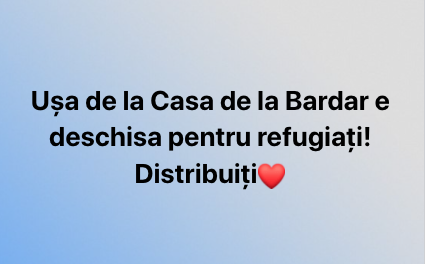
My training was in Bardar, which has opened a home for refugees.

We served together in Ialoveni, whose citizens are now working to help the refugees in various ways. This Facebook post offers them free dental services. 

We lived near Stella’s Voice, a home for young women in danger of being trafficked. They just opened their doors to several young Ukrainian women.

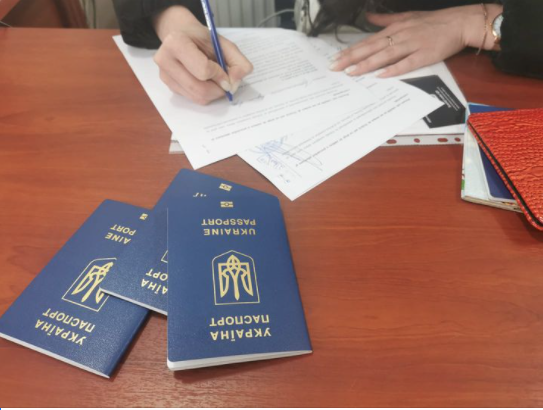
Ialoveni’s officials are cutting through red tape to assist the refugees, such as by quickly notarizing their travel documents.

Many of my Moldovan friends have been posting images to show their support for Ukraine.

Peace Corps Moldova has been helping, too, both as an organization and through its staff, some of whom prepared these meals for distribution.

The Friends of Moldova, a group of returned Peace Corps Volunteers (RPCVs) and others, has launched a fundraiser to aid refugee support efforts, which are far more extensive than the few I’ve described here.

Ukraine RPCVs have been working on several fronts, from advocacy to fundraising, through the RPCV Alliance for Ukraine.

Amid my own outrage at Russia’s aggression, I have been inspired by the brave resistance of the Ukrainian people, and by the government and citizens of Moldova and other countries — including ours. 

There are many ways you can help as well. A good one you may not have considered is by supporting this groundswell of activity in Moldova. David Smith, an RPCV who still lives there, publishes an excellent newsletter that just listed several ways you can do this. If you, too, are outraged by what you’ve been seeing, then donate today — and please feel free to add other comments or suggestions below.

Slava Ukraini!

Top image: AP/Aurel Obreja

Next Door to Ukraine

Ukraine shares a long border with Moldova, where I served in the Peace Corps from 2016 to 2018. With Russian forces now threatening Ukraine, it’s a good time to share some things I learned about the neighborhood.

Moldova and Ukraine have separate identities and histories, and I don’t claim any expertise about Ukraine, but the following seven photos do tell interesting stories:

I’ll start with this photo of me with Vladimir, my “host father” during my pre-service training. He served in the Soviet military, preparing to fight their Cold War enemy — in other words, us. Now he was hosting an American. For so many Moldovans — and Ukrainians — the Russian military is not an abstraction. It’s something they know personally.

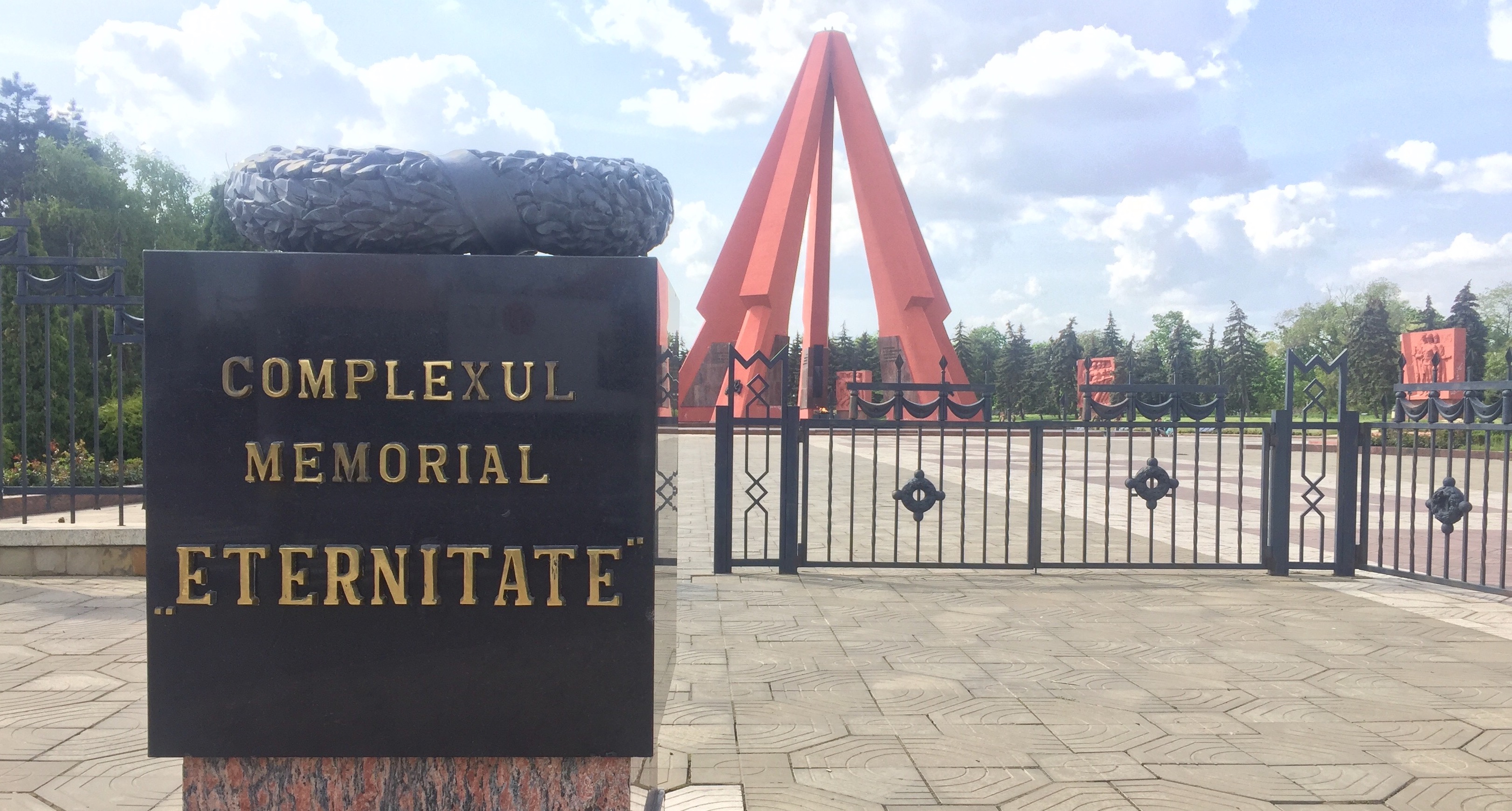
Americans endured great suffering during World War Two. My father was among those who saw friends die in combat. Yet the Soviet Union had more than 50 times as many deaths as we did, a toll that’s seared into their collective memory. Almost every Moldovan city and village has a memorial, including this one in the capital. Vladimir Putin’s aggression against Ukrainian sovereignty is unacceptable, and I’m glad to see our government pushing back so forcefully, but we shouldn’t be surprised when Russians obsess about the security of their borders.

This Soviet memorial and Orthodox church are in Comrat, a small city that is the capital of Moldova’s autonomous region of Gagauzia, which we visited. Most Gagauz people speak Russian instead of Romanian. So do people in other parts of Moldova. Ukraine also has regions where most people speak Russian and have strong cultural and familial ties to Russia. Simultaneously, some of these same people now feel more loyal to Ukraine than to Russia. It’s complicated.

This statue is outside the school where Champa taught. Sanduța Petru served in the Soviet military and was killed in Afghanistan. His memorial reminds us that the Soviets suffered a military disaster there long before our own recent debacle. About 15,000 Soviet troops were killed during nine years of fighting with the Mujahideen, a force with less equipment and training than Ukraine has now. Putin surely remembers that conflict, although one wonders what conclusions he draws from it.

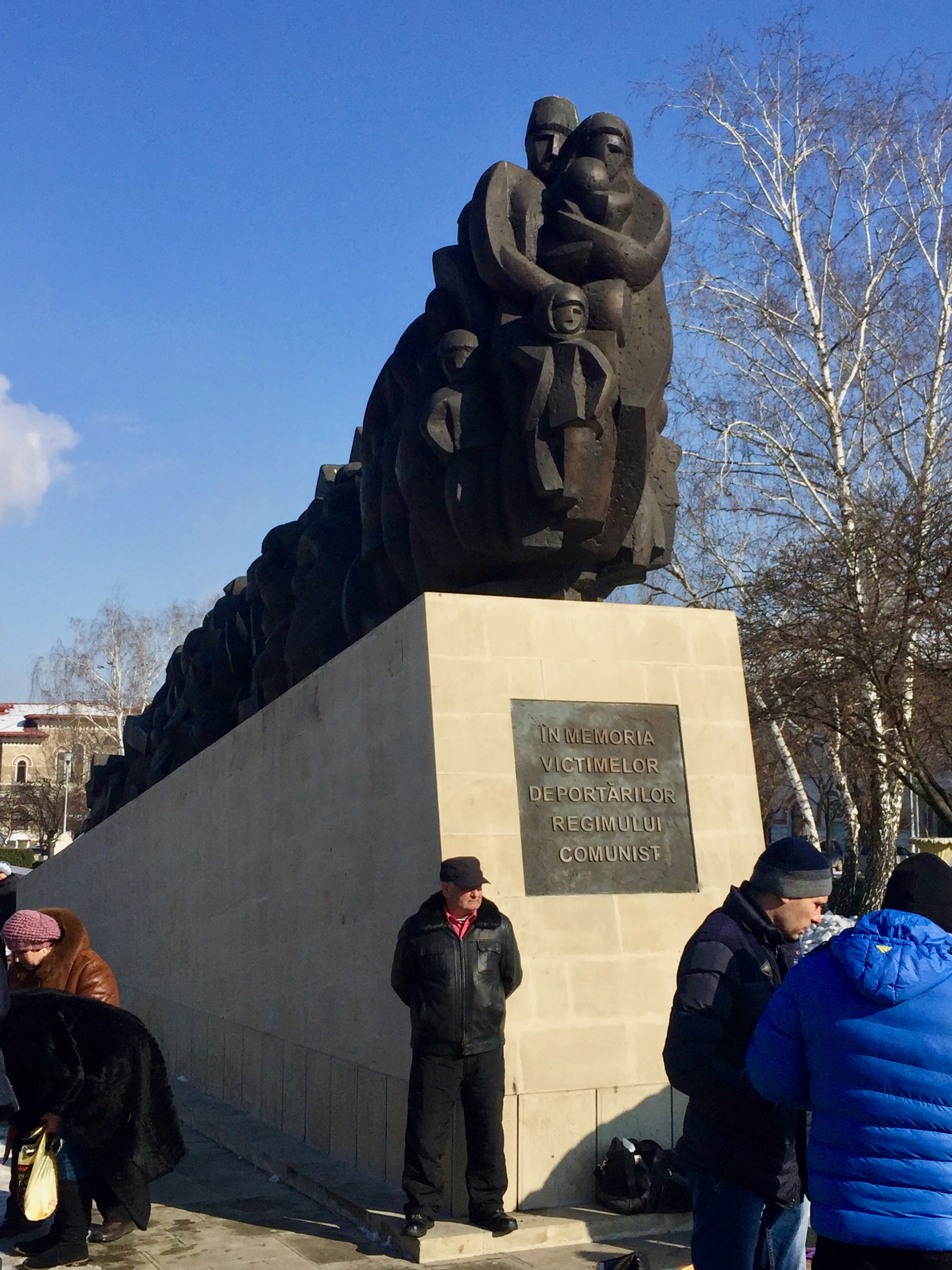
This statue in Moldova’s capital memorializes the devastating deportation of Moldovans to Siberia and other locations during Stalin’s rule. Many died during this Great Purge and Moldovans have never forgotten about it. I met several families whose relatives or friends were deported. Tens of thousands of Ukranians were banished as well and I assume their neighbors haven’t forgotten, either.

Champa and I toured Odessa, where my grandmother grew up. We visited the magnificent opera house and strolled past beautiful buildings, parks, shops and statues. Odessa was the third largest city in the Russian empire. As you can see in this photo, it’s a Ukrainian port along the Black Sea. If Putin attacks from here, as some analysts predict, his troops could march into the city via the famous Odessa Steps, which Sergei Eisenstein immortalized in his 1925 film Battleship Potemkin. Stalin later banned that film over fears it might incite a riot against his regime. That’s interesting to contemplate now.

Finally, while President Biden and others are warning loudly about the Russian threat, Ukraine’s leader has acted calmer, as have many Ukranians (and Moldovans, for that matter). President Zelensky’s approach may be calculated but he also was a comedian before entering politics. He’s not alone among Ukranians in having a sense of humor, as you can see from this shop window in Odessa.

I emphasize again that I served in Moldova, not Ukraine, which is a bit like someone opining about the United States after living for two years in Canada. But I was in the region long enough to grasp the complexity of its history and culture. If you hear an American politician or pundit suggesting the current situation can be easily explained or resolved, I encourage you to be very skeptical.

Reconnected on TV

Moldovan national television just reconnected us to the city where we served in the Peace Corps.

On Thursday, it broadcast a story about North Carolinians who served in the Peace Corps, the latest in a series by TeleFilm Chişinǎu about the state’s partnership with Moldova.

Watch the story below or here on YouTube [at 13:14].

We were deeply moved when we saw our former host family, work partners and others on the screen, showing off the projects we pursued together. Most emotional was seeing our beloved Bunica, or Moldovan grandmother, talking to us from her bed.

Even if you don’t speak a word of Romanian, you should have no trouble following along. We think the producers did a great job and hope you enjoy the story, too. “Mulțumim frumos!” to everyone who made it happen.