

 If you bought your Thanksgiving turkey at a local supermarket this year, you probably didn’t get the entire bird.
I did — head, feet and other body parts included.

In fact, I ordered two turkeys from a local farmer here in Moldova for a Thanksgiving feast we just finished eating with seven other Peace Corps volunteers and our host family. I cooked them all a traditional meal of turkey, gravy, stuffing, mashed potatoes, vegetables and cranberry sauce — well, actually, a sauce I devised from dried cranberries, apricot jam and pomegranate juice, since you can’t buy fresh or canned cranberries here. Champa made a delicious beet salad for the first course.
For dessert, I baked an apple pie and improvised a pound cake with a package of evaporated milk that I found in the market, which I served with cherries harvested this summer from the family tree. I was also lucky to find a can of whipped cream.
 One of our Peace Corps guests, who once managed a restaurant, made a sweet potato pie and also brought a jar of cranberry sauce sent from home by her daughter. Our main beverage was our family’s house wine, which they call Vin Champa, or Champa Wine, since she helped them make it.
All in all, it tasted like a real Thanksgiving feast, brightening the mood of all of us who were thinking of our families and friends back in America. For Champa and me, Thanksgiving is our biggest holiday of the year, the one time when both of our sons and their families come to our North Carolina home with their families, an occasion we treasure. In this blog, I’ve avoided writing about my family, wanting to keep that part of our lives private, but there’s no way to describe our Thanksgiving here today without saying how much we miss them.
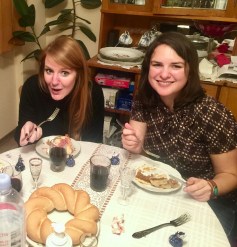 Our Peace Corps friends missed their families, too. Peace Corps encouraged all of us to find ways to get together, so nobody would be alone unless they wanted to be. Champa and I were among those able to host a dinner. Others went together to restaurants, even if it was to eat pizza. Others gathered in the capital city, Chisinau, to watch an American football game airing at a local barbecue restaurant opened by former volunteers.
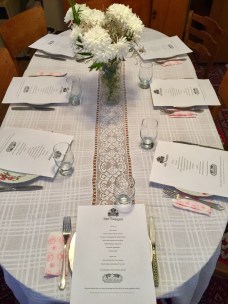 One reason I wanted to host our dinner was because I remembered being invited to a Thanksgiving feast in Kathmandu when I served in Nepal four decades ago. I am still grateful for the turkey and other dishes served by Ashton and Bill Douglass, who was working then for USAID in Nepal. It took a long time, but today I was finally able to repay my debt to them, albeit indirectly.
Incidentally, we now have some leftover turkey, apple pie and other goodies. If you’re hungry and in the area, stop by and join us. I promise, we won’t serve you the turkey heads.
Here’s our menu:


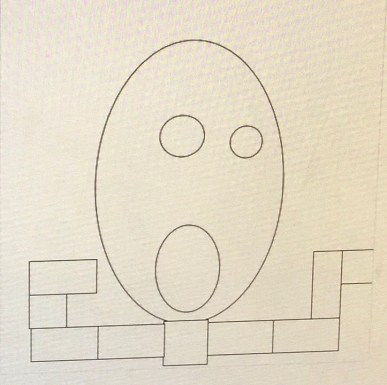
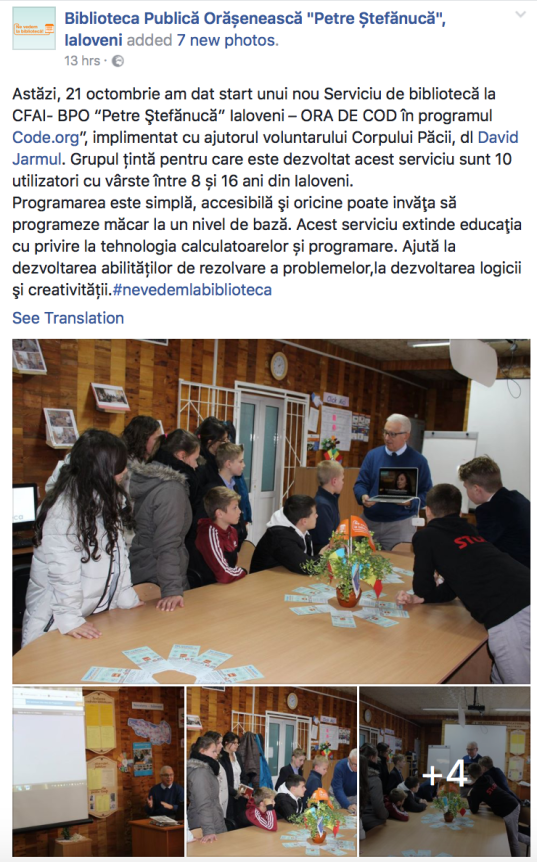
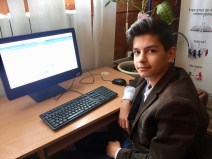 Humpty Dumpty immediately came to my mind on Wednesday afternoon when I looked at the drawing, which was created by Chris, a student in my weekly computer coding class.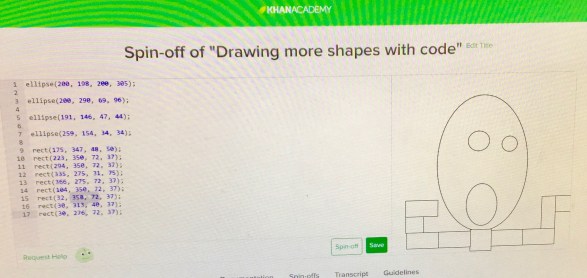
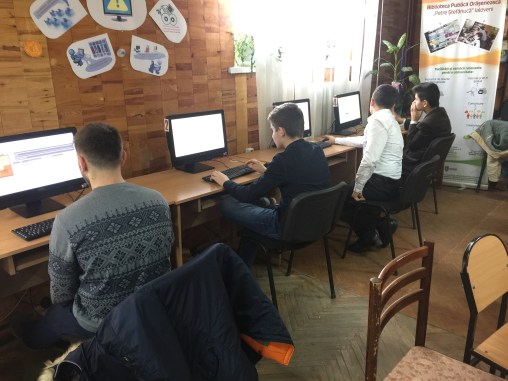
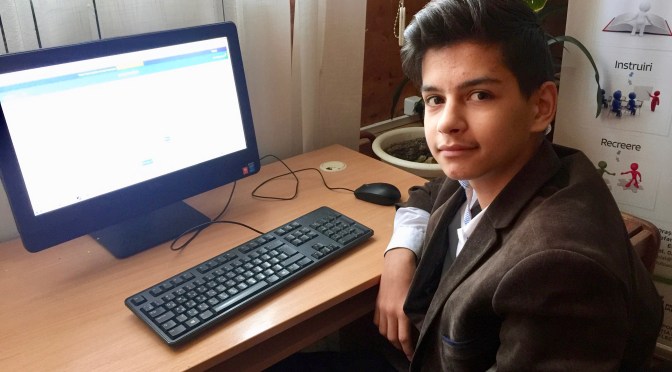
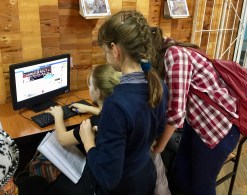 Note that I said “boys.” My biggest disappointment has been my inability to attract more girls to the class. I asked the librarians to help recruit girls, and they’ve reached out to a nearby school, but so far we haven’t had much luck, even when I offered to teach a separate class for girls. I asked the girls you see here to participate on Wednesday, but they were too busy checking out a dance site on Facebook.
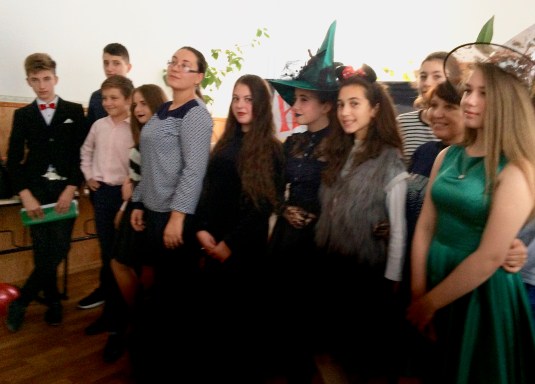
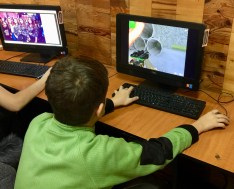 Not all of the boys are interested, either. The one you see here programmed the first snowman with us but then, when I was busy on the other side of the room, switched to a computer game featuring shooting and soldiers. You can also see part of the computer next to him, where a girl is checking out a photo of other girls dressed up for a performance. Just outside the photo are computers where several other boys were also playing action games. I did convince one older boy to try Hour of Code, which he enjoyed, but after competing the module he switched to Facebook and YouTube instead of moving on to the next module.


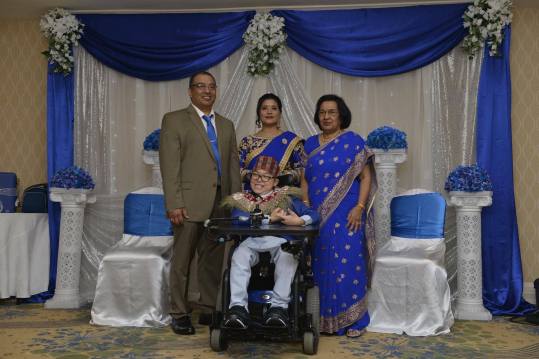

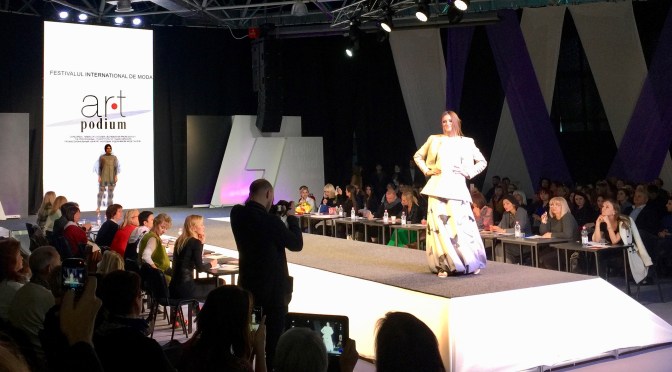


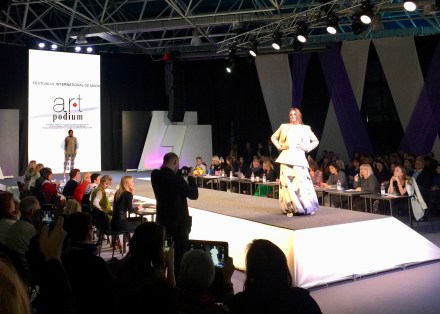
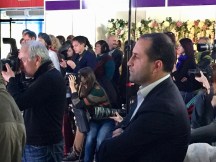 (That’s him in the photo.) Beside him was another friend, filming the event. Ludmila remained backstage until her collection, “Autumn Dream,” was finished, then appeared with one of the models to receive a bouquet of flowers and walk the runway to applause.






 That’s a message more young people, especially girls, need to hear in our own country, Moldova and around the world. Coding is an increasingly essential skill. Especially in poorer countries, it can open the door to participating in the global economy. Here in Moldova, older girls can also take part in


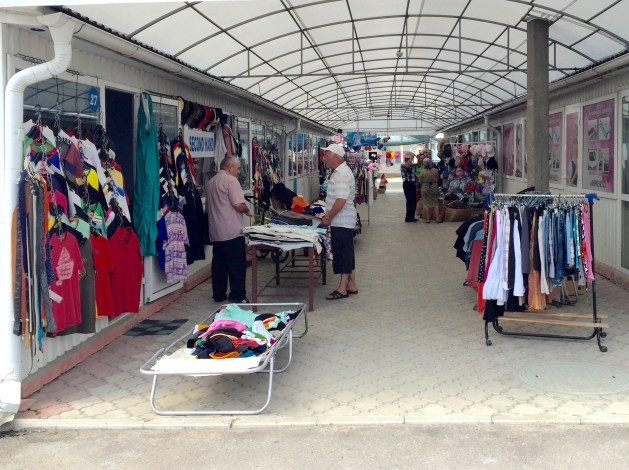
 I’ve never been to the Met in New York but I’m guessing it costs slightly more.


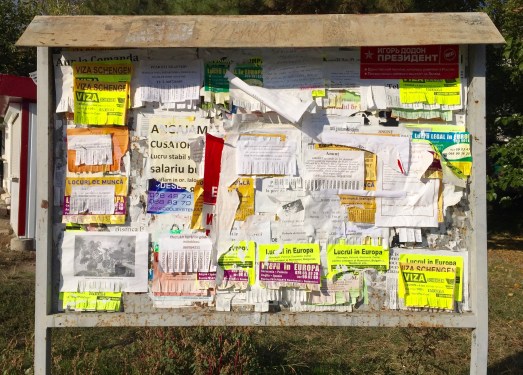
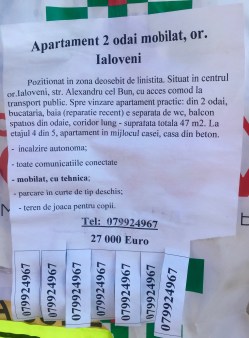 Here in Moldova, though, people are still using bulletin boards, often located near bus stops. Those looking to sell or rent their property post advertisements in Romanian or Russian, Moldova’s two main languages. Most of the signs are printed simply in black and white, with no photos or graphics. Some are scrawled by hand. Within a few days or after a storm, they start drooping.
 Champa and I have learned about all of this over the past few days as we’ve begun searching for an apartment ourselves. We’ve loved staying with our host family in Ialoveni, where we’ve been renting the second floor of their house. This past Saturday, we hosted our first dinner party, with several other Peace Corps volunteers who came from neighboring towns. Unfortunately, the family needs to reclaim the second floor, so we’re now actively looking for a new home.

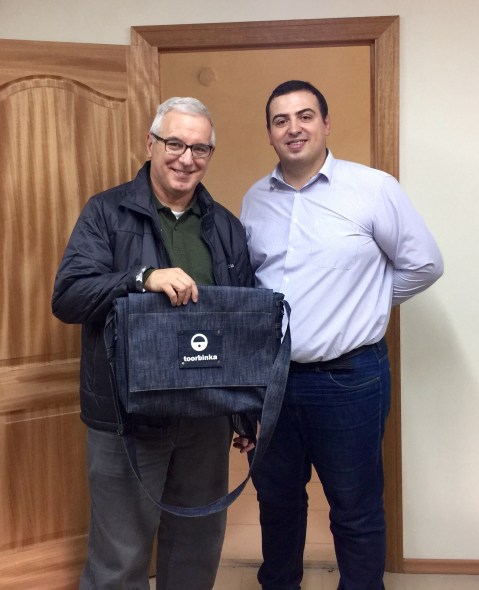
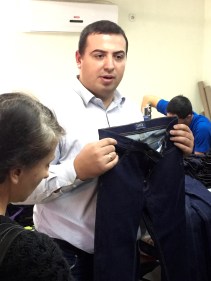 Dumitru Guzun and his partner opened the factory last year above a market in the town of Criuleni. My Peace Corps group stopped by for a look on Monday afternoon.
 As Dumitru showed us around, his eight employees barely looked up from their sewing machines and other duties. They were racing to fill an order. The company is doing well but, as Moldova’s first jeans brand, it faces intense global competition. It recently turned to a new Moldovan

 "Not Exactly Retired"