
At the very moment President Trump was announcing his European travel ban on Wednesday, Champa and I were returning home from a two-week trip to Europe.
We didn’t expect to be there during a pandemic. When we flew to England for our nephew’s wedding, coronavirus was just beginning to appear in Europe. As we then traveled by train to London, Paris, Belgium and Amsterdam, it kept spreading.

We enjoyed visiting the Eiffel Tower and other attractions without waiting on lines, but we were concerned about what was happening to others and relieved to return safely. We’re now staying at home as a precaution.
At this moment when the health and financial news is so grim, and our thoughts are with everyone affected, let me offer some relief with a post about a time and place that already seem far away: Amsterdam’s Dam Square this past Sunday.
As Champa and I walked towards our hotel near there, we heard boisterous chanting and cheering from what turned out to be a demonstration for International Women’s Day. The crowd was huge and full of energy. We saw countless homemade signs in Dutch, English and other languages. Here are some that caught my eye:
As soon as the Women’s Day protesters marched away from the square, a new demonstration and concert began. This one was for the human rights of Indonesians, who were once colonized by the Dutch.
 That was on the main stage. Elsewhere on the square, a man set up a display in support of the Palestinian people. A few steps away from him, another protestor defiantly held up an Israeli flag.
 In another direction, several Falun Gong protestors stood beside a booth with large signs condemning Chinese oppression of their religion.
 Meanwhile, tourists snapped photos of the historic architecture, tour guides led groups and police officers observed patiently. Marijuana smoke wafted from “coffee shops” beside the square and prostitutes posed in windows of the nearby Red Light District.
It all illustrated why Amsterdam is renown for its tolerance.
When we returned to Dam Square two days later, we encountered yet another group of protestors. This time it was Tibetans condemining the oppression of the Chinese govenrnment and calling for the return of the Dalai Lama.

Champa and I enjoyed Amsterdam’s Van Gogh Museum, Anne Frank House and other famous spots, but Dam Square was the most memorable for us. We loved being in the middle of this festival of free speech and democracy.
I hope such trips become possible again soon for Americans. For now, we all need to focus on the more serious business of saving lives at home and around the world.
Keep Dam Square in mind for when that day comes — and if you’re lucky enough to travel there, be sure to bring a sign.


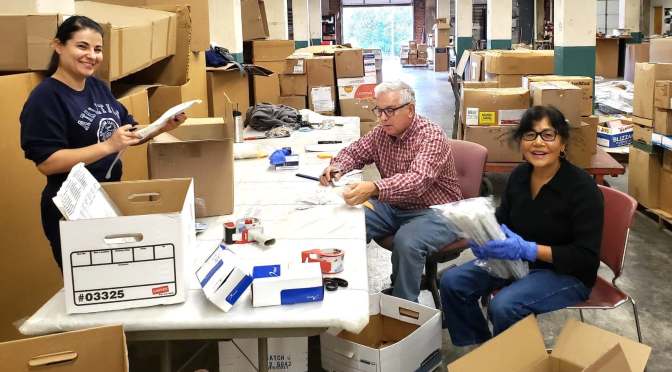
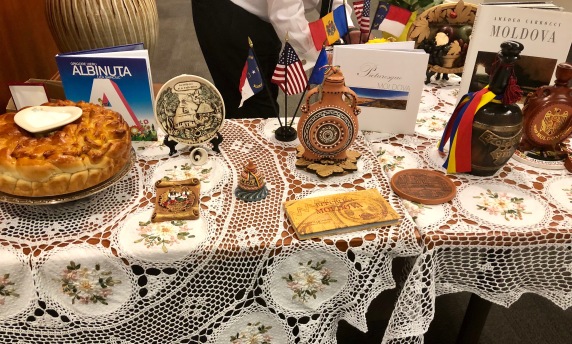
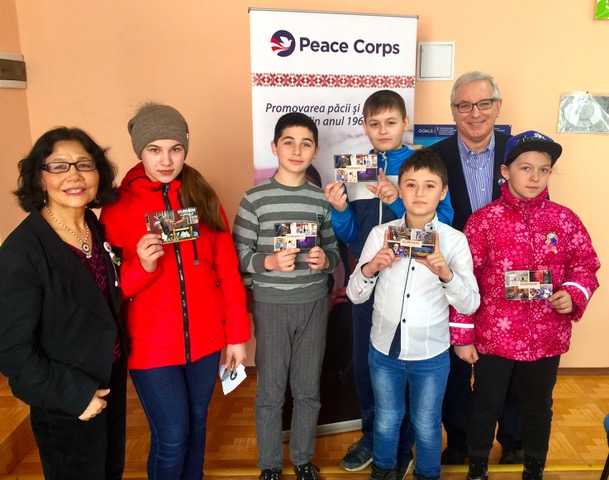
 Eventually, I created an informal volunteer role for myself with the North Carolina partnership program that assists Moldova, where we served as Peace Corps volunteers, and I resumed volunteering at Urban Ministries, but who knows what I missed?
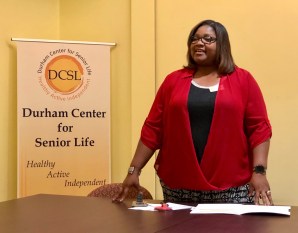 Over the past few months, I’ve met with our
  To be sure, many retired citizens do serve as volunteers — teaching literacy classes, building homes with Habitat for Humanity and much more. Some volunteer through


 Of course, we’re thankful to be reunited with our family and friends. We’ve reveled in things as simple as driving or drinking water from a tap. Yet we still miss Moldova, every day. We made such good friends there and we now interact with them only on Facebook or with an occasional phone call.
 Champa and I didn’t expect our transition to be so hard. We’d traveled a lot. We’d remained closely connected to America while we were gone. I’d served in the Peace Corps previously and she was born in Nepal. So how hard could it be? We didn’t fully appreciate that America wasn’t the only thing that changed. We’d changed, too.



 In Edinburgh, the dining options near our Airbnb included a Pizza Hut and a Five Guys burger joint along with haggis or fish and chips.
 We couldn’t even escape President Trump during our trip. He came to Ireland shortly after us and we saw security patrols near his golf course.
 When we took a free walking tour through the historic streets of Romania’s capital, Bucharest, we were the only Americans. In the Bulgarian capital, Sofia, only one other American joined us and 23 tourists from Bulgaria, Canada, Italy, Japan, Latvia, Netherlands and Spain. Even in Tbilisi, the Georgian capital that’s been gaining buzz as a tourist hot spot, we felt alone. As I
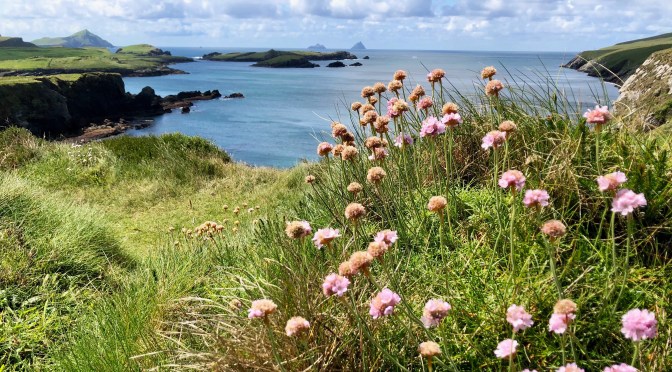
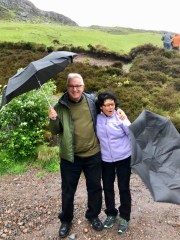
 Then we took a two-day tour of the highlands, visiting Loch Ness and other sites. We were entranced by the striking bogs, heather and thistles despite pouring rain.
 Then we turned east, stopping at Blarney Castle to, yes, kiss the Blarney Stone, before continuing on to Kilkenny and Dublin. On our first night back in the capital, we spent hours watching the Irish Celts play traditional music at Darkey Kelly’s pub. Finally, on our last day, we walked throughout the city before returning exhausted to our hotel near Christ Church Cathedral, ready to fly home the next morning.
 We gained new perspective on our many American friends whose families emigrated from there. Their ancestors escaped oppression and found a better life, much like my own or, for that matter, the Lyft driver from Aleppo, Syria, who drove us to the airport.




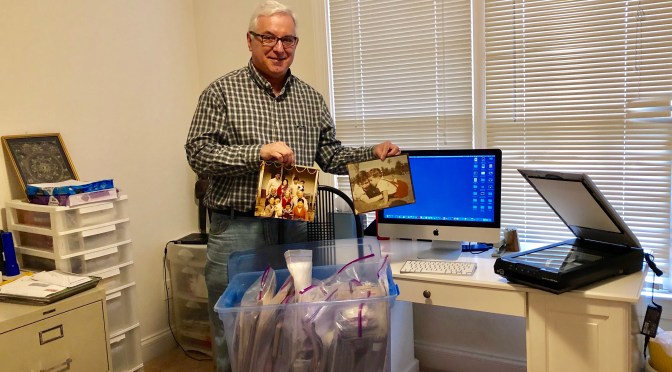
 Three years ago, when Champa and I
  “We have to sort through these after we return home,” we told ourselves.
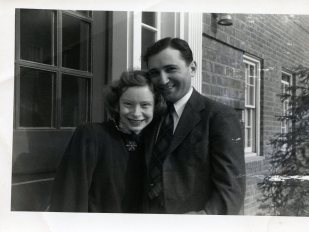 So, too, for the old photos and documents from my side of the family, like the one you see here of my parents.
 Only your kids and their descendants are likely to care about your photos, and they will probably worry more about receiving too much instead of too little. You’ll do them a big favor by reducing the pile drastically, keeping only the most significant and poignant images. As Marie Kondo might say, find the things that bring you joy.


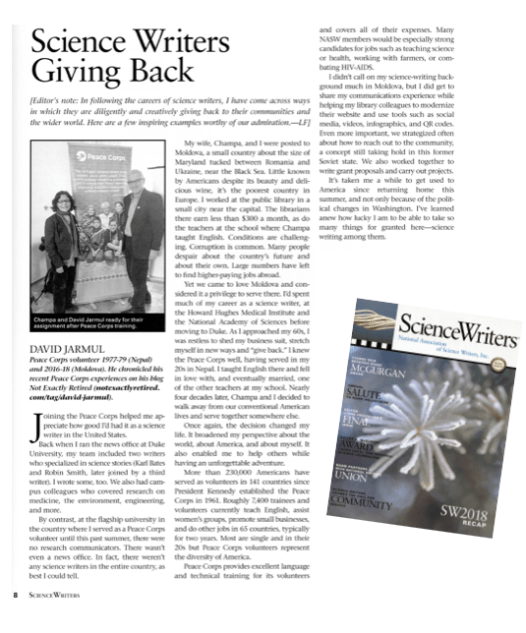 Thanks to NASW’s Lynne Friedmann for inviting me to write this!
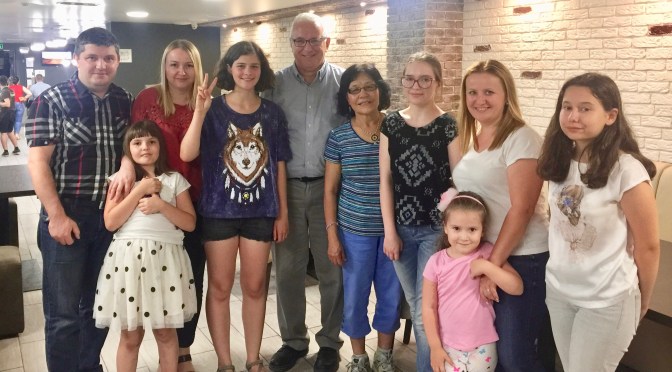
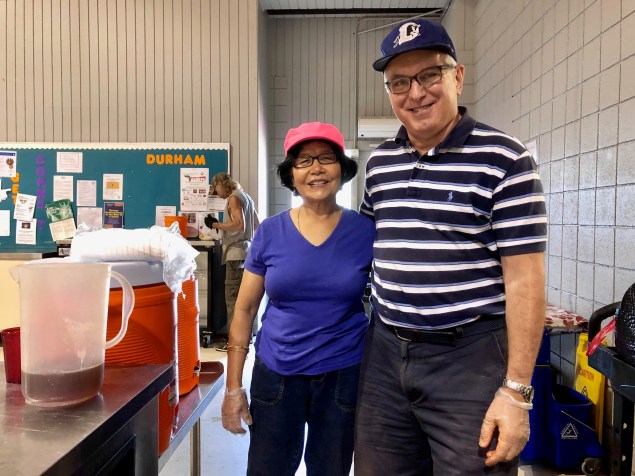
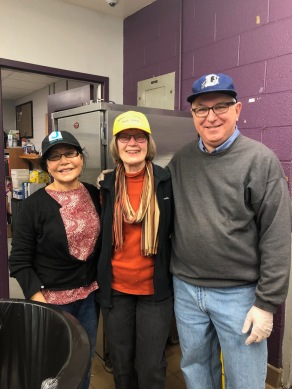 The midterm election gave me hope that Americans will not surrender to despair, that they will fight to once again make our country the kind of place we can all extol when living and traveling abroad. This past Sunday, Champa and I served lunch at a local soup kitchen with our friend Celeste, right, who also served in the Peace Corps, in West Africa during the Vietnam War. She reminded me how challenging it was to be asked questions then about America. Eventually things got better. I’m hopeful they can again.
 "Not Exactly Retired"