

Experts knew their leader’s military plan had a high risk of failure but they muted their concerns because he didn’t want to hear any opposition. Sure enough, disaster ensued.
Sound familiar?
When I traveled to Sweden last month and visited the Vasa, a glorious warship that sank ignominiously more than three centuries ago, its parallels to our own situation were striking. It felt like a nautical metaphor for the folly we Americans are witnessing today.
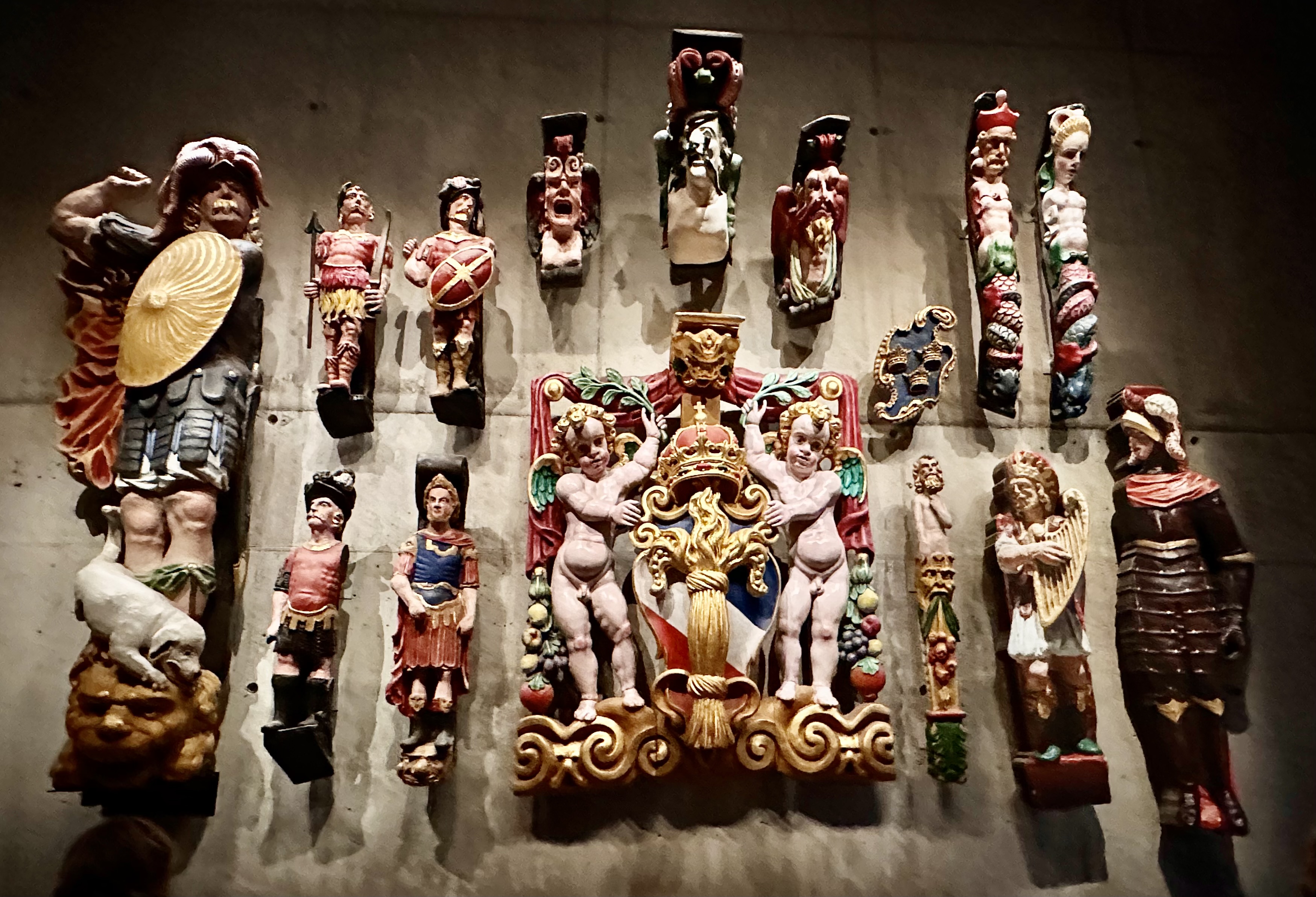
Now displayed in one of Stockholm’s leading tourist attractions, the Vasa set sail on her maiden voyage on August 10, 1628. With her 64 bronze cannons and ornate carvings, she was a symbol of national strength.
It was a Sunday afternoon, the seas were calm and a crowd cheered from the shore. The Vasa’s gun ports were open to fire a salute.
Then a wind gust blew the ship onto her side. Water rushed into the open ports and began filling the hold. The Vasa sank less than an hour after she’d departed. Most of the crew were able to swim to shore or cling to debris until they were rescued, but 30 people died.
The crowd watched in horror and immediately began asking how this great ship could sink without a shot being fired at it.
Vasa’s designer, Henrik Hybertsson, was an experienced master shipwright but his design in this case had an inadequate hull below the waterline, making the Vasa top-heavy and unstable.
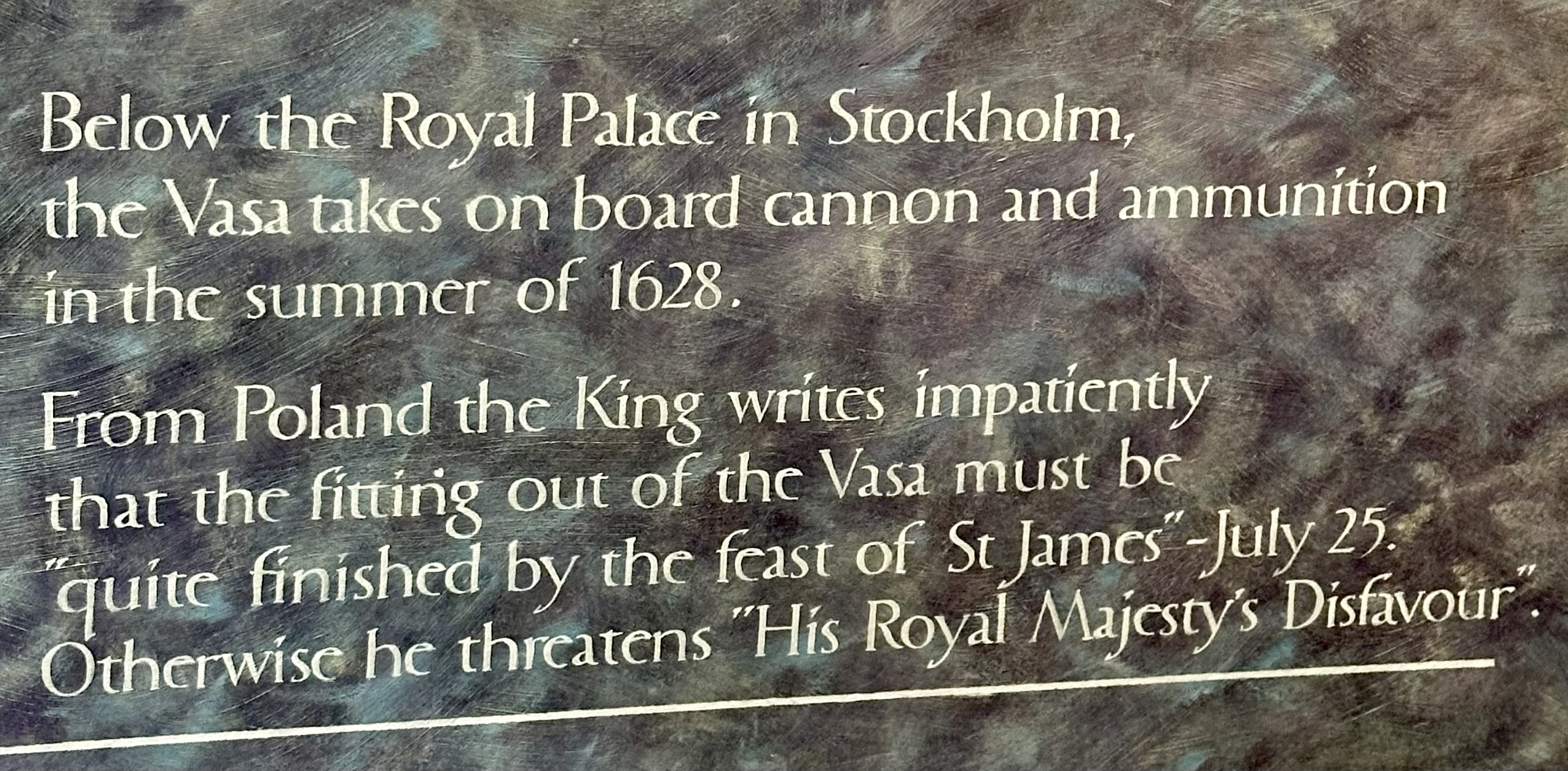
Hybertsson fell ill and died during construction, leaving incomplete instructions for his team even as Sweden’s King Gustav II Adolf began pushing for changes. The king ruled Sweden from 1611 to 1632 and guided its rise to European prominence. He told the ship’s builders he wanted more firepower, so they added a second gun deck and elaborate ornamentation with extensive gold leaf. These changes raised the ship’s center of gravity even further.
A stability test before the launch showed how dangerous the ship had become. Yet no one dared to clearly warn the king, who was pressing for the ship to be completed. He had approved all of the measurements and armaments even though he was not a naval architect. An inquest after the disaster searched for scapegoats but, as historians now agree, much of the blame lay with the king. He insisted he knew best. No one held enough authority, or was willing to use what authority they had, to stop him from proceeding. An inquest ended with no one being punished or found legally guilty.
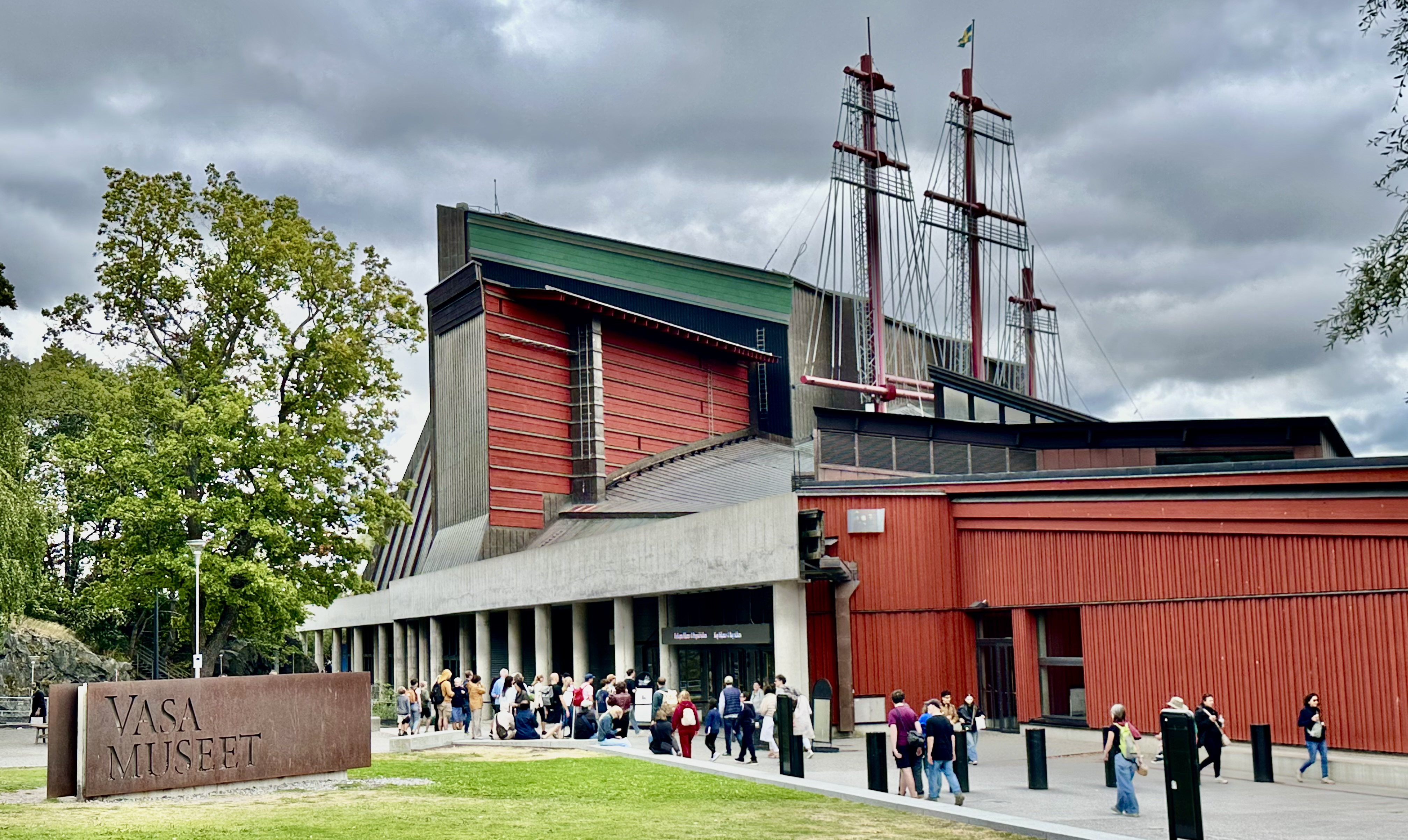
The Vasa was salvaged in 1961 and restored beautifully. The museum created to display it does an excellent job of telling its tragic story, which felt eerily familiar to me.
Our own leader was reportedly told by experts that attacking Iran could lead to a military quagmire and economic disaster, but he chose to “follow his gut” and attack anyway.
He has also asked the Navy to redesign aircraft carriers to better resemble his aesthetic ideal, a change that would cost billions, worsen chronic delays and make the ships operate less smoothly.
Similarly, he has created chaos with projects ranging from the White House ballroom to the Reflecting Pool, then blamed others for vandalism or interference when things go wrong.
Across the centuries, we see a powerful leader overriding expert judgment and creating a culture that deters others from flagging serious problems. Indeed, historians now point to the Vasa as an early case study in groupthink, highlighting the danger of “yes cultures” around authority. Courses in engineering ethics and organizational behavior use it as an example.
I loved the museum and encourage readers to visit it if they ever have the opportunity. But you don’t need to travel to Stockholm to appreciate the symbolism of this mighty ship that set sail with such great fanfare and then sank to a watery grave. Its ghosts are alive and its lessons remain with us.
Subscribe to Not Exactly Retired. It’s free.

excellent article! Hey world travelers, I am off to Turkiye this week. I assume you’ve been there. Any suggestions?
David Fryer