Tag Archives: robotics

Lasting Impact

Yesterday we returned to our Peace Corps workplaces and learned, after more than five years, that our impact has endured more than we’d realized.

Champa’s big project as a Volunteer was to help her school’s drama program create a magnificent wardrobe of costumes and props, which were unveiled in a colorful public ceremony in 2018 (see video).

When we returned to the school yesterday, current students greeted us wearing some of the same costumes — Romeo, Juliet, a king and more. The school has been using them regularly and added to the collection.

Champa stopped by an English class and reunited with some of her old students.

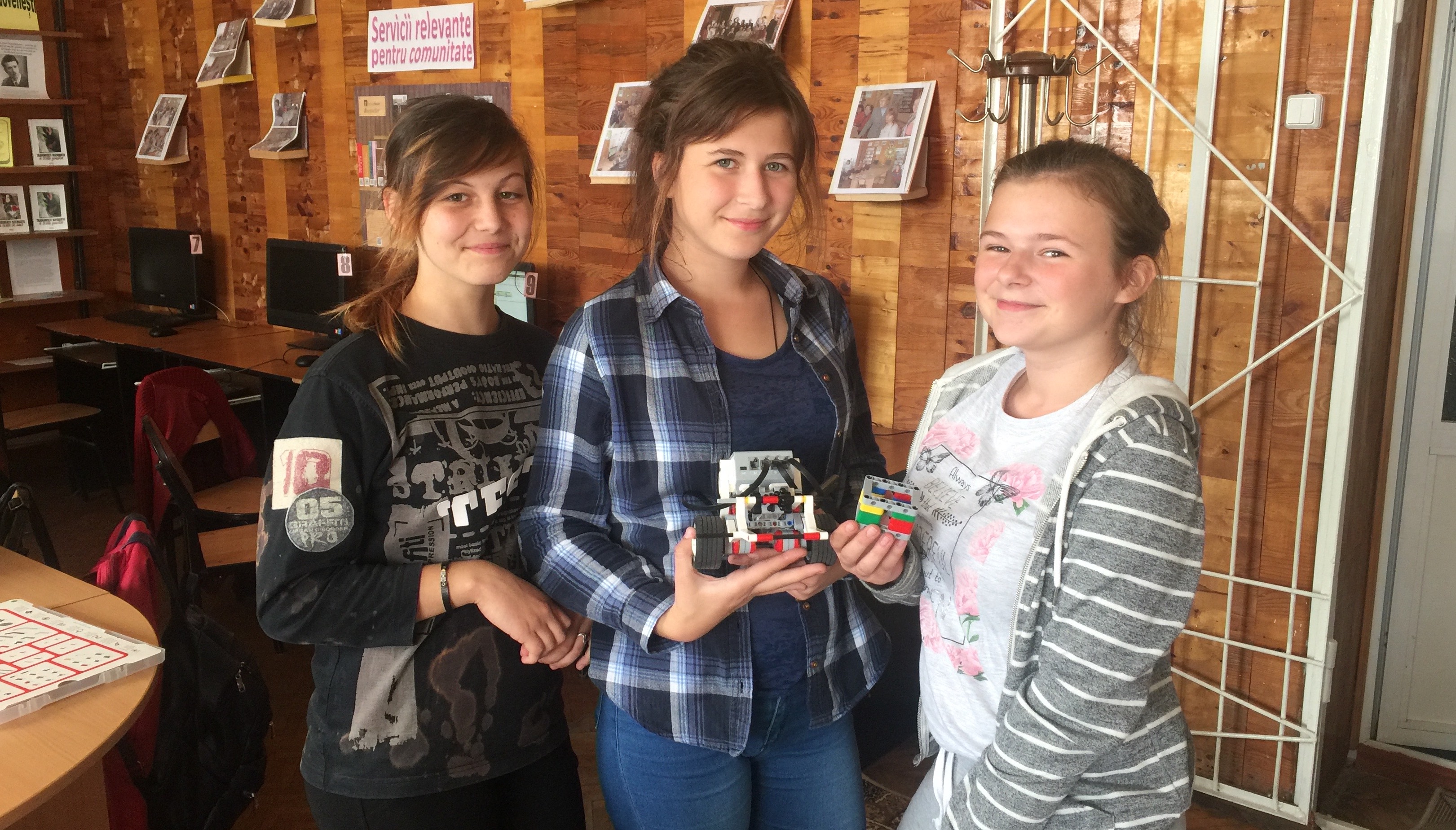
Earlier we visited the library where I worked. The librarians proudly showed us a trophy room they’ve created to display all of the awards won by the robotics team I helped to establish with Lidia Rusu (above).
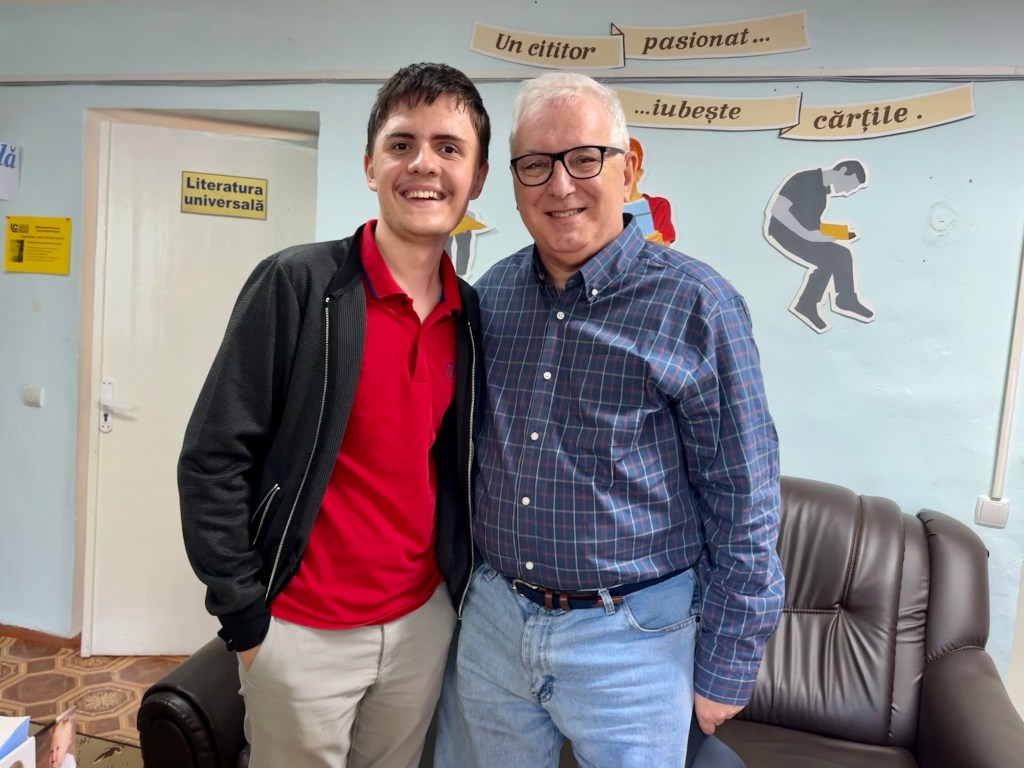
One of my younger robotics students, Alexandru, dropped by to thank us, too. He is now a high school senior, serving as a community youth leader.
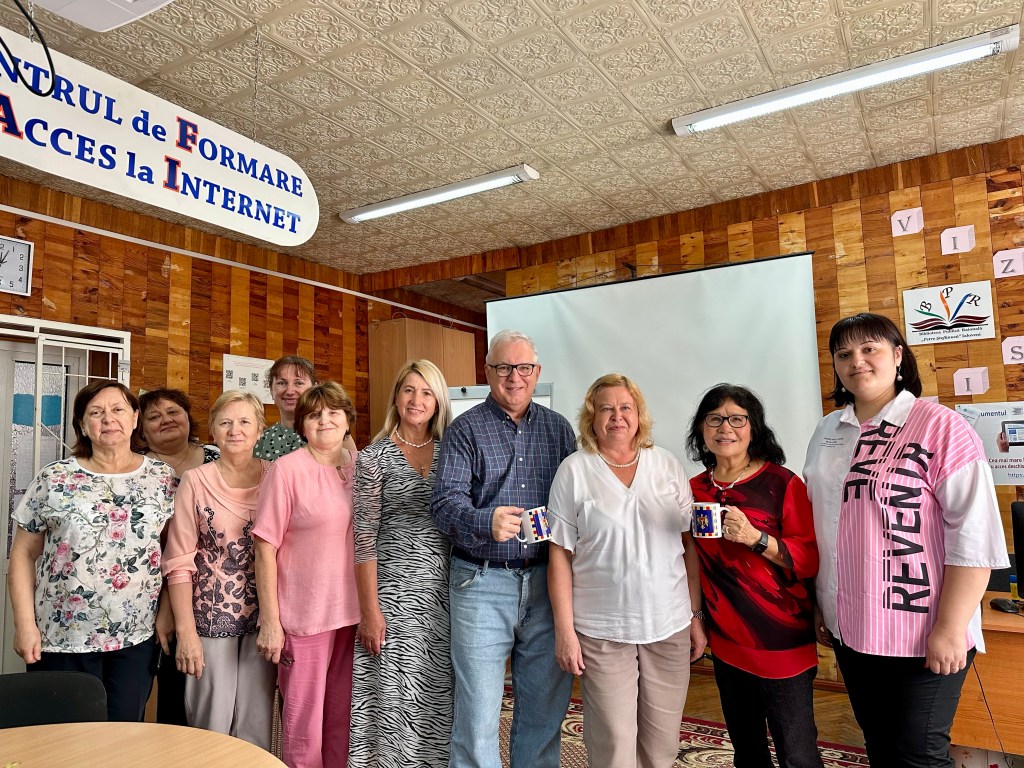
Valentina Plamadeala, the library director, in white blouse, hosted a champagne reception for us (at noon; I love Moldova). She posted on Facebook a list of the many projects we did together, several of which are still thriving, notably the Bebeteca room we created for local moms (see video.)

Our reunions in Ialoveni, the small city near Moldova’s capital where we served from 2016-18, were intensely emotional. We were moved to see how we’d touched people’s lives.

At Champa’s school, one of her fellow English teachers, Elena Antociuc, read a certificate saying, “We sincerely appreciate the time you spent guiding us to new perspectives by collaborating with us in search for the best solutions.”

The certificate concluded: “We’re proud to be part of your international family.”

Ialoveni, we’re even prouder to be part of your family, now and forever. As we told Champa’s costume collaborator Ana Doschinescu, at a dinner her beautiful family hosted for us, our lives are so much richer because of all of you. Thank you for keeping us in your hearts.

Ready, Set, Flow

IMG_9926

Raise your hand if you’ve done any of these things at your local library:

    • Guided a fire truck to a burning fire
    • Used munipial sludge to fertilize a garden
    • Replaced a broken pipe in a water system

Oh, and you needed to do all this with a robot you programmed. (You can raise your hand on your own.)IMG_9958

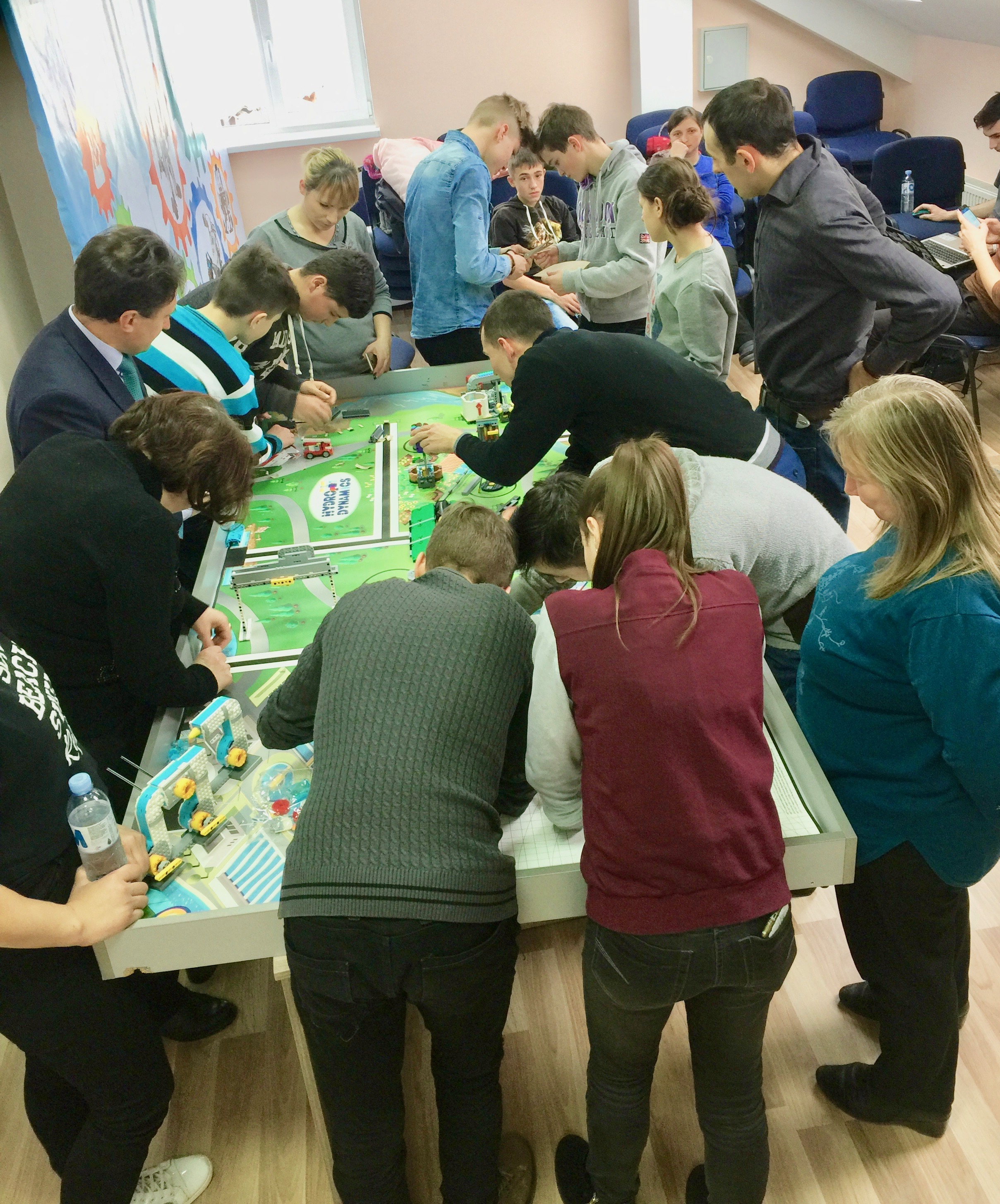
On Wednesday, students in our robotics program at the Ialoveni library began their newest challenge: a “Hydro Dynamics” competition in which their robots will carry out as many of these and other tasks as possible within two and a half minutes.

They are joining students aged 9 to 16 from 80 countries in this event organized by First Lego League, an international organization that challenges kids to think like scientists and engineers. This year’s competition focuses on water; previous themes have included animals, food, trash and climate.

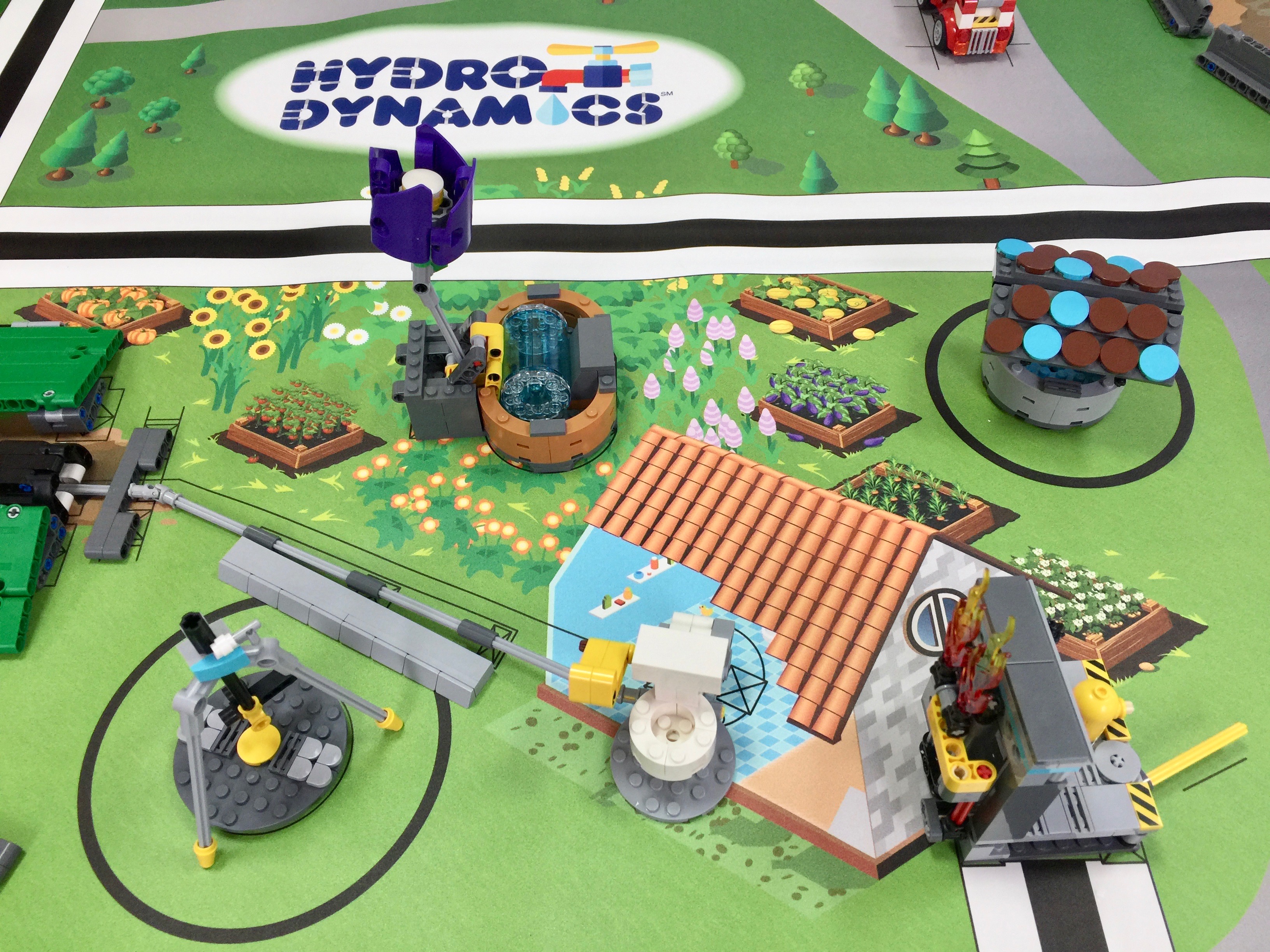
IMG_9928Our team will be programming robots to operate precisely on a colorful mat filled with Lego models of pipes, wells, fountains, gardens, a filtration system and other structures involving water. In one of the 18 possible missions, their robot will need to turn the handle of a faucet, releasing plastic models of water. In another, it must pull a lever that releases rain from a cloud. In others, it must place a water well near a garden, open a valve or drop water into a pot to make a flower rise.

This video shows what they’ll be doing:

Our students will also need to give a presentation in which they share an original idea for solving a problem involving water. Their overall score will assess their research, presentation and teamwork skills as well as their programming prowess.

Ialoveni’s library, Biblioteca Publică Orășenească “Petre Ștefănucă,” is among several public libraries participating in the competition with support from Novateca, the NGO that’s been a driving force in modernizing public libraries across Moldova. (See my recent post describing Novateca’s remarkable impact in our area.)

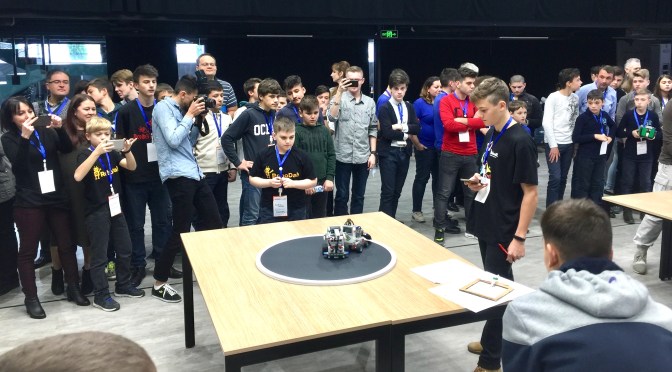
On Monday and Tuesday, my colleague Lidia Rusu (shown above) and I participated in a training session for the new competition. Novateca organized the program, where we were reunited with many of the libraries we met at November’s SumoBot Challenge at Tekwill, which I showed in this video. The librarians have formed a Facebook group to stay in touch, share ideas and encourage each other as they compete against teams from schools and other groups.

Our students are now building the Lego structures for the competition and starting to think about their research project. After Christmas, they’ll need to decide which of the 18 missions to undertake, and then start modifying, programming and testing their robots.

Raise your hand and wish us luck.


Sumo Robots Video

Student teams from across Moldova battle with “SumoBots” they built and programmed. Our Ialoveni library team participated in this educational competition at Tekwill in Chișinău. The video is also viewable on YouTube.

Robots Video

Students at Ialoveni’s library are learning to make, program and operate robots. See post with the full story.

Robots at the Library

If “robotics” sounds daunting to you, well, it did to me, too.

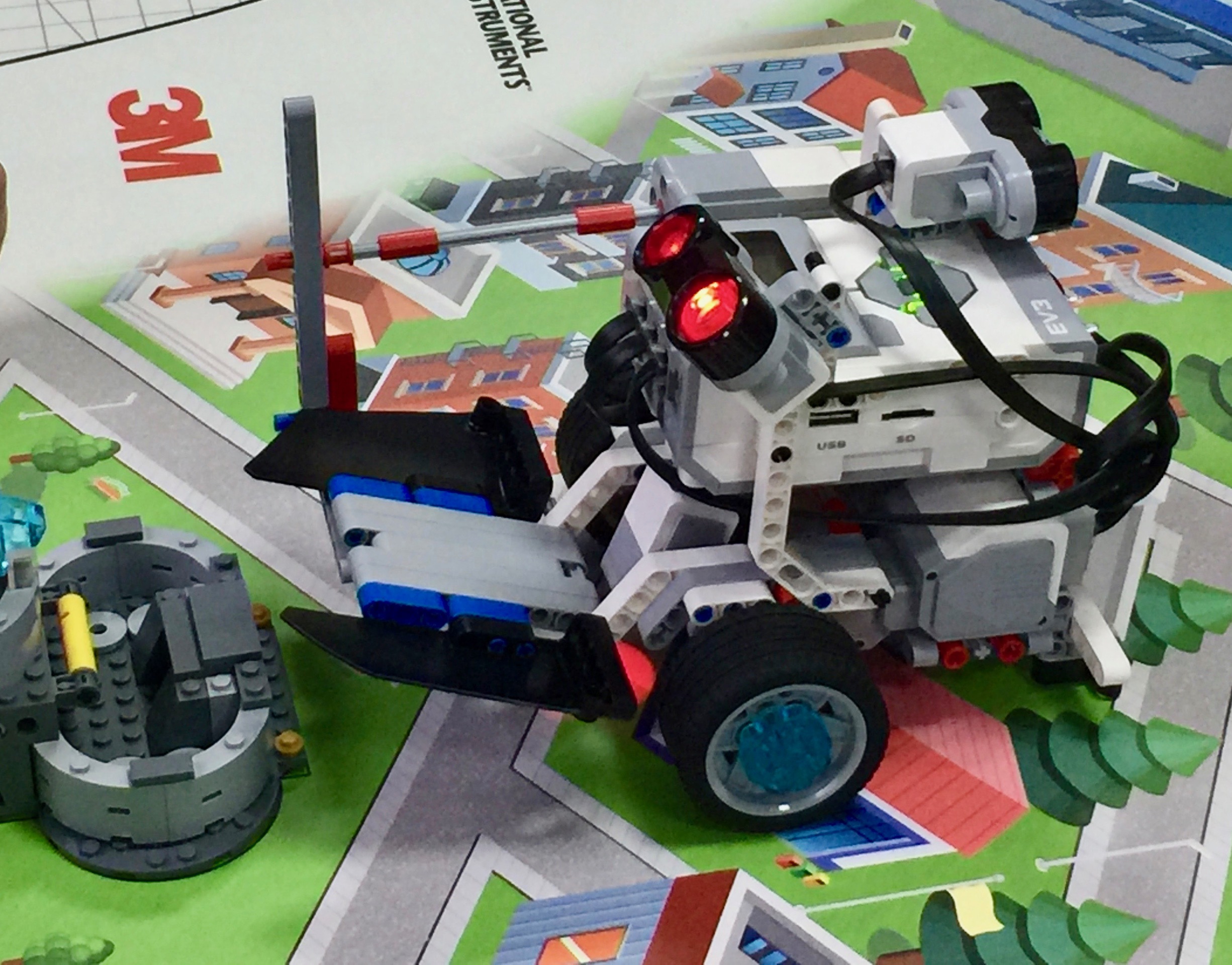
Then I agreed to help launch a robotics program at the library where I work as a Peace Corps Volunteer in Ialoveni. Now I can program a small robot to roam around the room, pick up objects, avoid collisions and roar like a dinosaur.

IMG_7825

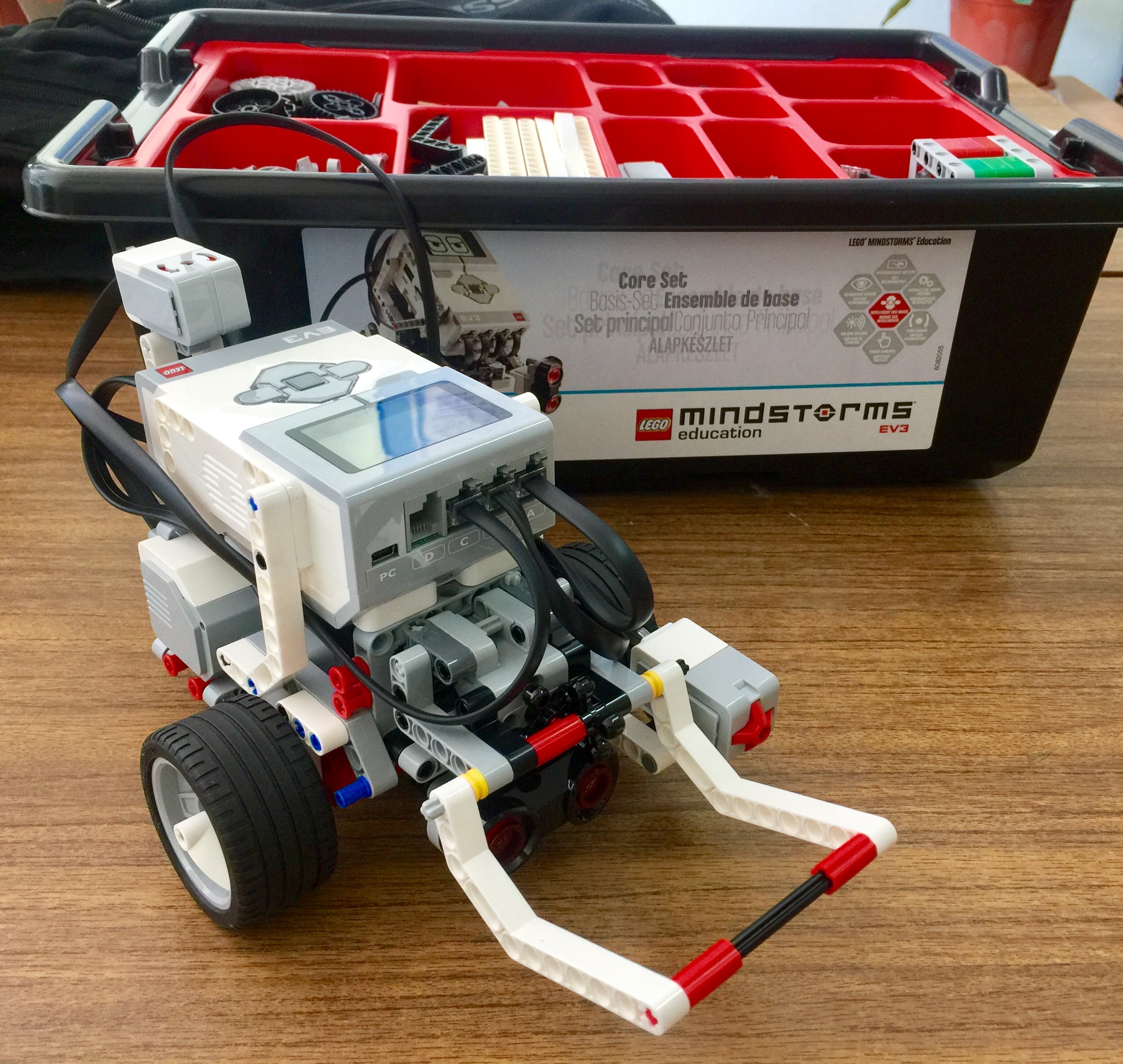
More important, so can the students that my library colleagues and I have been teaching to do this and more with the Lego Mindstorms EV3 kits we received from Novateca, a nonprofit organization that promotes innovation among Moldova’s libraries.

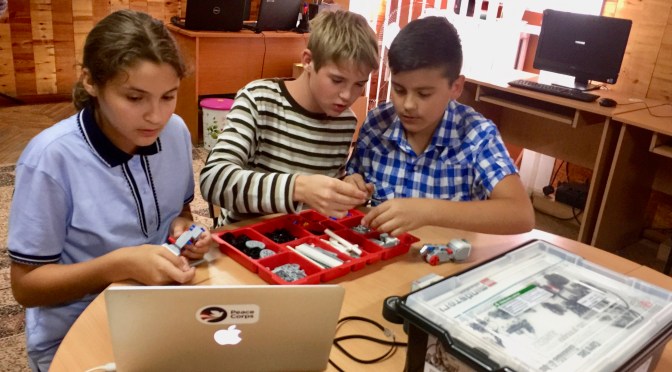
We started with two weekly robotics classes. Word spread, more kids came, and we added a third class, and then a fourth, including one especially for girls. The kids keep coming, with their parents often lingering to watch.

IMG_7849

Students in the United States and around the world use the same kits, which combine familiar Lego components with a brick-shaped computer. You program the brick and then snap it together with the other pieces to create a vehicle that moves, a dog that barks or something else.

IMG_7674

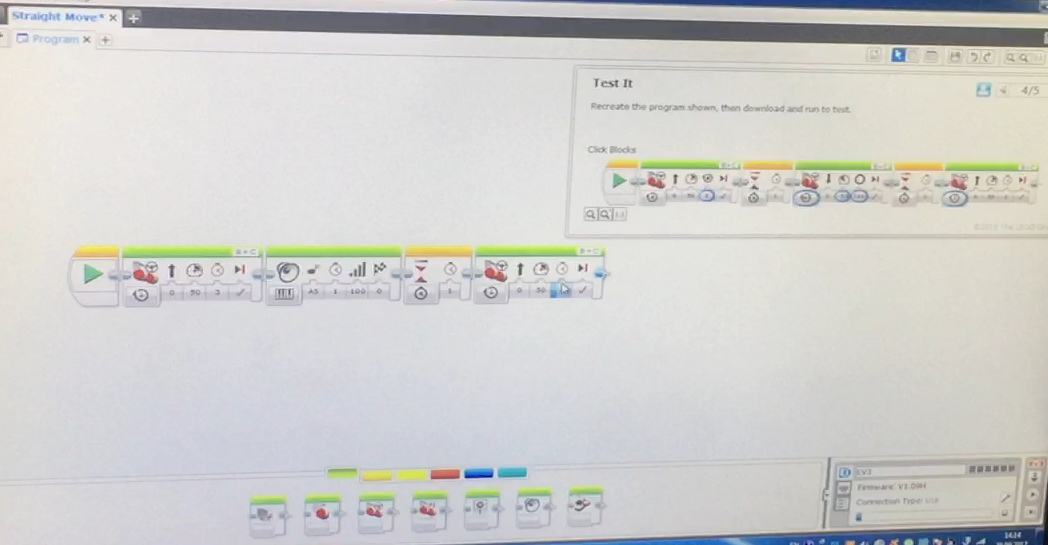
The software is colorful and easy to learn. Here in Ialoveni, we now give new students a brief introduction and then set them loose on the first program, which tells a robot to drive forward, back and forward again. Within a few minutes, they’re clicking away. On Thursday, several new students needed less than 15 minutes to finish the first program. Then they started modifying it to make their robots rotate, pause, speed up or make funny sounds.

We’re hoping to form a Ialoveni library team to compete in Moldova’s upcoming Lego League competition, where the winner will move on to compete internationally.  (Here’s a YouTube video of last year’s event in Chișinău. My own video about Ialoveni’s program is posted above and also is on YouTube.)

Lego program

Lidia Rusu and Sergiu Blajinschi are my fantastic partners. They form groups for each lesson, work with every student, explain everything patiently and cheer as the robots perform. It’s no wonder the students are so enthusiastic.

The Lego EV3 core set costs $500 on Amazon back home. An expansion kit to build an elephant and other projects costs $154 more. That’s expensive, so it’s worth looking for a school program or club to join. If you have the money, though, and want to get a young person excited about engineering, you won’t be disappointed, so long as you both have some basic computer skills and comfort with technology. No one needs to know when you spend hours playing with it, too.

IMG_6977