All posts by djarmul

I am a Peace Corps volunteer in Moldova, in Eastern Europe, serving in the small city of Ialoveni with my wife, Champa. We are from Durham, N.C., where I was the head of news and communications for Duke University. You can follow our adventures on my blog, notexactlyretired.com.

Signs for Staying Weird

FullSizeRender 267

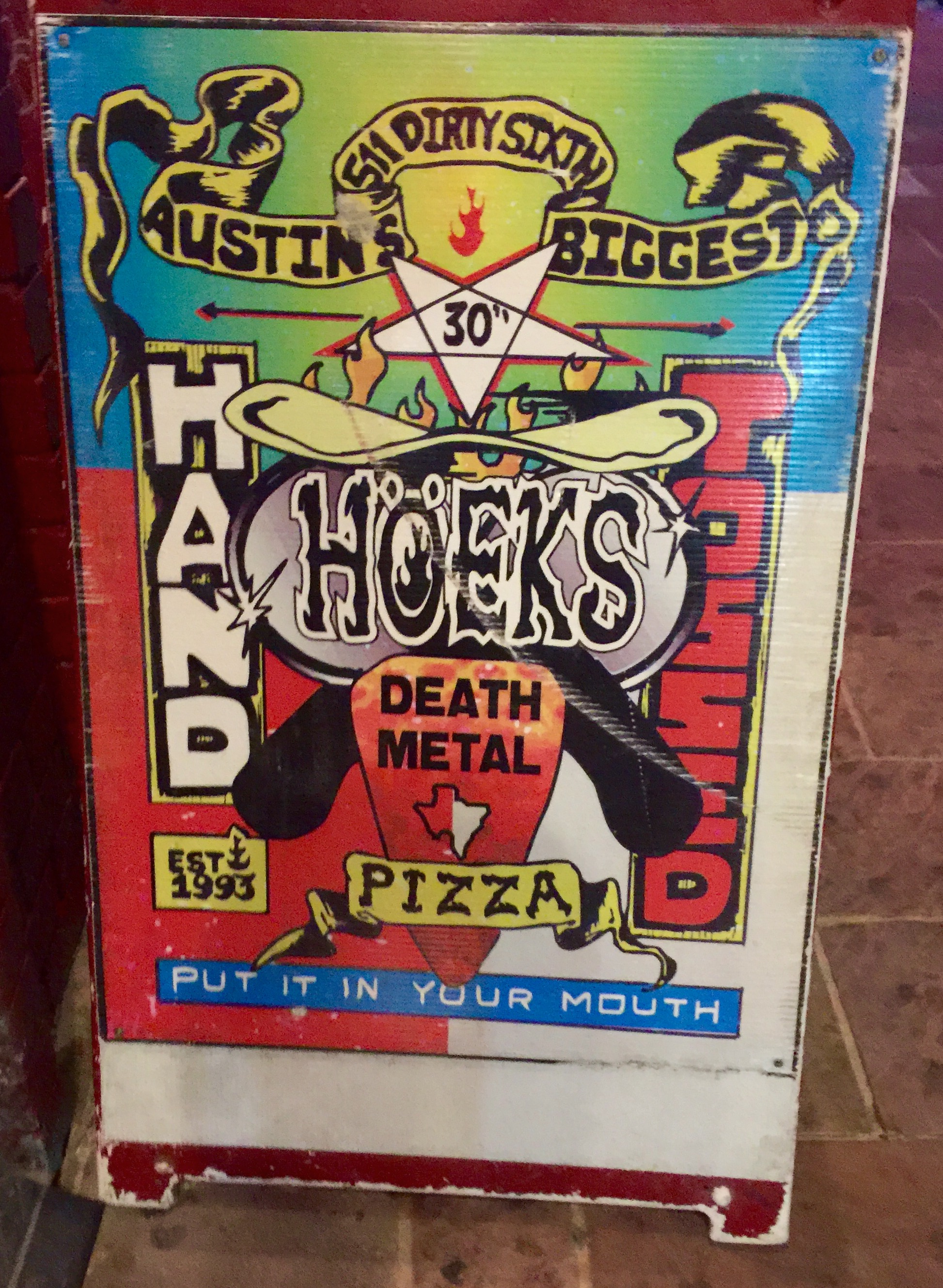
I bet that sign got your attention.

As someone who works in communications, I’m always interested in how people and businesses share their messages. Champa and I saw some funny examples Wednesday night as we strolled along Sixth Street, the heart of Austin’s bar scene. Here are a couple of the other signs we passed:

FullSizeRender 266 FullSizeRender 264

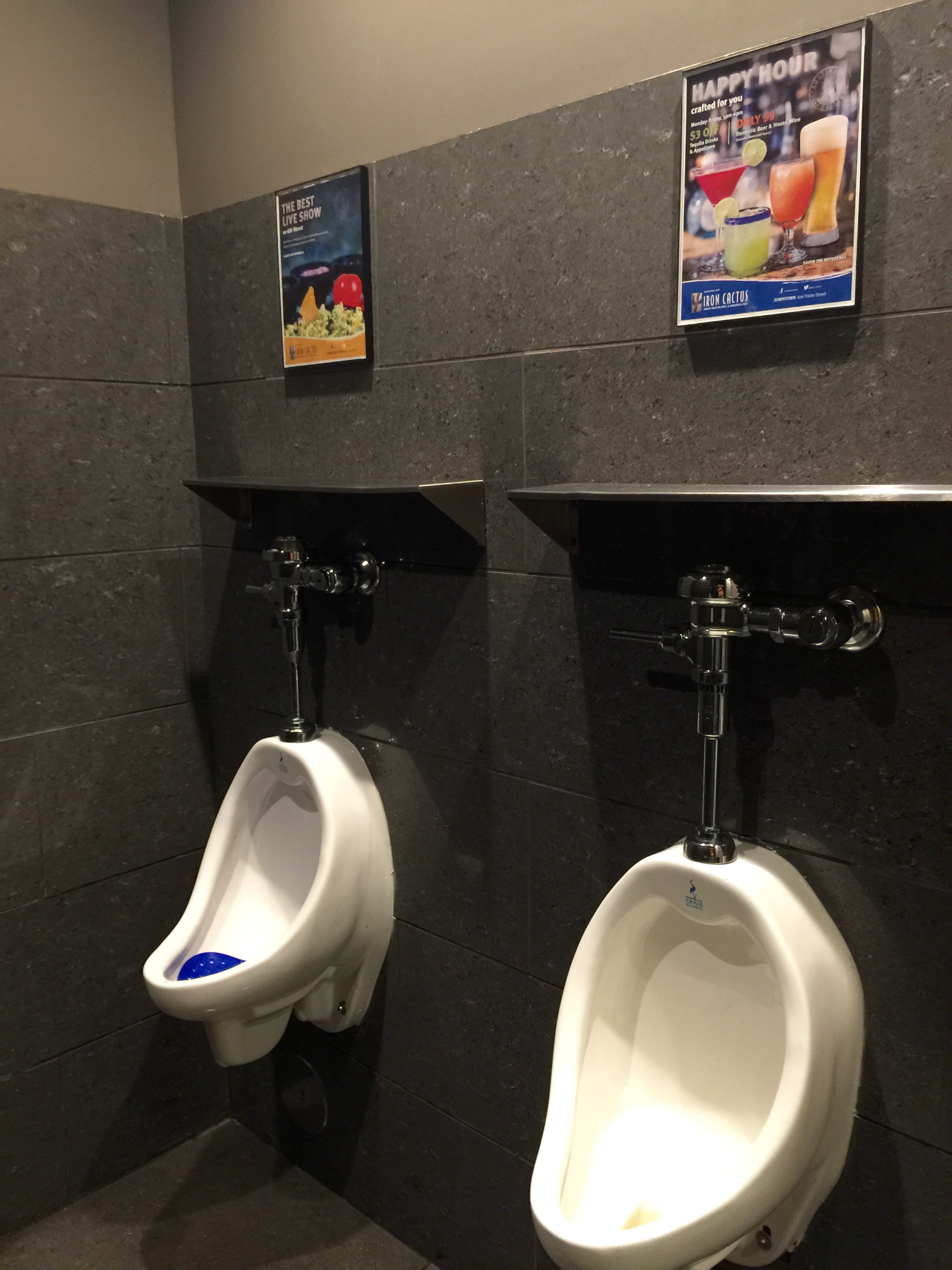
There was even advertising above the urinals in the men’s bathroom:

FullSizeRender 263

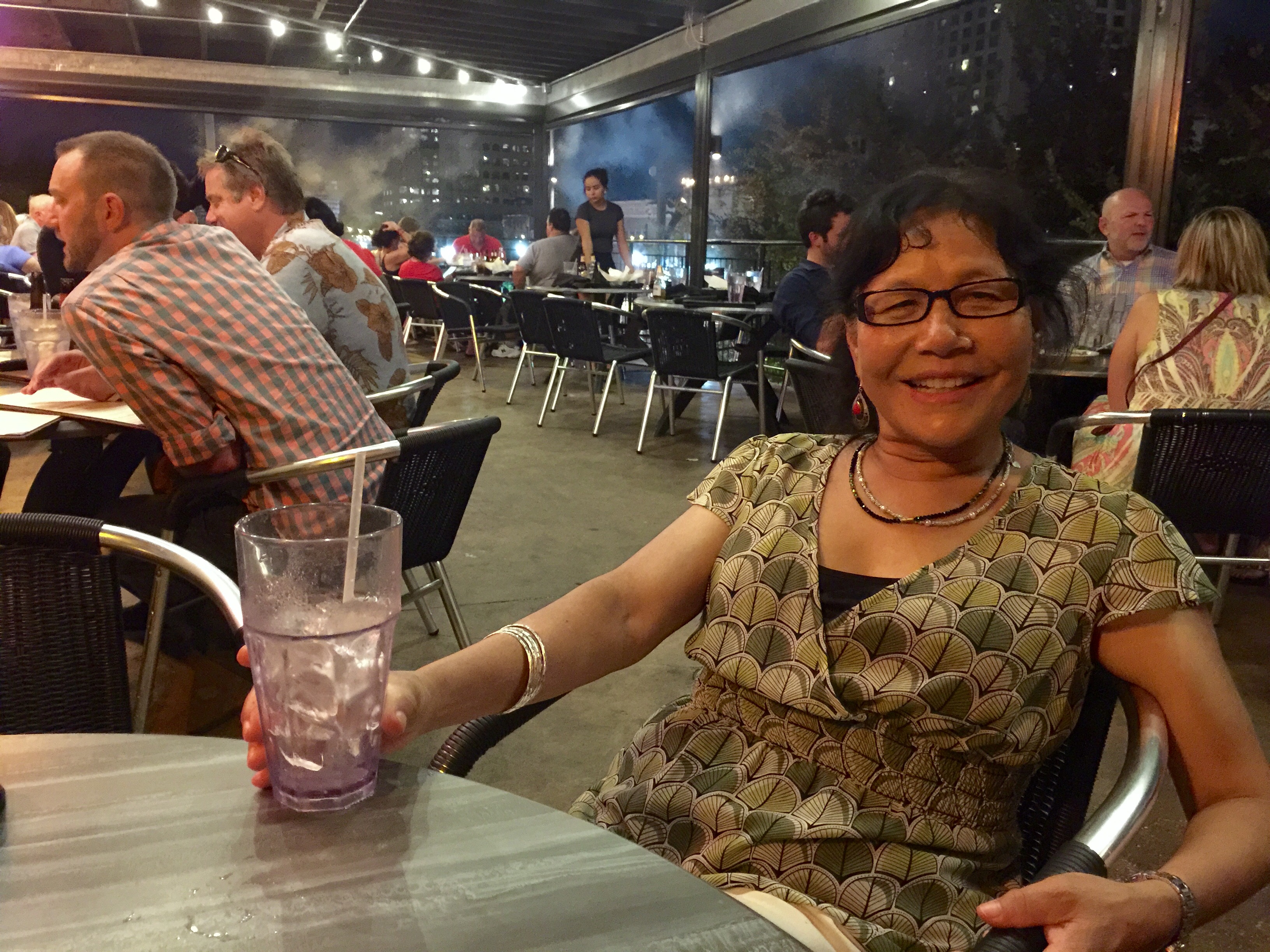
Here’s one interesting statistic from our evening: Of the nine middle-aged women sitting near us in the restaurant, eight had blonde hair. Welcome to Texas! Here we are, with me doing some research. (We’re drinking water. Really.)

FullSizeRender 262 FullSizeRender 268

We hope Austin stays weird, as its slogan says. Great town! Now, on to New Orleans.

Our ‘Unprotected’ Border

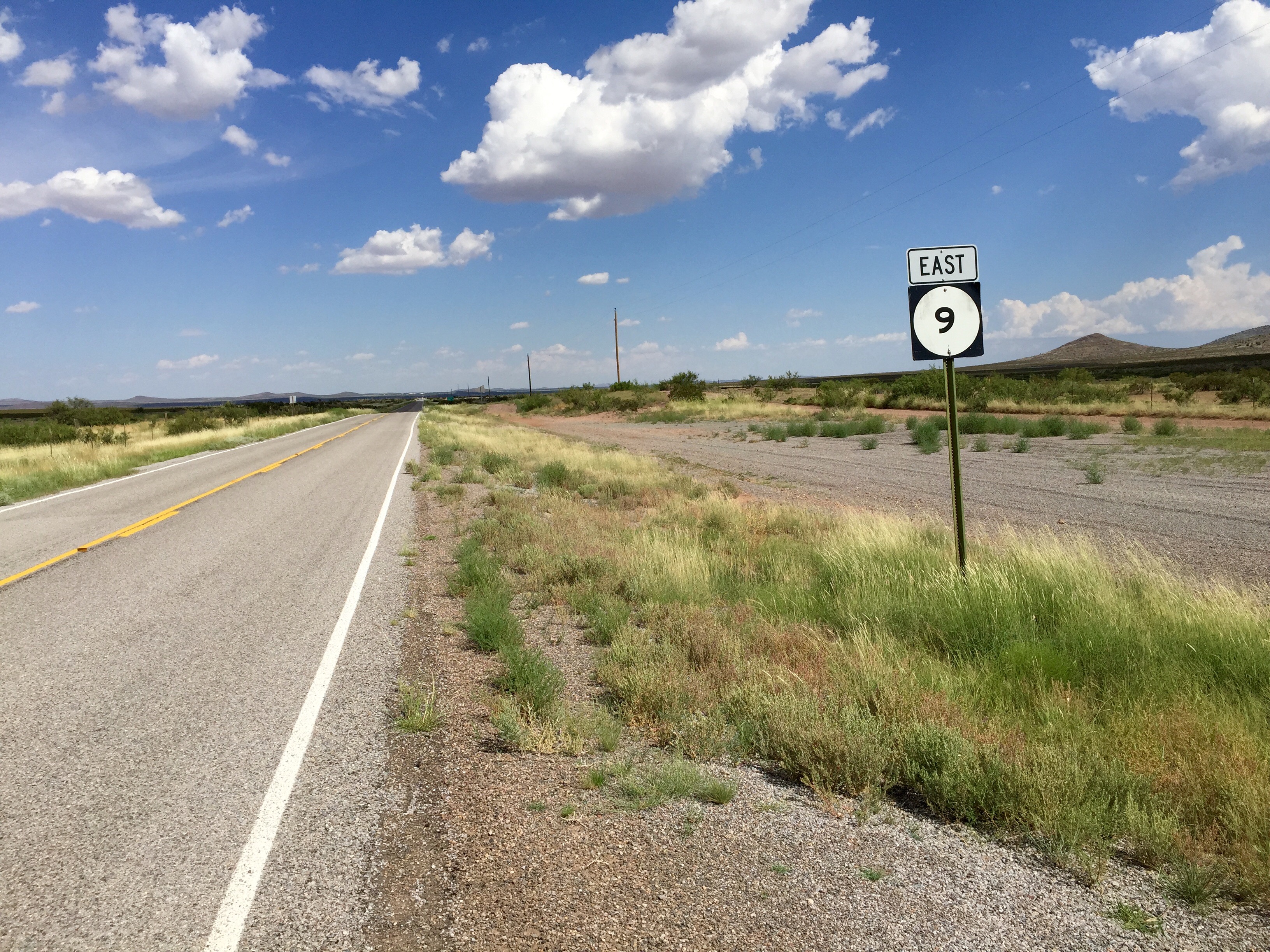
If this video snippet that we shot along Route 9 in New Mexico looks like nothing more to you than an empty highway, look more closely. What you’re seeing is one of our country’s biggest controversies: its “unprotected” southern border.

We shot the video on Monday while driving from Tucson through Arizona and New Mexico into Texas, where we finally stopped for the night east of El Paso. (We’ve since moved on to San Antonio, to be followed by Austin and New Orleans.)

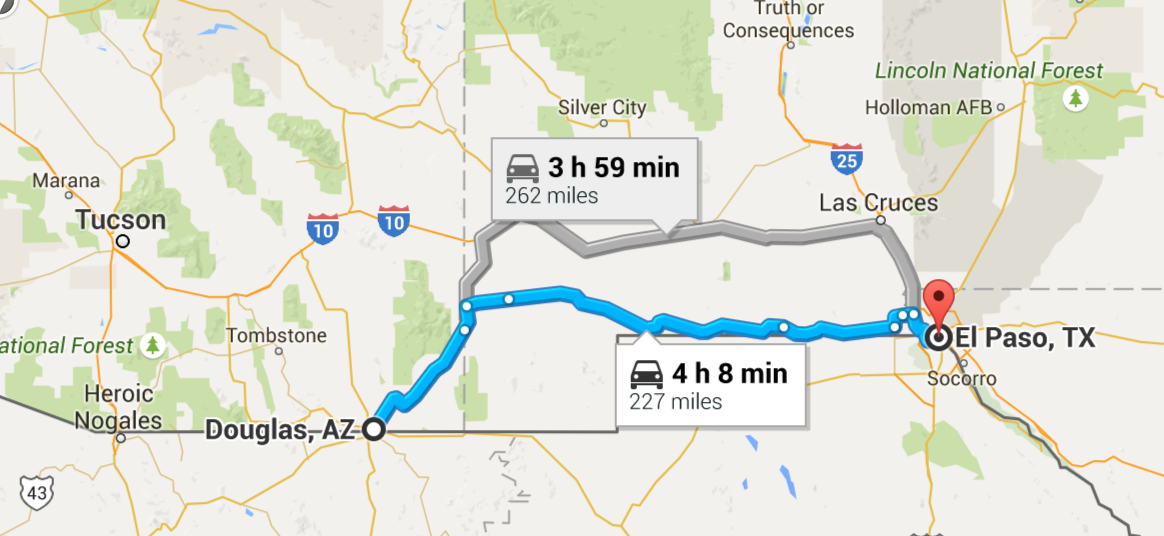
We expected this long drive to be highlighted by our morning stops in the tourist towns of Tombstone and Bisbee, as well as Douglas, all in Arizona. Instead, since we steered off Route 10 to travel along Route 40 and Route 9, we spent most of the day thinking about our country’s immigration controversy. (We traveled the route shown in blue on the map instead of the more conventional route shown in grey.)

Screen Shot 2015-08-18 at 6.55.27 PM

IMG_2707Route 9 straddles the U.S. border with Mexico, which makes it a focal point for the U.S. Border Patrol. It was pretty empty when we traveled it. Minutes might pass before we saw another car. Even though the road is in good condition and its speed limit is 65 miles per hour in most places, it didn’t attract many drivers.

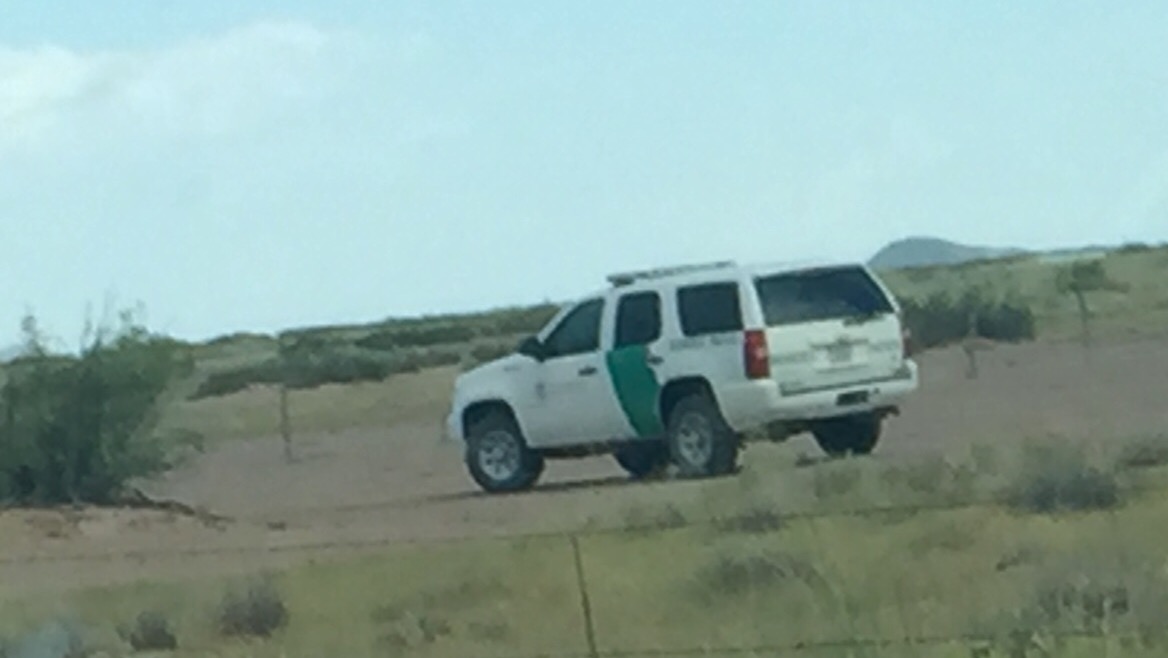
IMG_2717What we did see was the Border Patrol, driving on the road, parked along the shoulder or otherwise making its presence felt. Champa and I kept count: along the 227 miles between Douglas and El Paso, we saw the Border Patrol 11 times.

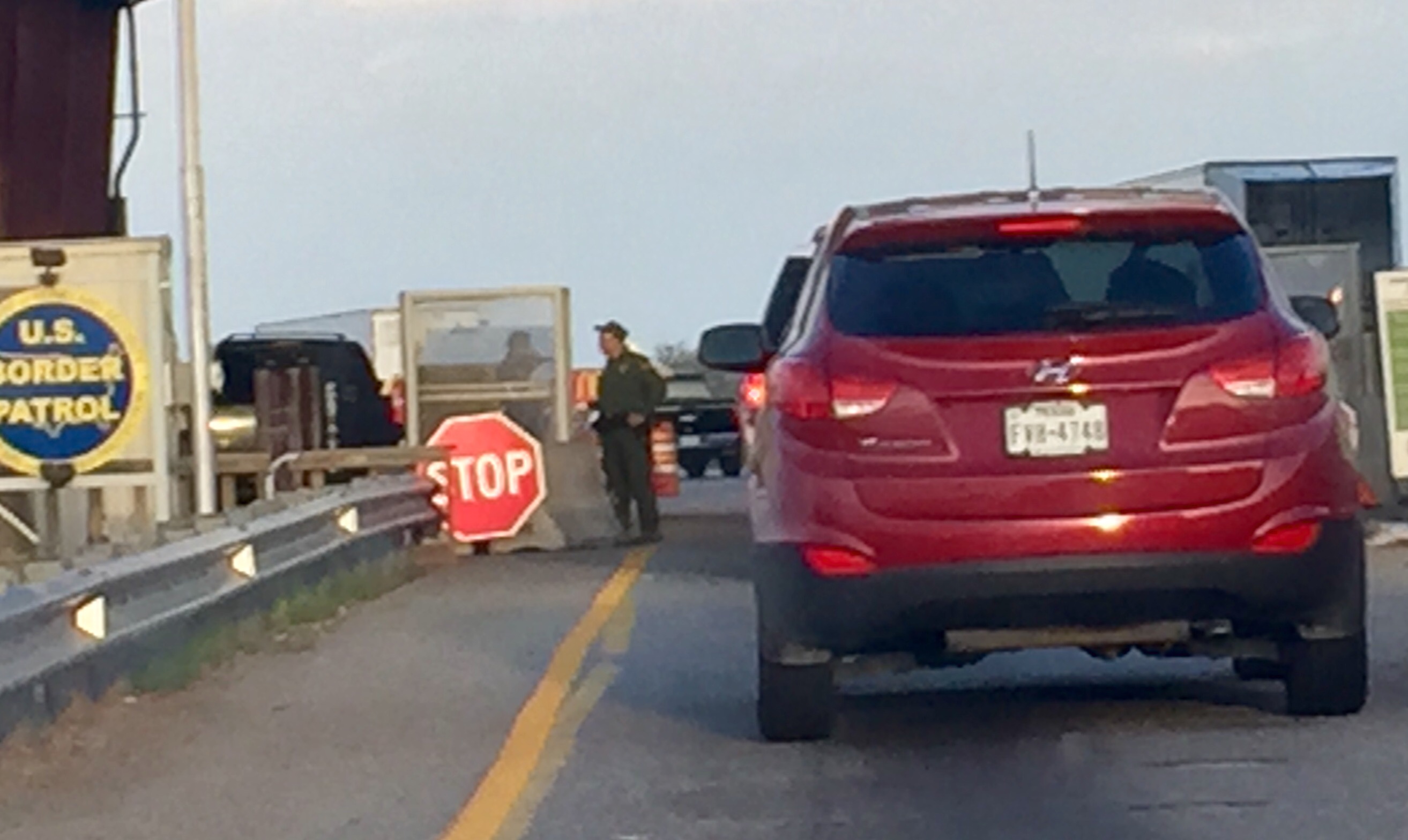
IMG_2727After we entered El Paso, where Mexico’s Ciudad Juarez is so close you can almost look inside people’s homes, we continued to see the Border Patrol. For instance, we stopped at this checkpoint long after we passed through El Paso.

If you do the math, we saw the Border Patrol once every 20 miles or so. Of course, that’s only what we saw from the road. Presumably, there were many more Border Patrol vehicles closer to the border, not to mention aerial surveillance and who knows what else.

Is that a big presence, given the scope of the controversy? I claim no expertise and can’t even venture a guess, much less offer a solution for the complicated politics, ethics and other aspects of the immigration debate. All I know is that for us, two Americans from North Carolina, it was sobering to confront — and to ponder all the lives, resources and controversy represented by this glimpse. As we experienced earlier with Western wildfires and California’s drought,  we came face to face with an issue that had previously been an abstraction. Our road map didn’t list it but, yet again, we found it just the same.

Same Shops, Different Look

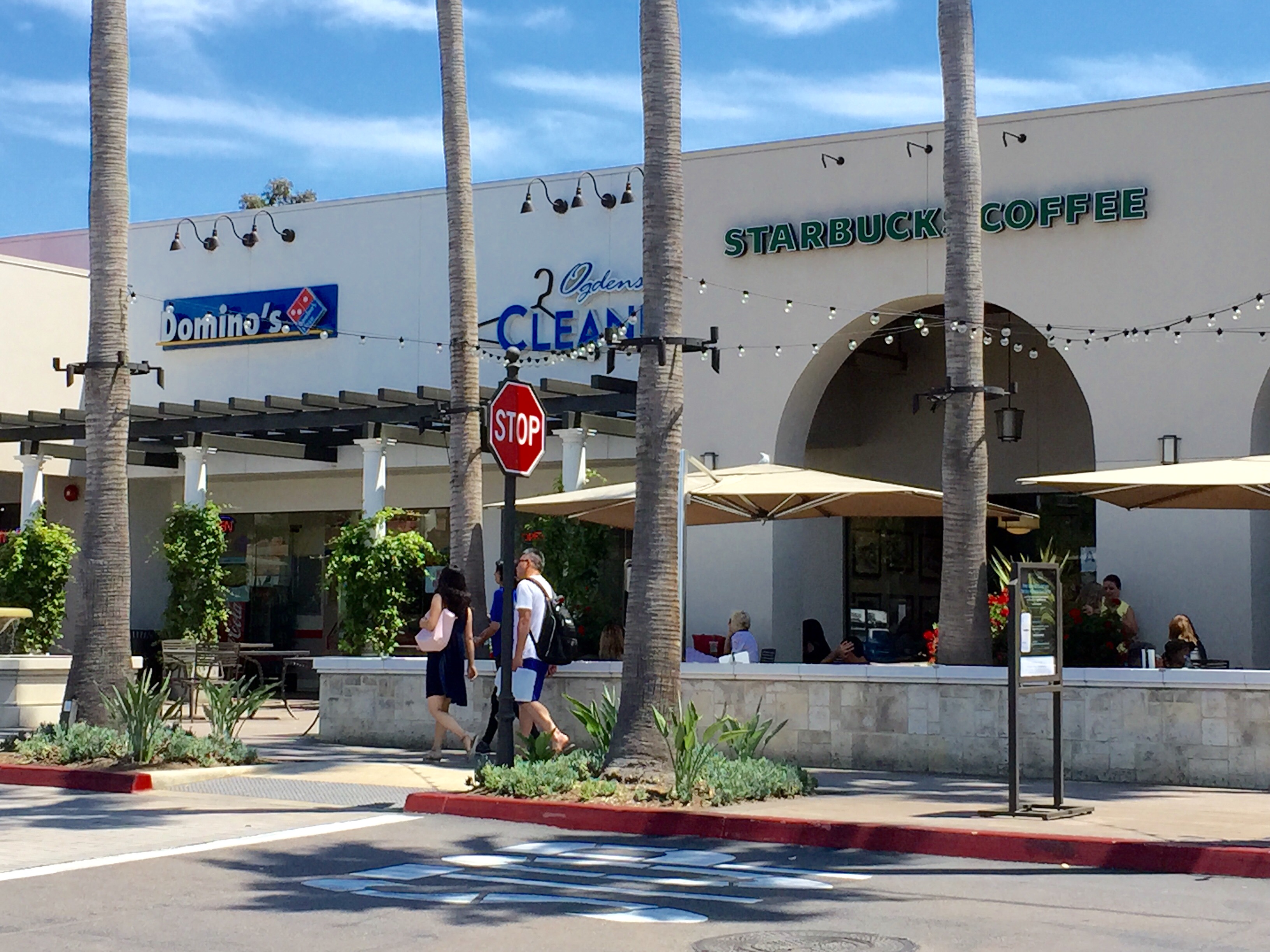
IMG_2506We stopped for coffee at a Starbucks near San Diego this afternoon. The interior looked pretty much like a Starbucks back in North Carolina, but the exterior, shown here, had a distinctly California feel. Likewise for the Domino’s alongside it.

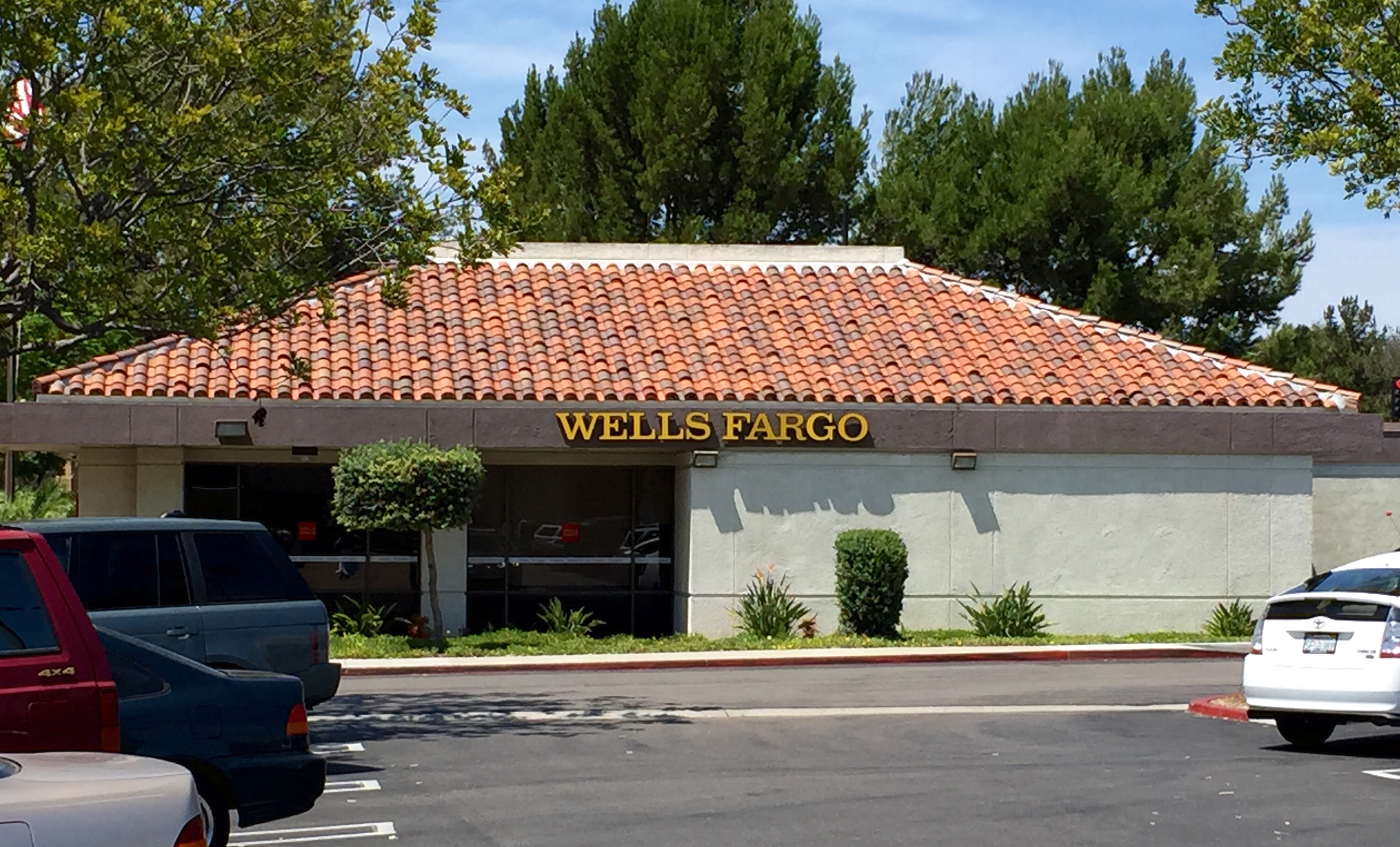
IMG_2509Across the parking lot was a branch of Wells Fargo Bank, with an appearance quite unlike its counterparts back east. You don’t see many red roofs like that in North Carolina, except maybe at a La Quinta hotel or an older Taco Bell.

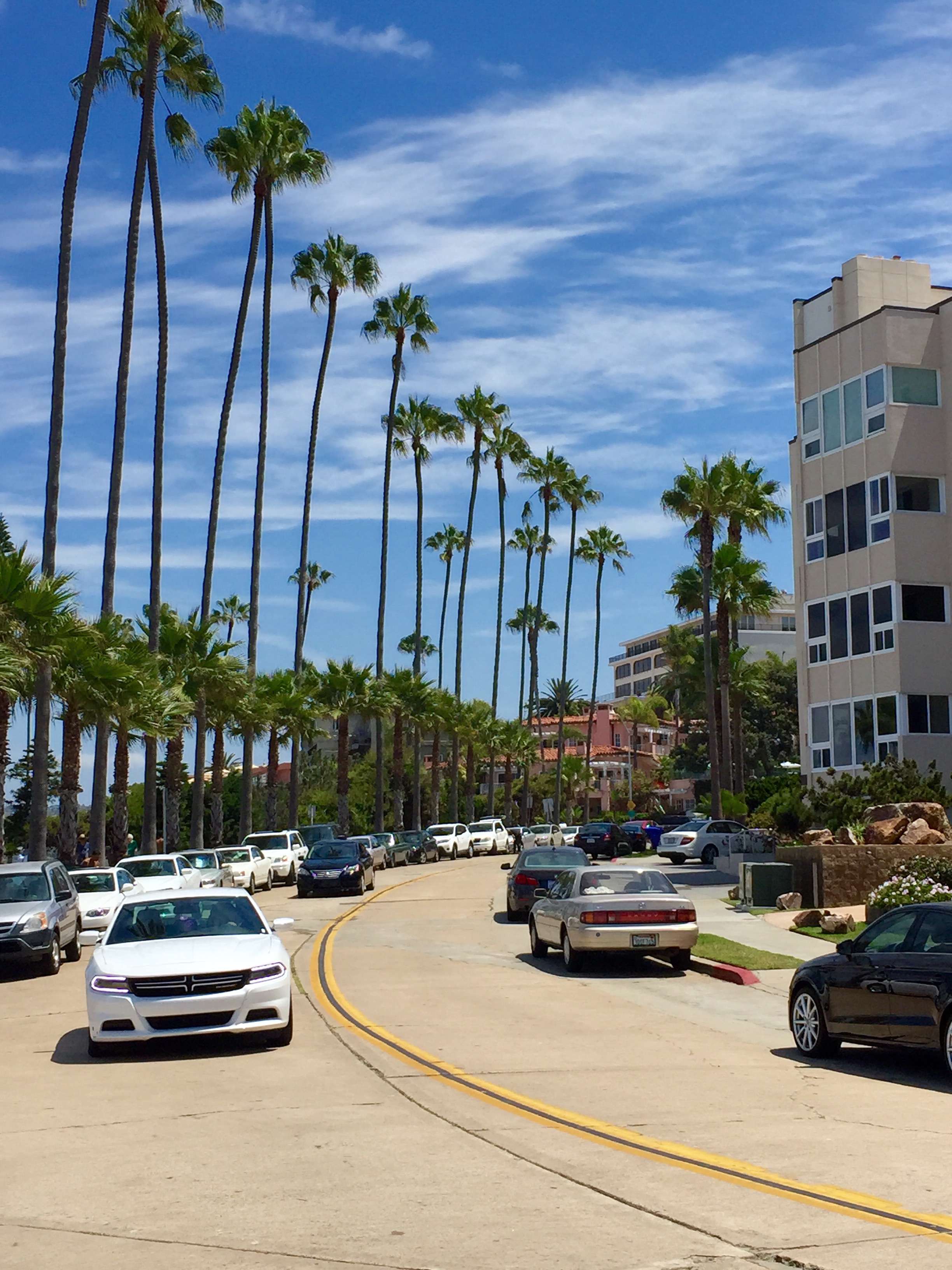
IMG_2475Not far from the shopping center was this street in La Jolla.  With its fabulous border of palm trees, it looked quite unlike 15-501 or any other road in Durham. The Art Deco vibe reminded me of Miami’s South Beach.

As we’ve traveled across the country, we’ve marveled at the changing physical landscape, with cornfields in Indiana and Iowa giving way to vast ranges in the Dakotas and majestic peaks in the Rockies. More recently, along the West Coast, giant redwood forests have been followed by scrublands and crashing coastlines. But it’s not only the landscape that’s changed along our journey; so have the architecture and built environment.

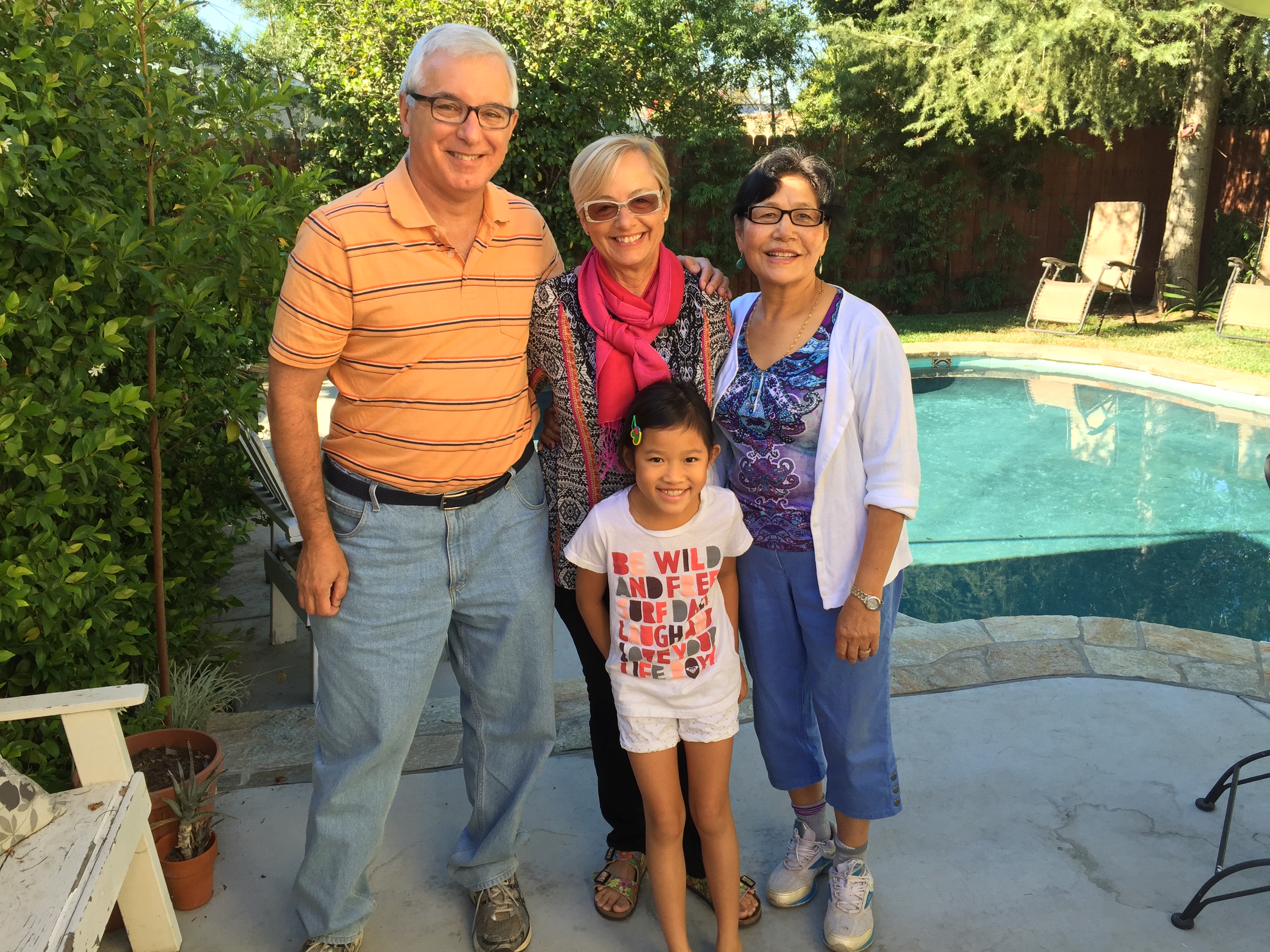
IMG_2352We’ve seen our environment change not only in coffee shops and pizza joints, but also in homes and other structures. In Pasadena, for instance, we stayed overnight with our friend Susan, shown here with her daughter Kai. Her home was built in a traditional California style, with a small pool in the back. (Close observers will recognize the pool as the favorite of a certain gnome.)

To be sure, some businesses and structures here look the same as they do in North Carolina and other parts of the country, albeit with tweaks to meet local building codes. We’ve tracked this as we’ve moved along, trying to figure out where and how things are the same or different, and why. It’s reminded me of those high school exams asking you to “compare and contrast,” although it’s been much more fun.

Tomorrow (Friday) morning we’re driving to Las Vegas, and we’re already wondering whether the Starbucks will feature flashing neon. The oddsmakers say yes. Stay tuned.

The Lake with No Water

FullSizeRender 255On Monday afternoon, we saw a lake with no water. The sight was chilling and showed starkly the severity of California’s drought.

Until this year, Lake Laguna — yes, that translates as Lake Lake — had provided a provided a thriving urban oasis for residents of San Luis Obispo and others along California’s central coast. People brought their boats and children played on the shore. Homeowners constructed docks next to their backyards.FullSizeRender 261

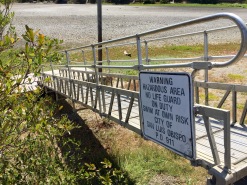
Now those docks rest above a parched lakebed. Children play in the lake, not beside it. Fish are long gone. Signs warning swimmers to take care without a lifeguard remain affixed to docks that rise high above the ground.

Champa and I visited the park while in San Luis Obispo. We had a couple of hours to kill and saw it listed on a website as a nice place to take a leisurely hike. The website did not include the new information that Lake Lake no longer looks like a lake.

We chatted there with a young woman playing with her dog, who told us she has lived in the area her entire life and had never before seen the lake become dry. She FullSizeRender 258described the fish stinking as they rotted a year earlier and wondered aloud whether the lake would ever return.

The drought is unavoidable here in California. But until today, it had been somewhat abstract to us. No longer, and the experience only increases my disgust with timid presidential candidates who insist in the face of overwhelming evidence that climate change is uncertain. Perhaps the next Republican debate should be held here at Lake Laguna, the lake with no water.

French-Fried Artichokes

FullSizeRender 259Sometimes you just have to eat french-fried artichokes for breakfast, with chipotle sauce on the side.

That’s what we decided when driving through Castroville, the self-proclaimed artichoke capital of the world. We saw this road sign and said to each other, “Well we’ve never tried that before.”FullSizeRender 256

Good decision. Friends, you have not truly lived until you’ve eaten a greasy plate of fried artichokes in the morning. The shop also offered artichoke bread, artichoke cupcakes and cream of artichoke soup. (When Champa saw the menu, she started imitating Bubba from Forrest Gump, reciting the many dishes you can make with shrimp.)

As with food at the state fair, we didn’t make the mistake of thinking too hard about the nutritional value of our meal or, for that matter, about our health more generally, at least FullSizeRender 253for a few minutes. As recent members of a university community, we just considered ourselves cultural anthropologists doing original research on regional culinary traditions.

We’ve been doing this regularly during our trip, looking for local vendors and shops offering foods we can’t buy back home.

IMG_2271On Monday afternoon, for instance, we saw this hot dog stand at Avila Beach, near San Luis Obispo. They were selling a “California hot dog” and other items such as shave ice that you don’t usually see back east.

If you’ve read this far, we welcome your suggestions about regional foods we should sample as we head south to San Diego and then east through Arizona, Texas, Louisiana, Alabama and points beyond. We’ll eat them only for anthropological reasons. We promise.

What should we try?

Where We’ve Gone So Far

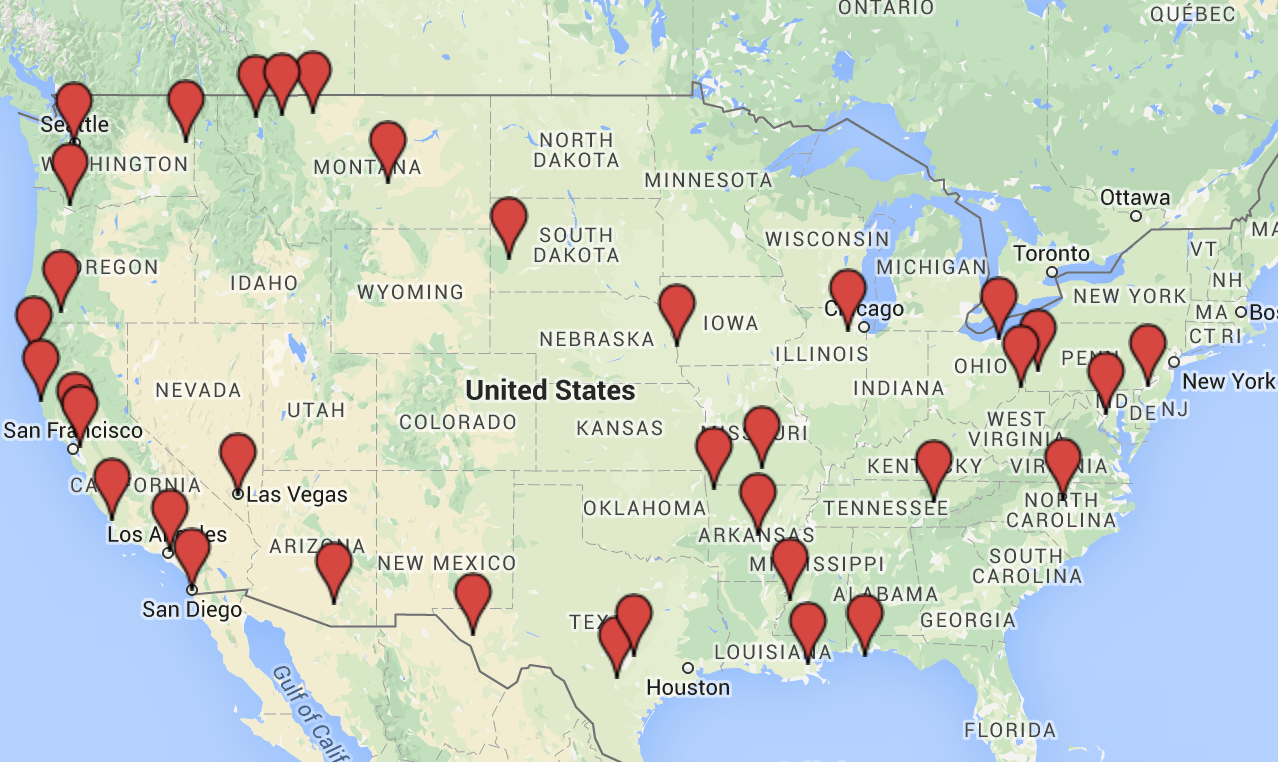
Rock stars in Cleveland. Corn fields in Iowa. Badlands in South Dakota. Redwoods in California. Since we left Durham a month ago, our journey has taken us to lots of places. We’ve creatimageed a map to help you (and us) keep track; just click on this link:

https://www.google.com/maps/d/edit?mid=zahKqZ4oy7Is.kYh-8-qyVGxw&usp=sharing

We’re now wrapping up a final day in Berkeley before embarking tomorrow (Sunday) morning on the second half of our U.S. journey. We’ll be stopping in San Luis Obispo, Pasadena and San Diego, then turning east across the southern part of the country,

Once again: off we go.

A Vacation Becomes a Journey

IMG_1788Our vacation is becoming a journey.

A vacation is a break from a job, school or other routine. You pack your bags for a week or two, recharge your batteries and return. Until recently, our trip felt like a vacation, even though we knew we weren’t returning to our old lives.

But now, one month since we left Durham, things feel different. We have settled into the rhythms of the road. Every day we are absorbed with how far we will drive, what we will see, what we will eat. I’ve barely looked at a newspaper. With every mile, Duke and Durham recede.IMG_1914

IMG_1979Our days have been so full. Since we left Portland four days ago, for example, we’ve hiked several times in redwood forests, explored a marsh and bird sanctuary and watched the sun set over the Pacific. We’ve seen young people smoking grass on the streets of Arcata, dodged wildfires and sipped wine in Napa. We’ve lived every moment.

FullSizeRender 252Of course, we miss our family and friends — deeply. But as we near the halfway turn of our trip, we no longer feel like we are “on vacation.” We know now, emotionally as well as intellectually, that we are on an amazing journey, with at least another month to go — and that’s only for our U.S. travels. Nepal still awaits beyond that.

We hope you are enjoying the trip with us. Please do let us know.

Pick Your Favorite Porn

That title got your attention, didn’t it?

I’m expanding the popular phrase “food porn” to challenge you with a contest that includes not only food porn but also garden porn, nature porn and art porn. Here are two examples of each, all culled from our travels in Portland over the past few days, while visiting with our friends Chiyoko and Mitch. (She is a fabulous cook and gardener. The art is from their beautiful house.)

Share your comments about which kind of photo porn you prefer: food, garden, nature or art. Post them on our Facebook site or via this WordPress blog. Ready? Vote!

Food Photo Porn:

image image

Garden Photo Porn:

image image

Nature Photo Porn:

image image

Art Photo Porn:

image image

Cast your porn vote today!

My New Travel App: Brochures

Travel brochures sound so retro in a world of travel apps and websites. But they’ve brought us a bagful of happiness.

IMG_1533IMG_1537Before we left on our extended cross-country journey, I visited the tourism websites for many of the states we planned to visit. Most of them offered free printed brochures, which I ordered online. Over the next several weeks, as the brochures arrived at our Durham home, I placed them in a plastic bag in chronological order of when we would need them.

As I discussed in a previous post, we don’t have a detailed itinerary, wanting to remain open to serendipity. Instead, whenever we’re about to enter a new state, I reach into the bag, pull out the next brochure and get ideas about where to go. Most of the brochures — a word I use here to include larger booklets and magazines — are professionally produced and filled with helpful information. Many cities offer them, too.

I still use TripAdvisor and other online resources, but the brochures have been a great starting point, especially when I have a bad Internet connection or don’t want to stare at my laptop after a long drive. When we finish with them, I just toss them in a recycling bin. Travel books are helpful, too, but generally more than we need for places we’re typically visiting for just a few days.

As someone who spent 14 years helping to steer a university away from print and into the digital age, and who is enthusiastic about social media, I am surprised to find myself using a plastic bag stuffed with brochures. But many of our country’s state and city tourism offices are producing nice work, and it’s free, so I’m using it. For me, travel brochures are the new app.

Washington State of Mind

Spokane riverfront
Spokane riverfront

Washington State is so much more than Seattle.

We’ve discovered that over the past couple of days as we drove west from Spokane to the Pacific.

image
Rose Garden at Manito Park, Spokane

I’d visited Seattle several times but had never ventured beyond the city to sample the state’s many other attractions.

In Spokane, we visited Riverfront Park, traversing several bridges across waterfalls that ripple through the heart of the city. We viewed the historic Looff Carousel and took a trip on the SkyRide cable car. Then we visited Manito Park, a magnificent botanical center with a Japanese garden, a rose garden and other attractions.

Grand Coulee DamNext we visited the Grand Coulee Dam, which lived up to its reputation as an engineering wonder. The visitor center did a nice job of explaining how the dam was built and of addressing the competing pressures it faces to provide irrigation, flood control, fisheries, electricity, recreation and other needs.

Pybus Public Market, WenatcheeThen it was on to Wenatchee, where we stopped at the Pybus Public Market, and to nearby Leavenworth, whose main street and shopping area are modeled on a Bavarian village.

Leavenworth, WashingtonLeavenworth was like a piece of Germany inserted into the Pacific Northwest — weird, to be sure, but nonetheless colorful and engaging. From there, we traversed Stevens Pass and braved the evening rush hour traffic to Seattle, where we are staying with friends in their wonderful condominium near the Space Needle, overlooking the city.

imageThroughout our journey, we passed wheat fields, canyons, cobalt blue lakes and other sites that reminded us anew how diverse our country is — and how beautiful.

Back in Cleveland, when we were at the Rock and Roll Hall of Fame, Champa and I watched a video of Billy Joel singing “New York State of Mind” along with Bruce Springsteen. It’s his love song to New York State, which is often overshadowed by its famous city. As we drove towards Seattle, I found myself thinking of that song, which perhaps applies here as well. In my own case, at least, I had never looked beyond Seattle to consider the state it’s in, even though the state shares its name with the city where I worked for more than two decades.

As Billy Joel might put it, I now know what I’m needing and I don’t want to waste more time. I’m in a Washington state of mind