Sorrento and Naples

Billionaires. Yachts. Fashion. La dolce vita

Anyone who follows this blog knows this isn’t our usual traveling style, assuming we could afford it, which we can’t. 

However, we’ve spent the past few days living among the beautiful people in Italy’s Amalfi Coast. We window-shopped lemon-themed gifts and colorful ceramics as we toured the scenic towns of Positano, Amalfi and Ravello along the rocky shoreline. We watched boats sail off to Capri. We sampled gelato and sipped limoncello. Outside our window in Sorrento as I write this, a musician is playing “That’s Amore” on his accordion. Really. 

Positano

Amalfi

The Amalfi Coast is unavoidably expensive but we’ve kept to our usual style, such as foregoing an expensive guided excursion to Pompeii by traveling there on our own by train, ordering admissions tickets online and listening to an excellent free Rick Steves audio tour. (It rained but we enjoyed it anyway.)
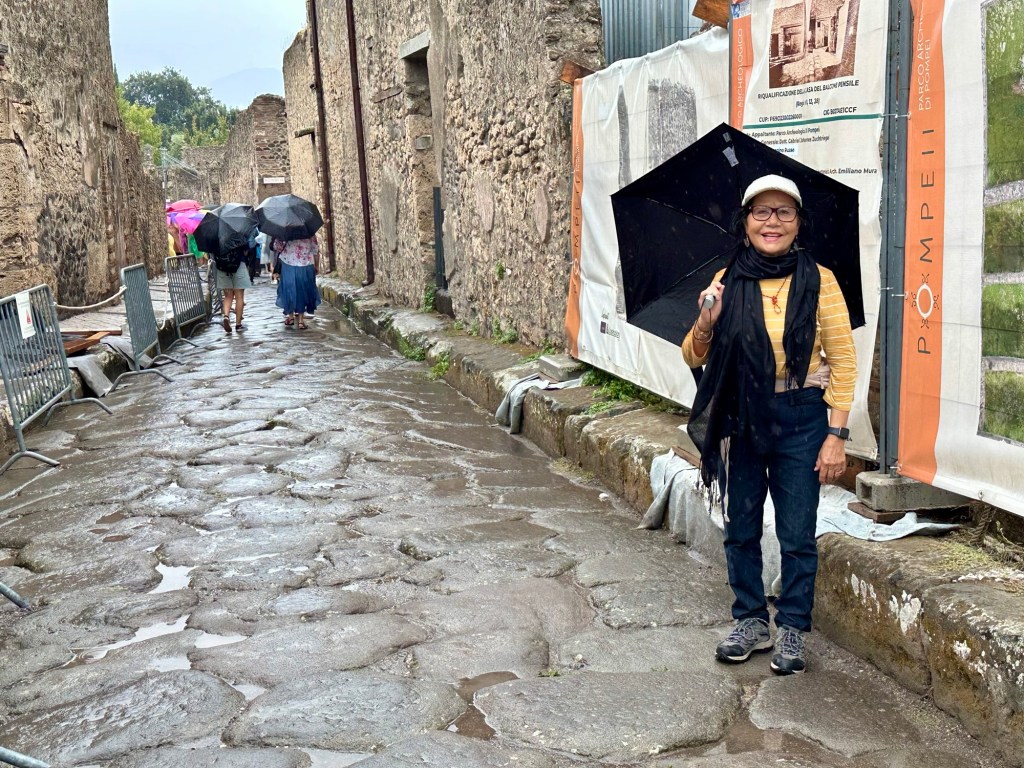
Pompeii

Last night in Sorrento, we assembled a delicious dinner with bread, cheese, peppers and other goodies from a local market. 

The Amalfi Coast is every bit as gorgeous as its reputation, and we’ve enjoyed our version of la dolce vita. However, we felt more at home in Naples, an hour away. 

Naples

Street art in Naples

Naples is Italy’s third largest city, after Rome and Milan, and we loved it. It’s loud and chaotic, with graffiti on the walls and laundry in the windows. Aging buildings, glorious churches, historic monuments and tempting pizzerias provide a backdrop for racing scooters and flirting teenagers. 

Duomo di Napoli

Shrines worship local football legend Diego Maradona along with the Virgin Mary, above.
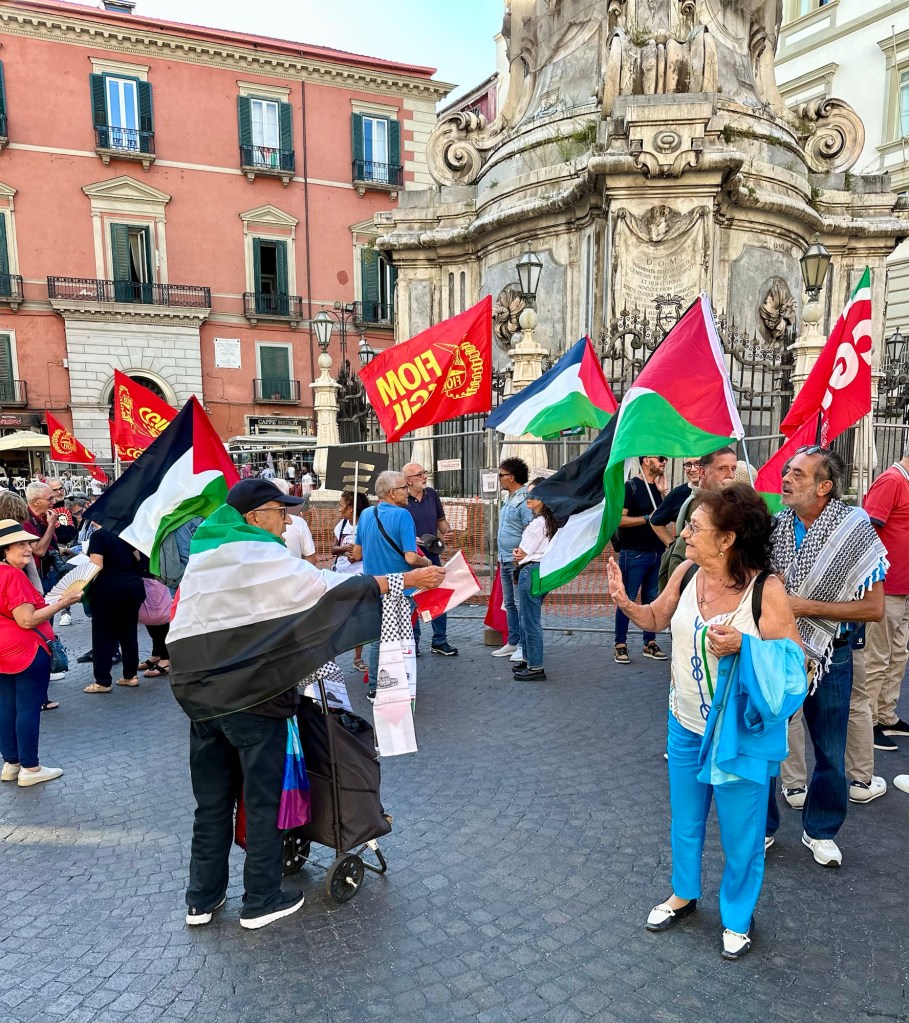
There are plentiful street demonstrations, such as one we saw for Palestine, above, and strikes, like the one that nearly made us miss our train. 
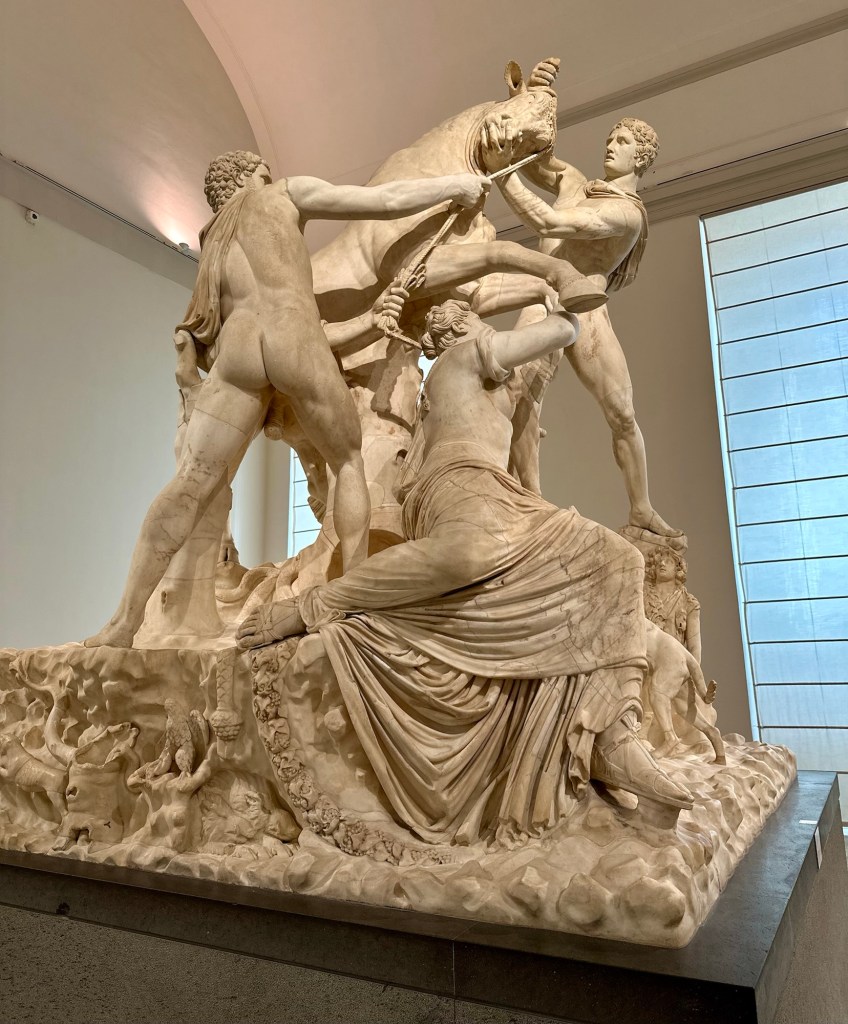
The Farnese Bull at the museum

Our favorite stop was the National Archaeological Museum, with its imposing sculptures and galleries filled with mosaics and other artifacts from the doomed city of Pompeii, whose ruins we visited later. We also rode a funicular up to Castel Sant’Elmo, admired its views of the city and Mount Vesuvius, then took a different funicular down to large plazas near the waterfront. We sampled the gelato there, too. 

Sumptuous Amalfi and vibrant Naples are both part of the Italian region of Campania, which is only one of many regions in this large and beautiful country. We’re heading next to Rome and Florence and look forward to continuing our new love affair with Italy. 

When the world seems to shine like you’ve had too much wine, or gelato, that’s amore. 

Signs of Death

Here’s something you don’t expect to see if you’re an American taking a walk near your home: a poster telling you that one of your neighbors just died.

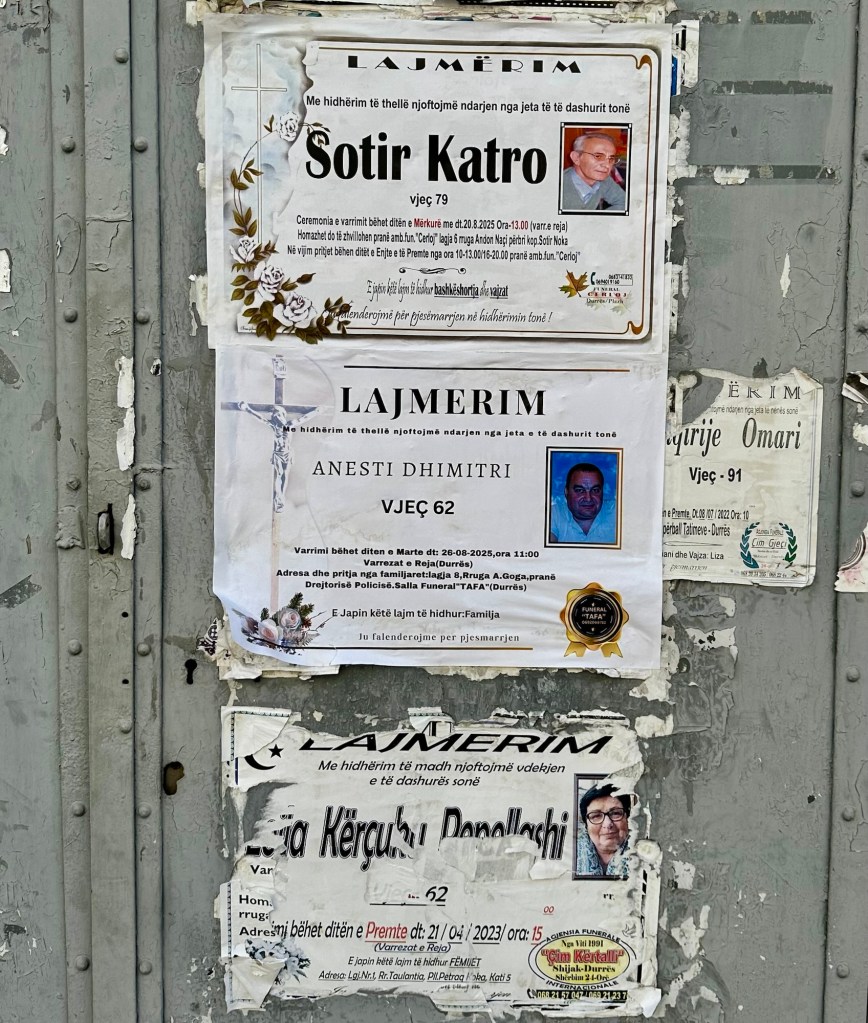
We’ve seen these death notices throughout our travels in the Balkans and now in Italy.

Gjakovë, Kosovo

Across the region, families place notices about their departed loved ones on public walls and elsewhere. The posters typically include a photo of the deceased and facts such as their age and next of kin, along with funeral plans. In other words, much like a death notice or brief obituary in the United States.
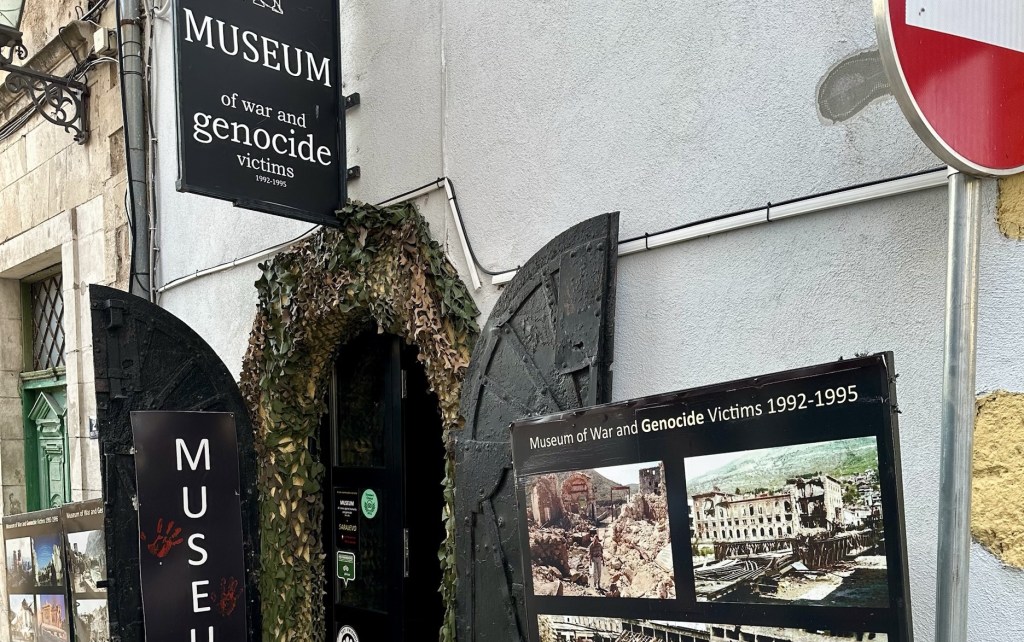
Mostar, Bosnia and Herzegovina

However, the posters are much more public than a typical American notification. They’re a quick way to alert neighbors who may not be connected online or read a newspaper.

As the comedian George Burns famously said, “I get up every morning, read the obituary page. If my name’s not there, I have breakfast.”
Durrës, Albania

I’ve found something comforting in how this tradition is being maintained, in both Christian and Muslim communities here, while our own methods of announcing deaths evolve rapidly. Published obituaries in local U.S. papers have given way to Legacy.com, Facebook memorials, e-mail chains and other online systems. Social media is now the first place we learn of many deaths. The notifications themselves may be less formal, more personal, even funny.

Bari, Italy

I didn’t expect to spend time thinking about death customs during this trip but the posters are omnipresent. As someone who publishes almost exclusively online these days, I like how these posters brave the elements and slowly decay, like death itself.

When I’m back home in North Carolina and taking my daily walks, I’ll miss seeing them.

Naples, Italy

Top photo: Naples

Exploring the Balkans

We loved the Balkans during a three-week visit we just completed — well, except for one famous spot I’ll mention in a moment. (Hint: we survived it better than Cersei Lannister did.)

American tourists have visited Greece for years but only recently began exploring the rest of the Balkans in southeastern Europe. Croatia has become very popular. Both Montenegro and Bulgaria, which we visited previously, are attracting growing numbers, too. Albania is emerging from decades of mystery to become a new hot spot. 

Zagreb, Croatia

Other Balkan countries we visited on this trip — Kosovo, North Macedonia and Bosnia and Herzegovina— still feel off the beaten track, but their tourism infrastructure is expanding as well. Slovenia, which was among our favorite stops, was part of the former Yugoslavia but is northwest of the Balkan Peninsula.

Kotor, Montenegro

Why are Americans and other foreigners finally taking note of the Balkans? For starters, they’re beautiful, with a history that spans the Roman and Ottoman Empires through Communism and the breakup of Yugoslavia. Bloody conflicts that raged in the 1990s have given way to peace and growing prosperity, as we saw in Bosnia and Herzegovina. Tourists find reasonable prices, safe streets and local people eager to welcome foreigners.

Mostar, Bosnia and Herzegovina

We wanted to experience the Balkans before they become just another stop on the European tourist trail. We’re glad we went when we did. 

The map shows where we stopped. We visited Slovenia and Croatia on our own (see my post about Ljubljana and Zagreb), then joined a small group with an excellent Albania-based company, Choose Balkans, to tour the rest. We spent extra time in Albania’s capital, Tirana, then ended in the historic port city of Durrës for an overnight ferry to Italy — the next leg of our trip. 

Lake Bled, Slovenia

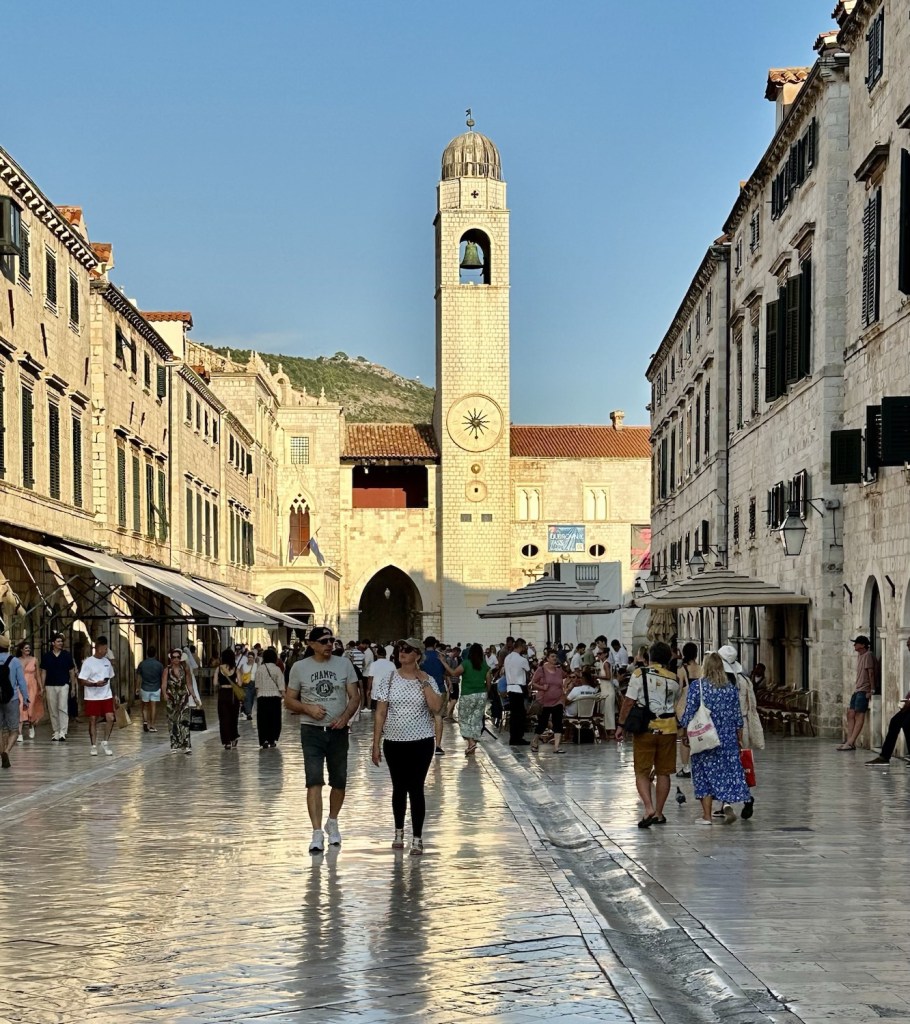
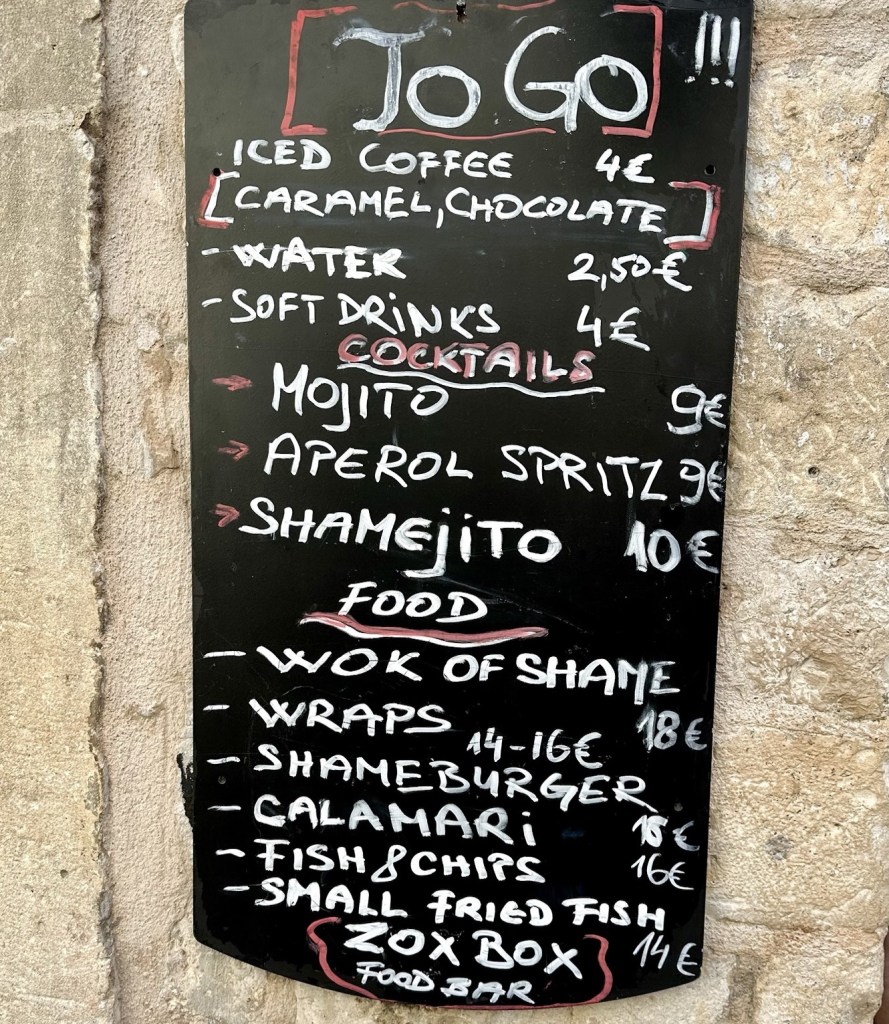
Here are just some of the many memorable places we visited, ending with the one place I didn’t like, namely Dubrovnik. It’s Croatia’s spectacular walled city, the most popular spot in the Balkans, attracting 1.35 million visitors in 2024. Dubrovnik was the setting for King’s Landing and the Lannisters in Game of Thrones. To me, though, it felt like an overpriced Disney theme park, swarming with tour groups and people taking selfies even after the peak summer season. 

I’m sorry to say this about your home town, Cercei. Thanks for not tossing me off the fortress walls or blowing up our Airbnb.

Sarajevo, Bosnia and Herzegovina


Shkodër, Albania


Prizren, Kosovo

Dubrovnik, Croatia

Top photo: Church of St. John at Kaneo, Lake Ohrid, North Macedonia 

Rest Stop Paradise

I’ve discovered paradise in an unlikely place: highway rest stops in the Balkans. 

They have great food at reasonable prices, comfortable dining rooms, immaculate bathrooms and other amenities. They’re places you want to stop. 

By contrast, most highway rest stops in the United States are, at best, functional. Their food options typically range from vending machine candy bars to overpriced Auntie Anne’s Pretzels and Cinnabons. You often have to wait in a long line to buy coffee or a burger from an overworked employee, then eat with plastic utensils at a nondescript table. Toilet stalls in the rest rooms may be broken and noise from the hand dryers can be deafening. 

Not all U.S. rest stops are so grim, of course, but plenty are. They have to serve a much larger number of people and vehicles, with facilities that may be aging, but few even aspire to genuinely good food and ambiance. (They are vastly better, however, than some disgusting places I’ve seen in South Asia and elsewhere.)

I was surprised when I encountered the first highway rest stop of our Balkans trip, in Croatia. Their cafeteria served a variety of attractive entrees along with freshly baked breads and pastries. I enjoyed a pistachio croissant with a cappuccino. 

As we continued to travel during the next two weeks, I kept finding good food, good prices and pleasant surroundings — all in a part of the world that’s still “developing.”

By way of example, here are some photos from our stop on Wednesday at the NBT Oil gas station in the Mirdita region of northern Albania, heading on the highway towards Kosovo.

Their cafeteria offered steak, chicken, fish, lasagna and other entrees, along with local specialties, homemade soups, fresh vegetables and desserts. The prices were the same as you’d find in a local restaurant, without the big markup we expect at rest stops back home.

They also had a well-stocked convenience store, a fresh fruit stand, a car wash, an outdoor cafe, a bar (presumably for non-drivers) and a Buddha statue outside the bathrooms, which were large and clean. The gas pump areas were sparkling.

Take a look:

Unexpected discoveries like this often linger the longest with me after a trip. The next time I find myself at the Vince Lombardi Service Area on the New Jersey Turnpike, I expect I’ll recall the Balkans fondly. 

Bosnia Remembers

Decades before Russia invaded Ukraine, and before the latest conflicts in Gaza and Sudan, Bosnia commanded the world’s attention for the suffering it was enduring.

In the early 1990s, Serbian forces shot civilians, including women and children, in the streets of Sarajevo. They massacred thousands of Bosnian men and boys in Srebrenica. They killed and terrorized Bosnia until NATO finally bombed Serbia and brought the fighting to an end. Serbian leader Slobodan Milošević was later indicted for war crimes. 

Bosnia, which is now part of the nation Bosnia Herzegovina, has largely recovered in the years since then. Its economy is growing. Foreign tourists are visiting, as we just did in Sarajevo and Mostar, home to the famous novi Stari Most bridge, above

But Bosnia Herzegovina has not forgotten. 

Many buildings in both Mostar and Sarajevo remain pockmarked with bullet holes.

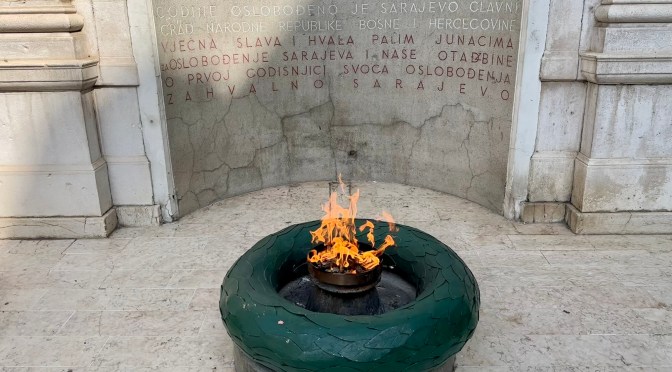
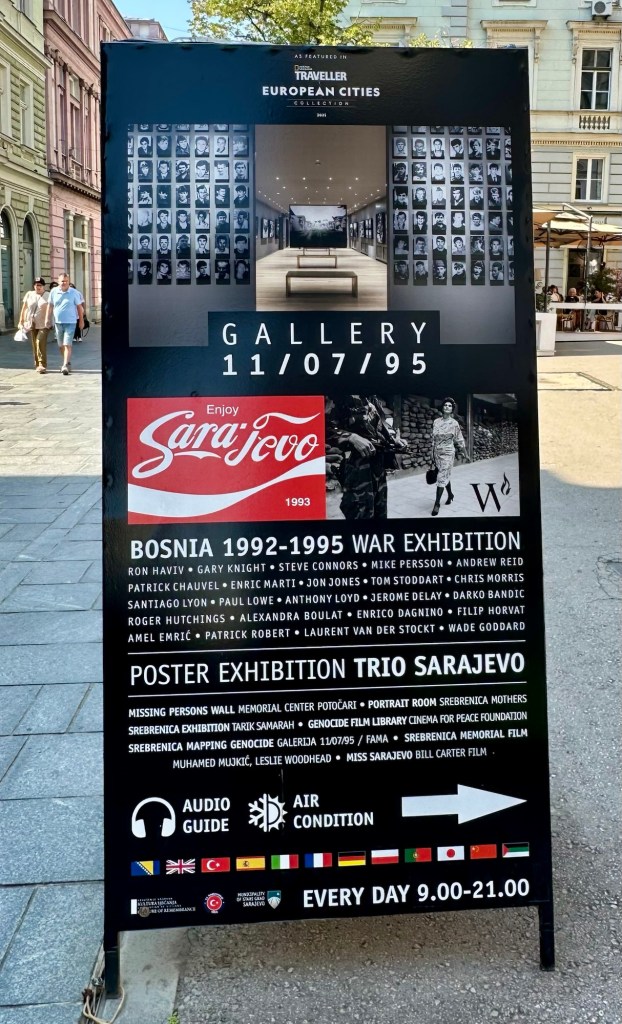
Both cities have museums displaying the atrocities that occurred. Their street memorials honor the victims. Special exhibits document what happened. When you talk with people, almost everyone has a story to share. 

Yet they have tried to move on, like people we met in Cambodia or those I remember from my youth who escaped the Holocaust. Just like a child growing up amid war crimes today, they will never forget what they saw and endured yet they still have the rest of their lives ahead of them. 

I was moved by these powerful reminders of Bosnia’s ordeal but was also struck by something else we saw in the city. 

Sarajevo is also where a Bosnian Serb shot Archduke Franz Ferdinand and his wife in 1914, beside the Latin Bridge shown below. That’s the car the royal couple was riding. The assassination led to World War One and millions of senseless deaths, which in turn led to World War Two — all sparked on this street corner in Sarajevo. 

Today the site is a tourist attraction, a curiosity rather than a raw wound. Visitors take selfies there. Nobody weeps. A century from now, maybe the same will be true at the memorials commemorating Bosnia’s conflict with Serbia, and perhaps for future generations in today’s war zones. 

Or maybe not. Visiting Bosnia reminded me how war and genocide take a toll long after bodies are buried. Their pain endures for generations. Their grip is relentless.

Other nations and other conflicts have replaced Bosnia in our headlines today. But having just visited Bosnia, I know these new memories will persist long after the headlines fade. 

Croatia’s Coast

It’s obvious why Croatia has grown into one of the world’s most popular tourist destinations. It’s beautiful, full of history, easy to reach and more affordable than many European destinations.

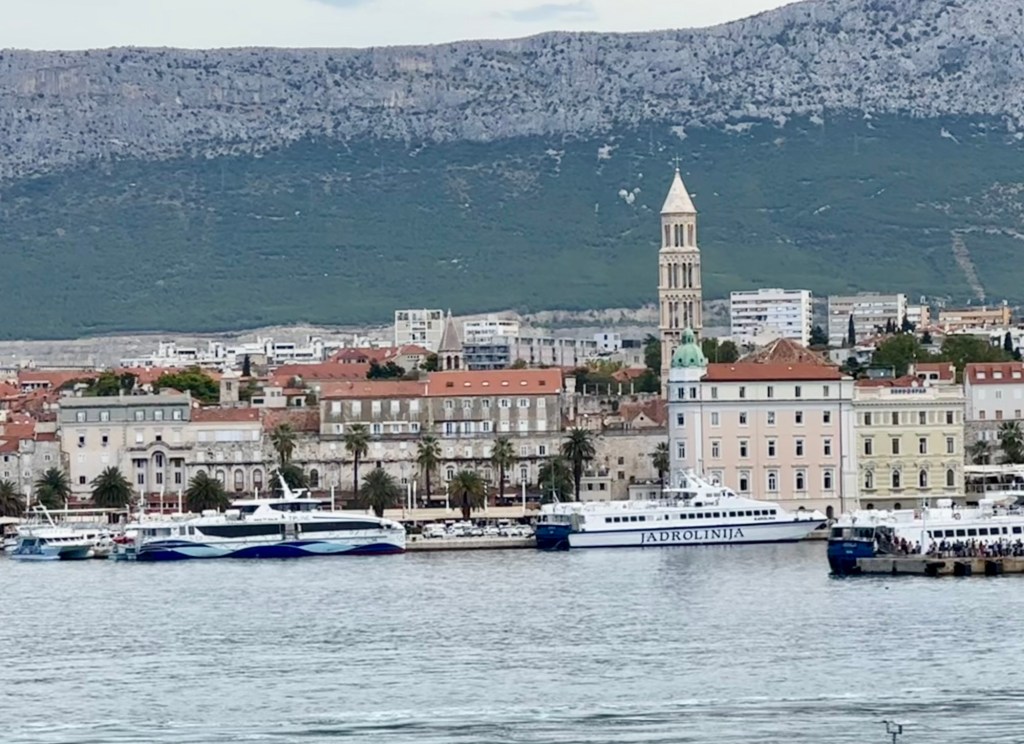
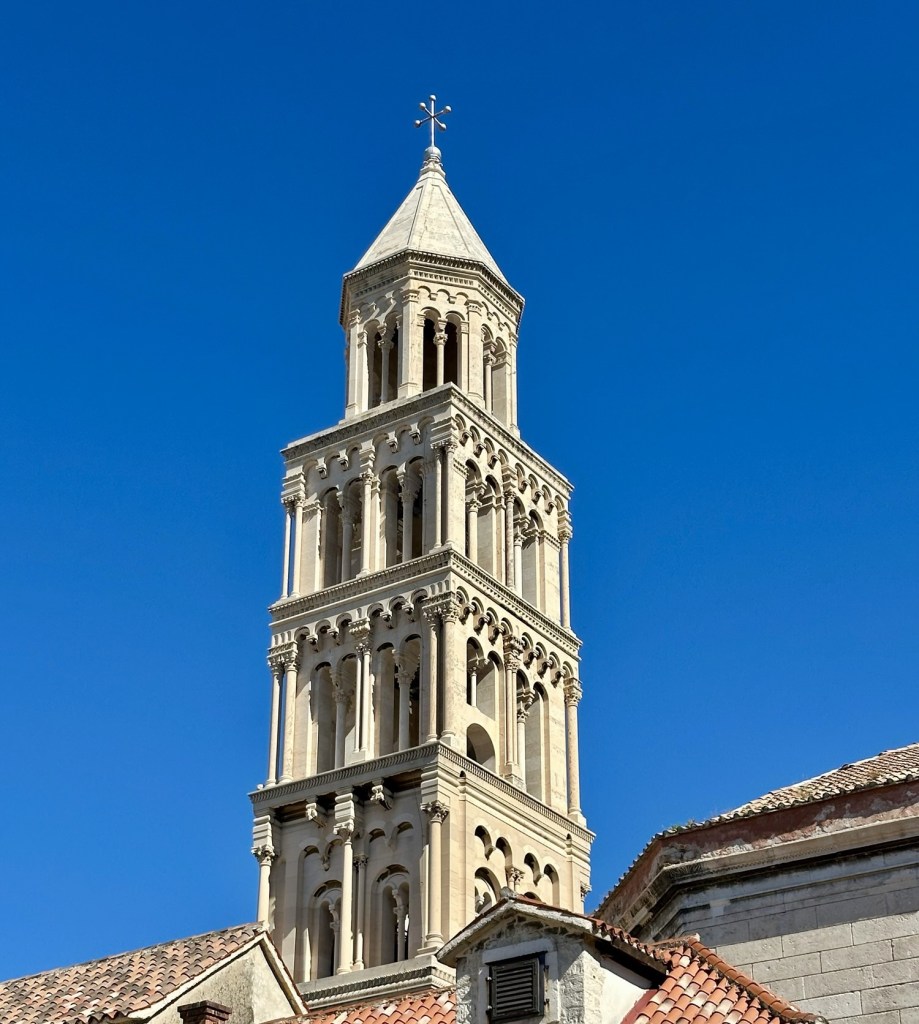
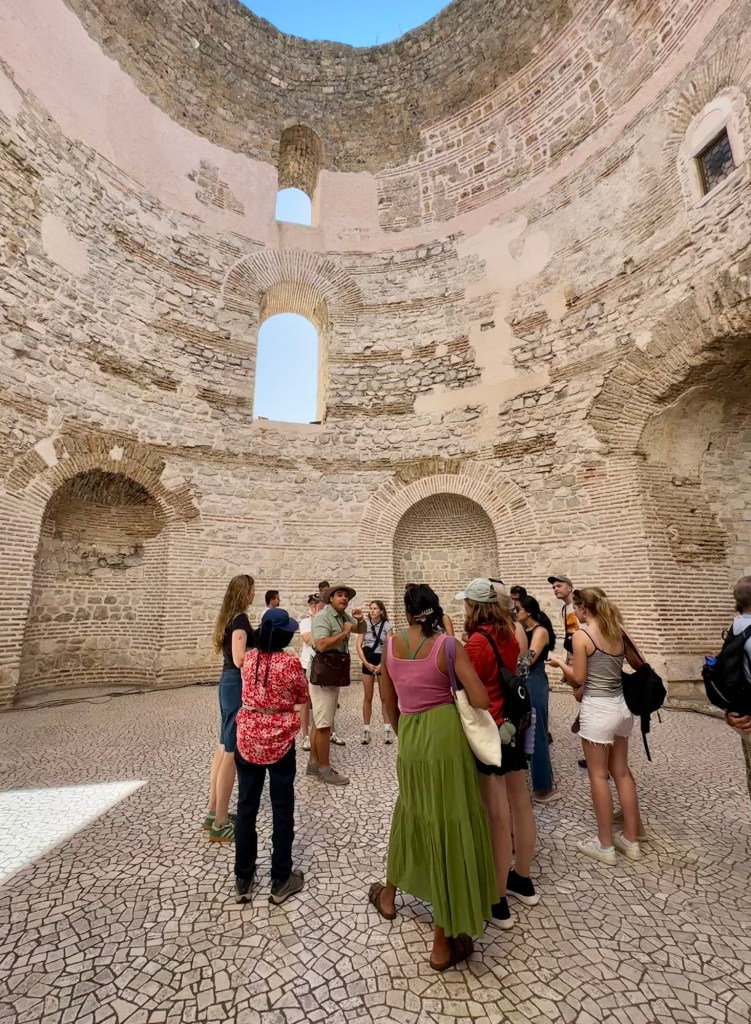
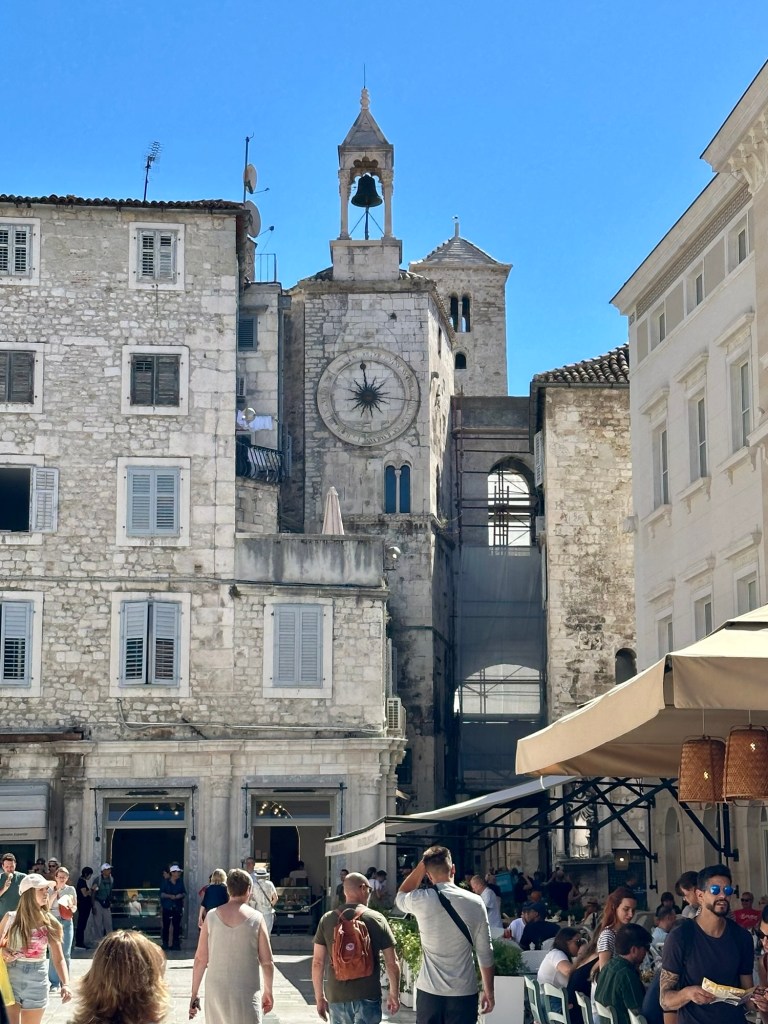
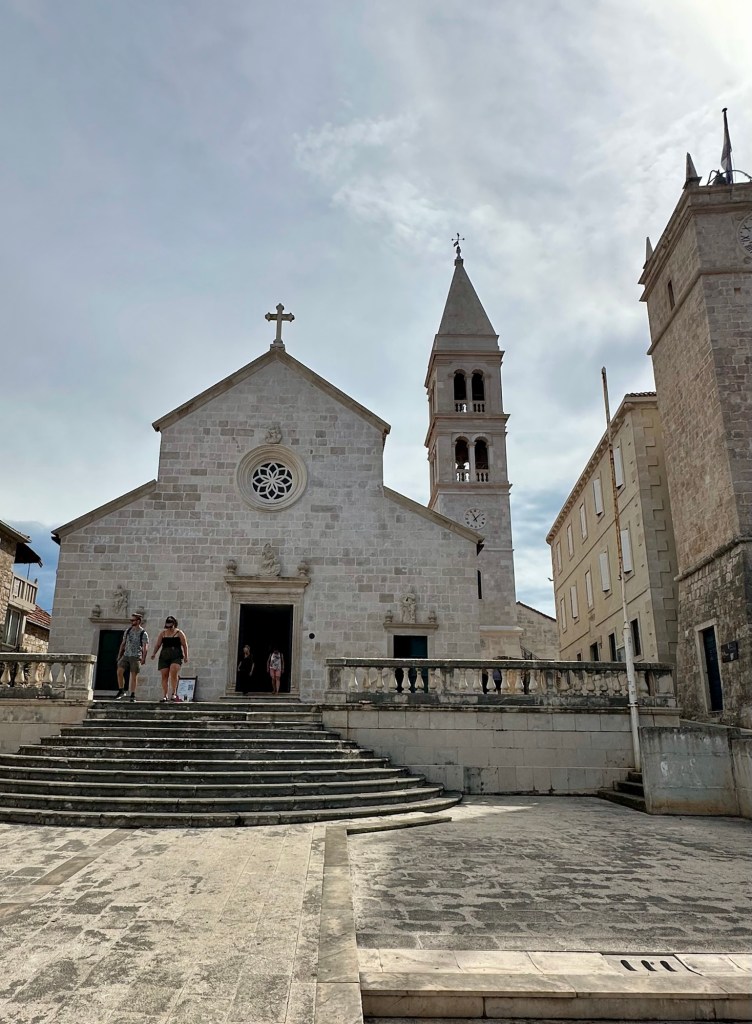
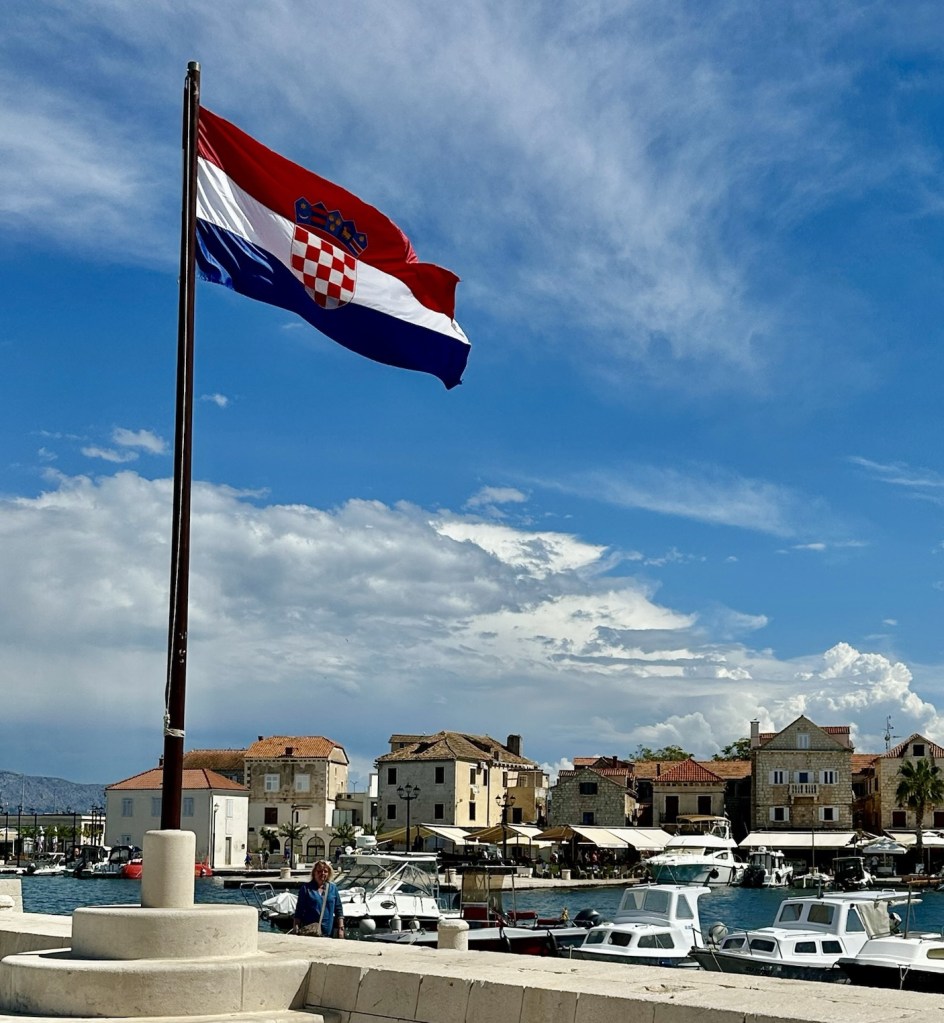
We began our trip there by traveling from Slovenia to Zagreb, Croatia’s capital and largest city. Then we took a bus to Split, the largest city on Croatia’s long Adriatic coast. There we visited Diocletian’s Palace, toured the city, took a ferry to Brac Island (Supetar, top photo) and visited the gorgeous Plitvice Lakes National Park. The photo gallery below provides a few glimpses of what we saw.

Then it was on to Dubrovnik, the beautifully preserved walled town that served as King’s Landing in HBO’s Game of Thrones. Its stunning medieval architecture draws huge crowds that propel the local economy. We were lucky to stay within the walled area and live briefly amid the spectacular setting.

You can see for yourself why Dubrovnik has become so popular — too popular, as it now wrestles with overtourism, like Venice, Barcelona and other hot spots.

We loved our time in Croatia but have now turned our sights to its less-visited Balkan neighbors, beginning with Bosnia and Herzegovina. We expect to find more mosques and fewer Game of Thrones souvenir shops in the days ahead. We’ll keep you posted.

Danger on the Road

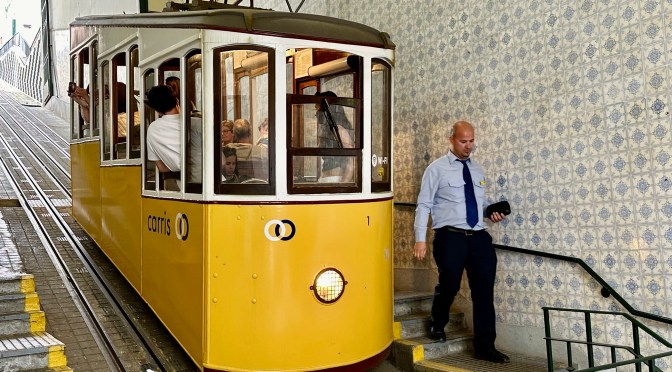
I was deeply saddened by the funicular tram accident in Lisbon on Wednesday, which claimed 15 lives, including foreign tourists.

I could have been one of them, since we rode this tram when we visited Portugal last year. I remember spotting it from the Bairro Alto neighborhood where we were staying, right after we passed the street demonstration shown below. We rode the tram later and I snapped the photo atop this post.

The crash illustrates why some people fear traveling, especially to foreign countries: Something terrible might happen to them. They feel safer staying close to home.

I know from personal experience that bad things do indeed happen around the world.

In Sri Lanka, where we traveled earlier this year, the 2004 tsunami rose to the height of this Buddha’s head, killing tens of thousands of people. As in Portugal, we were lucky to not be there when this happened.

In 2015, we visited Nepal shortly after an earthquake killed nearly 9,000 people and caused extensive damage, as with this rubble pile near where we stayed. The earthquake could have struck while we were there.

We’ve also visited countries where we saw frequent reminders of recent wars and bloody violence. This exhibit is at the War Remnants Museum in Ho Chi Minh City in Vietnam, which we visited two years ago.

In neighboring Cambodia, we visited the Tuol Sleng Genocide Museum in Phnom Penh, with its chilling displays of the Khmer Rouge’s brutal reign.

Last year we saw this small memorial in the Plaza de Mayo of Buenos Aires. It honors the mothers who bravely protested the “disappearance” of their children during Argentina’s military dictatorship.

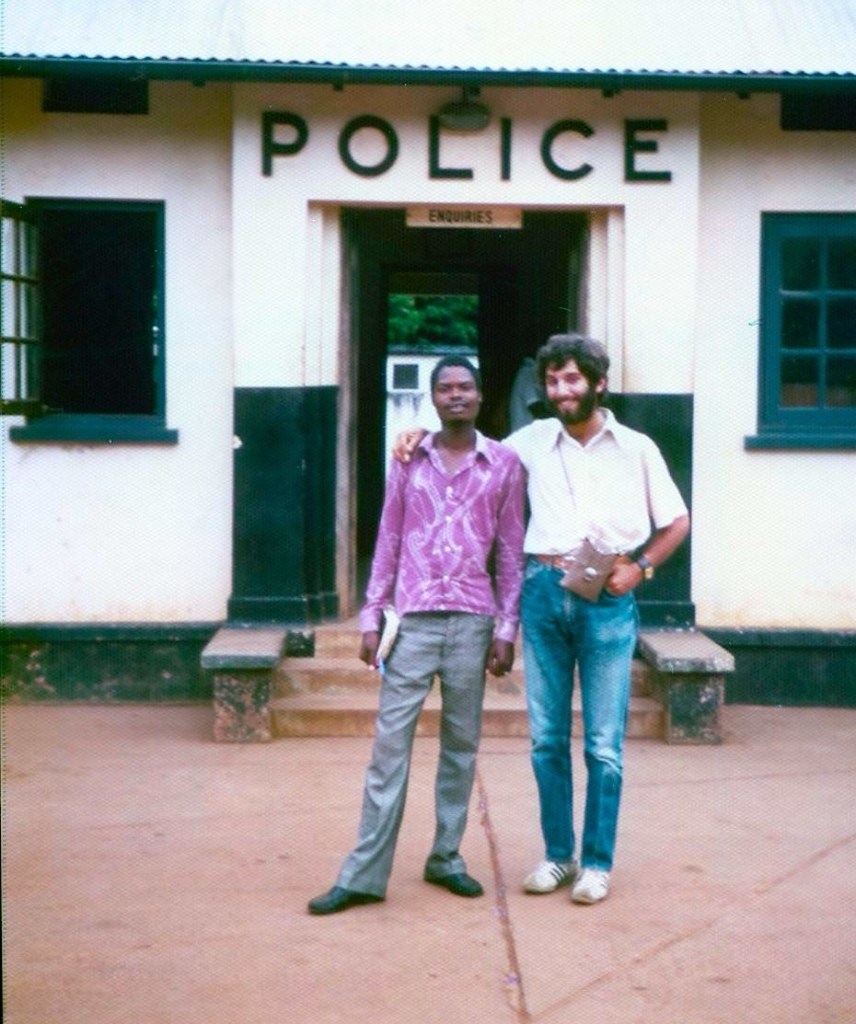
So I’ve seen plenty of examples of things going badly around the world, and I haven’t always been able to avoid them. Back in 1976, I made the mistake of visiting Uganda when it was ruled by the dictator Idi Amin. This photo shows me with a guy we met on the train while traveling there from Kenya. My friend, Mitch, and I were detained at this police station in Gulu and suspected of being spies. We were lucky to leave Uganda unharmed.

But bad things happen in our country, too. This photo shows Champa checking out the menu at a restaurant in Maui where we celebrated a special wedding anniversary in 2019. A few years later, much of Lahaina was destroyed by a wildfire, including this restaurant and the Airbnb where we stayed. They’re all gone, and it could have happened while we were there.

Some people we meet during our travels are scared to come to the United States because of all of our shootings and other violence, not to mention feeling unwelcome as foreigners. When I look at some recent notable shootings — Minneapolis, Las Vegas, Orlando and many more — I say to myself: Been there. Been there. Been there. In other words, just as with the tram in Lisbon, I was in the wrong place but at the right time. So here I still am.

Now here’s another shot from our Portugal trip, taken in the Douro Valley, the renowned wine region. As you can see, we thoroughly enjoyed our visit there. It was a wonderful day, one we would never have experienced if we’d stayed home, where we could have died in some random accident anyway. And it was just one day in one trip in one country of the many we’ve been fortunate to visit.

I’m writing this in Dubrovnik, Croatia, a place I’d long hoped to see for myself. It’s even more stunning than I expected. Tomorrow we’re heading to Bosnia and Herzegovina, where we’ll confront the horrors of the 1990s conflict, including in Sarajevo, but also meet interesting people, try new foods and learn about a country that cannot be defined only by its worst moments.

My heart goes out to all of the victims of the Lisbon tragedy, and their families, both Portuguese and foreign. Having traveled where their loved ones died, I feel a connection to their loss. But I will not let breathless news reports, recency bias or anecdotal evidence distort my assessment of actual danger, which I still consider very low if I’m careful.

That’s true back home and it’s true on the road. My conclusion is to keep traveling, enthusiastically, mindful of potential dangers but realistic about how dangerous they really are.

Plitvice Waterfalls

Plitvice Lakes National Park is a national gem in Croatia filled with waterfalls and scenic views. This one-minute video, also available on YouTube, shows highlights: