We just visited Ljubljana and Zagreb for the first time, so first things first:
Ljubljana is pronounced Loo-blee-aa-nuh. It’s the capital of Slovenia (not Slovakia; that’s Bratislava) and has fewer than 300,000 people.

Zagreb is the capital and biggest city in Croatia, with about 700,000 people. Yet many American travelers to Croatia never go there. They typically visit Dubrovnik or someplace else along Croatia’s coast.
Both Slovenia and Croatia were part of Yugoslavia, along with Serbia, Bosnia and Herzegovina, Montenegro and Macedonia, which is now called North Macedonia.
If you already knew all of this, I apologize for the review. I didn’t. I knew Slovenia was the home of First Lady Melania Trump and basketball star Luka Dončić. I recognized Dubrovnik as the location for Kings Landing in Game of Thrones. I knew the name of Yugoslavia’s former leader, which was the same as one of the Jackson 5: Tito.
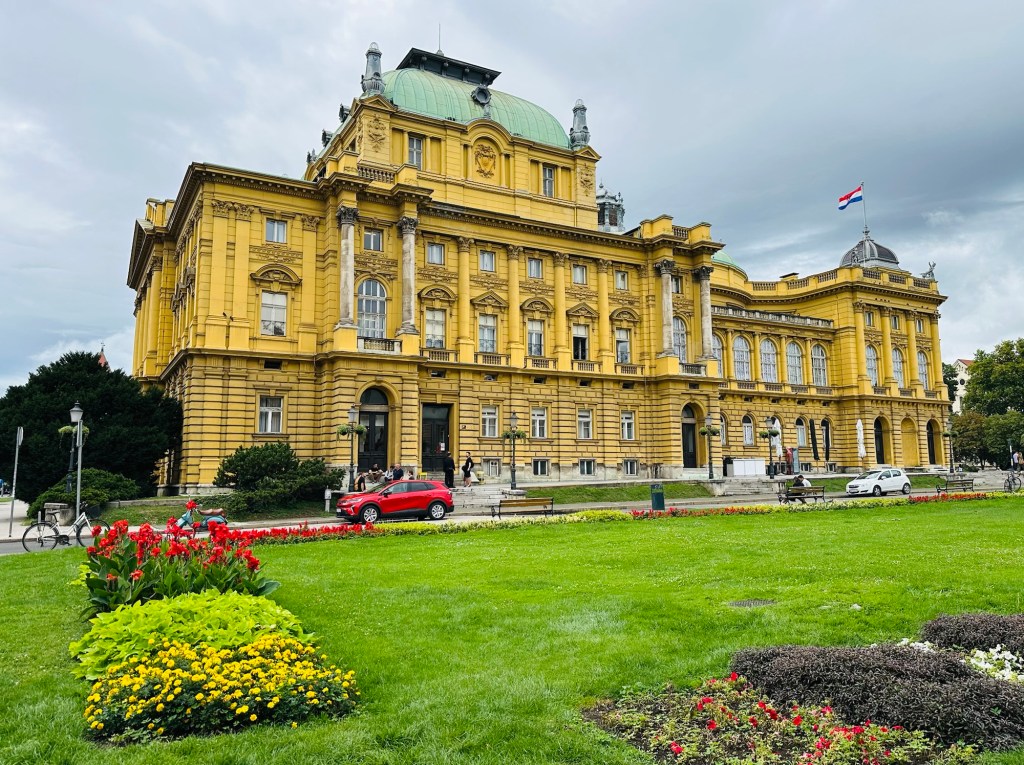
Pathetic, I know, but I’ve embarked on a trip to remedy my ignorance. During the next several weeks, Champa and I will be exploring the Balkans and then traveling to Italy.

We started in Slovenia, a small gem nestled between Italy, Austria, Hungary and Croatia. Ljubljana is green and charming, with cobbled streets, historic buildings and a castle. The city center is car-free. Boats glide along the Ljubljanica River. Bicycles ply the streets.
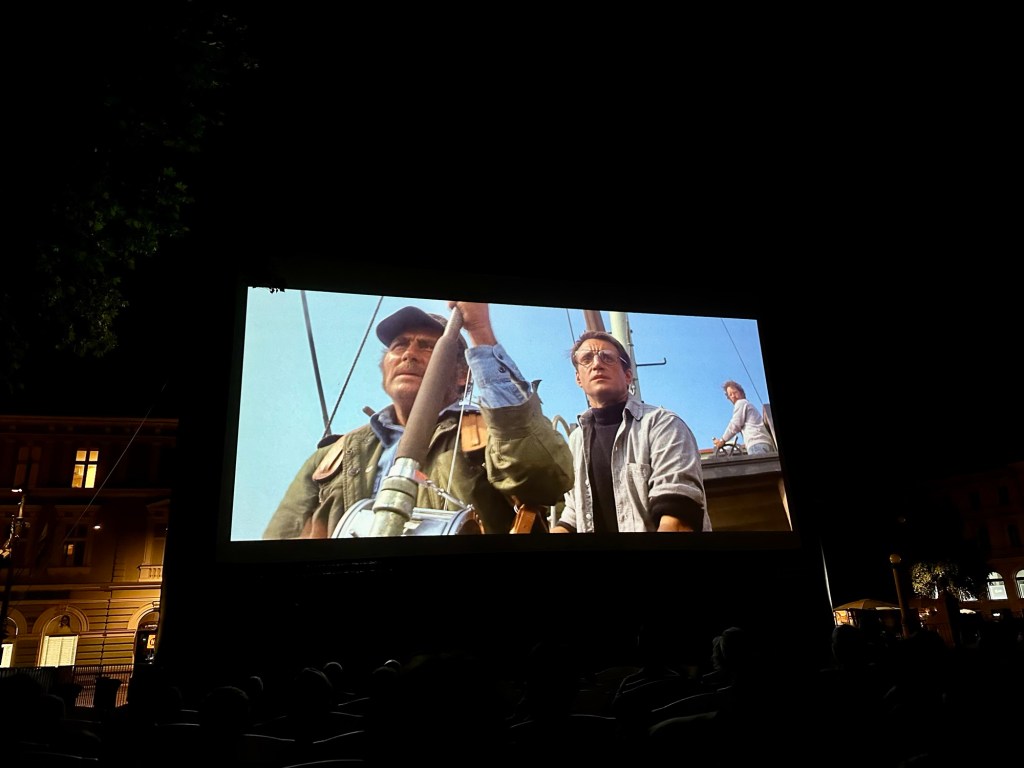
We watched a free outdoor showing of Jaws and then walked back late to our hotel, feeling completely safe.
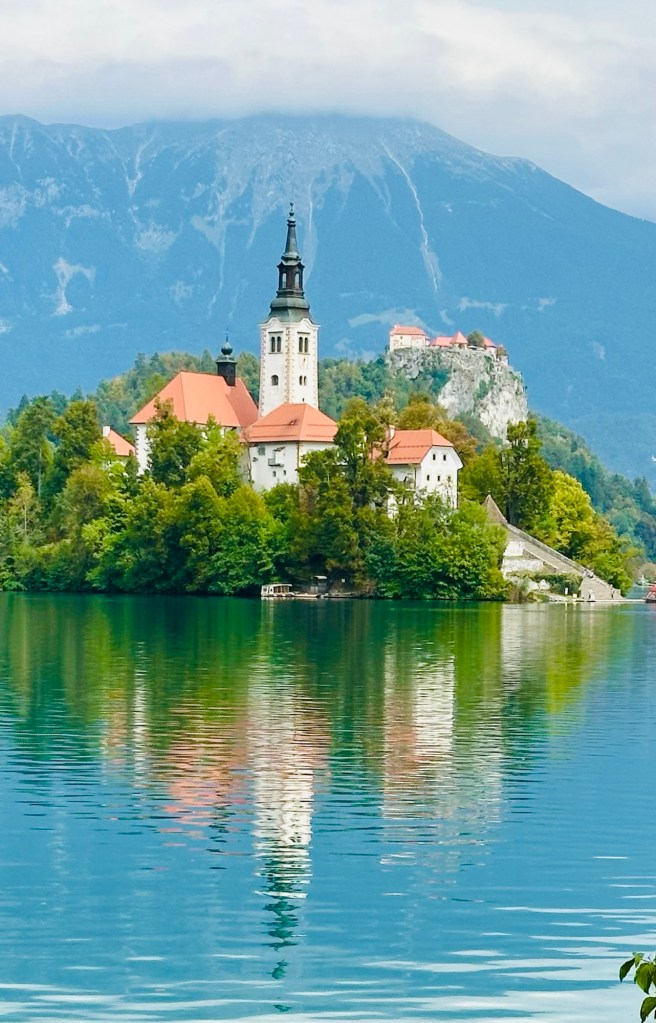
We also traveled to Lake Bled, a gorgeous spot framed by mountain peaks and a hilltop castle. We walked around the lake (about 6 km) and took a boat to a small island with a historic church. We were joined there by 200 guests about to witness the marriage of two Americans, one of whose family is Slovenian. I doubt I’ll ever see a more fantastic destination wedding.
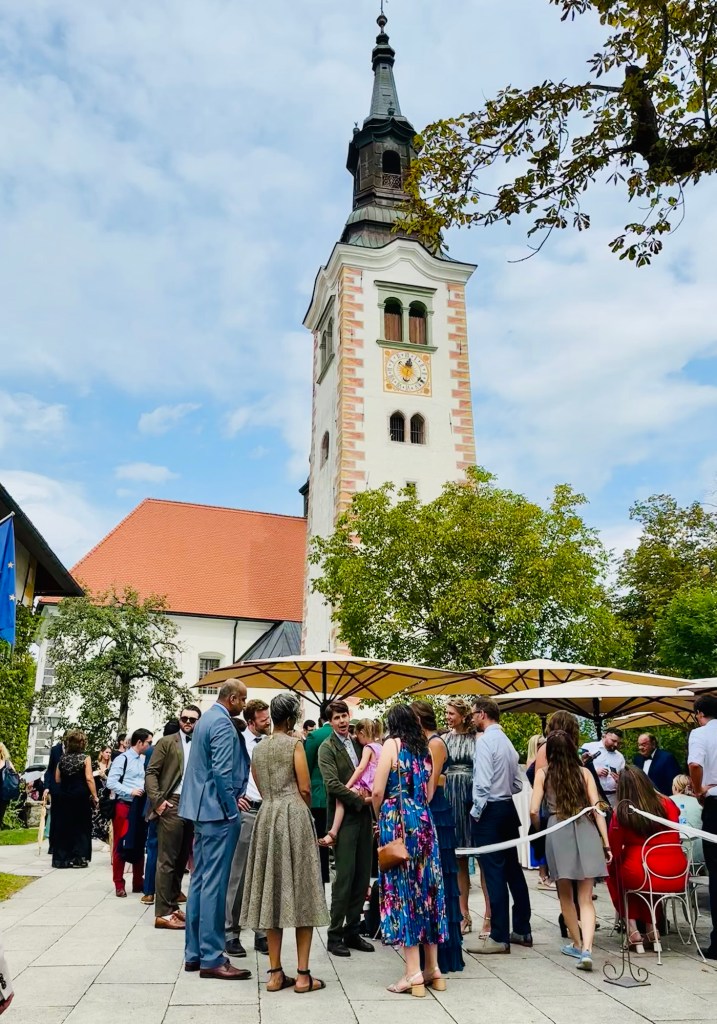
We loved Ljubljana and Slovenia, although we weren’t there for long. We traveled next to Zagreb, a two-hour ride on FlixBus.
Zagreb is bigger, reminding us of Moldova in places with its brutalist apartments. Much more striking are its Gothic-Baroque Old Town and the grand buildings of its Lower Town, which are more Austrian and Hungarian.
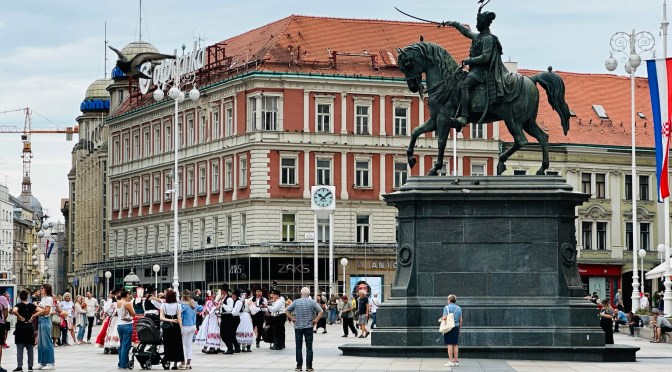
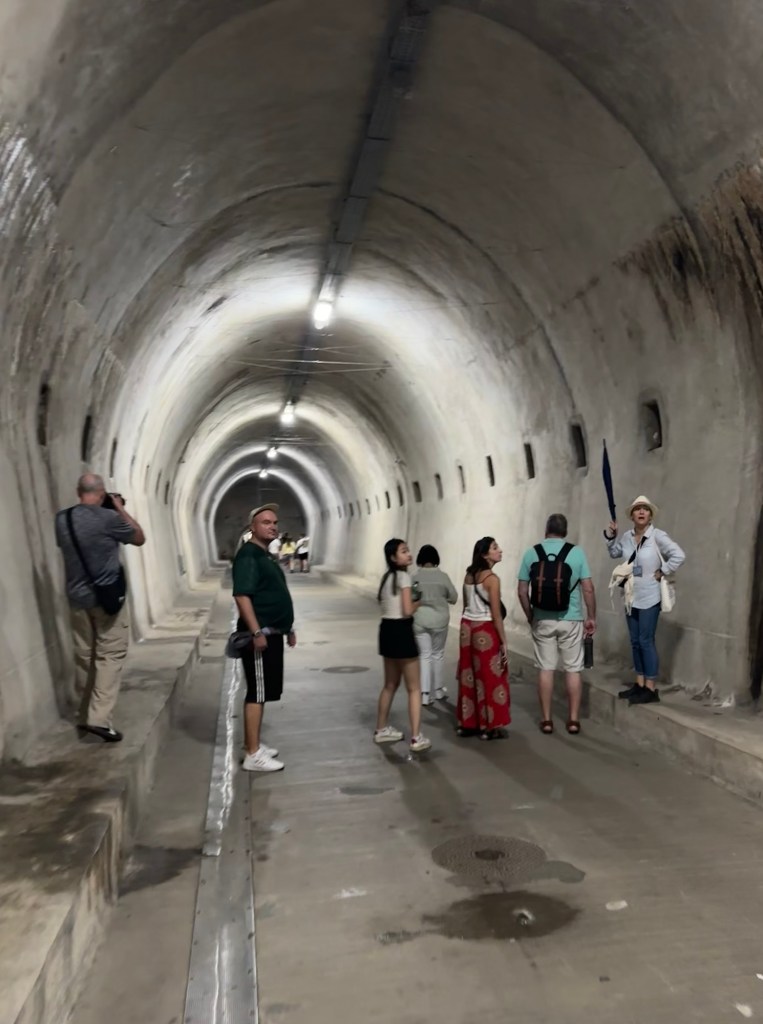
We saw the large statue of national hero Ban Josip Jelačić in the central square, with dancers beside it (top photo). We watched a canon explode at noon at Lotrščak tower and then walked inside a giant tunnel built for protection against wartime bombs.
We visited the Museum of Broken Relationships and pondered the many forms of heartbreak.

Some sights were unexpected, such as a statue honoring the prostitutes of the city’s former red light district, which Champa is admiring in the photo, or a shop featuring Croatia as the birthplace of the men’s necktie (a dubious honor, in my opinion).

We also came across a shop selling spices and other products to the city’s growing Nepalese community, some of whom we chatted with.

As we embark on our Balkan adventure, our initial stops in Ljubljana and Zagreb confirm something I’ve discussed previously, which is that Americans who stick to familiar destinations are missing out on some amazing places. Both cities were beautiful, fascinating and relatively inexpensive.
As Tito himself might have said, visiting them is as easy as one, two, three, and as simple as Do, Re, Mi.

 "Not Exactly Retired"