

The school we helped build in Nepal is now open. (See post.) This video tells the story. Also on YouTube.
Tag Archives: Samalbung


Samalbung’s New School
The new school we’ve been helping to build in a Nepalese village has finally opened!
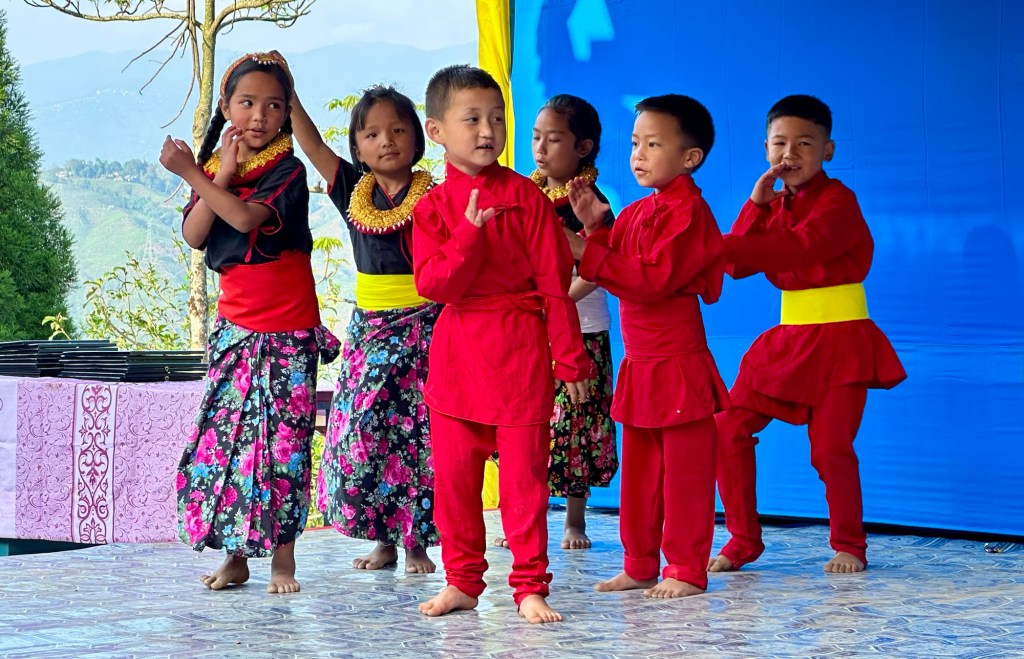
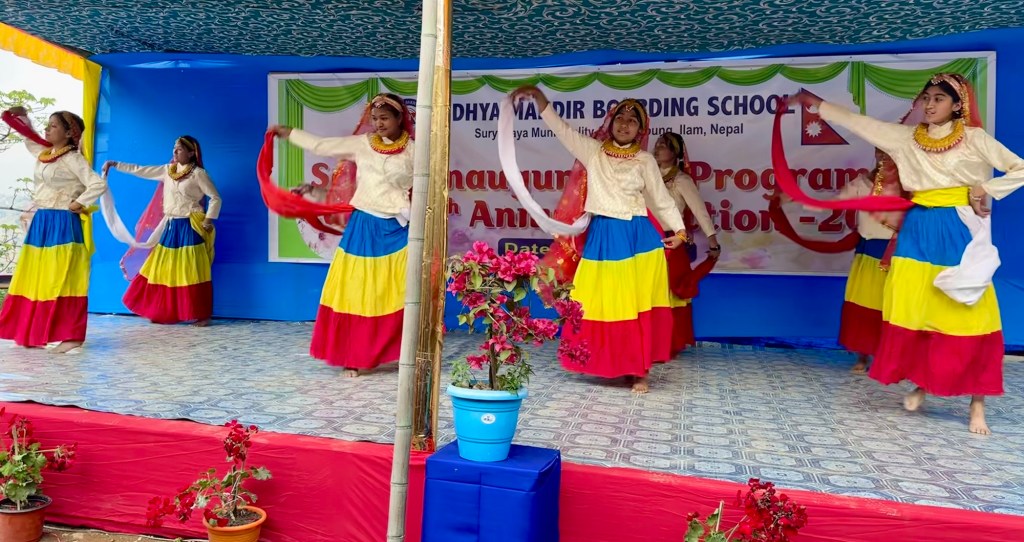
The local community dedicated it on April 30 in a colorful ceremony filled with dances, songs, speeches and food. We traveled there to join the celebration.
The school is more beautiful than we’d dared to dream and the community couldn’t be happier.
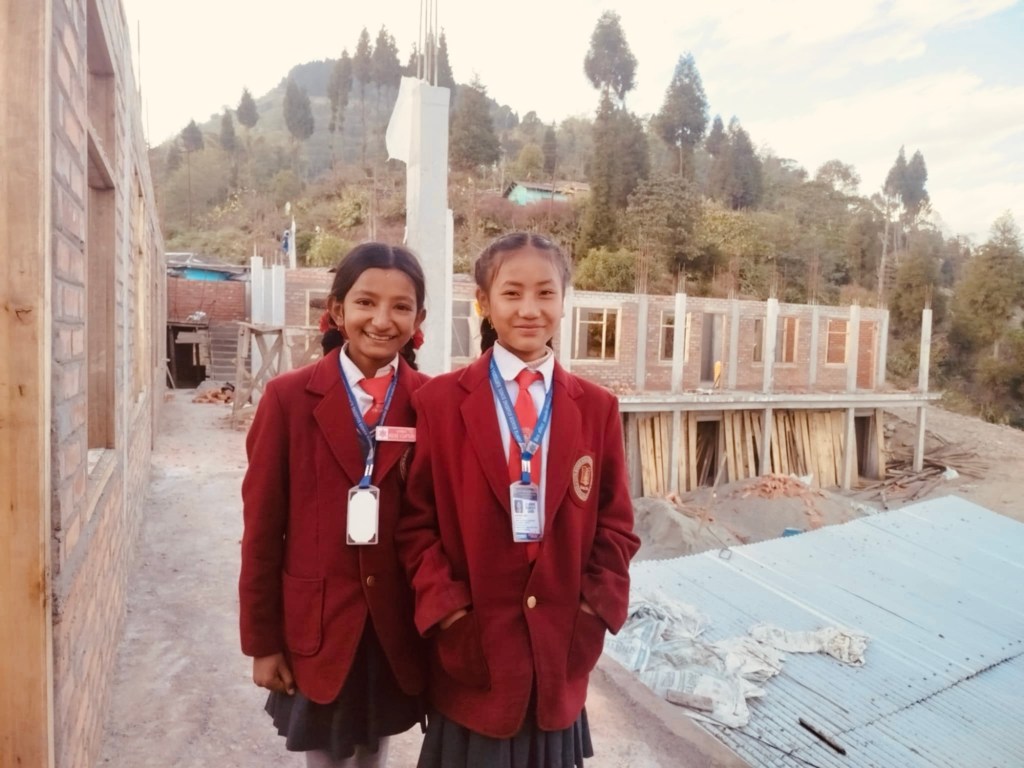
The Vidhya Mandir Boarding School in the eastern village of Samalbung has 126 students, many from indigenous and marginalized groups. School fees are low and some students receive full or partial scholarships.

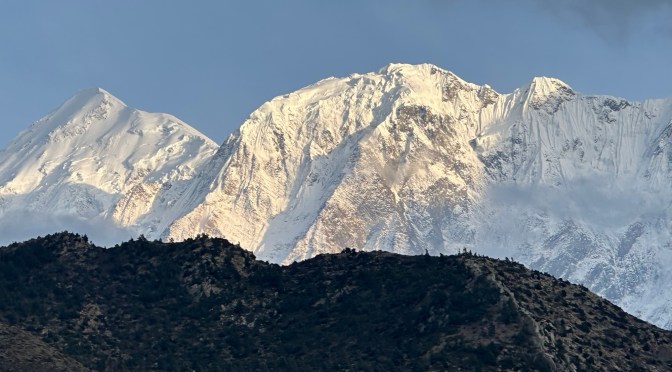
The attractive two-story structure, with a lovely view of the Himalayas, is a huge improvement over the previous school, which was in terrible condition. The students now have a much brighter future.
The two of us have spent the past year working with a team at the school to design and construct the new building. We also raised funds for the project through a GoFundMe site and direct contributions.
We were overwhelmed by the response from family, friends, Not Exactly Retired readers, Returned Peace Corps Volunteers, Friends of Nepal and others.
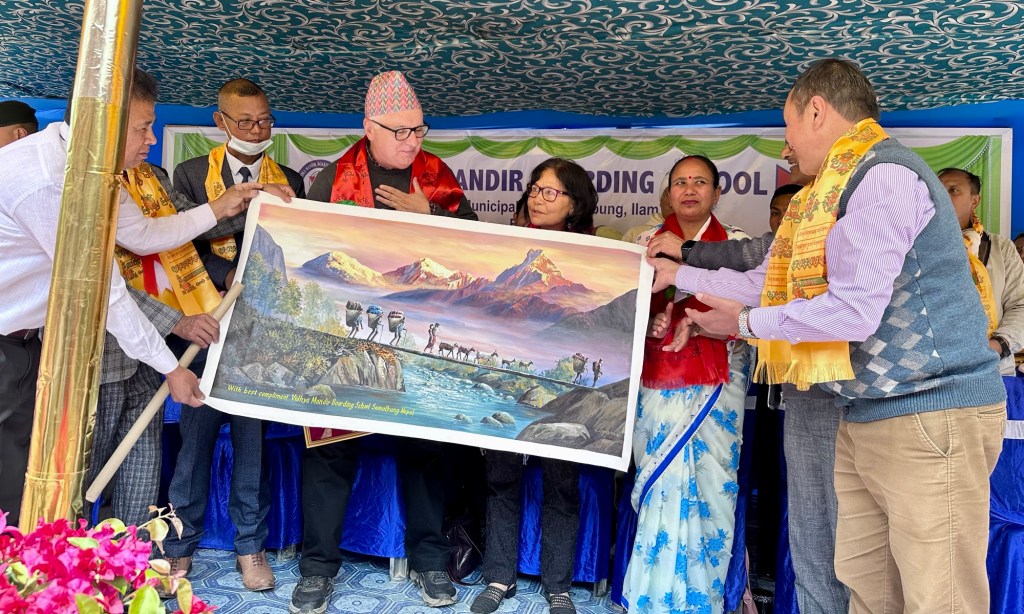
Their generous contributions totaled more than $24,000, which covered a significant share of the costs. The two of us funded most of the budget. The school community prepared the site, donated money, contributed labor and supported the school in other ways, from providing wood from their trees to feeding the workers.
I’ve posted some photos here and produced a short video so you can see the new school and celebration for yourself. You can watch the video above or on YouTube.
We are grateful to everyone who opened their hearts (and wallets) to assist these young people. We extend special thanks to Santosh Khapung, Bindu Suwal, Shankar Limbu, and Pooja and Sabin Shrestha for all of their help to us during this project.
Thank you — and enjoy the video.

Did you enjoy this post? Please share it!

Elsewhere in Nepal
First-time travelers to Nepal typically visit the magnificent temples and other treasures of the Kathmandu Valley. If they’re adventurous and have the time, they may also go trekking near Mount Everest or someplace else.
That’s what I did back in 1975 when I first discovered this magical country. I fell in love with Nepal, even before I met Champa, and I remain smitten with it a half-century later.
We’ve returned here many times but have usually been so busy visiting our family that we didn’t explore much beyond the tourist trail.

Until now.
We just returned from a memorable road trip to several places we’d long been hoping to see: a remote valley unlike the rest of Nepal, a picturesque town atop a mountain and the homeland of the king who unified Nepal.
We enjoyed all three places — Mustang, Bandipur and Gorkha — as well as our stop in Pokhara, a more familiar destination famous for its beautiful lake and snow-covered peaks.
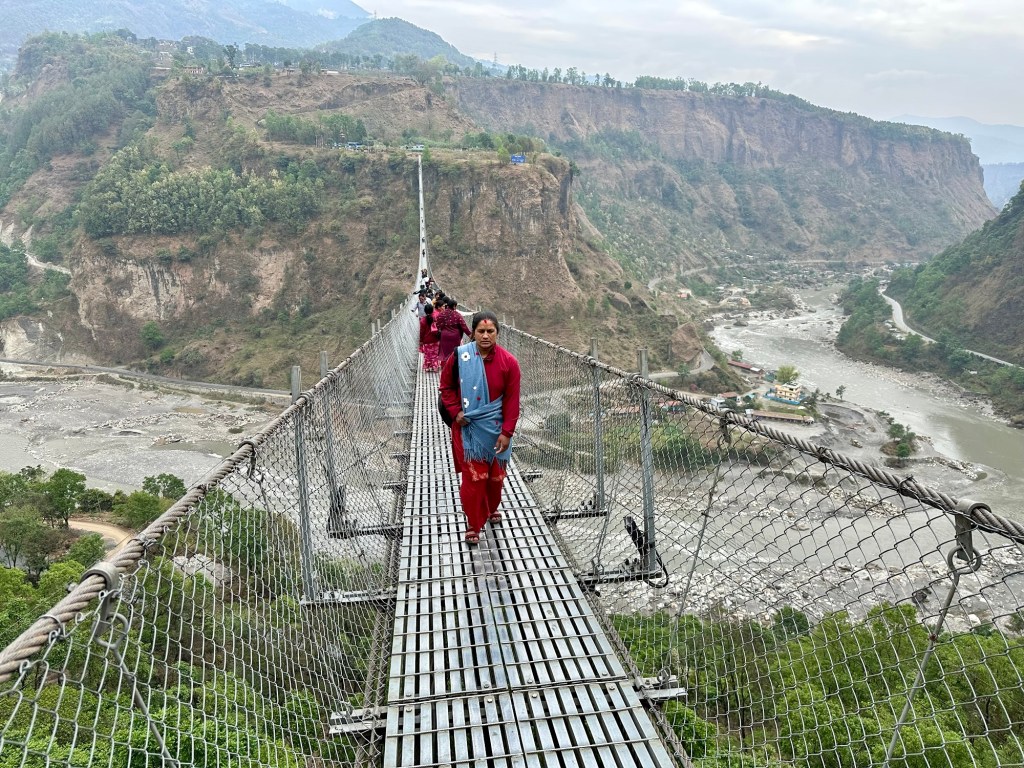
If you’re considering a trip to Nepal and want something different from the usual itinerary, you might consider a similar trip. We did ours in five busy days with a private jeep, traveling with our nephew, Shankar, and his wife, Bindu. They hired our driver but you could arrange something similar with a local travel agency.

Mustang is a distinctive region of stark landscapes and traditional culture. Parts of it were closed to foreigners until recently and permits are still required to visit (although easy to obtain). We stayed in the main town of Jomsom, home of the Thakali people. Apples grow in many of its fields and its stone houses are adorned with prayer flags. We gazed out of our hotel window to see snowy peaks and small planes landing across the street at a tiny airport.

Mustang is best known for Muktinath, a temple and pilgrimage site for both Buddhists and Hindus. Champa and Bindu visited it while I remained in Jomsom with Shankar since I wasn’t feeling well that day. I was sorry to miss it but still happy to finally see Mustang, which was so mysterious when I first came to Nepal.
Bandipur, our next stop, was familiar to me since I did my practice teaching there during my Peace Corps training in 1977. I remembered it as being spectacularly beautiful — and it remains so, although much more developed.
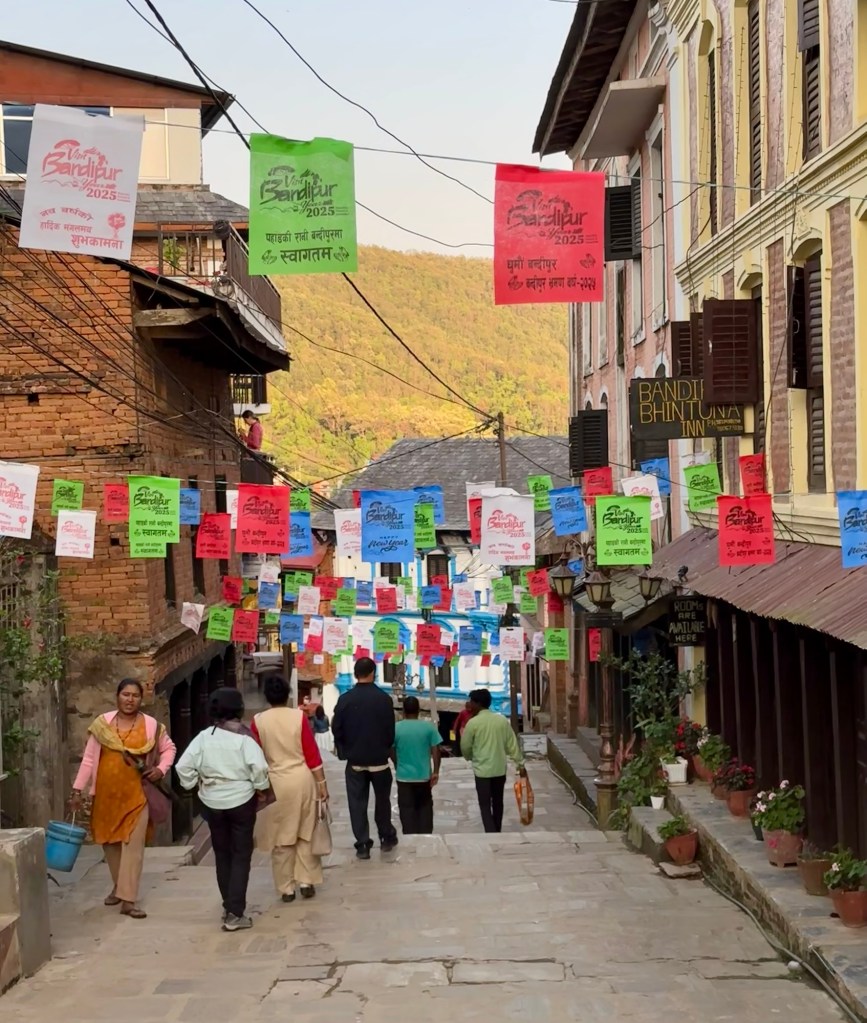
Bandipur is a traditional Newari village built atop a small mountain. Back when I lived there, the usual way to reach it was by climbing a long series of stone steps. Now you can drive up or take a cable car, which we rode for fun. Cars are banned in the town center, which has a growing number of souvenir shops and small hotels catering to tourists who have begun discovering this charming escape from Kathmandu’s traffic and pollution.

We stayed in a lovely hotel — two private rooms with five dinners and breakfasts for $68 — and the owner was amazed that I’d taught there so many years earlier. He told some friends and the next morning we were joined at breakfast by one of my former fellow teachers and his wife, who’d worked with the Peace Corps. That’s Bidya Prasad Shrestha and Laxmi Shrestha in the photo with us. Amazing.
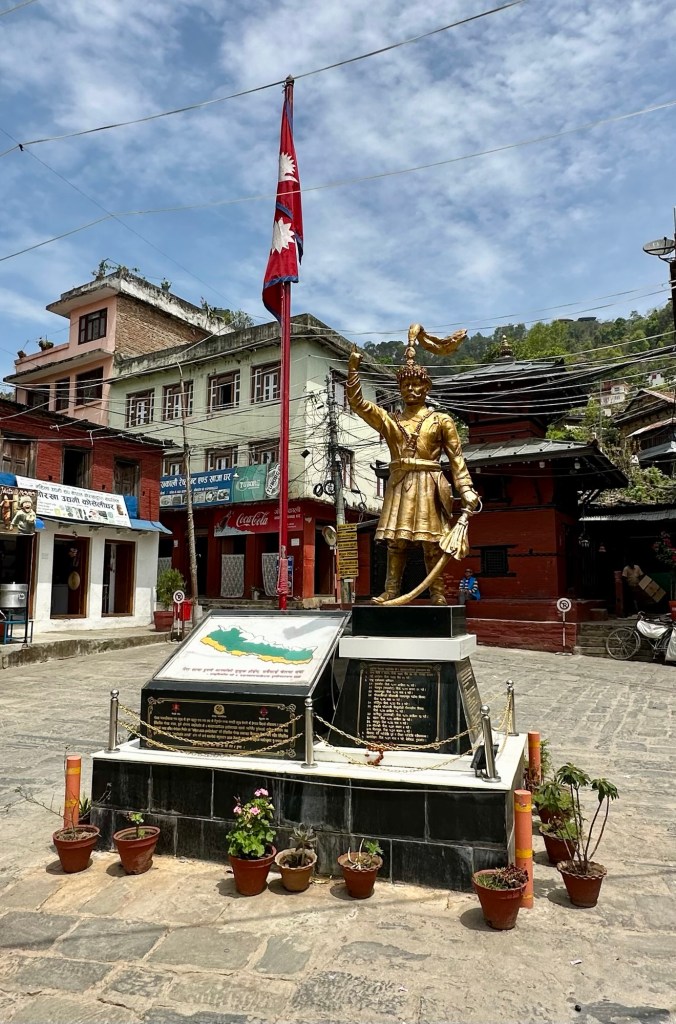
Gorkha is a regional center best known as the birthplace of Nepal’s unifier, King Prithvi Narayan Shah. He’s a bit like George Washington in our country and lived at roughly the same time. Gorkha also lends its name to the Gurkha soldiers, who serve in other countries and are known worldwide for their bravery.

We only spent a brief time there, mainly to climb up to the Gorkha Durbar, a 16th-century palace featuring both monkeys and traditional architecture. Nearby is the Manakamana Temple, which we’d visited previously and is a great place to stop and visit via cable car while driving between Kathmandu and Pokhara.
Pokhara’s tourist crowds are bigger than ever, with hotels, restaurants, shops and travel agencies filling the streets near the famous “fish tail” mountain and lake. Nonetheless, we were happy to return. We strolled beside the lake and enjoyed dinner at one of the many outdoor restaurants along the shore.
When the rhododendrons are blooming, the lake is shimmering and the famous mountains appear — Annapurna, Dhaulagiri and others — few places on Earth are more stunning than Pokhara.

We returned to Kathmandu just in time to celebrate Nepali New Year. We’ll be visiting with several friends and family this week and will then head east to Champa’s hometown, Ilam. From there we’ll drive through the tea gardens and mountains to Samalbung, the small village where we’ve been helping to build a new school with generous support from many Not Exactly Retired readers.
For now, we’re savoring our road trip to some of Nepal’s less-visited places. We’re very glad we finally made it to Mustang, Bandipur and Gorkha — three destinations that I hope others will discover, too.
Did you enjoy this post? Please share it!


Thank You Donors
The children of Samalbung, Nepal, will soon have a beautiful new school, thanks in part to the generosity of Not Exactly Retired‘s readers.
Nearly 100 people have contributed to the project we announced in May to help build the school in a remote village of eastern Nepal. It will serve about 125 students — mostly girls, mostly from indigenous groups. Our previous announcement has more details.
Readers have donated nearly $23,000 through our GoFundMe account and directly to me. Together with funds raised by the local community, which is also helping with the construction, this has covered nearly half of the total budget. Champa and I are paying the rest.
The school should be ready in late April, in time for Nepal’s new school year. We plan to attend the dedication ceremony and will share video and photos of the event.
We will bring with us a sign thanking all of the donors by name, as shown below. If I have overlooked or listed anyone incorrectly, please let me know by Friday, February 21, so I have enough time to make corrections before ordering the sign. If you want to add your name to the sign, we still welcome donations, which will be used to enhance the school and buy much-needed classroom supplies. You can donate directly to me or through the GoFundMe site — again, by February 21, please. We’ll make the final list public.
We also welcome additional donations from previous donors. No matter when you donate, or how much, the school’s teachers, students and families are deeply grateful for your support. At a moment when the U.S. government is turning its back on foreign assistance, you have made the opposite choice — to open your hearts.
Champa and I join the Samalbung community in saying dhanyabad — thank you! — to all of you.

Thanks to:
Anita Adhikary
Cheryl Arroyo
Jay and Celine Barker
Elia Ben-Ari
Amy Blackwell
Evan Burness and Katie Lindquist
Linda Carlson and Larry Himelfarb
Jennifer Chow
Nancy and Joel Collamer
Thomas Corr
Phyllis and Jerry Crabb
Jill DeGroff
Deepa Dewan
Lokendra Dewan
Raj Bahadur Dewan
Joel Diringer
Kim Dixon
Doschinescu and Nanu Family
Debbie Durham
Scott and Diane Eblin
Benjamin Edwards
Bruce Fong and Virginia Lim
Jill Foster
David Fryer
Robert B. Gerzoff
Christa Gibson
Ryan Gorczycki
Deborah and Simon Gregory
Bob Green
Kate Green
Mitch and Chiyoko Haas
Valerie Harden
Ruth Heuer
Katherine Hicks and Henry Rosenberg
Sally Hicks
Dwight Holmes
Rachel Holtzman
Wendy Hower
Juliana Collamer and Nick Hughes
Camille Jackson
Jonathan and Jamie Jarmul
Paul and Stephanie Jarmul
Ruth Jarmul and Irvin Rosenthal
Pukar and Rekha Joshi
Mariam El-Khouri
Christina Kohrt
Danielle and Steve Kohut
Peter Lange
Keith and Cheryl Lawrence
Priya Limbu
Sudhir and Sarla Mahara
Mariana Mari
Bernadette and Bob Marriott
Herbert V. McKnight
Chris McLeod
Geoffrey Mock
Larry and Judy Moneta
James Moore
Shashi Nembang and Peter Giaquinta
Dennis O’Shea
Steve and Lynn Olson
Lisa Orange
Joyce Pardon
John E. Paul
Deepak Prajapati
Stephanie Prausnitz
Kevin Quigley
Deepa Rai
Timothy and Crissy Ready
Rosalind Reid
Margaret Riley
Rachel Rosenthal and Yair Rosenberg
Rebecca Rosenthal and Adam Arenson
Sarah Rosenthal and Mark Broomfield
Patricia Ross
Jeannine Sato
Peggy Schaeffer
Manish Shrestha
Bob and Karen Simon
Bruce Simon and Betsy Hely
Beth and Cabell Smith
Susan Turner-Lowe
Melinda Vaughn
Jennifer Vega
Sue Kaminsky Vest
Ken and Nancy Warren
Rob Waters
Cindy Weinbaum and Mark Prausnitz
Anne Williams
Robert Wright
Vivekananthan Yatheepan
Merina Dewan Yolmu
Did you enjoy this post? Please share it!


A School for Samalbung
[See our GoFundMe site for updates and a Q&A about this project. Thanks to your generous support, the school is taking shape. We are grateful to everyone who has donated!]
Readers and friends: Champa and I are building a school in a remote area of eastern Nepal and we ask for your help.
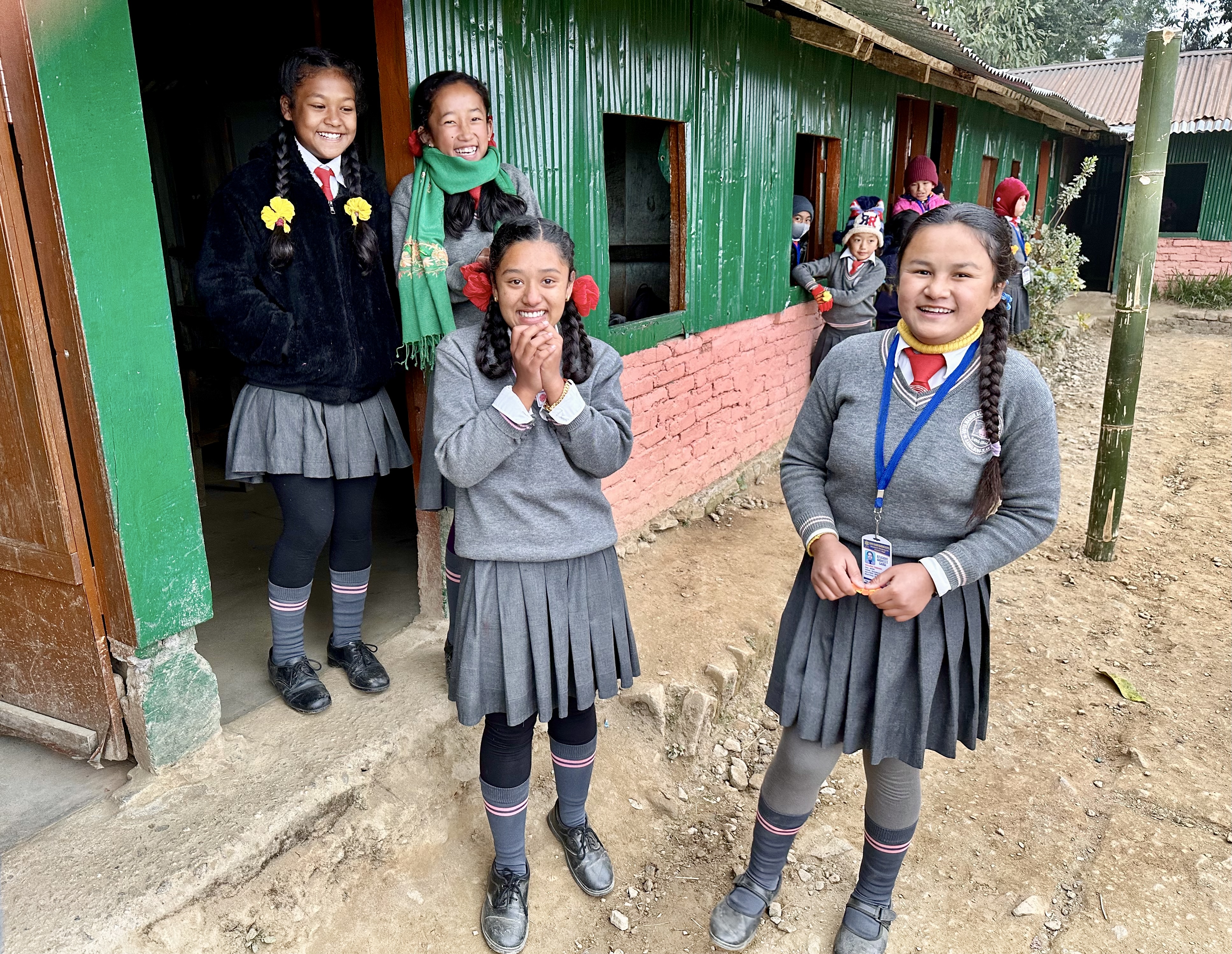
The school is in Samalbung, the small village we visited with our family in late 2022. (Watch the video after 8:33.) Our nephew Santosh, whose late mother was Champa’s sister, lives there with his family. Several years ago, he and his partners created a barebones school to serve local children, who are mainly from indigenous groups and farming families with very limited means. As you can see, the kids are inspiring but their school is in bad shape.
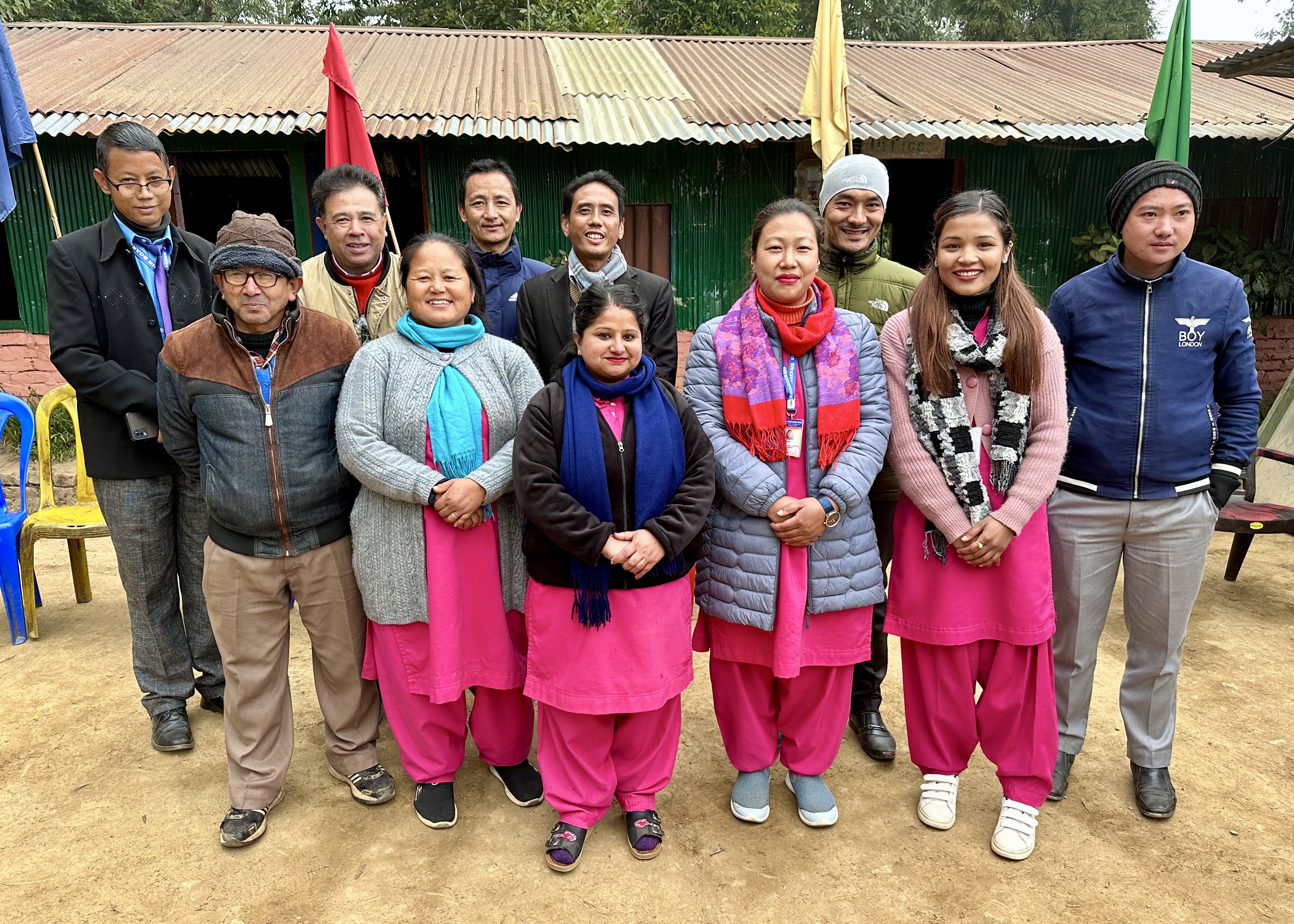
They and their teachers (above) need a new school, desperately. Champa and I have committed to paying for most of the cost of a new one but we need tens of thousands of dollars more to finish the project, which has just gotten under way (see below). With additional funds, we can also provide new desks, school supplies and maybe even computers, a cafeteria or sports equipment.

Champa and I are doing this informally, with a GoFundMe campaign, rather than through a formal charity. We trust Santosh and his partners and are monitoring the project with the assistance of one of Nepal’s leading human rights attorneys.

Your support will change the lives of the children shown here and their brothers and sisters. When the school is finished, hopefully within a year, I’ll be sure it highlights the names of everyone who helped.
You can contribute through GoFundMe or contact me directly (as some donors have preferred, to avoid GoFundMe’s fees). Thank you for anything you can afford to contribute!
Did you enjoy this post? Please share it!


Video of Nepal Trip
45 years after we fell in love in Nepal, we returned with our son, his wife and our granddaughters to bring our global family together. Also on YouTube.
Did you enjoy this post? Please share it!


Family Reunion in Nepal
We heard the drums as our car pulled up to Champa’s family house in eastern Nepal. Then we saw the dancers. Champa’s brother appeared with an armful of flower garlands. His wife held colorful scarves.
We’d arrived in Ilam, where Champa grew up and the two of us met when I was a Peace Corps Volunteer. Now it was 45 years later and we were traveling with our older son, Paul, his wife Stephanie and their four daughters. It was 9:30 p.m. Our drivers had been navigating the rutted, dusty roads since 4:30 a.m.

Our exhaustion gave way to astonishment, then elation as we stumbled out of our two jeeps and entered the courtyard. With flowers and scarves around our necks and drums beating beside us, we joined the traditional Limbu folk dance.
Three days later we encountered an even bigger welcome, this time in the small village of Champa’s late older sister, where several of our nieces and nephews still live. This time we heard the drums as we walked on a mountain path approaching their house. Our extended family was waiting there with flower garlands. Two girls performed a dance. Folded hands and namastes gave way to hugs.
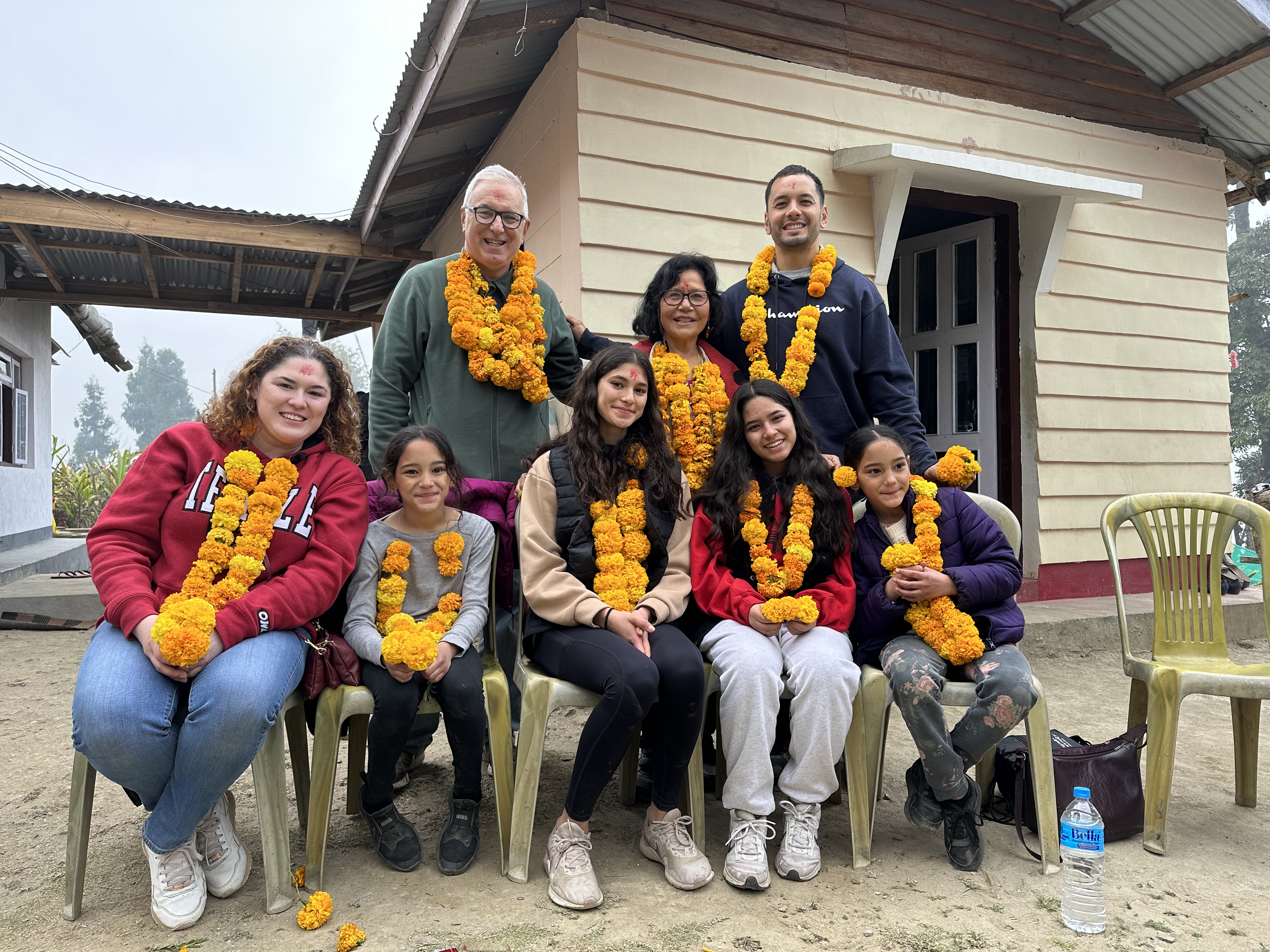
These were just two of many unforgettable moments during our trip to Nepal, from where we returned a few days ago. We’ll remember our granddaughters seeing Kathmandu’s glorious temples and the monkeys at Swayambhou. There was Maya singing at Ilam’s outdoor Christmas show. Paula playing soccer with local men. The twins laughing with their cousins. School visits. Tea with old friends. Steaming plates of momos. Roosters waking us at sunrise.

Paul and Stephanie had wanted to make the trip for years. Now, finally, our global family was brought together. Our worries about the trip never materialized. Everyone stayed healthy. Our family and friends welcomed us at every stop with boundless generosity. The girls fell in love with Nepal, as we’d hoped they would.
We’re still processing the trip. I’ll post more about it soon and also about Qatar, where Champa and I stopped on our way home. For now, I hope you’ll enjoy the photo slide show below.
Nepal, we miss you already.

Champa flew to Nepal in late November. I followed in mid-December, a few days before Paul, Stephanie and the girls arrived. In the middle is our nephew Shankar, who hosted us while we were in Kathmandu. 
Monkeys scurried near us as we posed at Kathmandu’s Swayambhou Temple. 
We ate lunch at this rooftop cafe above Patan’s Durbar Square. The food was good; the view, spectacular. 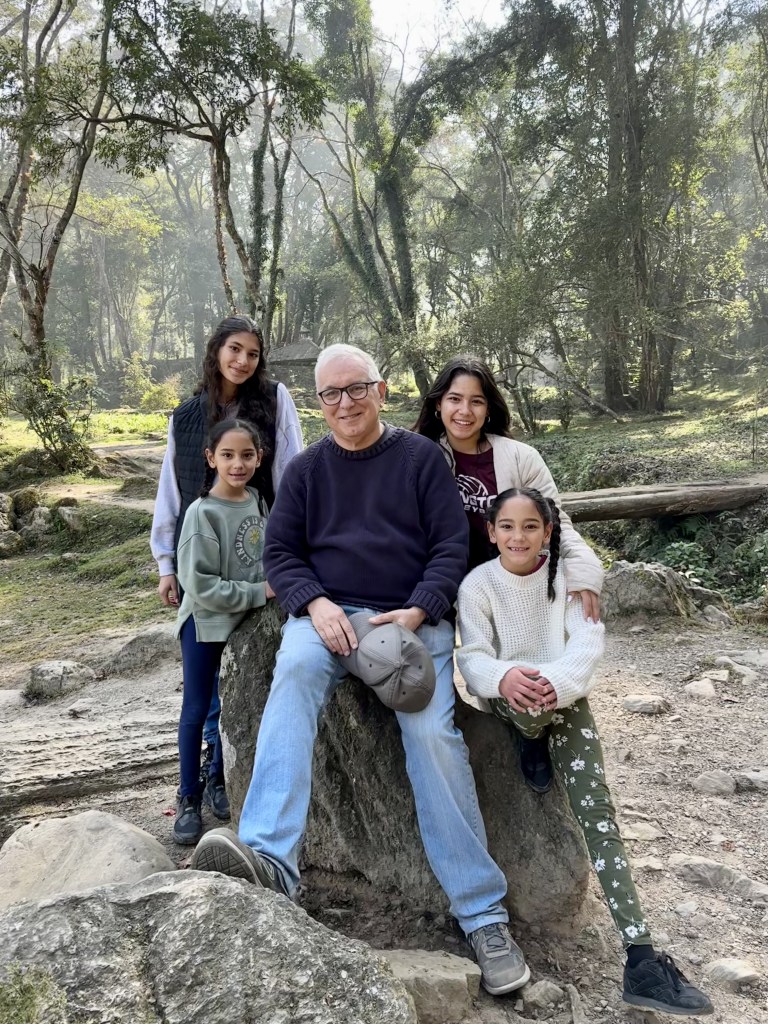
At the National Botanical Garden in Godawari. 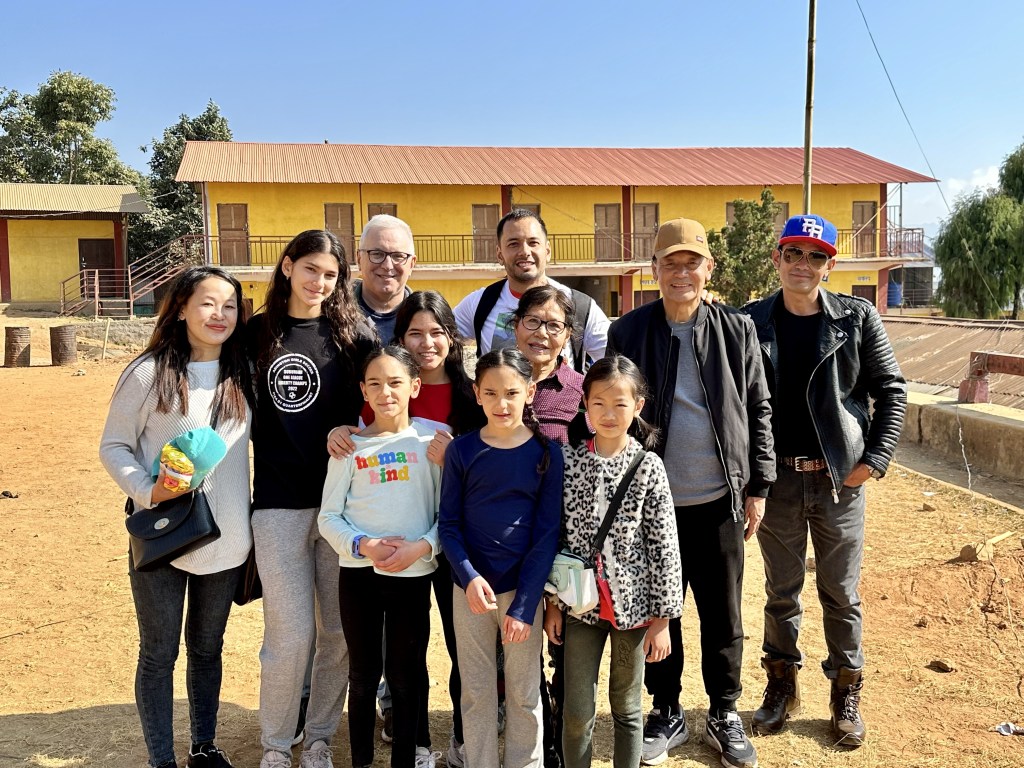
Champa and I met at this school where I was posted as a Peace Corps Volunteer. She was also teaching there. 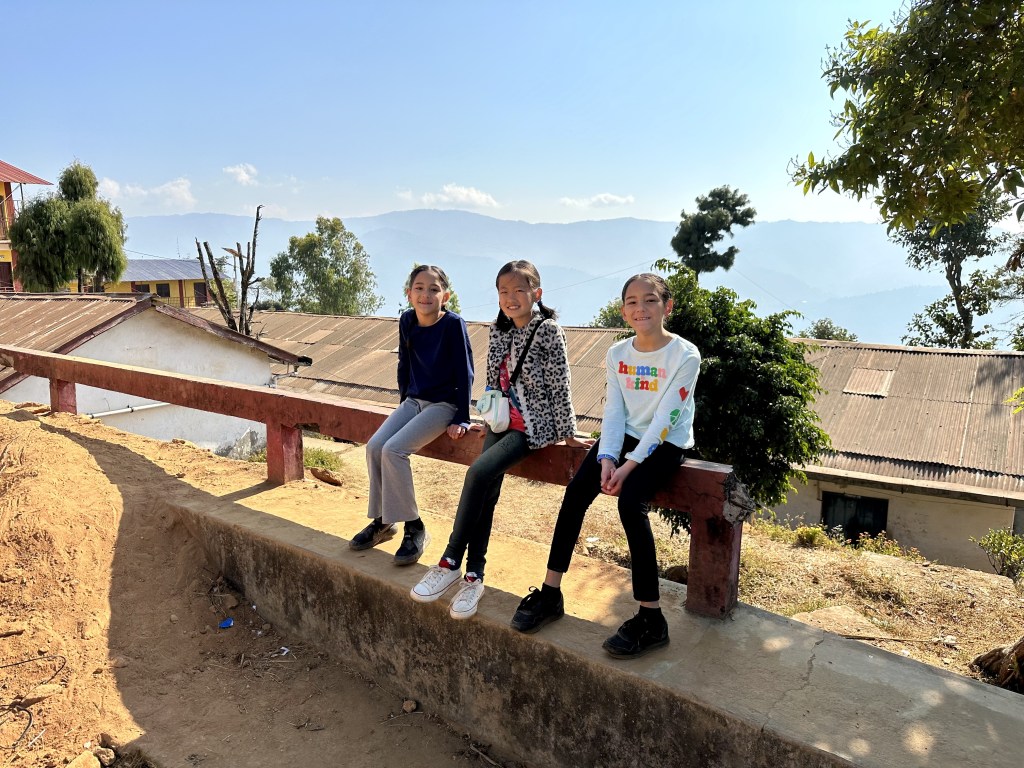
Our twins became fast friends with their cousin in Ilam. 
The cousins watched Netflix together one evening, just one of many ways Nepal is changing. 
The girls and their cousins tried their luck in the fish pond beside the family home in Samalbung. 
We visited relatives and friends in Samalbung, a small village along Nepal’s eastern border with India. 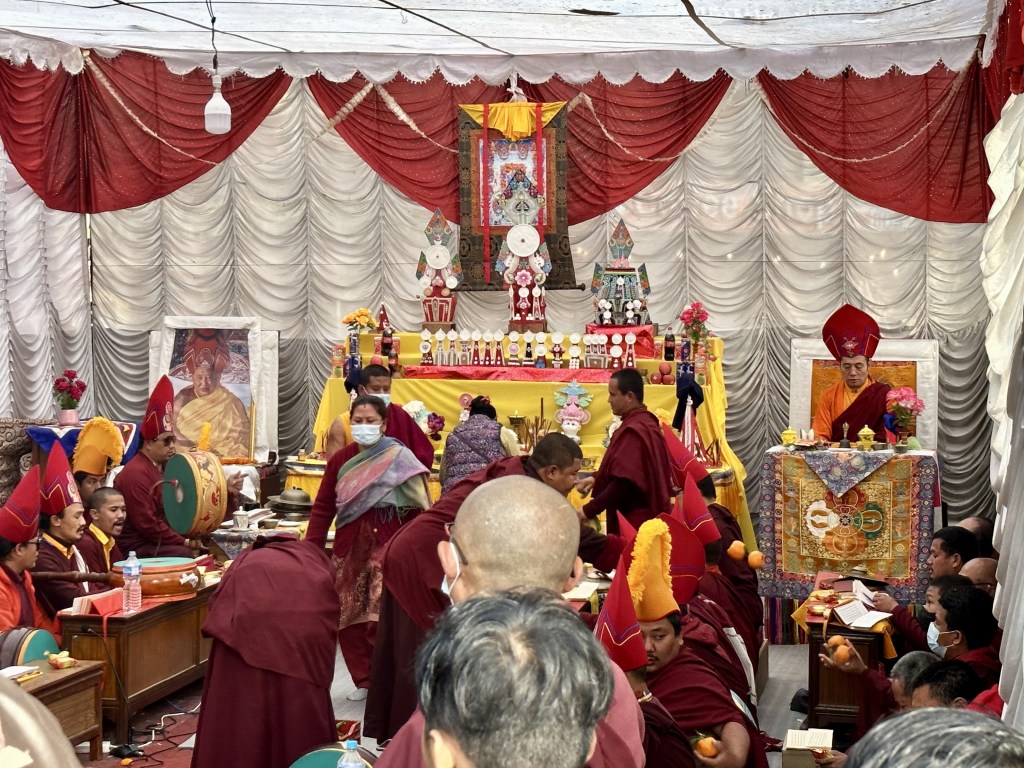
Celebrating the Tamu Lhosar festival at the Boudhanath Stupa in Kathmandu. 
Shopping for souvenirs at one of Kathmandu’s outdoor markets. 
Family and friends generously hosted us at throughout our trip, including this dinner with our niece, Pooja, and her family in Kathmandu.
Did you enjoy this post? Please share it!

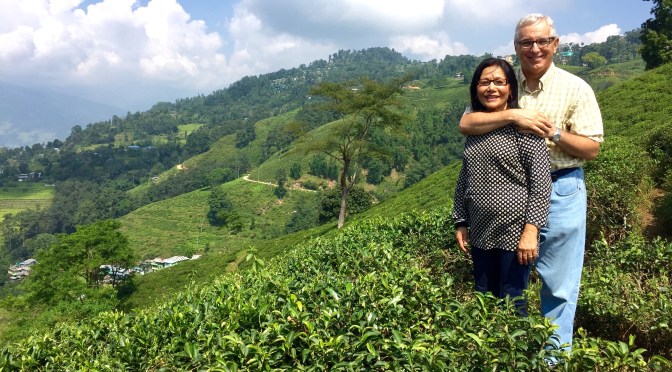
Nepal Trip Video
In the fall of 2015, as chronicled earlier in this blog, Champa and I took an extended trip to Nepal. We visited her home town of Ilam and a small village, Samalbung, and spent time in the Kathmandu Valley. During the second half of the trip we welcomed eight members of our American family for an unforgettable tour, highlighted by the two families coming together. This video has the highlights.
Did you enjoy this post? Please share it!


Nepal’s Death-Defying Taxi
Americans who complain about potholes in their roads should take a ride on one of the taxis that serve Samulbung, a village in eastern Nepal.
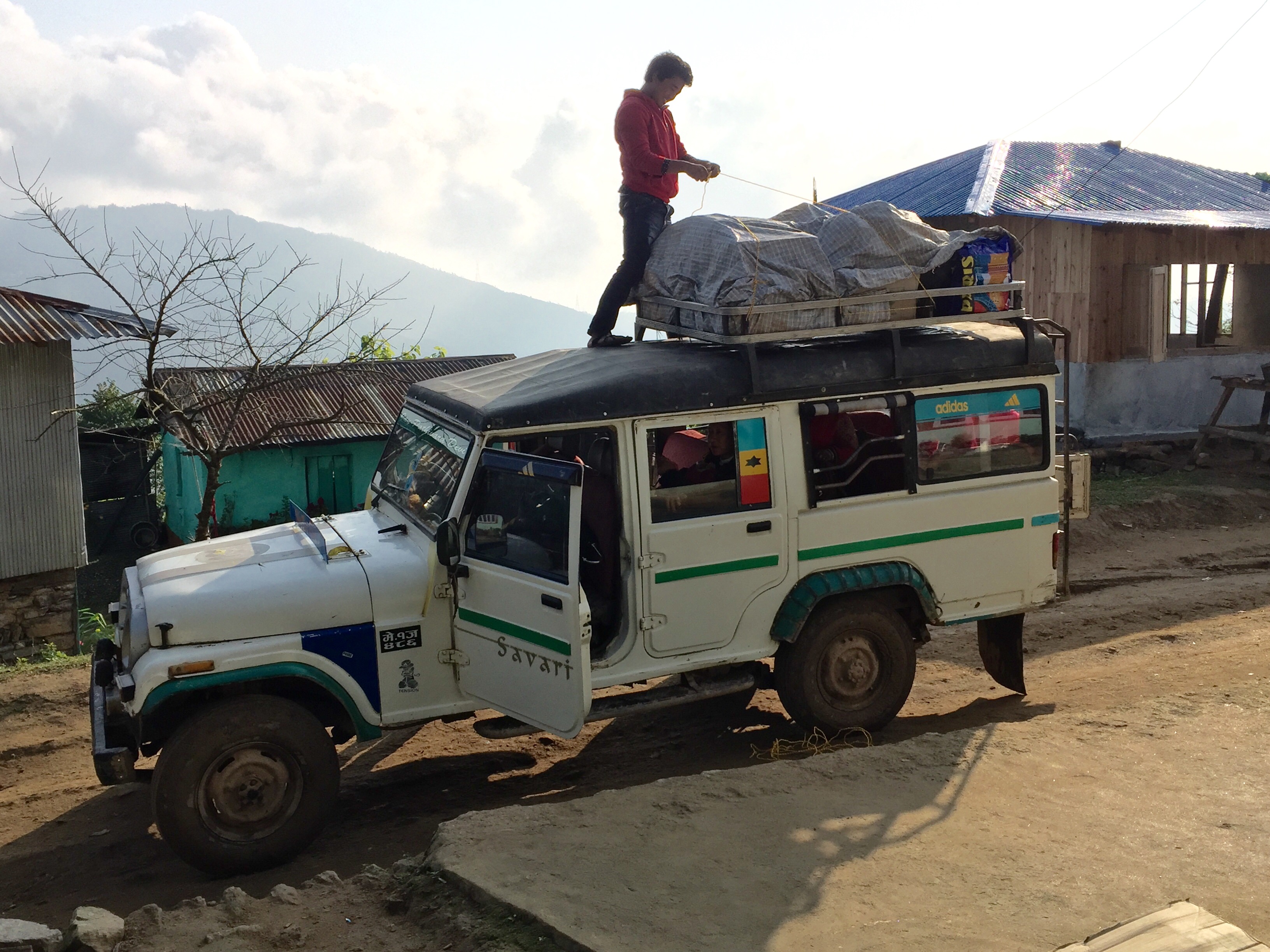 These four-wheelers climb and swerve along unpaved roads made of potholes. They bounce over cobblestones along the better stretches, then struggle across longer stretches where the pockmarked dirt often becomes mud.
 During the monsoon season, the mud resembles a swamp. Even when rain is intermittent, as it was when we visited a few days ago, water collects into pools. Drivers have to place one tire on either side of a pool and avoid slipping into the middle, or else charge through and try to reach the other side before losing traction.
 Sometimes the driver doesn’t make it. That’s what happened when our driver, Arpan, was a split-second late in down-shifting over a depression in the road. Since his four-wheel-drive was temporarily broken, he swerved into a ditch, as shown in the photo, then nearly burned off his left rear tire trying to regain contact. We all had to get out as he and his assistant gathered stones and gravel to provide traction. Eventually we got back on the road.
 Tires puncture regularly, which also happened to us. Once again, we disembarked as Arpan and his assistant made a quick roadside repair, as you can see here.
Such repairs provide a break from a journey that routinely steers to the edge of precarious roads lacking side barriers. If the vehicle went over the edge, it might fall hundreds of feet before crashing amid the world’s biggest mountains. Keep in mind there is no Life Flight helicopter service here. For that matter, there are hardly any doctors.
 Just to make the experience more interesting, the vehicles are piled high with luggage, grain and goods, all of which raise the center of gravity and reduce stability. Fortunately, the vehicles are usually crammed with passengers, who provide a counterweight
Many of the drivers are young men, who remain cheerful despite working long hours and earning little money. They stop regularly to pick up passengers and goods, and also to run errands — such as delivering a cell phone or money — for people along the route.
 Champa and I took two trips and found them simultaneously terrifying and hilarious. As happens so often in Nepal, we soon got used to the situation and begin joking with the other passengers at each new unexpected turn. We embraced the “No Tension” sticker on the driver’s door.
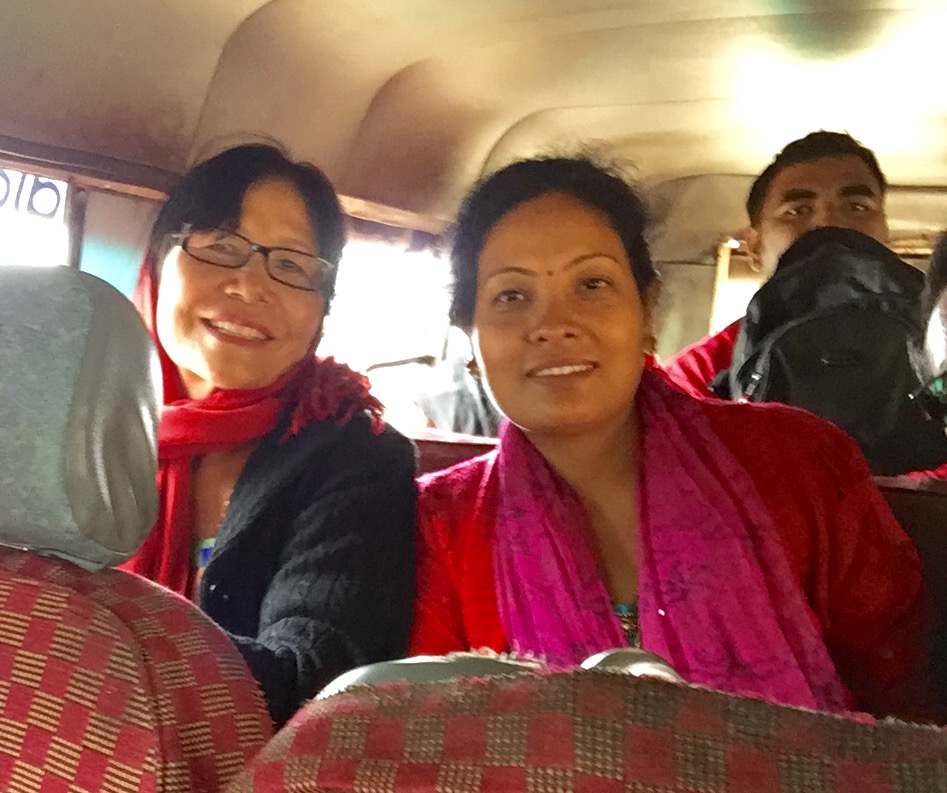 Our fare for four passengers to travel three hours to Fikkal, the local town, was $11, luggage included. If you find that price unbelievable, well, you’re right: It’s not what you’d expect. We paid nearly double the usual fare to ensure we had only one person in the front passenger seat (me) and only three in the second row. Champa and Bindu, shown here, shared the second row with Bindu’s husband, our nephew Shankar. Business class rocks.
Did you enjoy this post? Please share it!


Prayers at the Stream
These faces of devotion are gathered along a stream to wash away curses, evil spirits and bad luck, to be replaced by prosperity, health and good luck.
 Their maanghope ceremony, all but unknown in the West, took place Saturday morning along a stream in Samalbung, a small village in eastern Nepal. Families gathered to pray, light candles, beat drums and toss flower petals and grain into the water.
 Jai Kumar, with the large white hat, led the ceremony. He is the local sikhsamba, or religious leader, for a growing number of Kirati people in this part of Nepal who have begun turning away from Hinduism and returning to animist traditions. They also have rejected animal sacrifices. Instead, they follow the teachings of Falgunanda, whose temple in Kathmandu I described in a previous post.
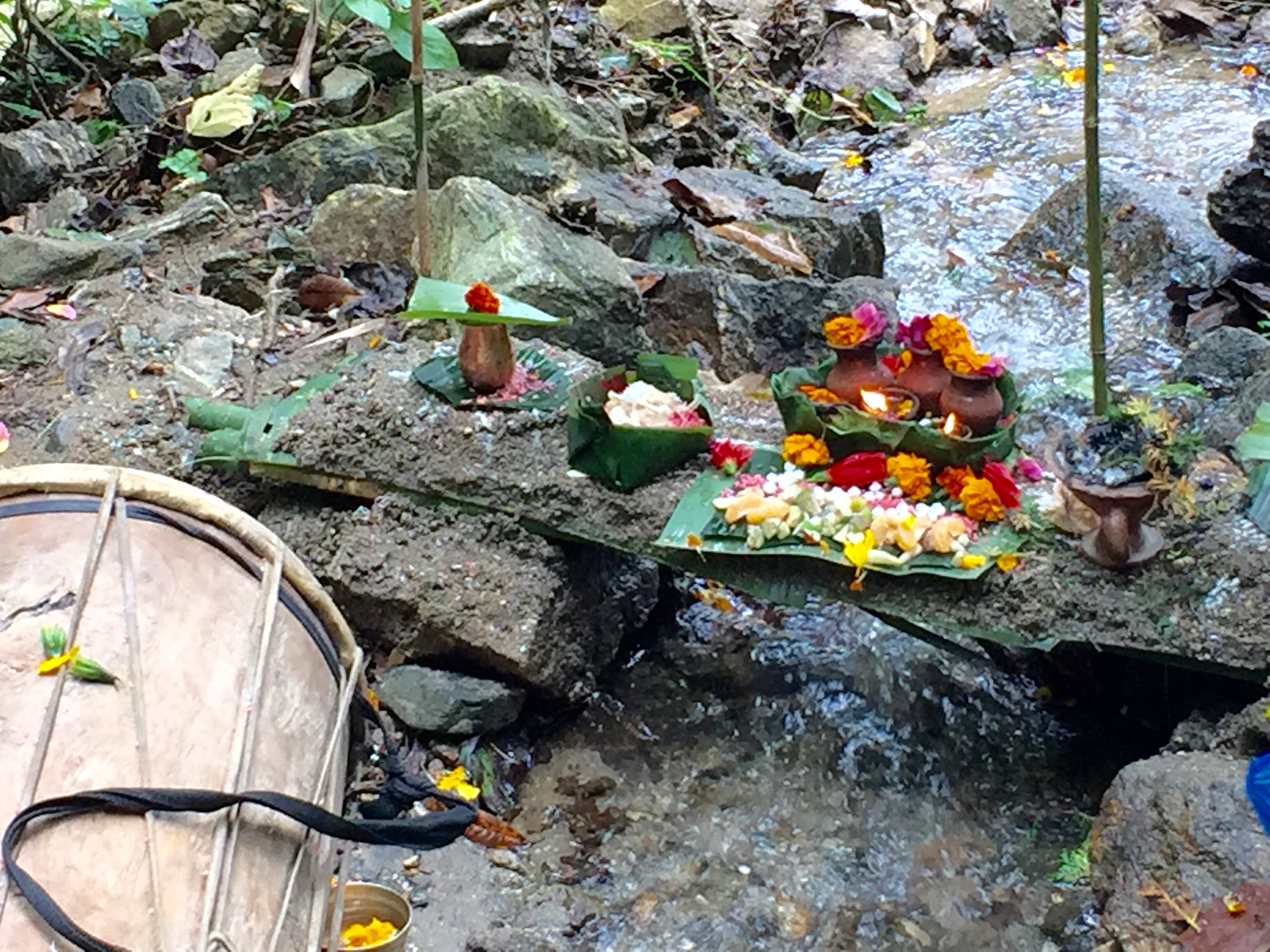 Jai Kumar, a second cousin of ours, expects no payment for leading the ceremony, which calls on everyone to pray not only for themselves and their families, but for the entire community. He lives next door to the home of Champa’s older sister, Sumitra, who died earlier this year. A day earlier, he led another ceremony at the house to coincide with our arrival.
Champa and I came here from Ilam along a breathtakingly bumpy road to pay our respects at the graves of Sumitra and her husband, Naina, and to visit with our nieces, nephews and extended family.
 They and their neighbors are the people you see in the photos, gathering as they do every year during the harvest season for the maanghope ceremony. Another annual ceremony, ubhawli, occurs during planting season.
Few Westerners have ever observed the ceremony, which lasted about an hour. I felt honored, as a member of the family, to be invited to participate. The sights were even more colorful and dramatic than you see here. The drums, cymbals and chanting voices blended with the flowing water and chirping birds to compose a symphony of serenity that still lingers.

 "Not Exactly Retired"