Tag Archives: museum

My Art Renaissance

I’m an art lover with a confession: a lot of art in museums bores me. Champa and I both love Impressionism, abstract art and other modern genres. But we’re less passionate about much of the art produced before that. We appreciate it but don’t love it.

When we visit great museums, we often stride through the pre-Columbian, Egyptian, African and other galleries, glance at the old European paintings and tapestries and maybe pause a little longer for Rubens, Velázquez and other great masters, especially Rembrandt.

But it’s only when we get to the Monets and Renoirs, to Pollock and Frankenthaler, that we slow down and really begin to savor. For better or worse, that’s the art that speaks to us. 

That is, until we came to Rome and Florence. 

Night view of the Duomo in Florence

We just spent much of the past week in museums, basilicas and other showcases of Renaissance art. I was familiar with Leonardo, Michelangelo and the other greats, of course, and not only because our two sons collected Ninja Turtles. I admired their work, but it didn’t especially move me. My appreciation was dutiful rather than passionate. 

I don’t know what caused my Renaissance switch to turn on after so many years but, unexpectedly, I found myself entranced by much of what I saw in Rome and Florence. 
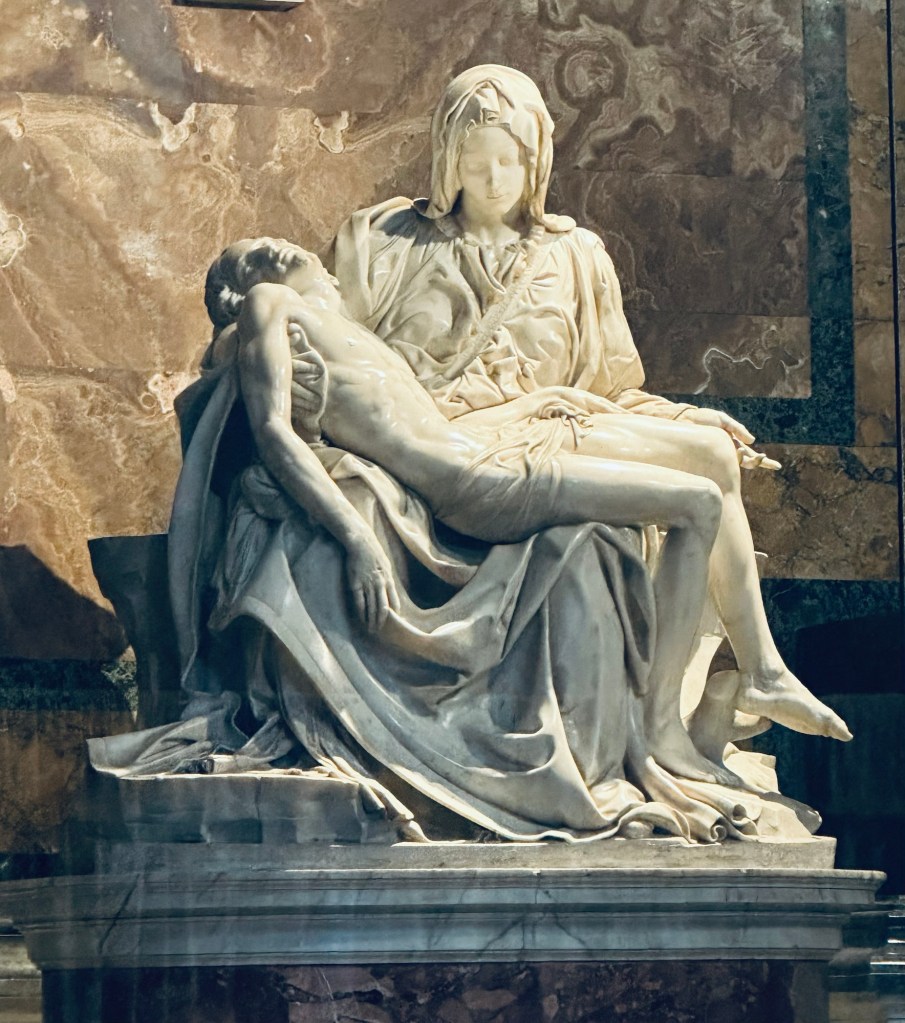
For example, here’s Michelangelo’s famous Pietà, which I first saw in my youth at the New York World’s Fair. Its composition and technical mastery are impeccable, to be sure, but what got to me when we viewed it in Saint Peter’s Basilica was its emotional and spiritual power. I could feel Mary’s grace and anguish. 

Michelangelo’s David, in Florence, also spoke to me. Its anatomical precision and monumental scale command attention, but what stayed with me was the look in David’s eye — his intelligence and determination to slay Goliath. David is my namesake and this has always been my favorite Bible story. Seeing this statue in person made him seem so much more real. 

So did this David statue at the Borghese Gallery in Rome. I was less familiar with this Baroque version by Bernini, but I spent a long time circling it, gazing at its details and feeling the drama of what young David was about to do. Just look at his coiled body, holding the stone that will kill the giant. Bernini demands that I engage emotionally. 

And so I did, not just with these three sculptures, but with many of the frescoes, paintings and other works we saw, some of which I’m sharing here.

Leonardo da Vinci, The Adoration of the Magi, Uffizi Gallery

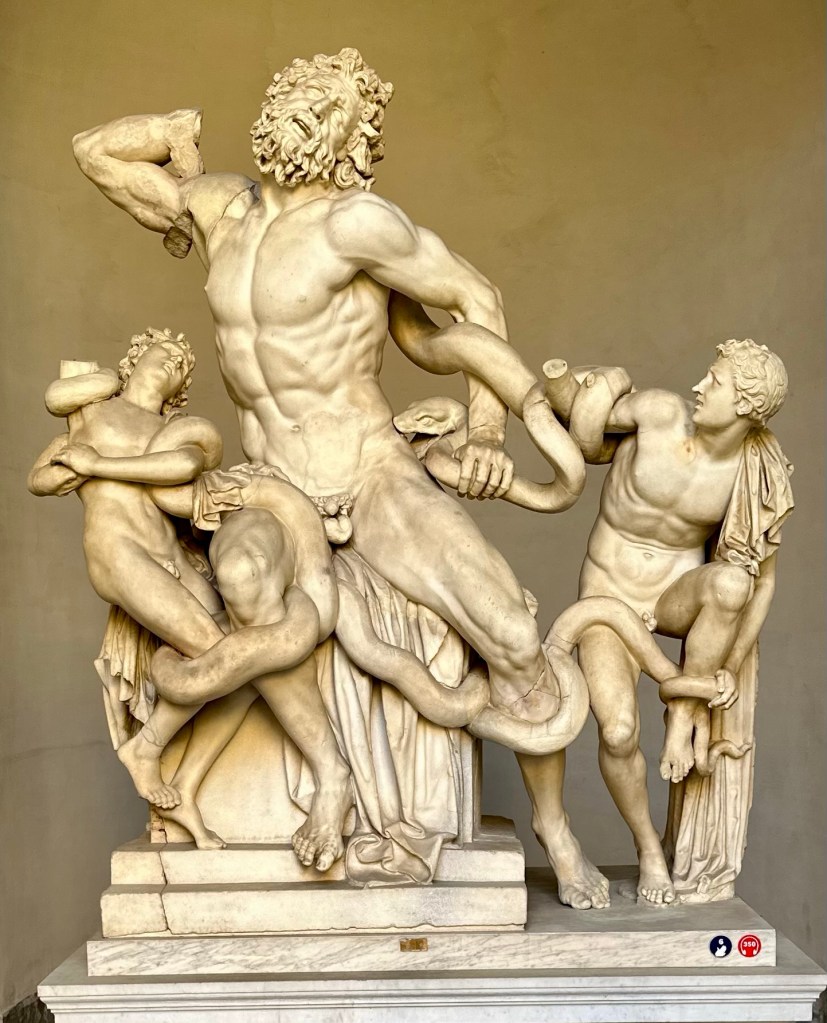
Laocoön and His Sons, Vatican Museum

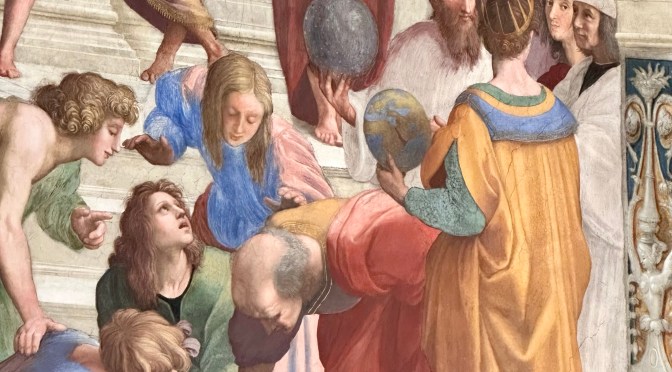
Raphael’s The School of Athens, Vatican Museum

Michelangelo’s Moses, San Pietro in Vincoli

Botticelli, The Birth of Venus, Uffizi Gallery

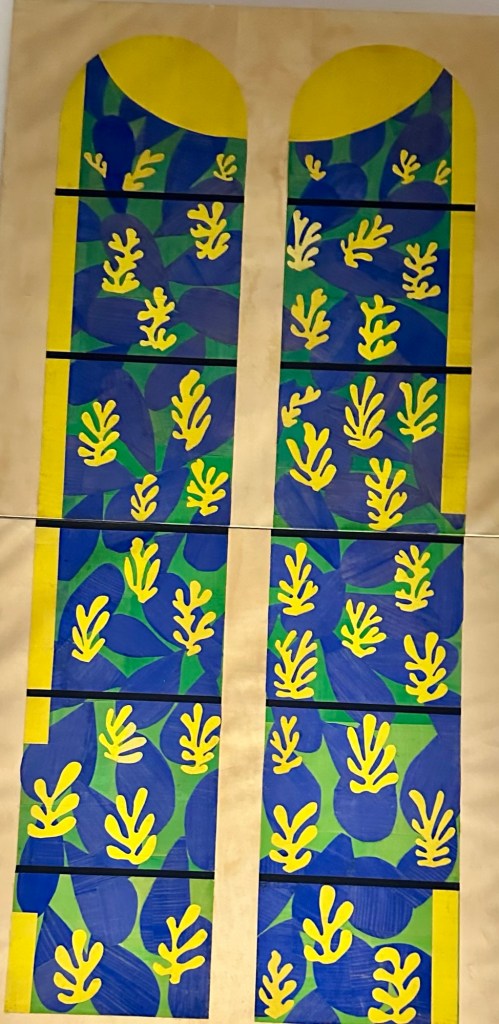
The Vatican Museum’s collection also included some work by newer artists I already loved, such as Matisse and Klee, below, and I was happy to see those, too. 
I’m sure some people will read this, shake their heads and consider me an idiot for taking so long to appreciate Renaissance art, or for not paying proper homage to other old masters, from Goya to Vermeer. I can hear the indignant cries that I’m paying short shrift to other artistic lineages, from China to the Incas. 

I get it. They’re right. But I can’t help what I like or what touches my heart. Art is so personal. I can recognize the greatness of, say, British landscape painters but still not be moved by them. I can’t explain why I prefer Georgia O’Keeffe’s landscapes or Monet’s water lilies, but I do and think they’re gorgeous. 

Monet, Water Lilies, MoMA, New York

Champa and I visit museums often during our travels and have recently steered towards the work we love most. When we went to Amsterdam a few years ago and had only one day to see art, we chose the Van Gogh Museum over the iconic Rijksmuseum. In Paris, we chose a return to the Orsay Museum, which is filled with Impressionists, over revisiting the Louvre. On a recent trip to New York, we went to MoMA and the Whitney instead of the Met.
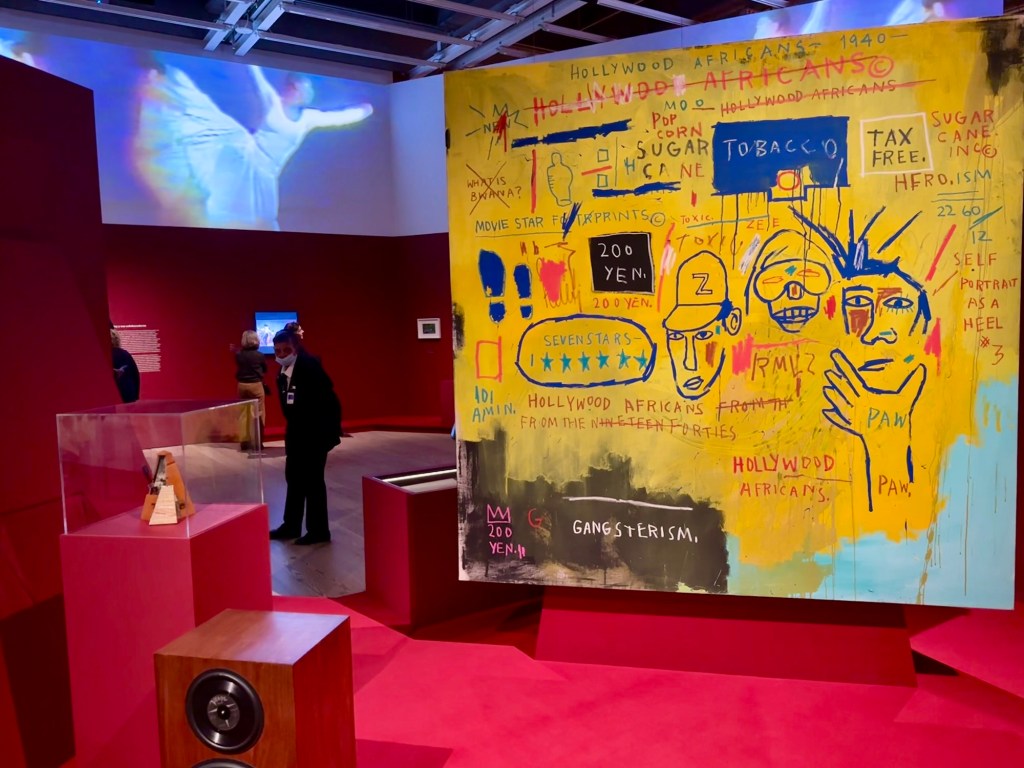
Jean-Michel Basquiat, Whitney Museum, New York

In Rome and Florence, though, we necessarily focused on Renaissance art, which led me to reevaluate how I felt about it. Maybe something similar would have happened if we’d immersed ourselves for a week in some other artistic style. Maybe not. I think it was the art itself that caused this rebirth, or renaissance, in my sensibilities. 

In any case, I now regret that I didn’t open my eyes sooner and acknowledge that my sons were smarter than me to idolize Michelangelo, Leonardo, Raphael and Donatello. I should have paid closer attention when they shouted Cowabunga!

Top image: Detail from Raphael’s The School of Athens, Vatican Museum

Artistic Adelaide

Adelaide is known for several things — beautiful churches, wineries, festivals — but what I’ll remember most about it is the life-sized sculpture of a mother breastfeeding her baby at the Art Gallery of South Australia.

As you can see, it’s not quite a human mother. What gives the life-sized piece by Patricia Piccinini even more power is its placement beside a traditional Virgin and Child by William Adolphe Bouguereau. 

Here are the two works together, each offering a different vision of motherhood. 

Now consider this Rodin sculpture placed beside Ricky Swallow’s meticulous carving of a skeleton from lime wood.

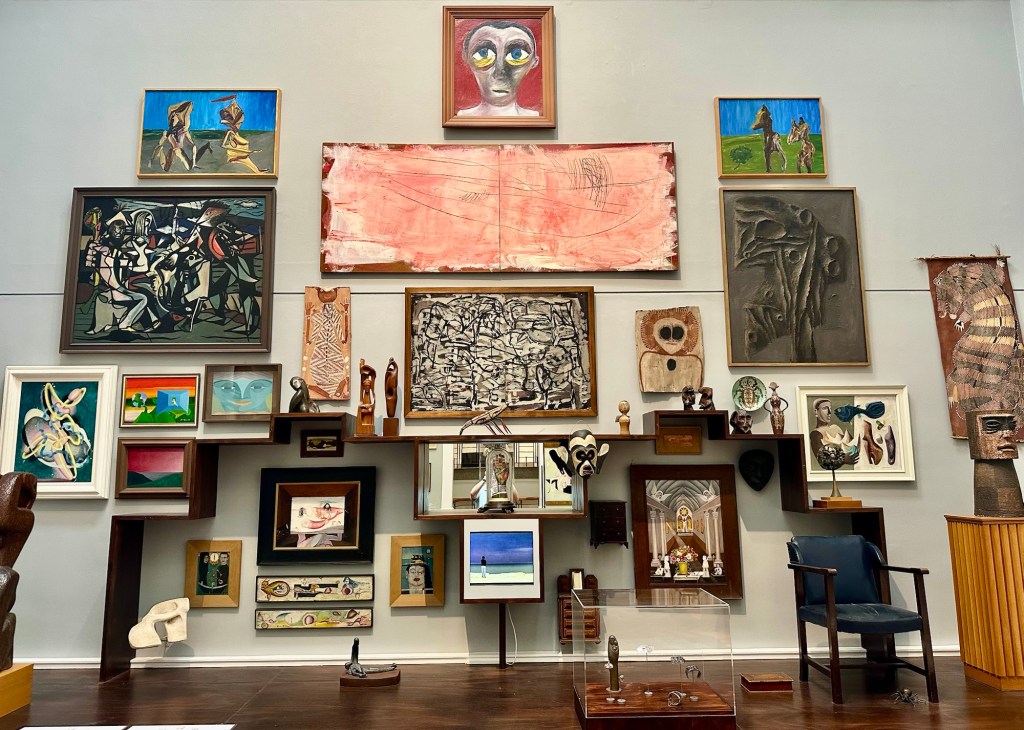
I found the juxtaposition strange and wonderful. Likewise for the presentation shown at the top of this post. 

Champa and I are both art lovers; she is an artist herself. We try to check out local museums whenever we visit a new city. Most have galleries filled with works of specific periods or genres. Adelaide’s museum had those, too, but it also challenged us to think beyond categories, as with this surrealist mashup:

Adelaide’s museum can’t compete with the volume of places like the Louvre, but it impressed us in its own way, as did the city generally. 

Next door, for instance, and also free, is the South Australian Museum, which has excellent displays of natural history and Aboriginal culture. 

Next to that is the State Library, whose historic Mortlock Wing looks like a reading room at Hogwarts.

Further up the street is an excellent botanic garden, now featuring pieces by American glass artist Dale Chihuly placed in strategic locations and lit up at night. 

We also enjoyed Adelaide’s giant outdoor Rundell Mall, decked out for the holidays, and a Central Market filled with luscious produce and specialty food shops. 

Australia’s fifth largest city has many other attractions, which we didn’t have time to visit. However, we saw enough to give it an artistic thumbs up. 


This very red piece is by Chiharu Shiota, a Japanese artist now living in Germany.

Jewish Museum of Moldova

If you think of London and Paris as having vibrant Jewish communities — which they do — consider another European capital whose Jewish population was once many times larger in percentage terms.

It’s Chişinǎu, the capital of Moldova, which was nearly half-Jewish at the turn of the last century, before a bloody pogrom in 1903 killed 49 Jews in Chişinǎu, injured hundreds more and led many Jewish families to flee.

Chișinău monument to the Jewish ghetto.

Four decades later, the Holocaust killed most of Moldova’s remaining Jews, only to be followed by Soviet occupation. Today, estimates of Moldova’s current Jewish population range between 7,500 and 20,000, based on different sources, approaches and definitions. Many more Moldovan Jews live in Israel and other countries.

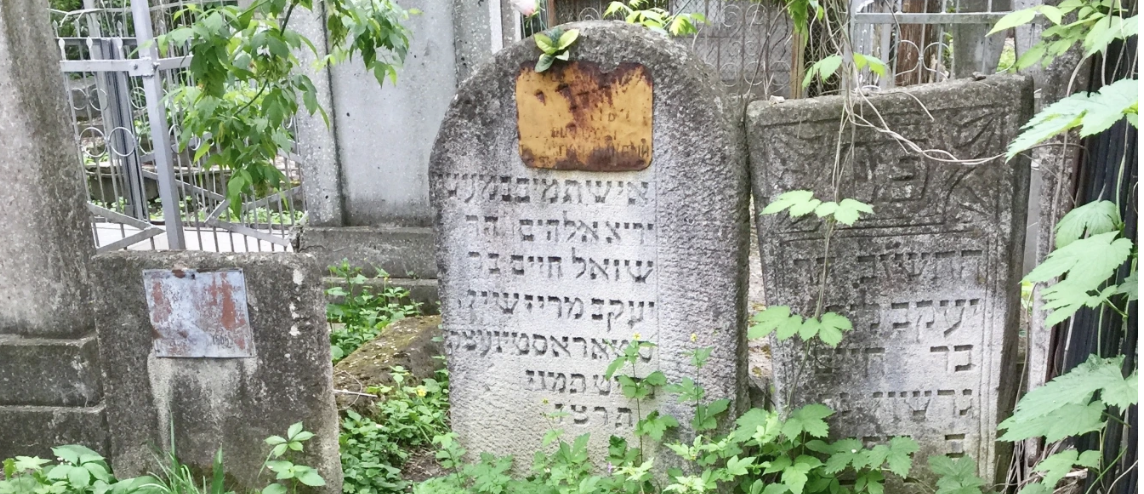
Moldova retains a rich Jewish heritage but, as I discovered while serving there as a Peace Corps Volunteer several years ago, it’s largely hidden amid the broken cemetery stones and synagogue ruins.

Chişinǎu’s Jewish cemetery has more than 23,000 graves.

Now, finally, this is changing. In 2018, Moldova’s government created a national Jewish museum in the capital — focused initially on Chisinau’s large Jewish cemetery but with plans to also establish a building with exhibits and programs.

As the grandson of a Jewish woman who grew up down the road in Odessa, I find this both exciting and overdue. It’s even more inspiring since it’s happening at a moment when Moldova is dealing with the war in neighboring Ukraine and many other challenges.


The Maghid website describes Jewish sites across Moldova.

A few months ago, Peace Corps Moldova asked me whether I might help the museum planners, given my professional background and familiarity with Moldova. I said yes enthusiastically and, earlier in July, began working on a Peace Corps Virtual Project with the museum’s director, Irina Șihova. 

I’m interacting with Irina from my home in North Carolina but plan to visit Chişinǎu with Champa in September (at our own expense). We are also eager to reunite with our host family and other dear Moldovan friends while we’re there.

Irina Șihova in the Jewish cemetery.

Irina is a prominent researcher in Jewish ethnology, culture and history; a museum curator; an educator; and a guide for Jewish families who’ve come to Moldova to explore their family roots. She’s organized dozens of exhibitions and cultural programs and written academic papers and books about Moldova’s Jewish history.

She and I have already done some good work together, brainstorming ideas for museum exhibits and publicizing an upcoming festival in Moldova that will include tours of former Jewish shtetls, a klezmer music concert and the premiere of a musical work commemorating the 1903 Chişinǎu pogrom. We’ll be joined soon by one or two “Peace Corps Response” volunteers who will bring their own expertise to work on-site with Irina and her colleagues.

Torah at Moldova’s national history museum.

I feel privileged to have this opportunity, especially at this early stage of the museum’s development, and plan to post updates on this blog. If you’re interested in the project, or know others with relevant expertise who might want to join this volunteer effort, please write me privately with a direct message or by e-mail. (Please do not post a public message about this here).

Because religion was heavily restricted in Soviet times, some Moldovans have ethnic Jewish heritage but do not practice the religion and may not even know about their family backgrounds. My closest colleague on the Peace Corps staff, for example, told me her Jewish grandparents “never practiced during the Soviet era since any religion was taboo.”

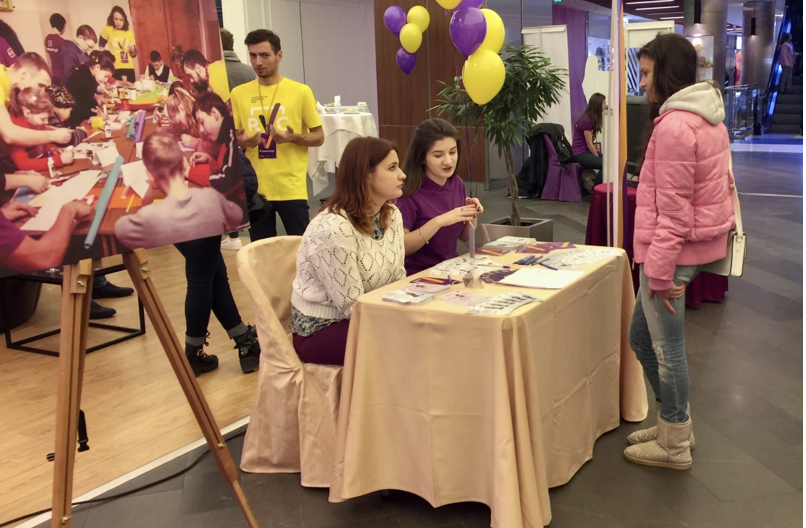
Jewish youth event at the MallDova shopping mall, October 2016

Moldova’s small Jewish community is experiencing a resurgence these days, as you can see in this photo from a youth event we attended. The new museum will make it easier for others in Moldova, Jews and non-Jews alike, and for visitors from around the world, to learn about this heritage and honor those who were lost. 

I hope some of you reading this will visit it one day.

Seeing in New Ways

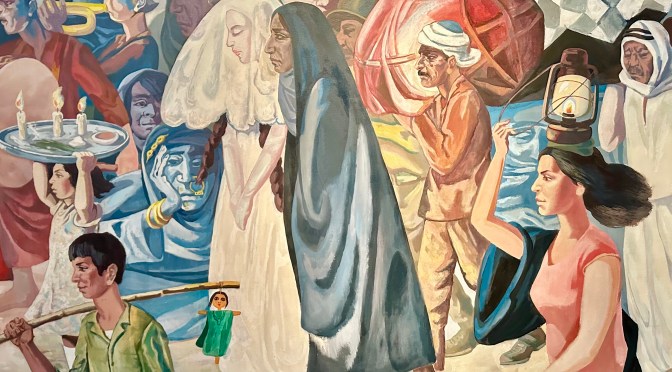
Have you ever thought of Baghdad as a “city of peace” and “a miracle”?

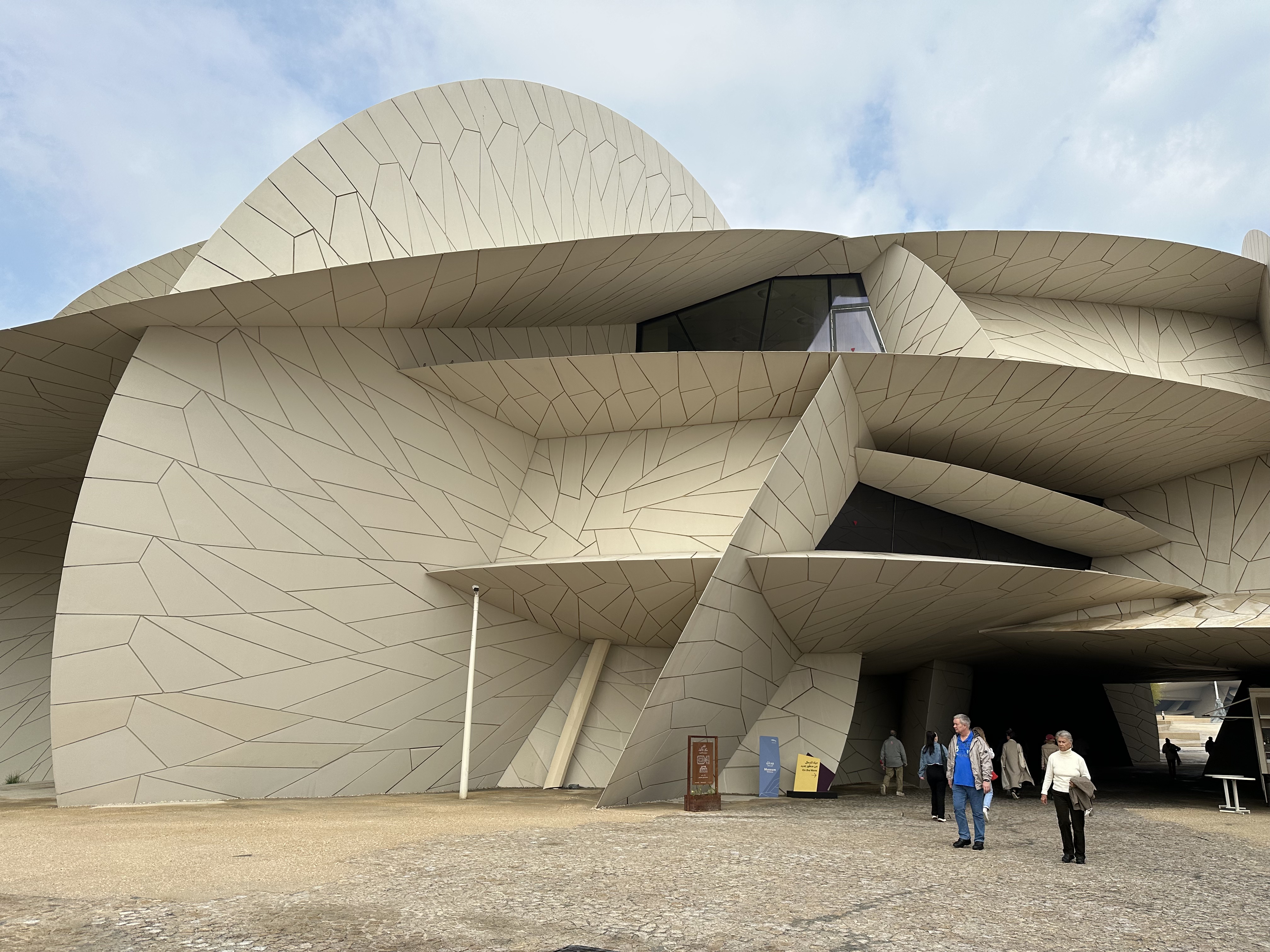
Me neither, but that’s how it was described in an exhibit we visited recently — not in Iraq, but at the National Museum of Qatar.

Several of the exhibits there reminded me that people around the world see things very differently than we do in the United States, regardless of who is “right.” Another one highlighted the collapse of the global pearling industry, which was devastating to Qatar but unknown to me. An exhibit about the “Ramadan Blockade” described how Qatar was blockaded by several neighbors a few years ago. I barely remembered that happening.

The museum, which opened in 2019 with a design evocative of a desert rose, wasn’t the only one in Doha that made me think in new ways. Across town, at the Museum of Islamic Art, an exhibit examined how Lawrence of Arabia and other films have contributed to Western misunderstanding of the Arab world. Another gallery showed how modernity has brought prosperity to Islamic nations while upending local traditions.

Both museums featured stunning architecture and beautiful exhibits. Neither was especially political; on the contrary, both were designed to appeal to broad international audiences. Inevitably, though, they reflected the perspective of a society that, for all of its wealth and rapid modernization, still differs from our own.

This is why I love to travel. It challenges my assumptions and broadens my perspective, no matter where we go.

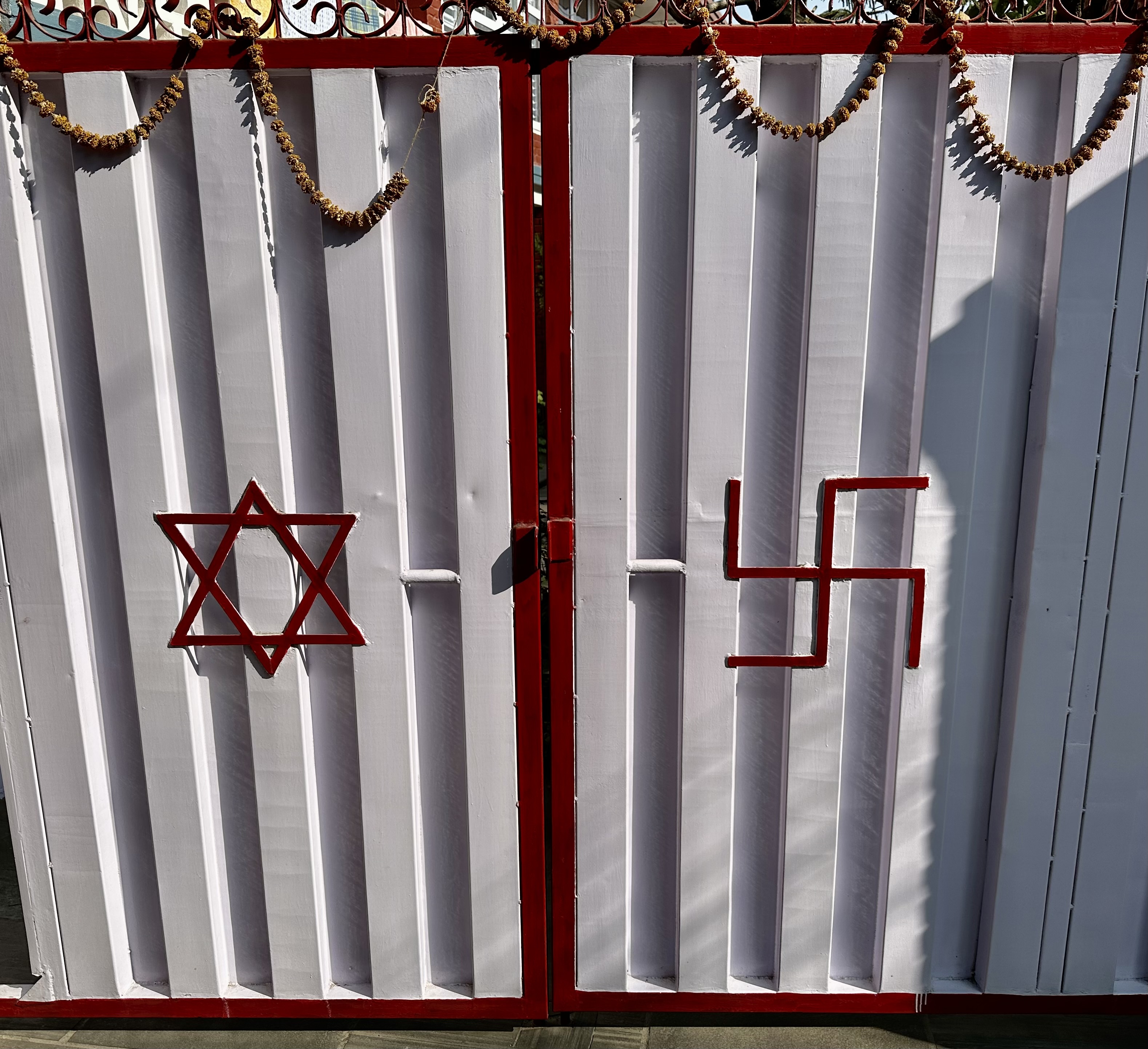
Shortly before we flew to Qatar, for example, we had lunch at the Kathmandu home of two old friends. Here’s what I saw on the gate outside their house:

If you’re startled to see a swastika displayed so proudly, much less beside a Star of David, think about your own vantage point. Swastikas were sacred symbols in Hinduism long before they were linked to Hitler. The six-pointed star, which we associate with Judaism, is also a Hindu symbol. Both symbols are common in Nepal and have nothing to do with Nazism or Judaism, at least in the local context.

Or consider this statue we saw in Ilam, Champa’s home town. It honors Ratna Bantawa, a local Communist leader who opposed Nepal’s former king. Ratna and his brother were denounced as terrorists and killed for their activities. Today Ratna’s memory is celebrated. There’s a road named after him. Communists now play a prominent role in Nepali politics even as “communist” remains an epithet in our own country.

My point here isn’t to debate Iraqi history or communism, just to note how travel changes our perceptions. This latest trip reminded me of something I wrote several years ago after returning to Moldova from a trip to Bulgaria and Romania: “One of the things for which I’m most grateful about serving in the Peace Corps is how it’s made me less fearful about traveling to places that seem exotic or dangerous to some Americans even though they’re actually safe, beautiful, fascinating and cheap.”

As I wrote then, “you hardly need to have served abroad to expand your horizons a bit. … There’s a big world waiting beyond the American comfort zone” for those of us fortunate enough to be able to travel, a privilege the two of us never take for granted.

That big, mysterious, fascinating world is still there and still waiting. Now that the pandemic has eased, I hope more Americans will explore it, as we hope to keep doing ourselves.