

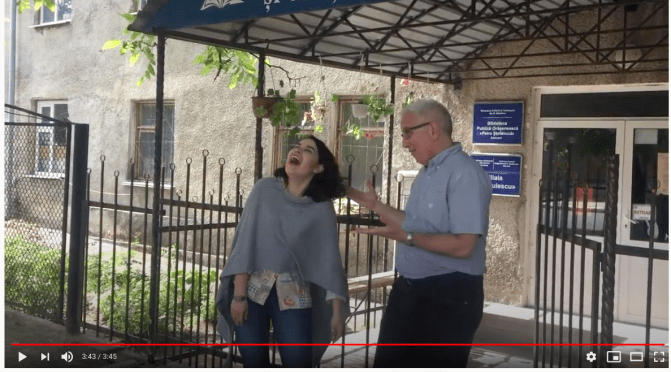
My book about traveling the world and serving as an older Peace Corps Volunteer was published just as COVID-19 was closing international borders and the Peace Corps was evacuating its volunteers. How has it fared in the year and a half since then? This post, reprinted from the book’s website, highlights some of the coverage:
Profile in Worldview Magazine
An article in Worldview, the magazine of the National Peace Corps Association, featured Not Exactly Retired and considered how Peace Corps service has changed over the decades. It was accompanied by an article from Champa describing how “Many of us were not what Moldovans expected a Volunteer would look like. Together, we showed them that ‘American’ includes many kinds of people.”
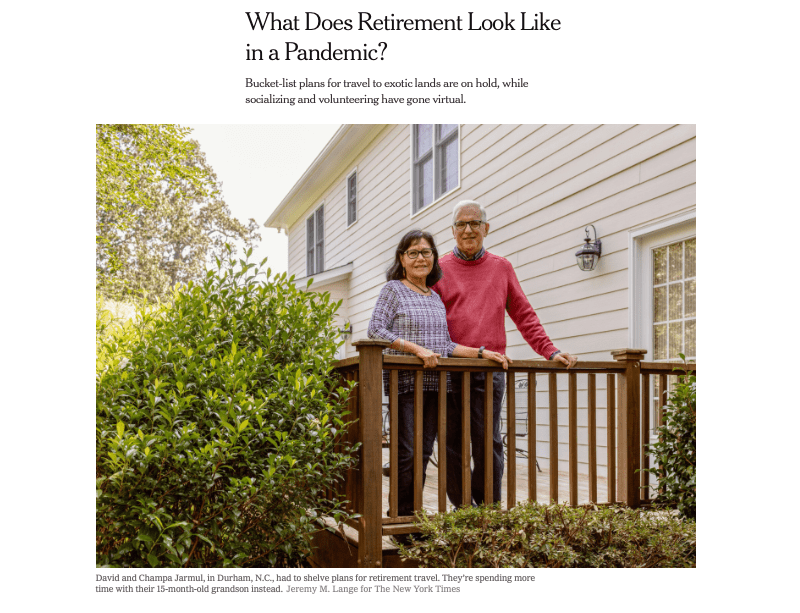
New York Times
The Times mentioned the book while profiling the two of us for an article about how retirees are coping with the pandemic.
‘A Shining Example’
Joe Casey, host of the Retirement Wisdom podcast, called Not Exactly Retired “a shining example of why volunteering is important – and why it can be a unique way of reinvention in early retirement.” His interview with me is on his website.
A ‘Must-Read’ Book
Not Exactly Retired is among the “inspiring, international reads” included on a list for armchair travelers and others. The reviewer called it one of “10 Must-Read Books About the Peace Corps.”
‘Unexpected Benefits’
Another reviewer called Not Exactly Retired “a gift to those who might be thinking there has got to be more to retirement than playing golf, traveling for pleasure, taking up new hobbies, visiting family, or walking the dog. Read and you just might find yourself setting foot on a not so familiar path with unexpected benefits!”
Born for Adventure
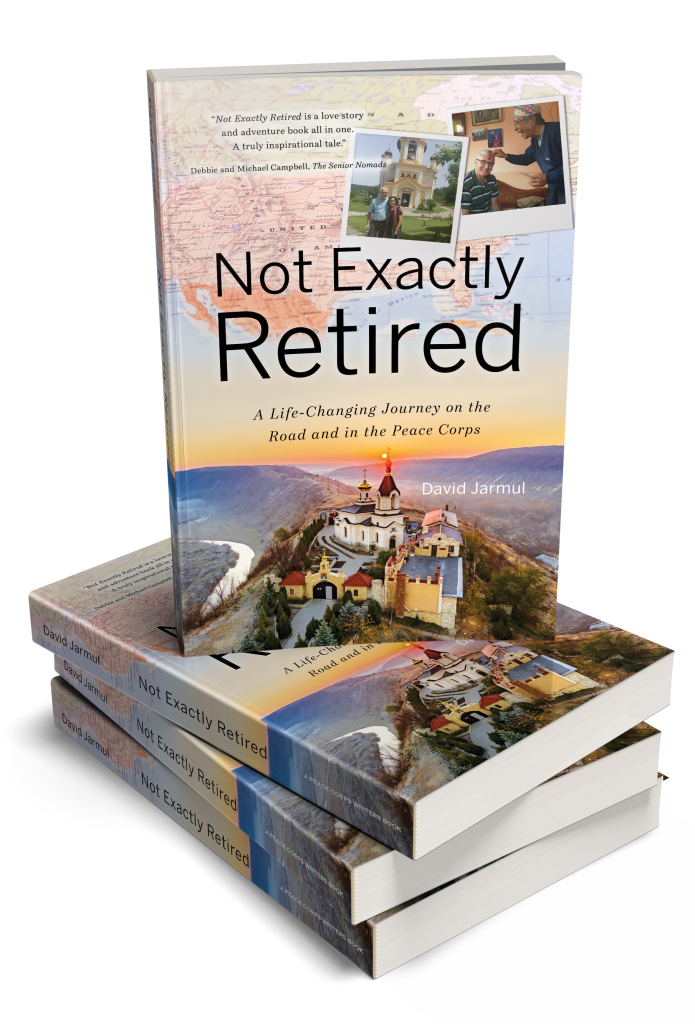
An article about the book on the Born to Be Boomers website sparked dozens of comments, including one saying “it is the job of the older generation to turn around and help the next one along. What a great example of that. I’m nearing that time and am hoping to transition to that with grace.”
Love Story, Saga, Guide
Brown Alumni Magazine described Not Exactly Retired as “part love story, part adventure saga, and a guide to finding a fresh act later in life.”
A Second-Act Story
My interview with Andy Levine on the Second Act Stories podcast ranked high on his “Best of 2020” list. His show features people who have made dramatic career changes.

Peace Corps Worldwide
The website, which features books by Peace Corps writers, posted an extended interview with me, discussing my two stints as a volunteer and my writing process.
Lifelong Learning
OLLI at Duke — the “lifelong learning” organization — featured Not Exactly Retired in an online author interview that included an international call-in from our Moldovan “host sister.”
‘Interesting and Engaging’
That’s how a newsletter for older travelers described Not Exactly Retired, saying it encouraged readers to “gain insight into how to plan our own quests.”
‘Repurposing’ Your Life
The Career Pivot website and podcast featured Not Exactly Retired in an online interview conducted from Mexico. Host Marc Miller said the book showed how older listeners might want to “repurpose” their own lives.
Inspiration for Librarians
Circulating Ideas, a podcast for U.S. librarians, interviewed me about my work at a Moldovan library and described how Peace Corps Volunteers have assisted libraries worldwide.
Rocking a Retirement
Did we miss our grandchildren? Did we worry about getting sick? Kathe Kline asked these and other questions while interviewing me for her Rock Your Retirement podcast. She called Not Exactly Retired “an inspiring story.”
Bloomer Boomer
That’s the name of Andy Asher’s podcast about people thriving in the second half of life. He interviewed me about the book.
Visit the book’s website to order a copy or learn more.




 hospitals are overwhelmed. Businesses keep closing. This didn’t have to happen.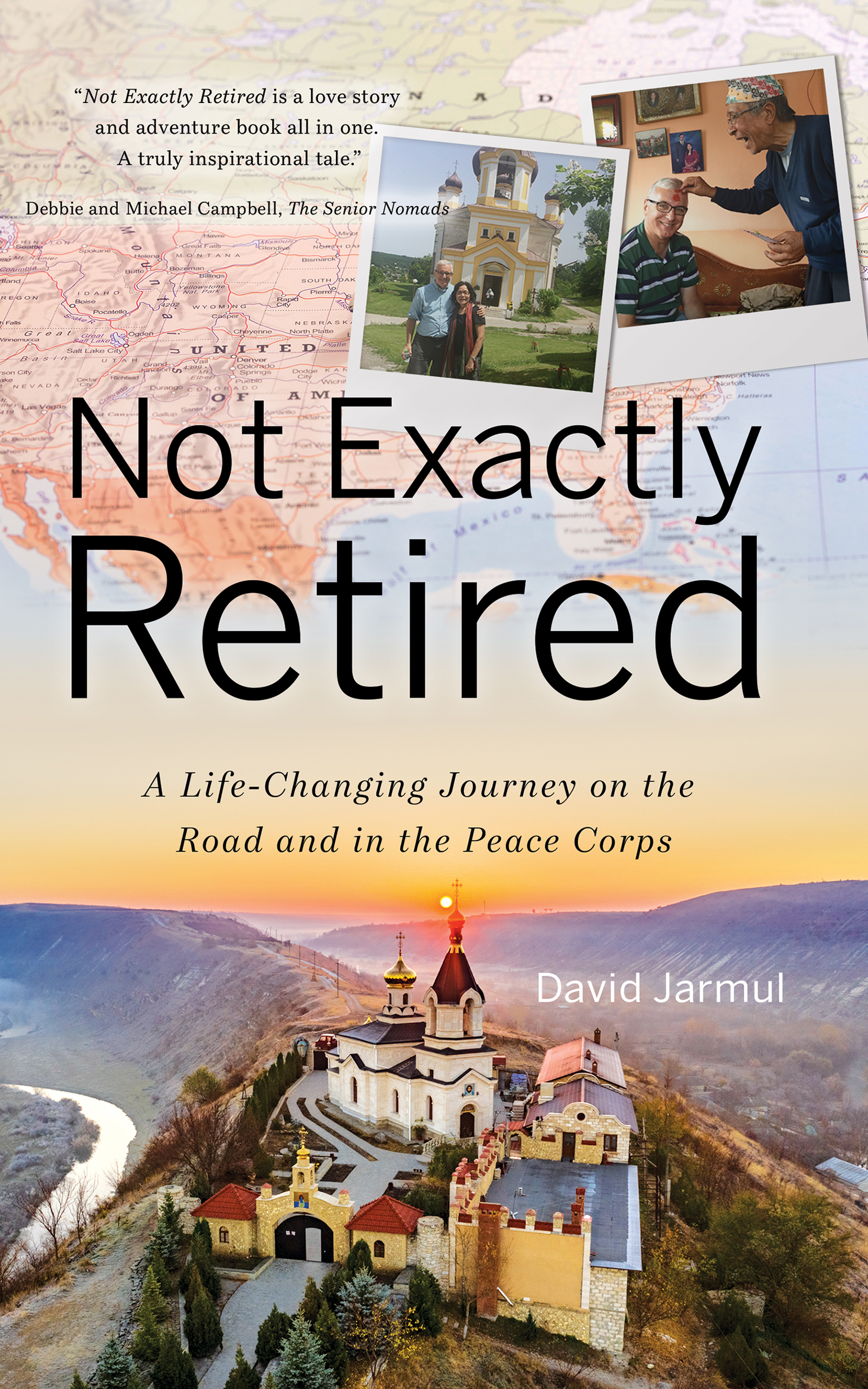

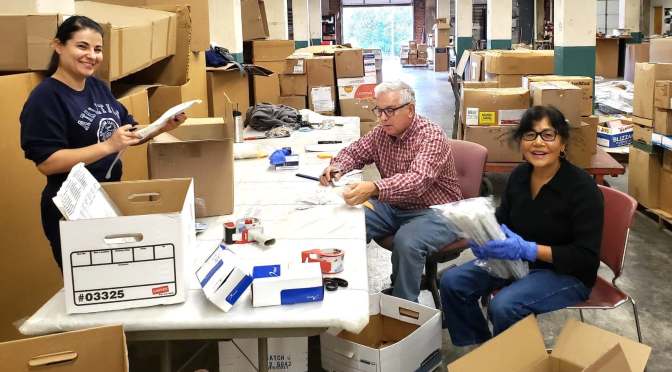
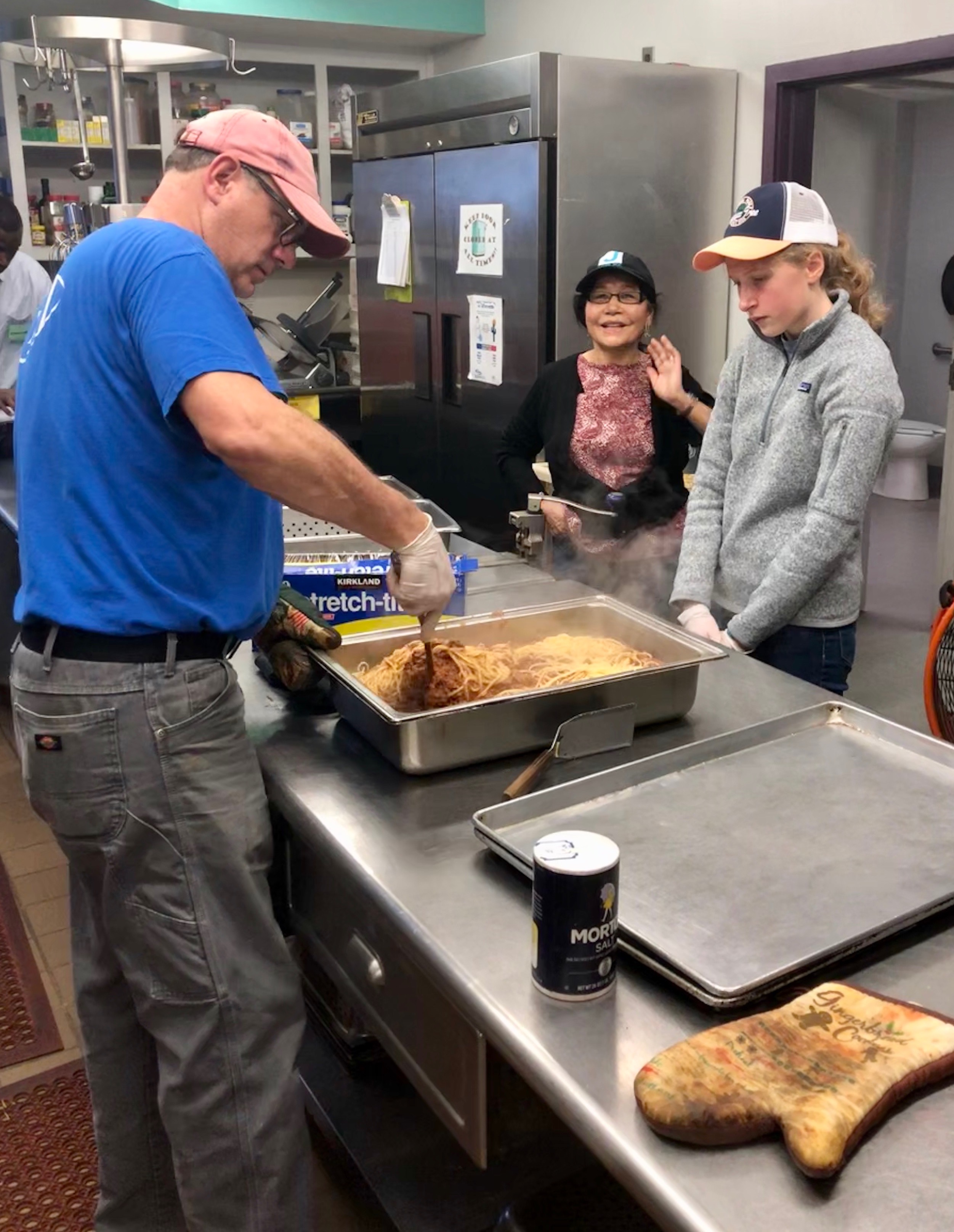 Eventually, I created an informal volunteer role for myself with the North Carolina partnership program that assists Moldova, where we served as Peace Corps volunteers, and I resumed volunteering at Urban Ministries, but who knows what I missed?
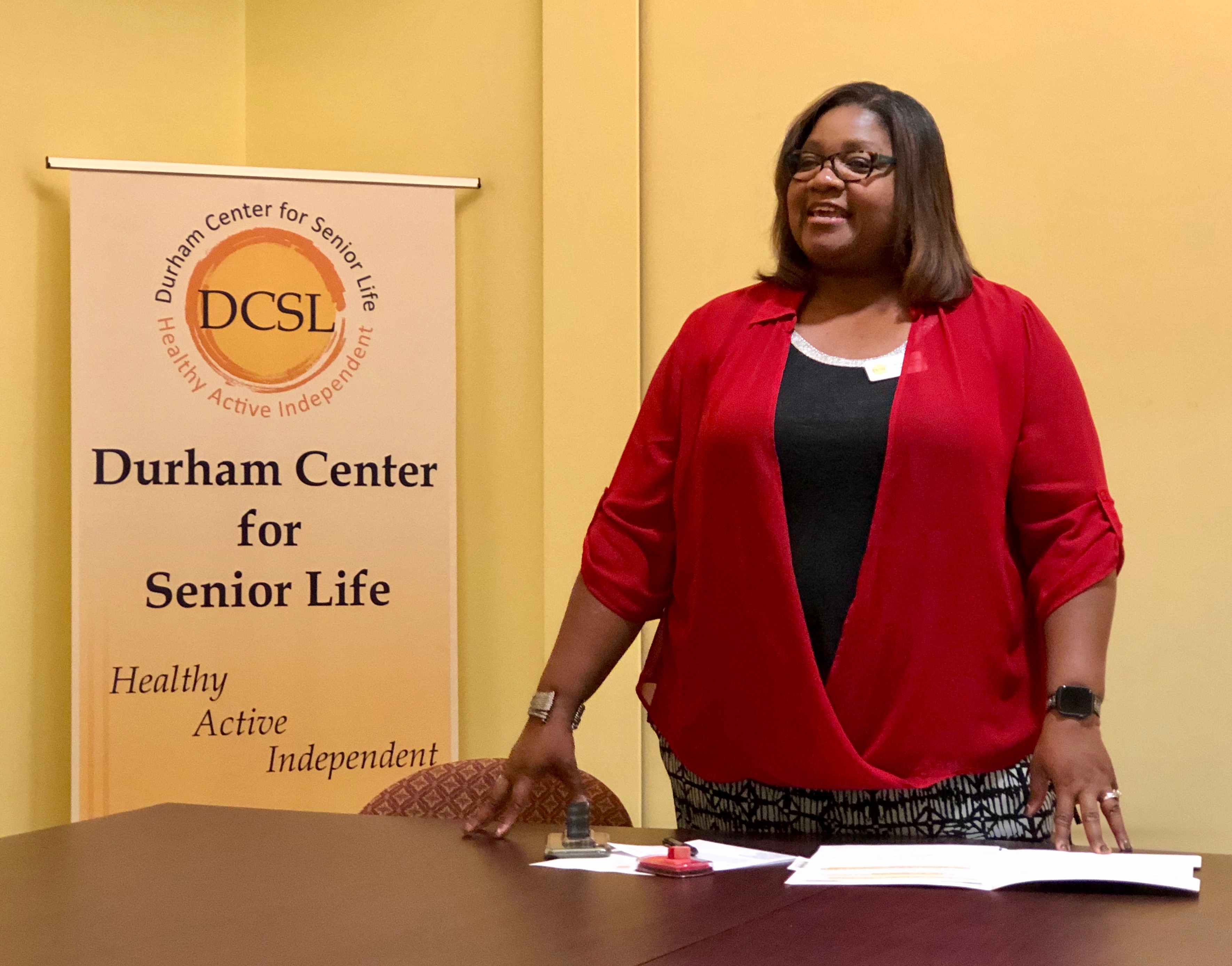 Over the past few months, I’ve met with our
  To be sure, many retired citizens do serve as volunteers — teaching literacy classes, building homes with Habitat for Humanity and much more. Some volunteer through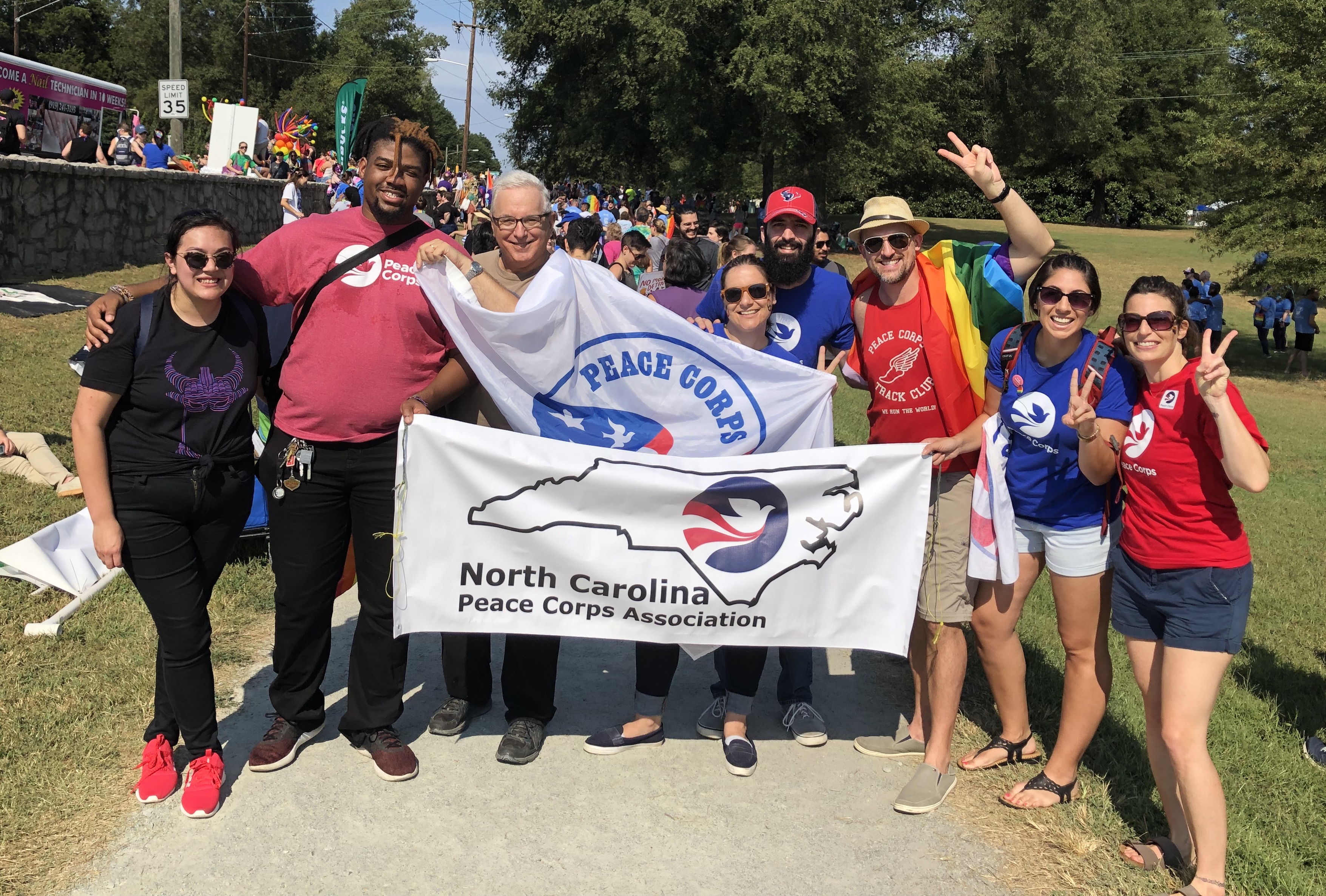


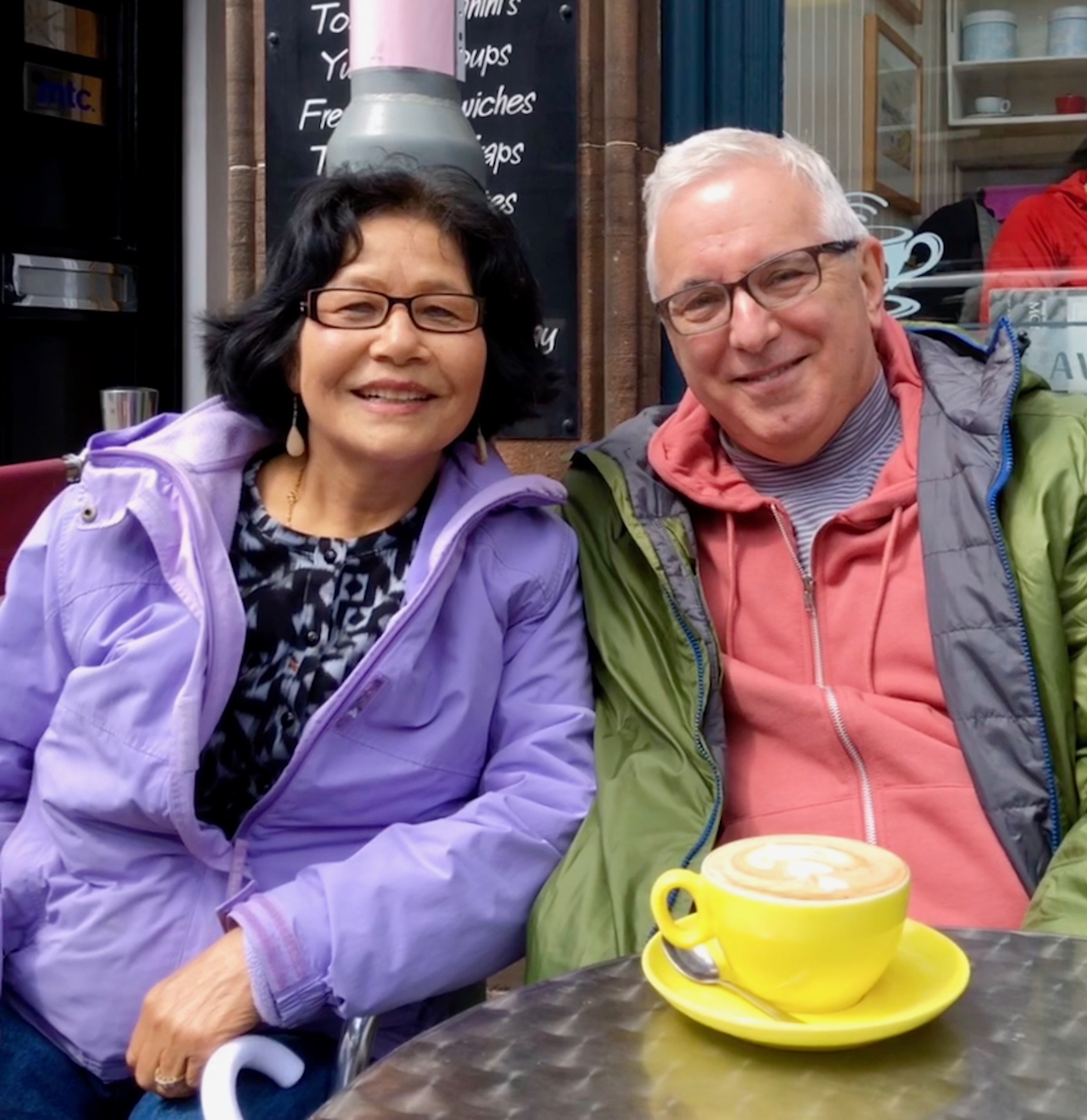 Of course, we’re thankful to be reunited with our family and friends. We’ve reveled in things as simple as driving or drinking water from a tap. Yet we still miss Moldova, every day. We made such good friends there and we now interact with them only on Facebook or with an occasional phone call.
 Champa and I didn’t expect our transition to be so hard. We’d traveled a lot. We’d remained closely connected to America while we were gone. I’d served in the Peace Corps previously and she was born in Nepal. So how hard could it be? We didn’t fully appreciate that America wasn’t the only thing that changed. We’d changed, too.


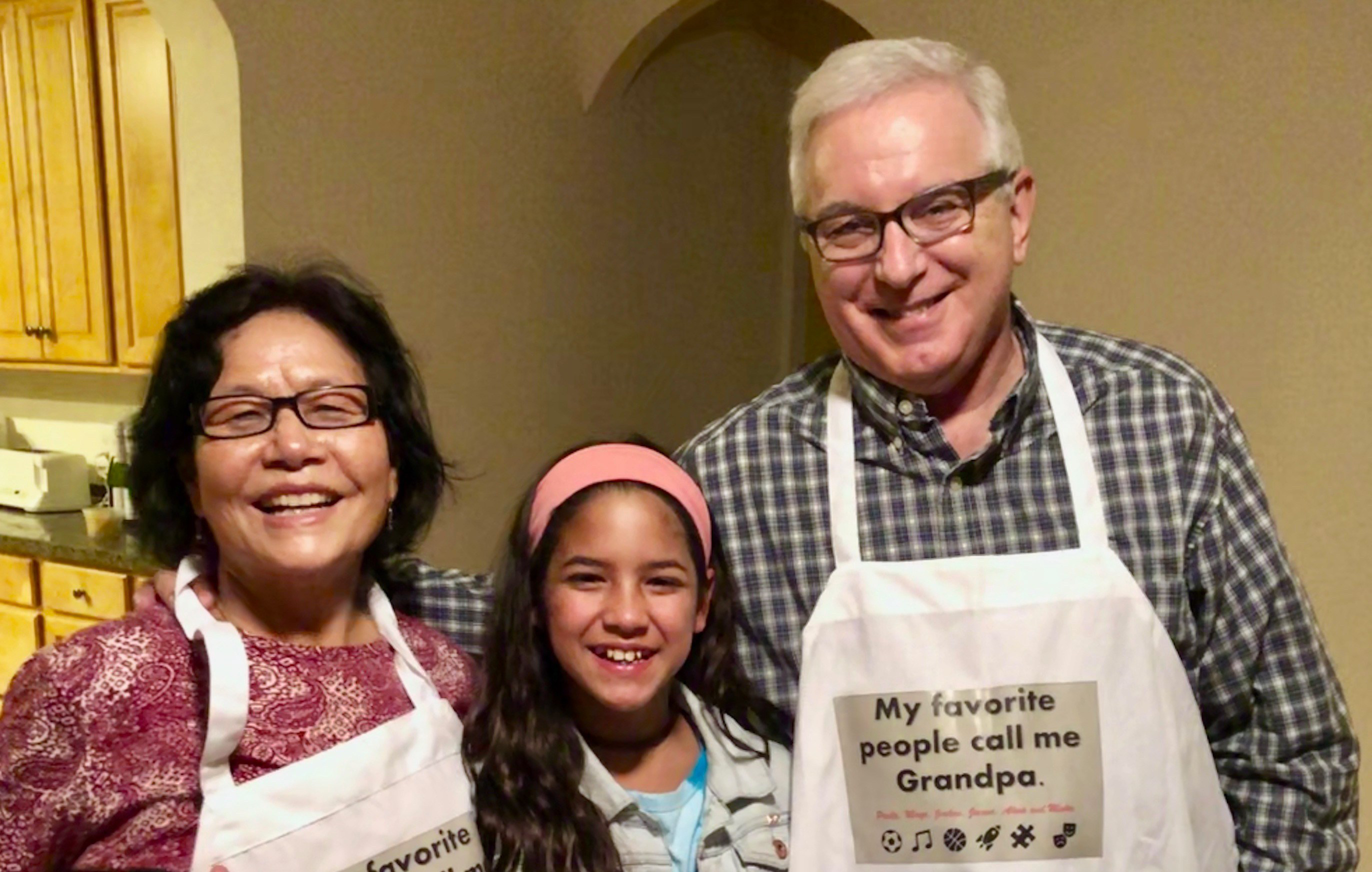


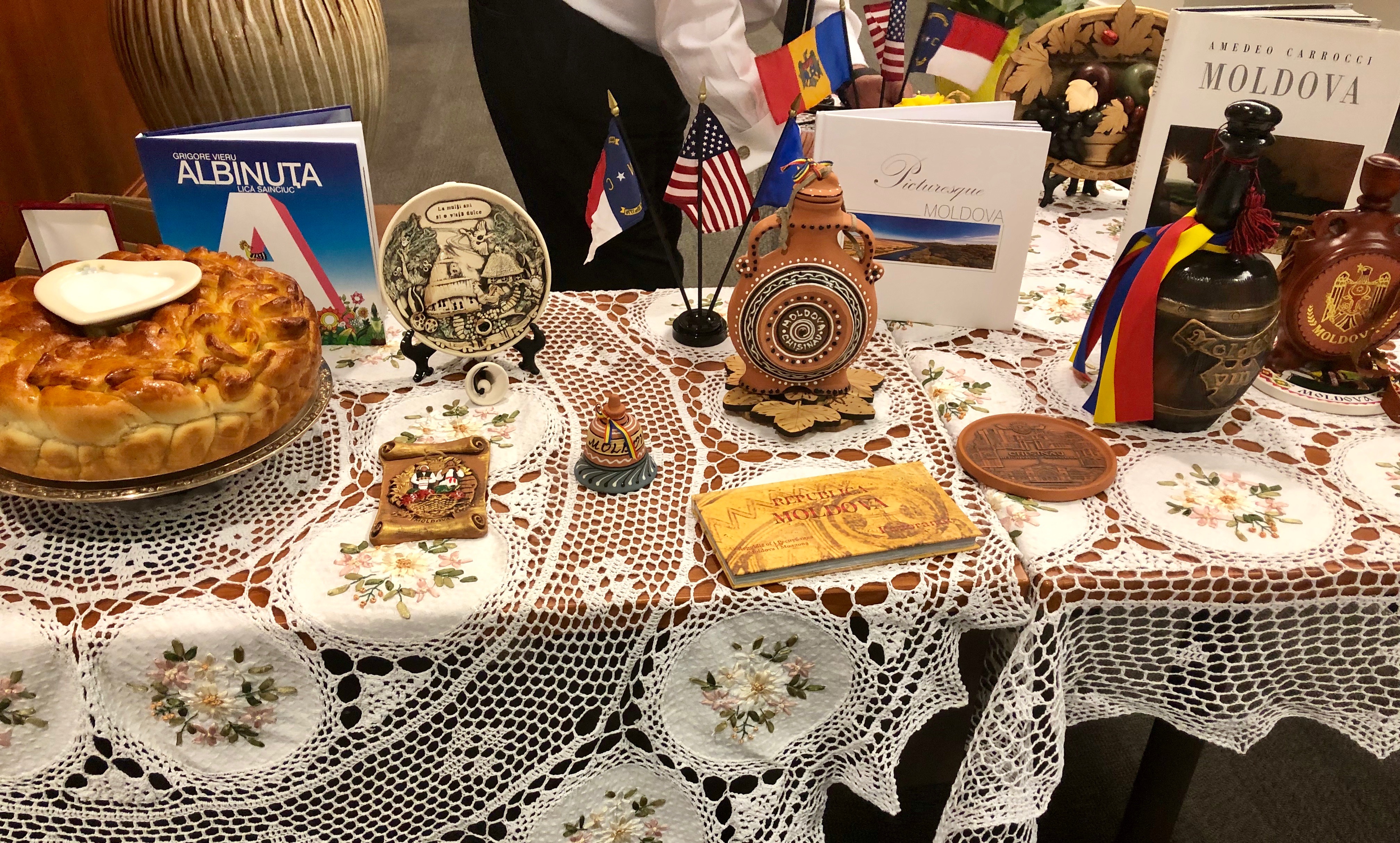
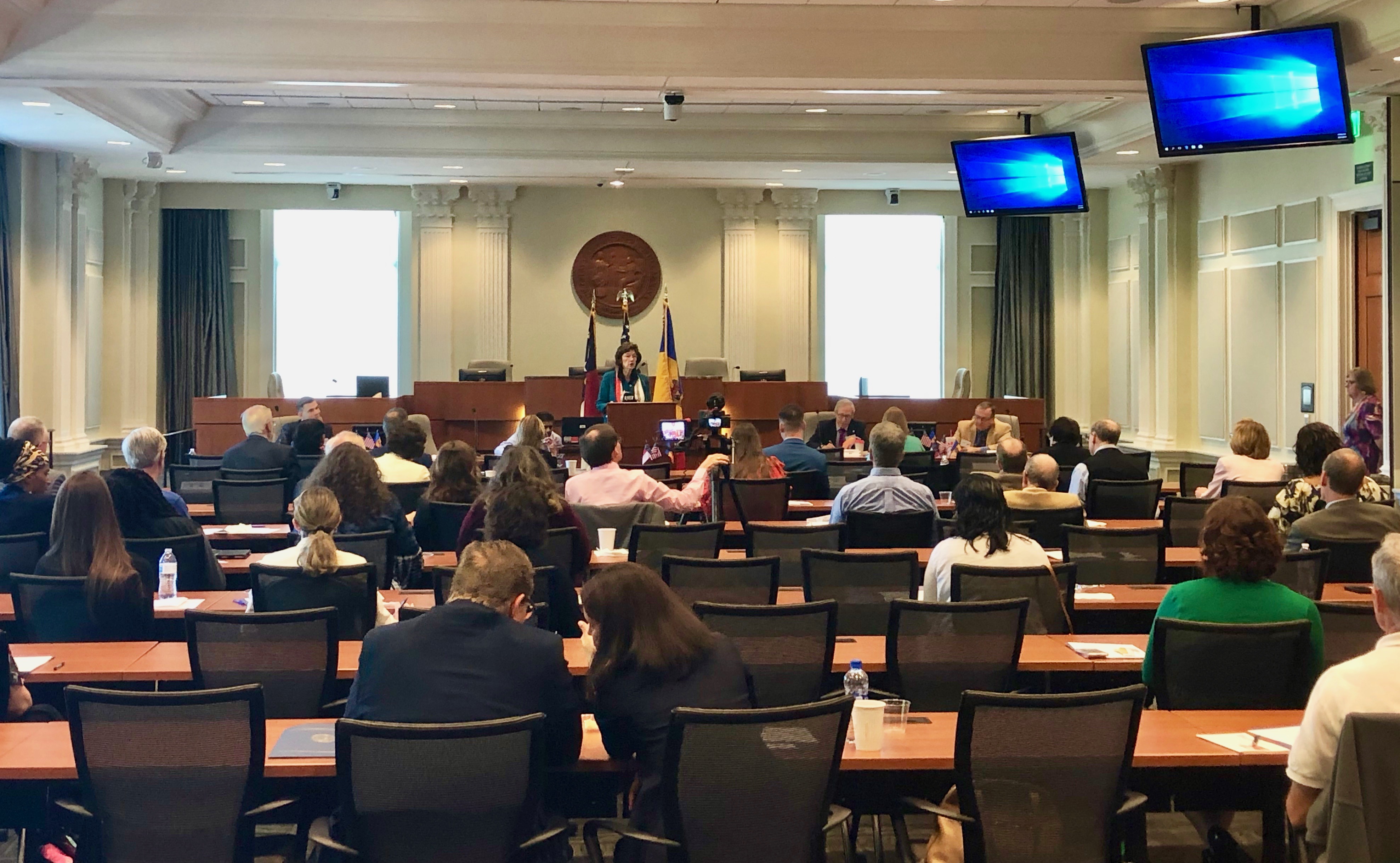
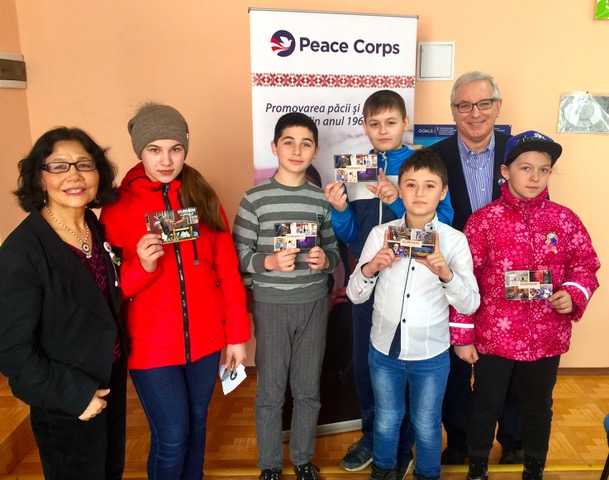

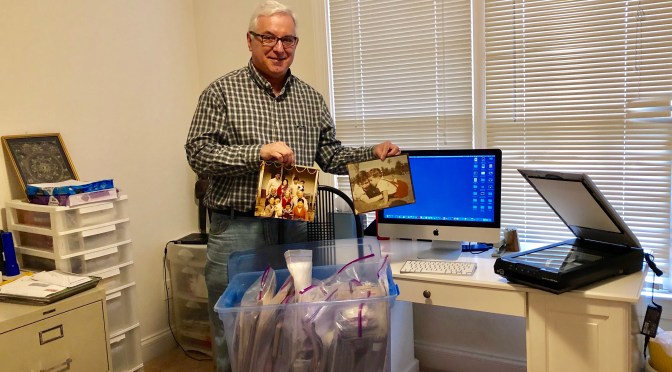
 Three years ago, when Champa and I
  “We have to sort through these after we return home,” we told ourselves.
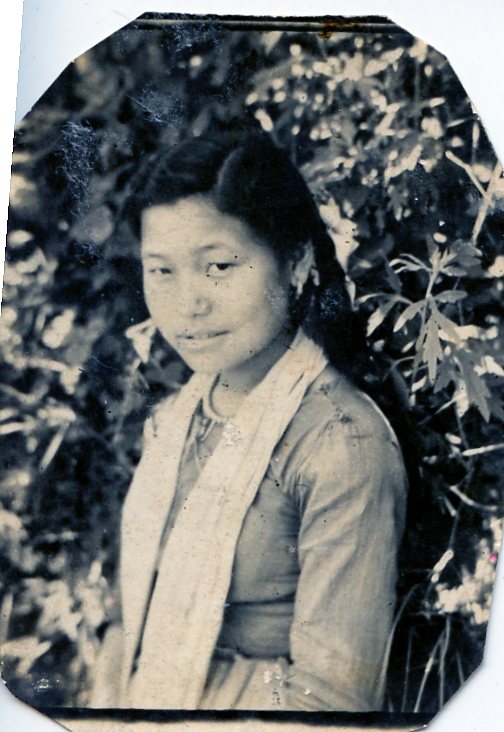
 So, too, for the old photos and documents from my side of the family, like the one you see here of my parents.
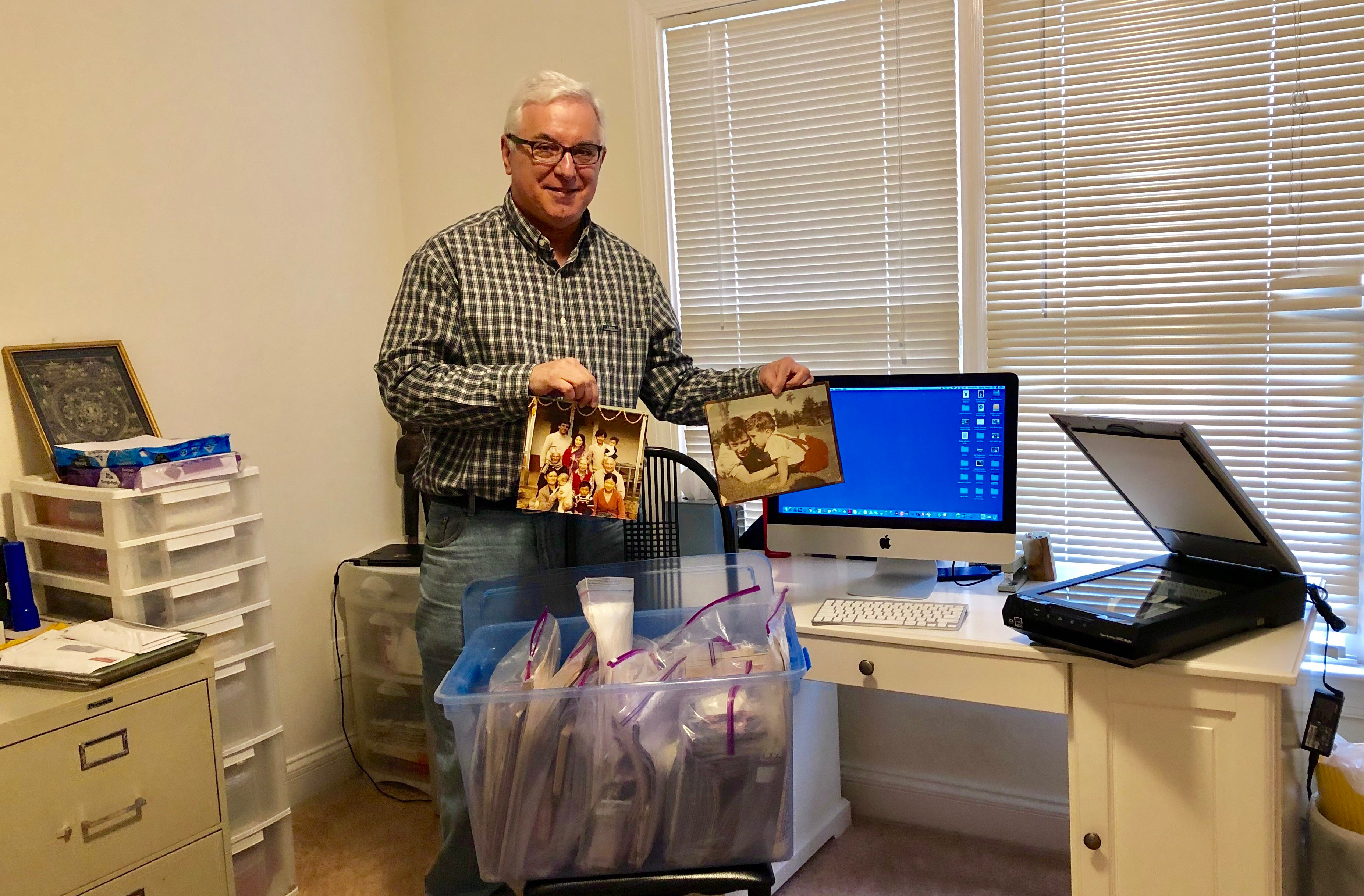
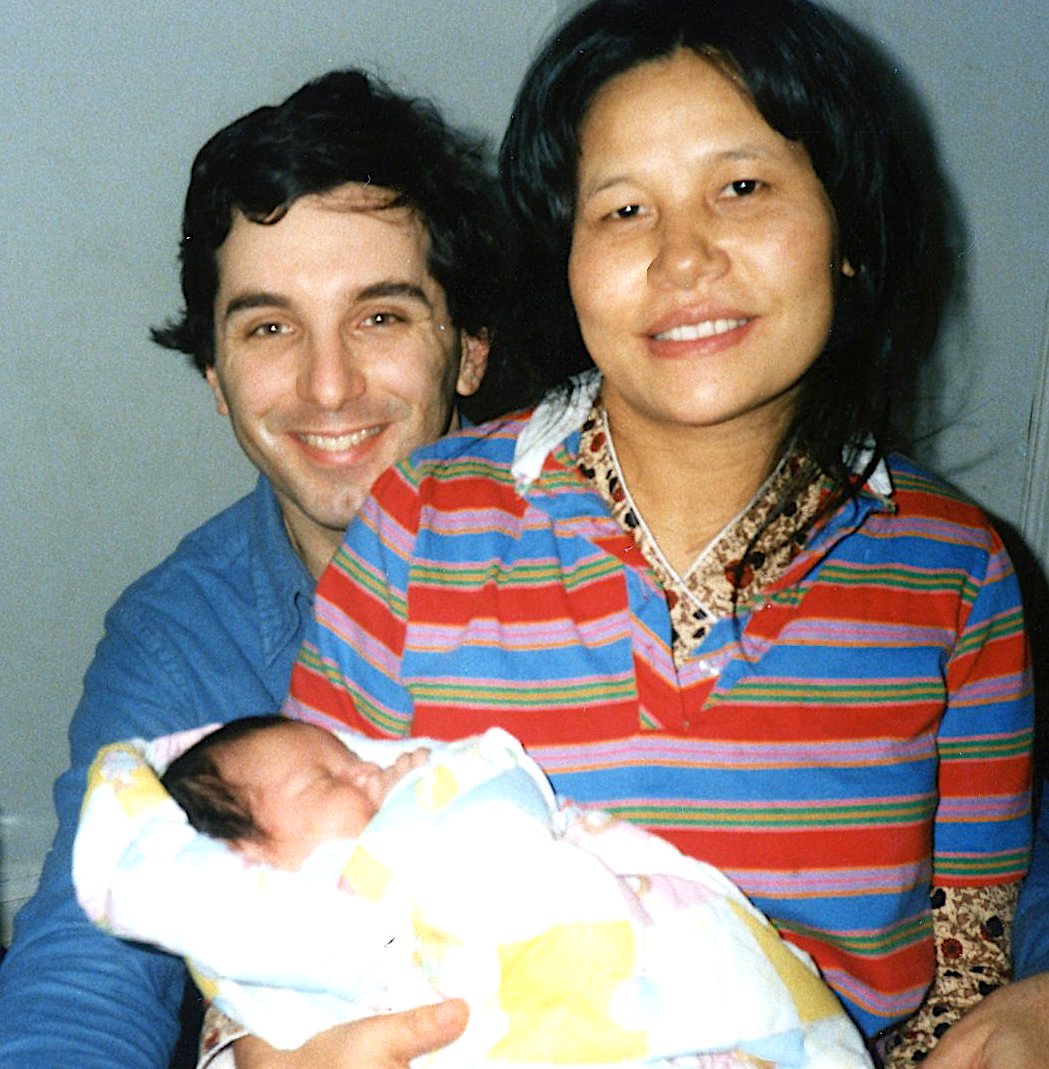 Only your kids and their descendants are likely to care about your photos, and they will probably worry more about receiving too much instead of too little. You’ll do them a big favor by reducing the pile drastically, keeping only the most significant and poignant images. As Marie Kondo might say, find the things that bring you joy.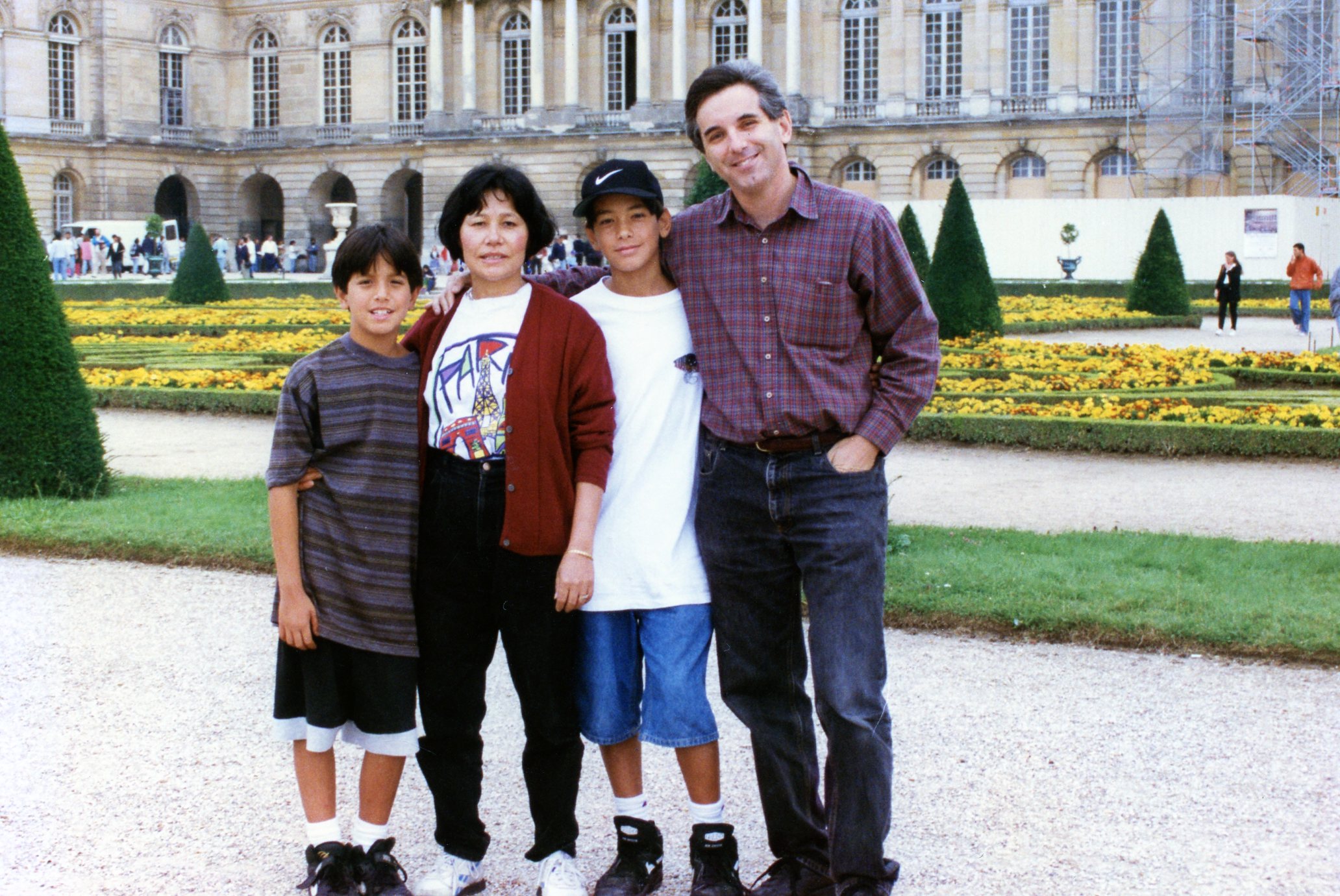

 "Not Exactly Retired"