Tag Archives: Durham

Visiting Durham

My hometown of Durham, N.C. is a great place to visit, especially if you’re retired and have more time to explore its bountiful pleasures.

The city’s marketing agency, Discover Durham, asked me to explain to fellow retirees why they should travel here. They just published my article, which you can read below or online on Discover Durham’s excellent website.

We’ll be expecting you.


A Retiree’s Guide to Exploring Durham

Retirees don’t need to move to Durham to enjoy its many pleasures. Durham is also a great destination for retired travelers.

POSTED BY DAVID JARMUL ON JUN 24, 2024

I moved to Durham in 2001 for a job at Duke University. I retired early to travel and serve abroad in the Peace Corps with my wife, but we then returned and have happily remained here since. Durham is regularly listed among the best places to retire in the United States.

You don’t need to move here to enjoy its many attractions. Older visitors can spend several pleasant days or weeks exploring Durham’s historic sites, hiking trails, restaurants and fun opportunities to spoil grandchildren. For visitors of a certain age, Durham is certain to provide a great experience.
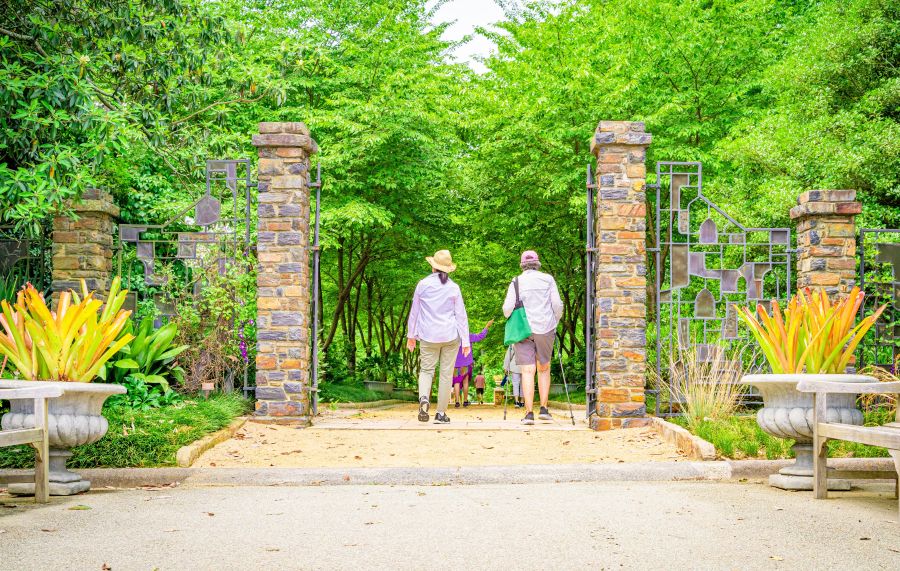
Elderly visitors stroll down Cherry Alleé at Sarah P. Duke Gardens in Durham.
There are plenty of beautiful outdoor places for retirees to explore in Durham. Photo: Discover Durham

EXPLORE HISTORIC SITES

Durham has a fascinating history, spanning the rise and fall of the tobacco industry, civil rights struggles and the emergence of a vibrant modern city with a proud reputation for diversity and tolerance. Durham has produced great musicians, artists, scientists, entrepreneurs and athletes. Especially if you’ve spent most of your life in another part of the country, as I did, a visit here may lead you to reconsider your regional assumptions and broaden your perspective.

You have lots of great history options:

  • The downtown Museum of Durham History is small but impressive, rotating exhibits that highlight everything from Durham’s changing restaurant scene to the story of the Duffer brothers, the Durham natives who created the hit Netflix series “Stranger Things.”
  • One block away is the majestic Carolina Theatre, with historical exhibits in an elegant lobby. The exhibits sparked a great conversation with my grandsons while we waited for a movie to begin upstairs.
  • Across town is Bennett Place, where the Civil War’s largest troop surrender occurred. That’s right; this occurred in Durham, not at Appomattox, which is what I’d thought, too.
  • Numerous sites around town highlight African American history. Historic Stagville includes remnants of a large plantation, including slave quarters. The Hayti Heritage Center has exhibits, programs and concerts. Black Wall Street was a thriving African American business center during the Jim Crow era.
  • Duke Homestead tells the story of tobacco, with a museum, a curing shed and opportunities for grandparents and kids to ride tobacco wagons together.
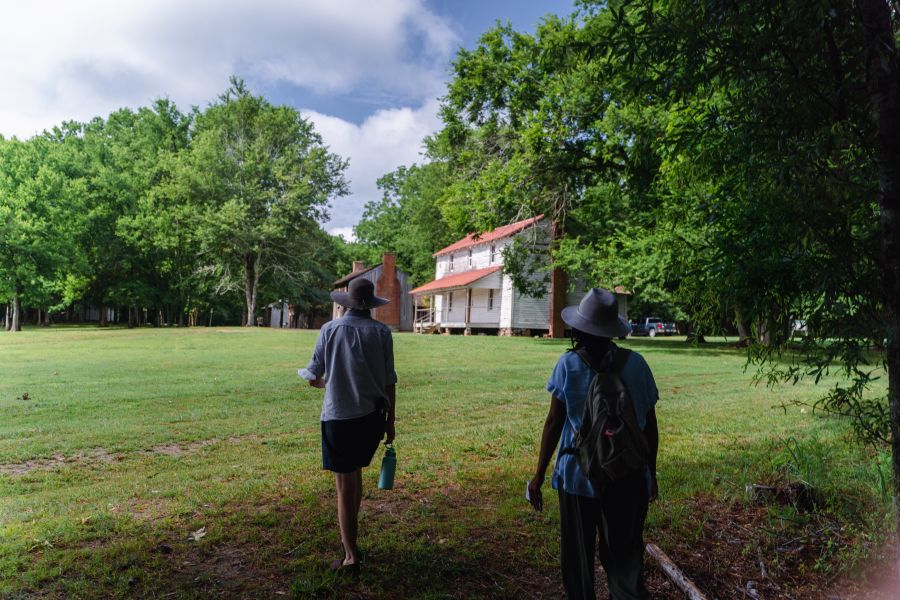
Two visitors walk through a field in front of one of the buildings at Historic Stagville.
Learn about Durham’s history at Historic Stagville. Photo: Discover Durham

HAVE FUN WITH GRANDCHILDREN

Speaking of grandchildren, if yours live in Durham, they may already know the popular Museum of Life + Science. While you’re in town, let them show you their favorite spots, from the Dinosaur Trail to the glass conservatory filled with butterflies. You’ll feel like a kid yourself.
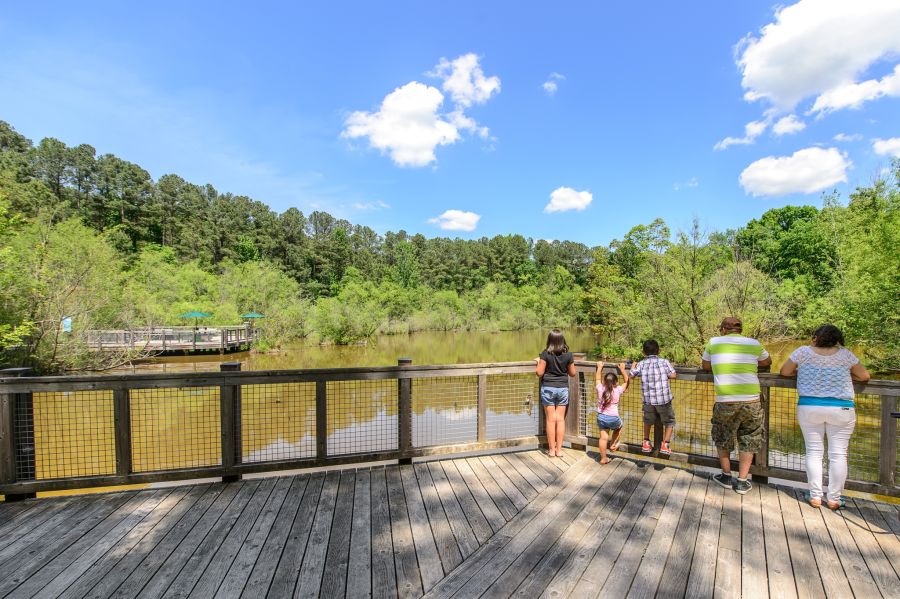
A group of children and adults hang out on the boardwalk at the Museum of Life and Science in Durham.
Enjoy a stroll on the boardwalk with the grandkids at The Museum of Life + Science. Photo: Museum of Life + Science / Discover Durham

Another favorite for grandparents is the Duke Lemur Center, a research facility with the largest population of lemurs outside their native Madagascar. You’ll need a reservation to stroll its 100 acres and see more than 200 lemurs. If you have a large family group, you can book a private group tour. Youngsters will be thrilled to watch these distinctive creatures leap through the trees. You will be, too.

An adult lemur sits in their habitat with two baby lemurs on their back at the Duke Lemur Center in Durham, NC
The Duke Lemur Center is an exciting attraction for adults and children alike. Photo: Discover Durham

Also on the Duke campus are the Sarah P. Duke Gardens, among the most beautiful in the South. There’s nothing better than strolling with grandkids along its gentle trails, with stops at the koi pond and Japanese bridge. Nearby is Duke’s main campus and must-see Duke Chapel.

Durham offers many ways to enjoy time with youngsters, from a downtown skate park to ice cream shops. Check out the Family Fun page for suggestions.

EXPLORE THE CULTURAL SCENE

Durham’s lively cultural scene is much less expensive and easier to navigate than many others on your retirement bucket list. The Durham Performing Arts Center (DPAC) hosts Broadway shows and other world-class performances. The Carolina Theatre also has live shows, along with movies and events. My wife and I also enjoy local theater groups, such as the Bulldog Ensemble Theater, which stages shows next to the Hi-Wire Brewery. When we go there, we park for free, enjoy a great show and have a beer outside for less than half of what we would have spent on a single Broadway ticket.
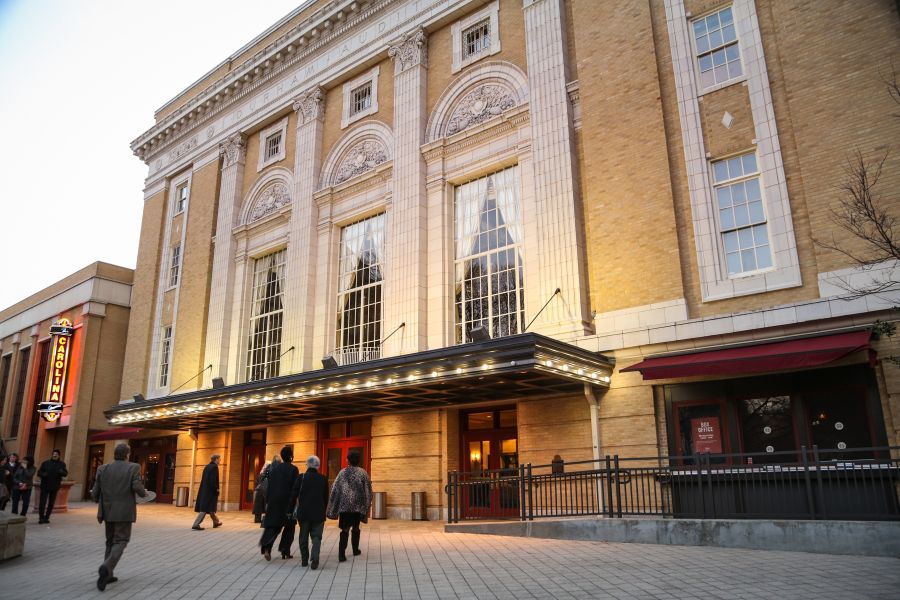
Visitors walk in front of the Carolina Theatre in downtown Durham.
The Carolina Theatre always has something interesting to see beyond its doors. Photo: HuthPhoto / Carolina Theatre

Durham’s musical legacy spans every musical genre. There’s an especially active jazz scene, at venues such as Missy Lane’s Assembly Room and the Sharp Nine Gallery. You’ll also find live performances of bluegrass, folk and other genres. During warmer months, there are free concerts in Central Park, Duke Gardens and other outdoor sites. Check out the Events Calendar for upcoming performances, which include diverse events for members of the LGTBQIA community.

Art lovers might start a Durham visit at the Nasher Museum of Art at Duke University. It has an excellent permanent collection, leading-edge exhibitions and a lovely cafe, all within an architecturally acclaimed building. Elsewhere, visit the artist studios at Golden Belt’s converted textile factory, exhibits at the Durham Arts Council and other venues. This online arts guide has suggestions.
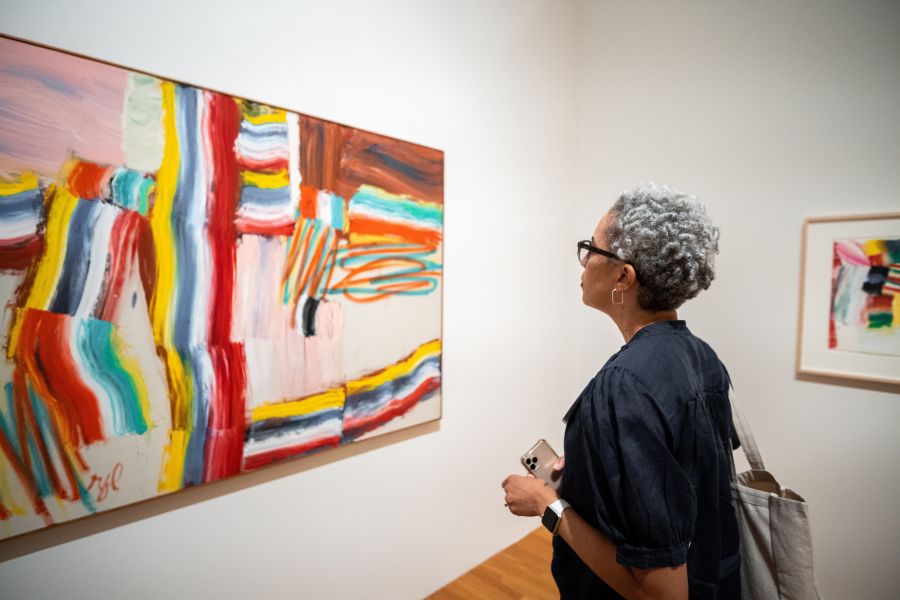
Head to the Nasher Museum of Art to see both permanent installations and temporary exhibitions. Photo: Discover Durham 

If possible, time your visit to coincide with one of Durham’s big arts festivals, such as the Full Frame Documentary Film Festival, the American Dance Festival, the OutSouth Queer Film Festival or the Hayti Heritage Film Festival. You’ll meet plenty of fellow older enthusiasts.

GET BACK TO NATURE

If you have a tote bag saying “hiking is my retirement plan,” bring it to Durham. You may need it while exploring Durham’s many hiking and biking trails. Eno River State Park has several great trails and hosts an epic music festival every July. There are great hiking paths in the university’s Duke Forest and along the American Tobacco Trail, whose wide, paved paths are a great choice for anyone with mobility constraints.
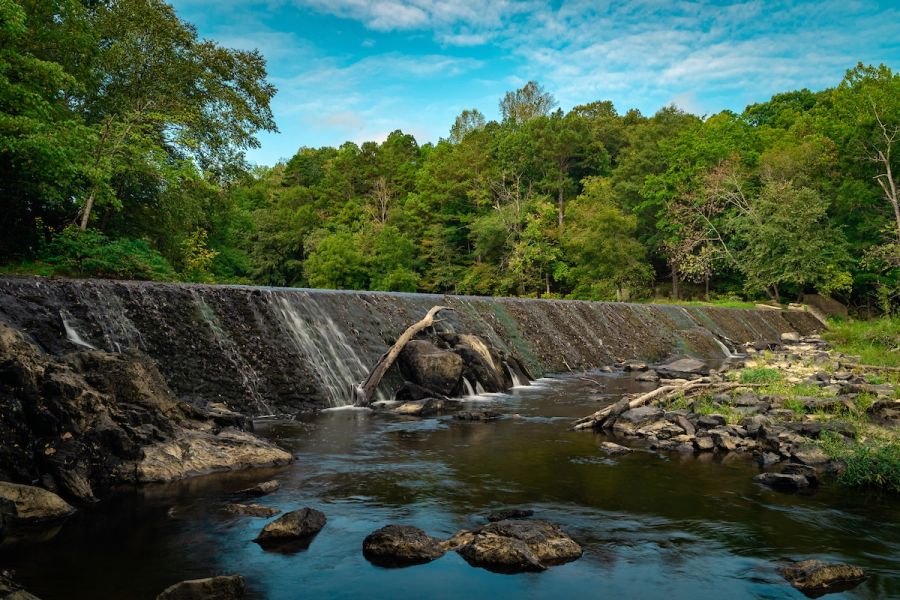
Water cascades over the dam at West Point on the Eno during a warm summer day.
With both drive-up and hike-in views, Eno River State Park is enjoyable for everyone looking to experience the outdoors. Photo: Discover Durham

For water sports, take a short drive to Jordan Lake or Lake Michie to rent kayaks and canoes. Local companies offer paddle trips and other outings.

If golf is your retirement passion, check out Durham’s ten courses. Other recreational options abound, even including fencing, curling and axe-throwing.

The Washington Duke Inn stands tall in the backdrop over the golf course in Durham, NC.
Enjoy quality accommodation and a relaxing game of golf at The Washington Duke Inn & Golf Club. Photo: Washington Duke Inn & Golf Club

CHEER FOR OUR TEAMS

If you’re looking for something less taxing, Durham Bulls, the minor league baseball team made famous in the movie with Kevin Costner and Susan Sarandon. I like going on nights when they have a fireworks show after the game.

A group of children sit together at the Durham Bulls Athletic Park.
Take the grandkids out to the ball game at the Durham Bulls Athletic Park. Photo: Samantha Everette

College basketball is a local passion, with men’s and women’s teams at both Duke and North Carolina Central Universities. Duke’s Blue Devils often sell out but you may find tickets online and you can visit the Hall of Fame at Cameron Indoor Stadium for free. There is a full array of other college sports as well.

EAT, DRINK AND BE DURHAM

If all of this whets your appetite for a retirement visit to Durham, you can satisfy your hunger with almost any cuisine, from food trucks to fine dining. Whether you crave traditional North Carolina barbecue or farm-to-table gastronomy, you’ll find it in Durham, whose chefs have been honored with national awards. Some local restaurants offer senior specials.

My wife and I are especially partial to international cuisines. Some of our favorites include Korean food at Namu, Salvadorean at El Custcatleco, Japanese at any of Michael Lee’s “M” restaurants (M Sushi, M Tempura, M Pocha and M Kokko) and Ethiopian at Goorsha. But we like many other places, too, and our list is always changing.
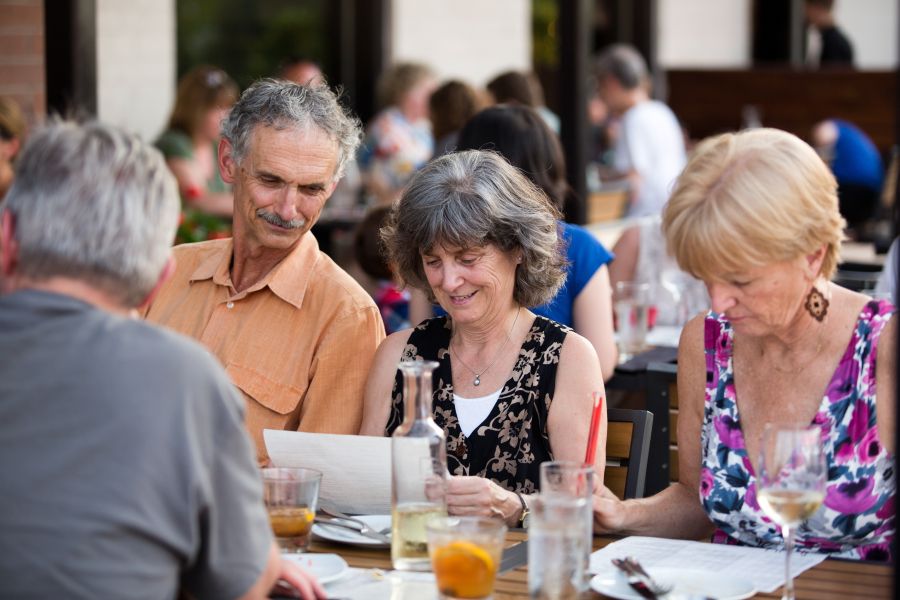
A group of elderly men and women enjoy a meal at Juju Durham.
Enjoy delicious Japanese inspired small plates at Juju Durham. Photo: Jessie Gladdek

See this Food & Drink Guide to learn more and order a Craft Beverage Guide for ideas about where to find creative cocktails and breweries. Durham also has a lively farmers’ market and international shops where you can buy products ranging from African spices to Indian samosas.

YOU MAY DECIDE TO STAY

I’m warning you. If you come to Durham for a visit, you may like it so much that you decide to retire here. With its mild climate, strong economy, world-class medical institutions and great shopping, Durham attracts lots of retirees. They find a welcoming community with attractions ranging from pickleball to the Osher Lifelong Learning Institute at Duke.

Come take a look.

David Jarmul was the head of news and communications at Duke University for many years before retiring early and starting a popular blog, Not Exactly Retired. He and his wife, Champa, are active in the Durham community.

Not Exactly Retired 2.0

When Champa and I began pursuing a new life of service and adventure seven years ago, it was easy to combine those two goals by serving in the Peace Corps.

After we returned home in 2018, it got harder. I couldn’t find the right kind of volunteer jobs. The pandemic upended our travel plans. I had medical problems, then recovered.

My sister, a retirement coach, told me to take time to figure things out. She was right; lately the pieces have been falling in place. I’ve been busy with several fulfilling volunteer roles and other activities. We have new trips planned. Our health is good.

Not Exactly Retired 2.0 has become clearer and I like how it looks.

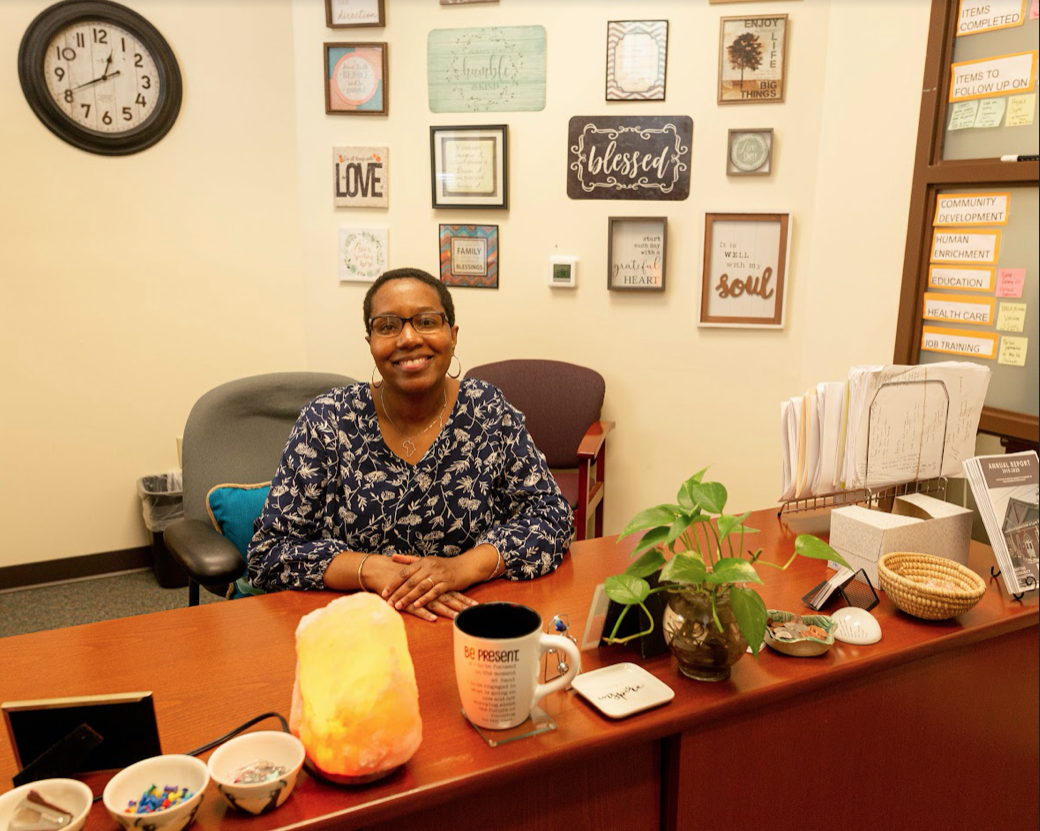
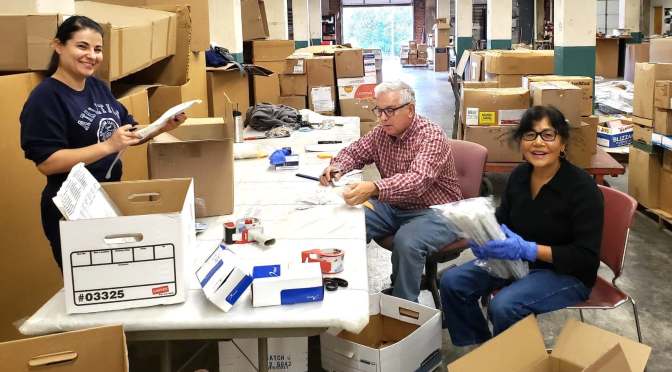
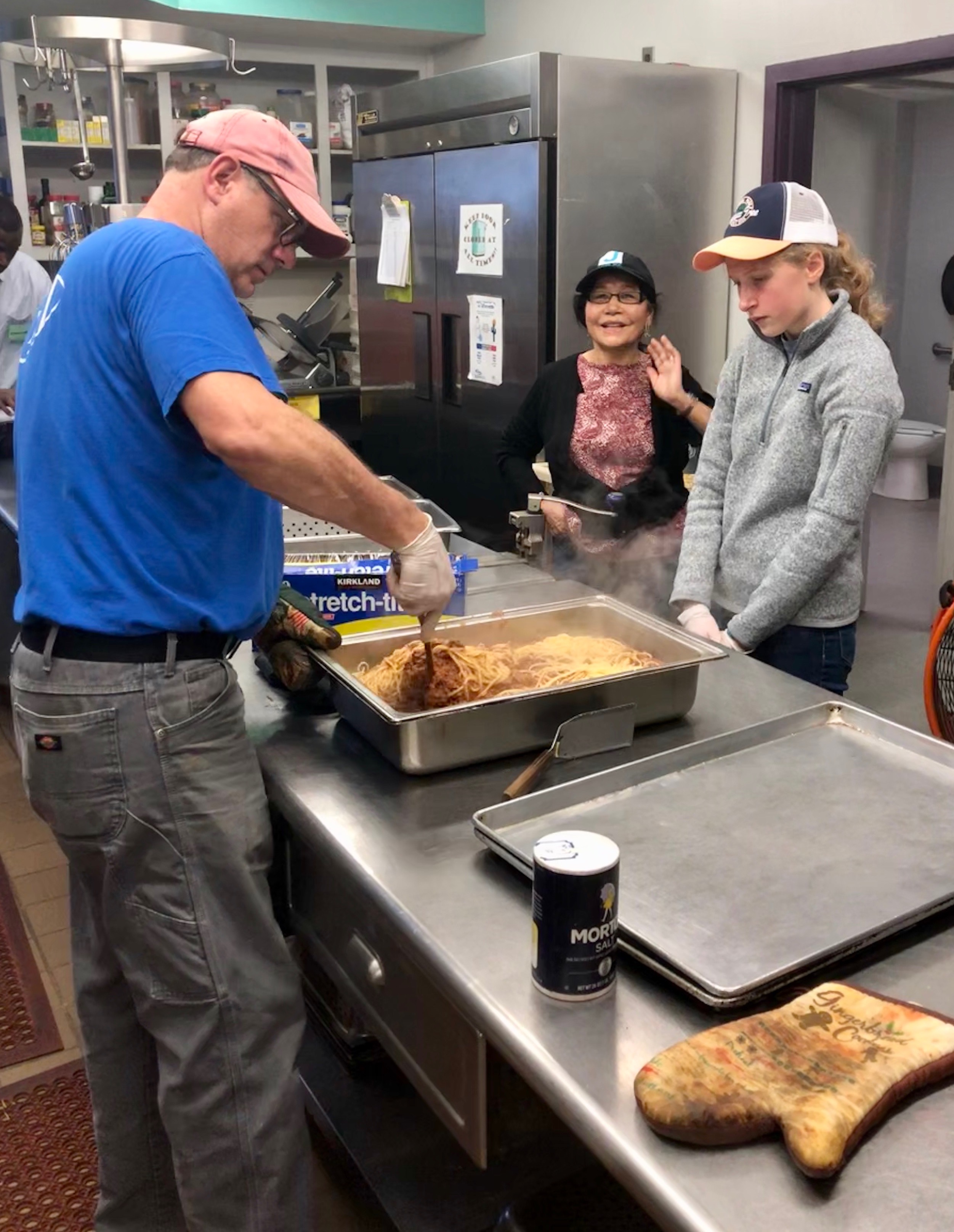
I now spend several hours daily on volunteer work. Some of it is occasional, such as preparing meals at Urban Ministries of Durham or working with OLLI at Duke. Often it’s more sustained, like helping Durham’s West End Community Foundation to review its communications strategy or promote a wonderful new exhibit of local elders. (That’s Durham Mayor Elaine O’Neal, right, and her sisters Eileen and Eunice in the image by Jamaica Gilmer at the top of this post.)

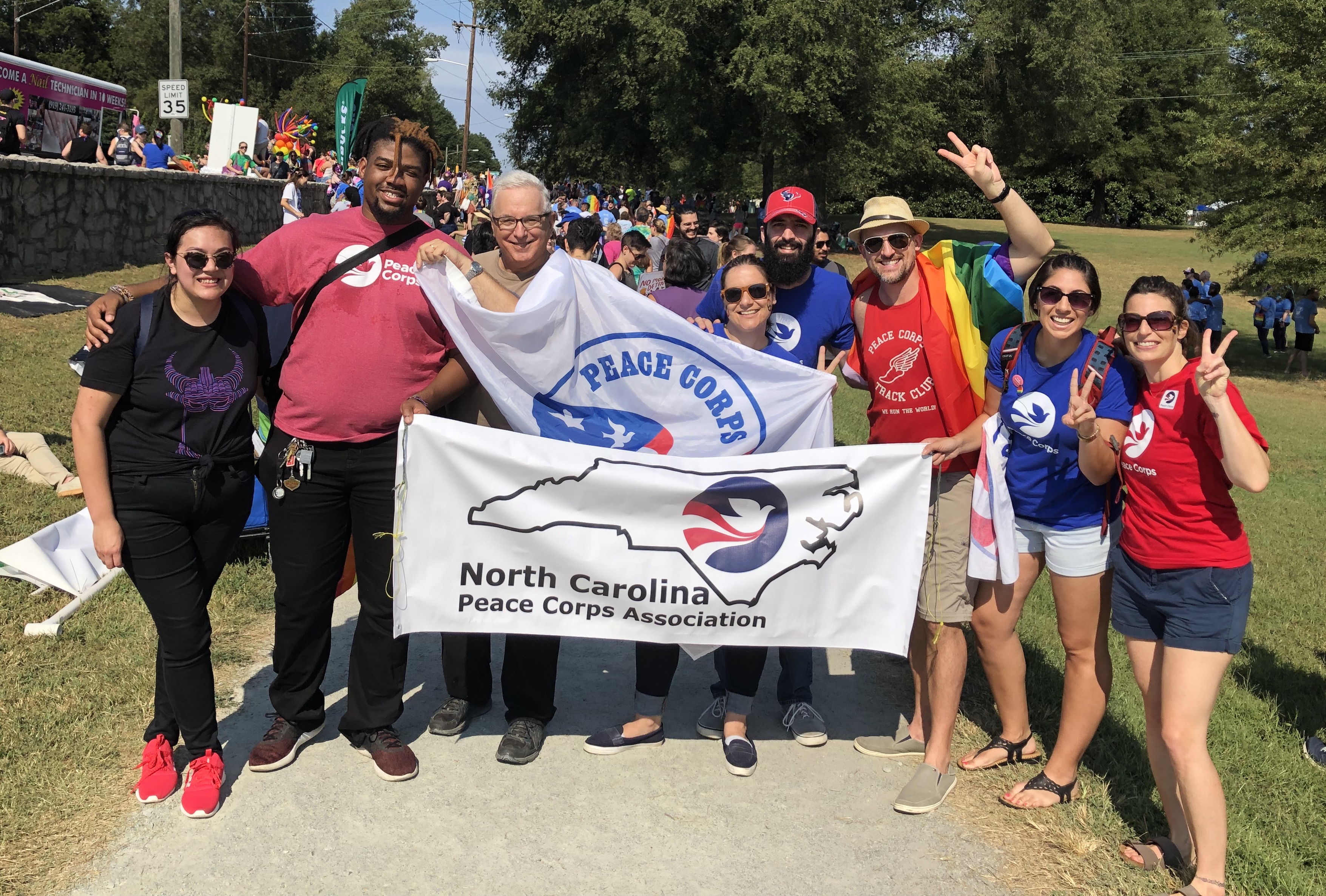
I remain active with both Moldova and the Peace Corps. When Russia invaded Ukraine, I helped raise funds for the Friends of Moldova to assist Ukrainian refugees, working with a local Rotary group. When Congress considered new legislation to support the Peace Corps, I wrote this op-ed article to rally support. I also serve on the steering committee of the North Carolina Peace Corps Association.

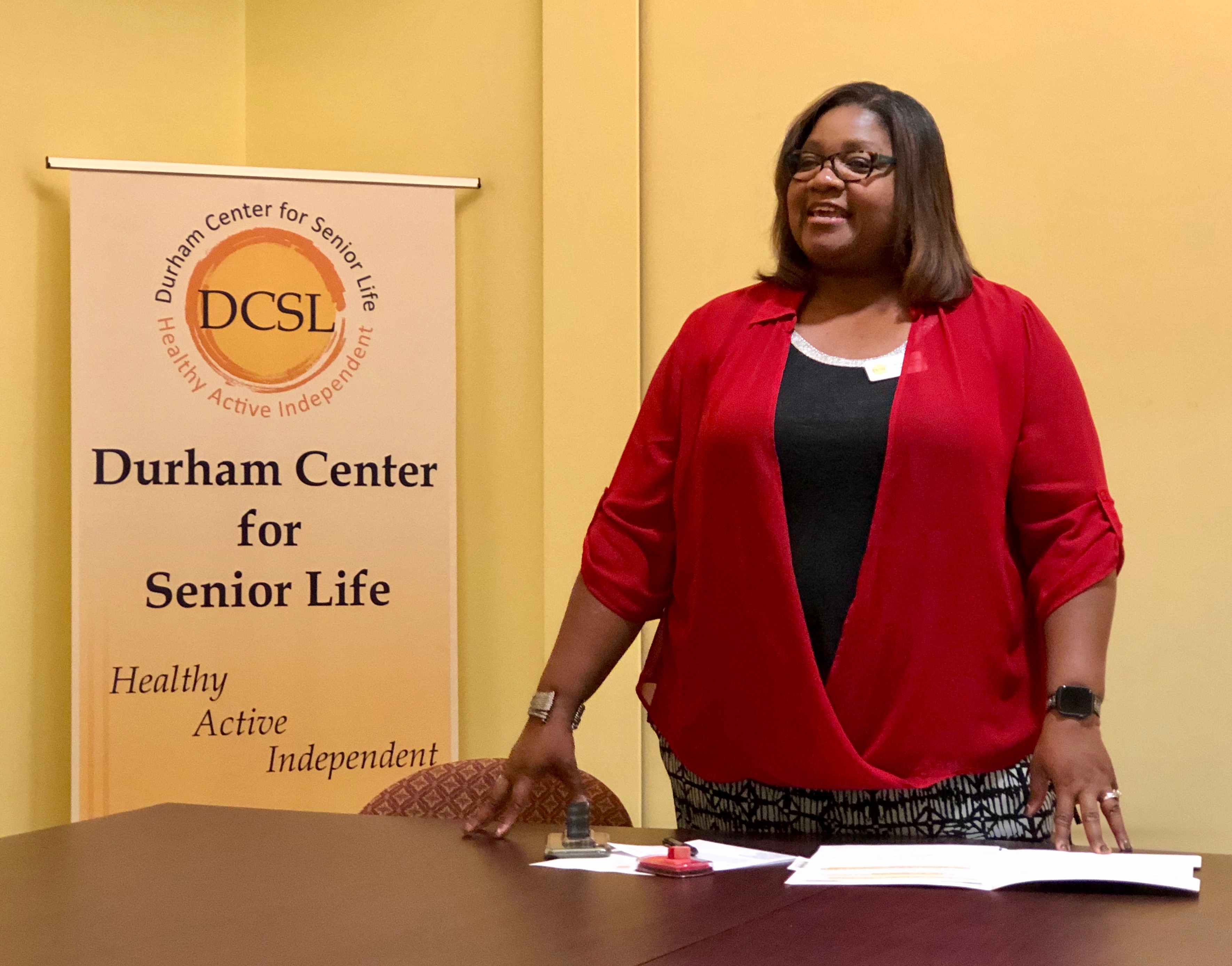
At AmeriCorps Seniors RSVP, which encourages older Americans to serve as community volunteers, I’ve been working behind the scenes as its advisory council chair to help strengthen its local program. That’s one of my fellow council members, Jason Peace, in the above photo, right, kicking off a speaker series we recently launched to highlight nonprofits where older Durham residents might serve. He’s describing Meals on Wheels, which he heads. Sarah Cline, our RSVP program manager, left, spoke as well.

Even as I’ve established a satisfying portfolio of volunteer work, I’ve begun planning new trips, which I’ll describe in future posts, and spending time with our family and friends, going to the gym and enjoying life.

Our blend of service, travel and adventure isn’t for everyone but it works for us. (Some older travelers make the two of us look like homebodies.) The central message of my book wasn’t “join the Peace Corps!” but to be intentional about this stage of life, regardless of whether your personal happiness lies with volunteering, starting a business, church, golf or something else. In other words: Choose, don’t drift.

I recognize my own good fortune but also feel part of something bigger. As retirement expert Ken Dychtwald put it, “for the first time in history, large numbers of older individuals are not interested in ‘acting their age’ and retreating to the sidelines. They would rather rebel against ageist stereotypes and be productive and involved — even late blooming — in their maturity.”

The path differs for all of us. I’ve learned over the past few years how hard it can be to find. We may not even know the destination until we’ve made the journey, and then the journey begins again.

Telling the Center’s Story

As we give thanks this week, I want to salute the great work being done in Durham by the West End Community Foundation, Inc., which I’ve been fortunate to volunteer with over the past year.

Dosali Reed-Bandele, the foundation’s executive director, and I worked together to produce an updated website, an e-newsletter, new brochures, a texting service and other communications tools to serve the Community Family Life & Recreation Center at Lyon Park, which the foundation administers. The center is located in a historic building that was previously a school for African American students in Durham’s segregated system.

Photo by Thomas Bell

Dosali took the lead on this work along with her colleagues. As she says in a new article by Jeannine Sato, the year-long project “helped our center tell its story more authentically, about both our history and how we now interact with the community.” She and I are still working together on some remaining tasks.

Photo by Thomas Bell

The article describes the collaboration, which was organized by the Osher Lifelong Learning Institute and the Duke-Durham Neighborhood Partnership. We hope it will encourage other older volunteers to share their skills with — and learn from — local nonprofits. Both sides stand to benefit, both locally and nationwide, as I’ve discussed previously. It’s an opportunity and unmet social need that I hope to pursue in the year ahead.

Dosali has inspired me throughout this project with her talent and commitment to the community, and she’s helped me broaden my understanding of the city I call home. Thank you, Dosali.

[Read the article here.]

Africa in the Attic

One of the world’s great private collections of West African art was hidden until recently in the Durham attic of two returned Peace Corps Volunteers, Reggie and Celeste Hodges. Now they’re donating to North Carolina museums many of their hundreds of masks, statues and other precious objects. It’s a remarkable story, which I tell in this article just published by WorldView, the magazine of the National Peace Corps Association.

Click to open a PDF copy of the article.

Learn more at Reggie and Celeste’s website.


Put Us to Work

When Champa and I returned to Durham after serving abroad for two years in the Peace Corps, I didn’t expect it to be so difficult to continue volunteering in my own community.

I assumed there were local nonprofit groups that could use my professional skills, especially for free. When I called around and searched online, though, I couldn’t find a good match. IMG_0539Eventually, I created an informal volunteer role for myself with the North Carolina partnership program that assists Moldova, where we served as Peace Corps volunteers, and I resumed volunteering at Urban Ministries, but who knows what I missed?
I am not alone. Across the Triangle and more widely, many older Americans now view retirement as much more than leisure. They consider it a second act, a new life stage of personal growth and service that may last for decades. These retirees are still sharp, still active, and a tremendous potential resource for nonprofit organizations that could tap their expertise in various fields.

Too often, however, communities regard their older residents in an outdated way — as a group requiring assistance rather than as an asset to recruit and empower. 

I became curious about what I encountered and began talking with people in our area who are involved in one way or another with older adults or volunteering. IMG_2256Over the past few months, I’ve met with our local volunteer center, Activate Good,  the United Way, the Osher Lifelong Learning Institute at Duke, Duke’s Office of Durham and Regional Affairs, local senior centers, the governor’s office, county officials, a retirement community and many others. (Here’s a list.) I’ve also talked with Encore.org and people around the country.

These are wonderful and impressive people — caring, thoughtful and professional. They are working hard on missions such as helping retirees obtain medical care or promoting volunteerism broadly.

Generally, though, older volunteers are only a small part of their missions, which were established before the big shift began in how Americans think about retirement.

For instance, our local volunteer center does great work but is also busy with high school students and many others. Websites such as VolunteerMatch and organizations ranging from AARP to RSVP serve important roles, too. Sixty+Me has an excellent online guide. Yet many older residents still fail to connect with worthy organizations that could benefit from their experience in writing grants, preparing budgets, building websites or managing staffs. 

IMG_2248To be sure, many retired citizens do serve as volunteers — teaching literacy classes, building homes with Habitat for Humanity and much more. Some volunteer through  their religious organization or a former employer. Many retirement communities and senior centers have their own volunteer programs, often with a focus on serving the needs of other retired people.
We need to be more strategic about this, as some communities around the country have demonstrated. A leader of the Encore Boston Network told me about their system to train older volunteers, match them with organizations and provide ongoing support. He described similar efforts in Phoenix, Denver and elsewhere. Many of the volunteers take on assignments that draw on their special expertise. Springfield, Missouri has an impressive Give 5 program that brings groups of retired people on a bus to local nonprofits, helping them find one to match their interests.

IMG_2982

I don’t mean in any way to downplay the many people, of all ages, who are generously rolling up their sleeves across our region to deliver meals, comfort the sick and more, or the excellent organizations that work with them. But as more and more older Americans look for new meaning in their lives, communities like Durham that attract them should recognize their good fortune and act deliberately to match them in meaningful volunteer roles, which would also help retirees avoid social isolation.

The opportunity is compelling and I am optimistic we can take advantage of it. As I’ve discussed it with local leaders and stakeholders, they’ve generally been responsive and enthusiastic. They see the possibilities. Several key players are interested in trying to make Durham a leader in this arena. Everything I’ve encountered so far reminds me why Champa and I are lucky to live in such a progressive and caring community.

If some older folks prefer to just play golf or tend their gardens, they’ve earned that choice. The two of us enjoy traveling and spending time with our grandchildren, too. But we also want to continue the spirit of volunteerism we found so fulfilling in the Peace Corps.

We’re not the only ones. Put us to work.

IMG_2346

Mulling What’s Next

If you’re an older American looking to continue pursuing a life of service and adventure after spending two years as a Peace Corps Volunteer, you can find lots of helpful resources online.

IMG_0815

I know because I’ve been searching through them myself as Champa and I enter the final lap of our time in Moldova. Just like our younger colleagues, we’re thinking about what we’ll do after ringing the traditional farewell bell here this summer. While many of them have been checking out graduate schools or possible jobs, though, we’ve been looking for ideas that better fit our stage of life.

Let me share some of what I’ve found:Screen Shot 2018-01-31 at 9.31.05 PM

Senior Nomads, a blog by retired Seattle couple Debbie and Michael Campbell, chronicles their full-time travels since 2013, staying in Airbnbs while visiting more than 68 countries. As Debbie noted in a recent post, they now spend money on airfares, Airbnbs and travel insurance instead of a home. They’ve been able to spend lots of time every year with their children and grandchildren and to keep in touch with friends while pursuing a life that, at least to me, feels a lot more interesting than playing golf every day.Screen Shot 2018-01-31 at 9.31.28 PM

Lynne Martin has been pursuing similar adventures with her husband Tim, which she describes  on her website, Home Free Adventures. Lynne’s book, Home Sweet Anywhere: How We Sold Our House, Created a New Life, and Saw the World, inspired us several years ago when we were contemplating leaving the conventional workplace to become “not exactly retired” ourselves

There are numerous websites devoted to “senior travel,” each with its own niche. TripAdvisor compiled some of the best in its article 20 Baby Boomer Travel Bloggers Having More Fun Than Millenials. (Their title, not mine.) If you’re looking for practical tips, also check out Rick Steves’ article about Savvy Senior Travelers. If you’re dreaming of becoming a travel writer yourself, you’ll find lots of advice online.

Screen Shot 2018-01-31 at 9.33.06 PM

Other sites offers leads about short- or longer-term employment overseas. Transitions Abroad is a good one for English teachers. Modern-Day Nomads highlights “top travel jobs & inspiration for globetrekking, creative professionals.” (It hasn’t been updated recently but its listings for November included one for a seasonal sous chef at Denali National Park.)

Champa and I want to continue providing service after Peace Corps. I’ve been finding new inspiration for this at Encore.org, which promotes “second acts for the greater good.” I’m thinking now about how I can best apply my own skills to make a similar impact, whether back home in Durham or more broadly. Screen Shot 2018-01-31 at 9.33.37 PMMy niece, Juliana, will be enrolling this fall at Duke’s Fuqua School of Business, with a special interest in social entrepreneurship; I may need to borrow some of her course materials.

Good online resources exist to help older Americans find volunteer opportunities. HandsOn Triangle serves our North Carolina community. Similar sites exist elsewhere. AARP’s Create the Good serves older volunteers nationwide. Screen Shot 2018-01-31 at 9.34.56 PMThere are also excellent organizations and websites aimed at older volunteers, such as the Executive Service Corps and Reserve. Most seek to match older Americans with positions that make good use of their particular skills.

I regularly find interesting articles on Next Avenue and from journalists such as Richard Eisenberg and Kerry Hannon who cover retirement issues. Screen Shot 2018-01-31 at 9.35.33 PMMy favorite writer covering this field is Nancy Collamer (my sister), whose “My Lifestyle Career” site and recent 100 Great Second-Act Career Resources cover many of the issues I’ve discussed here, as well as “flexible gigs,” online courses for seniors and resources for everyone from foodies to pet lovers.

Screen Shot 2018-01-31 at 9.36.14 PMFor the next five months, Champa and I will remain focused on the rest of our Peace Corps service. Here, too, plentiful online resources exist to motivate us. Not long ago, one RPCV group selected the 8 Best Blogs to Follow About Peace Corps, a list that included the blog you’re reading now. IMG_2013(Thanks, Friends & RPCVs of Guyana!)
Champa and I are most looking forward to taking a break and spending time with our family and friends after being away for so long. We really miss them, as you can tell from these photos we took during our trip home last summer. Simultaneously, we know we will eventually catch our breath and get serious about “what’s next?”

If anyone reading this has suggestions or wants to share something from their own lives, we’ll read your comments with interest — and perhaps others will, too.

IMG_6227


Two Talks in Durham

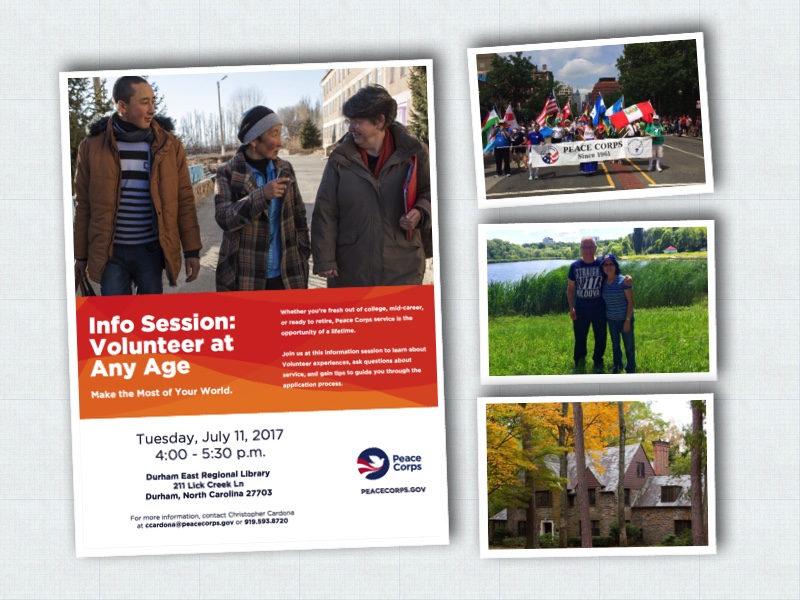
Collage 4 images

Champa and I are coming home for a short vacation with our family. While we’re in Durham, we will be giving two presentations about our Peace Corps experience:

  • A private talk for Duke University friends at 4 p.m., July 10, Office of News and Communications. RSVP (required) to Sakiya Lockett.
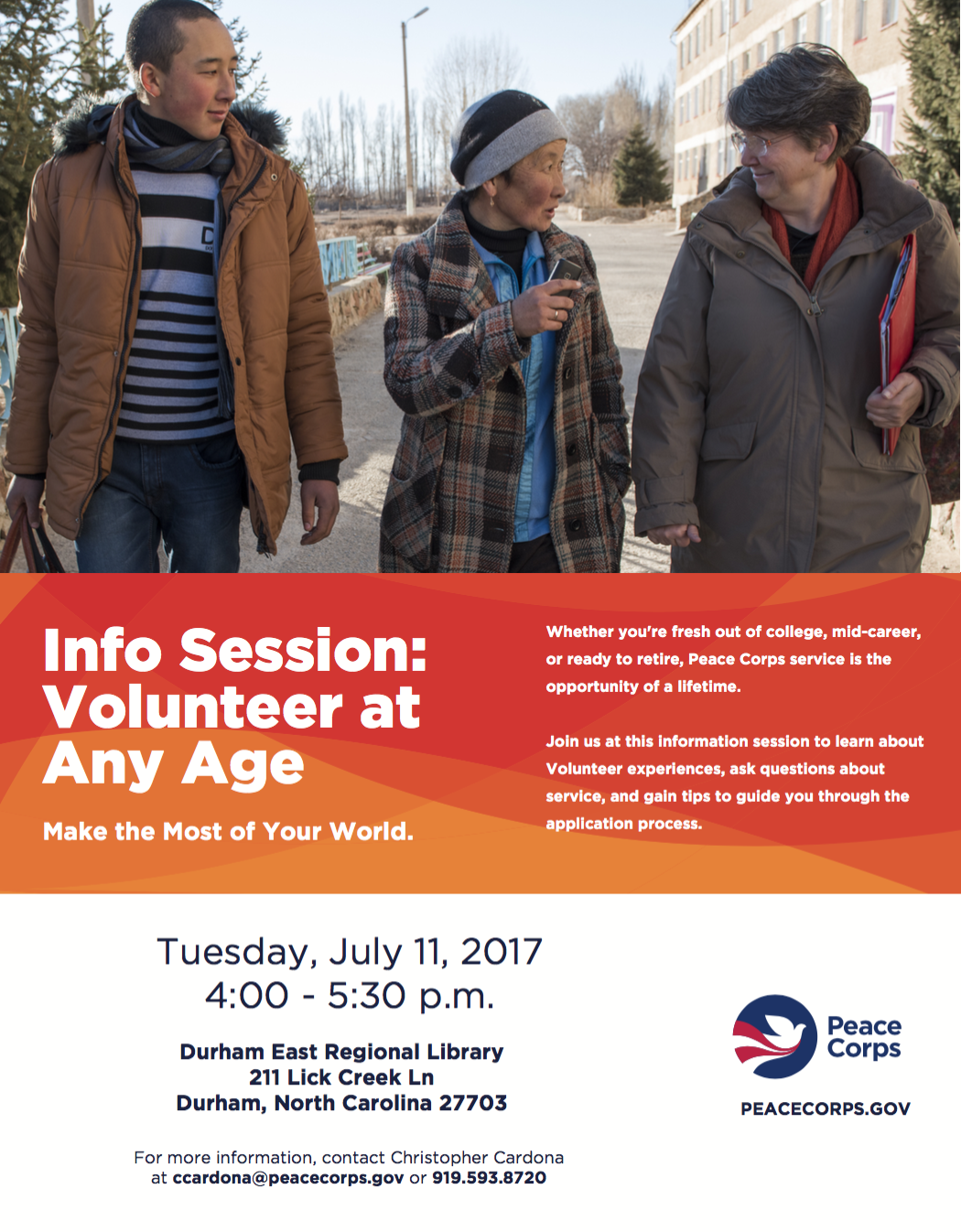
  • A public talk  at 4 p.m. July 11 at the East Durham Regional Library, together with Chris Cardona, a returned volunteer (China) who is the local Peace Corps recruiter. See the poster below for details.

Earlier during our visit we will be joining returned volunteers from the Philadelphia area in marching in that city’s Fourth of July parade. If you’re watching in front of Independence Hall, check out who’s carrying the flags for Moldova and Nepal.

Please come join us if you are in the area!

Screen Shot 2017-06-13 at 10.12.58 AM

Durham in Moldova

img_2950

Duke Chapel, the Durham Bulls Athletic Park and the American Tobacco Campus are among the destinations I’ll be featuring today.

Wait, you’re thinking, isn’t this blog about our experiences as “not exactly retired” Peace Corps volunteers in Eastern Europe?

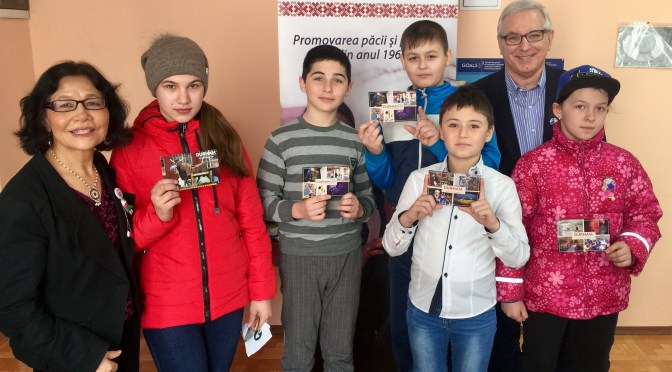
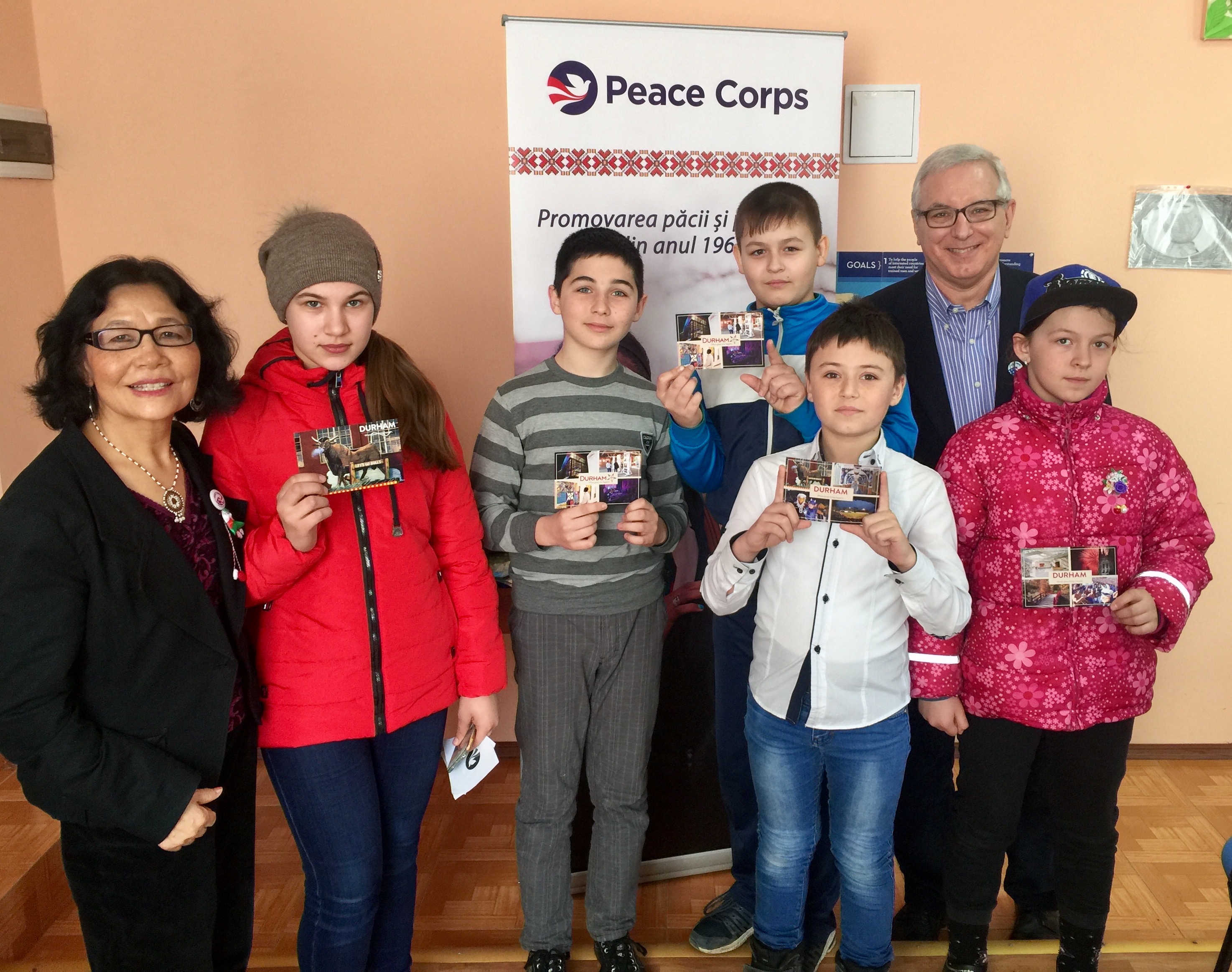
Yes, exactly. On Thursday, we handed out souvenir postcards of Durham, N.C., as prizes for students competing in geography quizzes we held during two presentations we gave in the town of Criuleni. Watching them react to the Durham bull and other landmarks from back home was an experience we won’t forget.

img_2926
Who wants to answer the geography question and win a postcard from Durham, N.C.?

My friends at the Durham Convention & Visitors Bureau gave me the cards before Champa and I left to join the Peace Corps last spring. Thanks anew to Shelly Green (@DCVBPrez) and her colleagues for helping us show off our home town with people we’ve met in Moldova. (Durham! Fresh Daily with great restaurants, arts and entertainment!)

As I’ve written before, North Carolina has a special relationship with Moldova. Just in my group, we have volunteers from Asheville, Boone, Charlotte, Winston-Salem, Raleigh and, of course, Durham.

Champa and I went to Criuleni to help commemorate Peace Corps Week, the annual celebration of  President Kennedy’s founding of the Peace Corps on March 1, 1961. We joined other volunteers and country director Tracey Hébert-Seck in speaking at a week-long series of events organized by volunteers Chris Flowers and Rebecca Lehman. Further to the south, in Causeni, volunteer Anne Reed and her colleagues are planning a big event on Saturday to celebrate Peace Corps Week and International Women’s Month.

img_2938In our two presentations, Champa and I highlighted Peace Corps activities around the world. Our quizzes challenged the students to match photographs of Peace Corps volunteers with the countries where they served. In the middle photo of the three-photo strip above, for example, the boy is guessing which Peace Corps photos came from Albania, China or Swaziland. We also showed a video of our 2015 trip to Nepal and this video featuring people from 156 countries joining together to sing “All You Need Is Love.”

I don’t know whether Moldovan tourists will now start arriving in droves in the Bull City. But if they do, I’m sure they’ll enjoy themselves, whether they watch a show at DPAC, an exhibition at the Nasher Museum of Art, the Hayti Heritage Center, the weekly farmers’ market or a local beer at Fullsteam. After all, I have the postcards to prove it.

screen-shot-2017-03-03-at-8-50-27-am