
If you’re an older American looking to continue pursuing a life of service and adventure after spending two years as a Peace Corps Volunteer, you can find lots of helpful resources online.

I know because I’ve been searching through them myself as Champa and I enter the final lap of our time in Moldova. Just like our younger colleagues, we’re thinking about what we’ll do after ringing the traditional farewell bell here this summer. While many of them have been checking out graduate schools or possible jobs, though, we’ve been looking for ideas that better fit our stage of life.
Let me share some of what I’ve found:
Senior Nomads, a blog by retired Seattle couple Debbie and Michael Campbell, chronicles their full-time travels since 2013, staying in Airbnbs while visiting more than 68 countries. As Debbie noted in a recent post, they now spend money on airfares, Airbnbs and travel insurance instead of a home. They’ve been able to spend lots of time every year with their children and grandchildren and to keep in touch with friends while pursuing a life that, at least to me, feels a lot more interesting than playing golf every day.
Lynne Martin has been pursuing similar adventures with her husband Tim, which she describes on her website, Home Free Adventures. Lynne’s book, Home Sweet Anywhere: How We Sold Our House, Created a New Life, and Saw the World, inspired us several years ago when we were contemplating leaving the conventional workplace to become “not exactly retired” ourselves
There are numerous websites devoted to “senior travel,” each with its own niche. TripAdvisor compiled some of the best in its article 20 Baby Boomer Travel Bloggers Having More Fun Than Millenials. (Their title, not mine.) If you’re looking for practical tips, also check out Rick Steves’ article about Savvy Senior Travelers. If you’re dreaming of becoming a travel writer yourself, you’ll find lots of advice online.

Other sites offers leads about short- or longer-term employment overseas. Transitions Abroad is a good one for English teachers. Modern-Day Nomads highlights “top travel jobs & inspiration for globetrekking, creative professionals.” (It hasn’t been updated recently but its listings for November included one for a seasonal sous chef at Denali National Park.)
Champa and I want to continue providing service after Peace Corps. I’ve been finding new inspiration for this at Encore.org, which promotes “second acts for the greater good.” I’m thinking now about how I can best apply my own skills to make a similar impact, whether back home in Durham or more broadly.  My niece, Juliana, will be enrolling this fall at Duke’s Fuqua School of Business, with a special interest in social entrepreneurship; I may need to borrow some of her course materials.
Good online resources exist to help older Americans find volunteer opportunities. HandsOn Triangle serves our North Carolina community. Similar sites exist elsewhere. AARP’s Create the Good serves older volunteers nationwide.  There are also excellent organizations and websites aimed at older volunteers, such as the Executive Service Corps and Reserve. Most seek to match older Americans with positions that make good use of their particular skills.
I regularly find interesting articles on Next Avenue and from journalists such as Richard Eisenberg and Kerry Hannon who cover retirement issues. 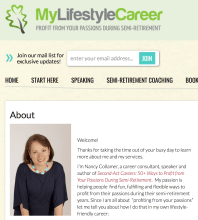 My favorite writer covering this field is Nancy Collamer (my sister), whose “My Lifestyle Career” site and recent 100 Great Second-Act Career Resources cover many of the issues I’ve discussed here, as well as “flexible gigs,” online courses for seniors and resources for everyone from foodies to pet lovers.
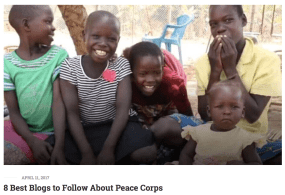 For the next five months, Champa and I will remain focused on the rest of our Peace Corps service. Here, too, plentiful online resources exist to motivate us. Not long ago, one RPCV group selected the 8 Best Blogs to Follow About Peace Corps, a list that included the blog you’re reading now.
  (Thanks, Friends & RPCVs of Guyana!)
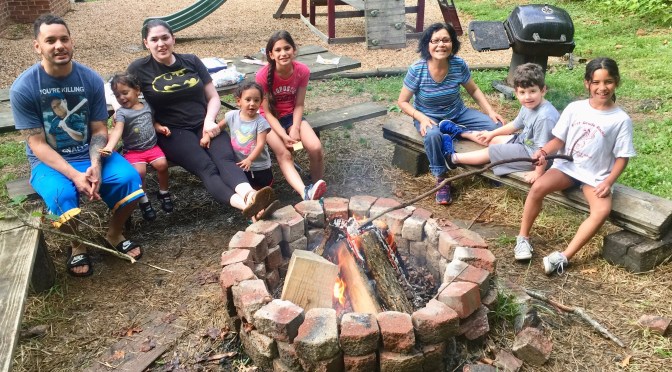
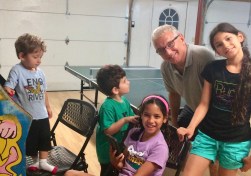
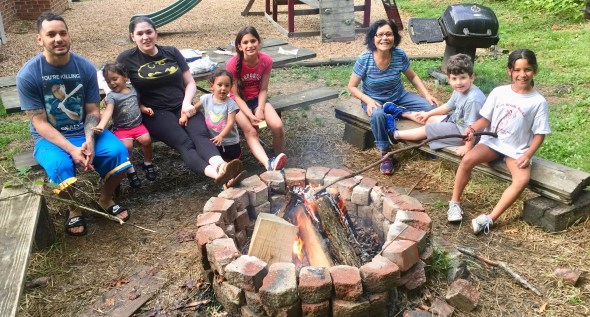
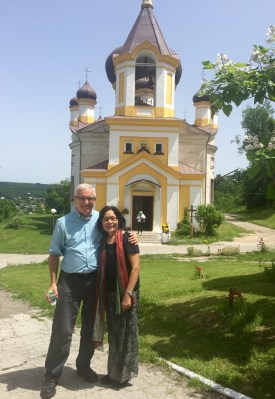
Champa and I are most looking forward to taking a break and spending time with our family and friends after being away for so long. We really miss them, as you can tell from these photos we took during our trip home last summer. Simultaneously, we know we will eventually catch our breath and get serious about “what’s next?”
If anyone reading this has suggestions or wants to share something from their own lives, we’ll read your comments with interest — and perhaps others will, too.

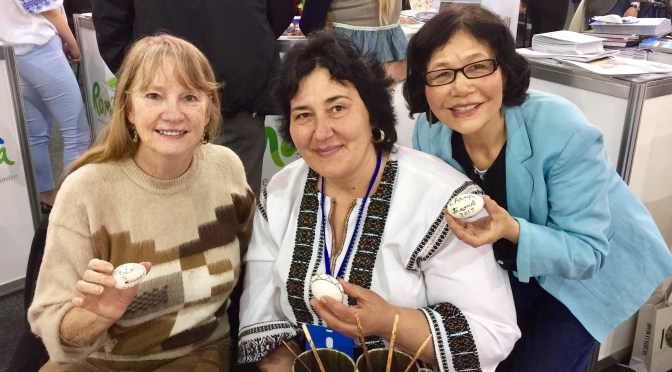
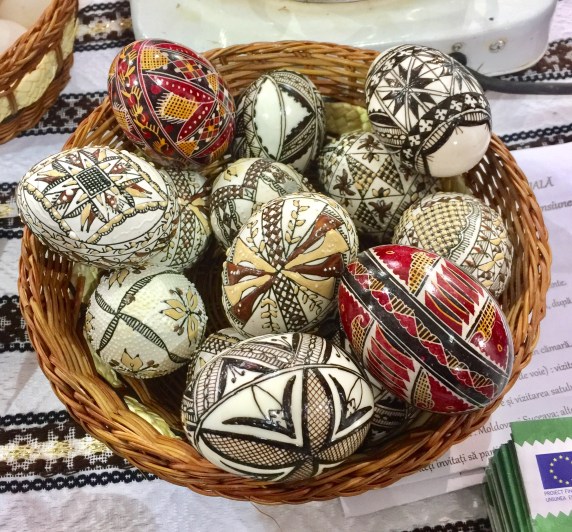


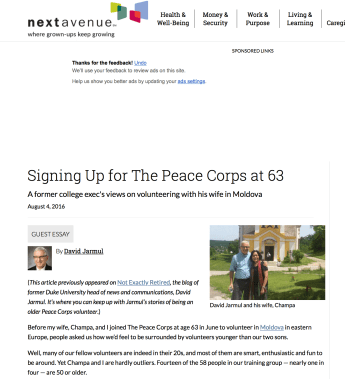 You’ll also find more stories on this blog, Not Exactly Retired, such as


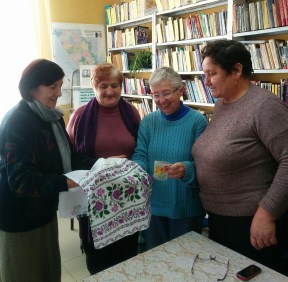 “I’ve been surprised by host country nationals’ reaction to my age,” says Deborah Sesek, a former labor lawyer in Cleveland, shown here (in the blue sweater) attending a meeting with the Association for the Elderly in Ruseștii Noi, where she is posted. “Here in Moldova, most people retire in their late fifties. They assume I was retired before I joined Peace Corps, which isn’t true. When I tell them I was working until I left, they often just shake their heads.”


 Worldwide, Americans over age 50 comprise about 7 percent of the nearly 7,000 Peace Corps volunteers now serving in 63 countries around the world. With its better medical facilities and programs in fields such as business development that attract people with lots of real-world experience, Moldova attracts higher numbers.
 We differ from our younger counterparts in some ways. Learning a new language may be tougher for us, although many of us are doing fine in our Romanian classes. We may run slower in a group soccer game, if we participate at all. When several younger friends went to get tattoos recently, they knew better than to invite me along. They also may party harder and make surprising cultural references. When I was in the Peace Corps office the other day, a Carole King song started playing and the young woman next to me said, “Hey, it’s that song from the Gilmore Girls!”
 "Not Exactly Retired"