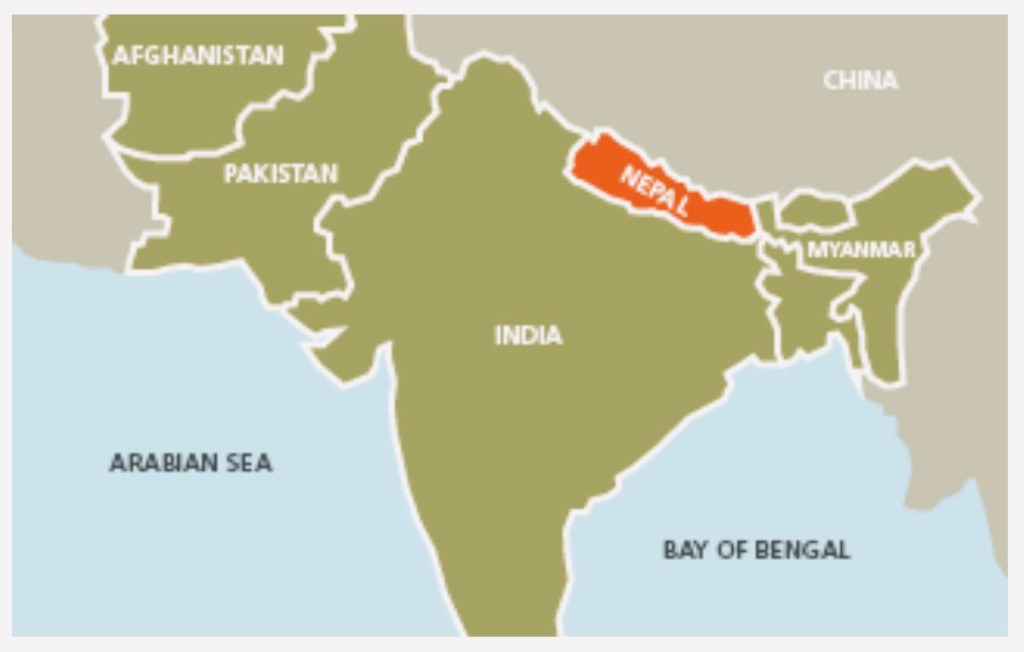
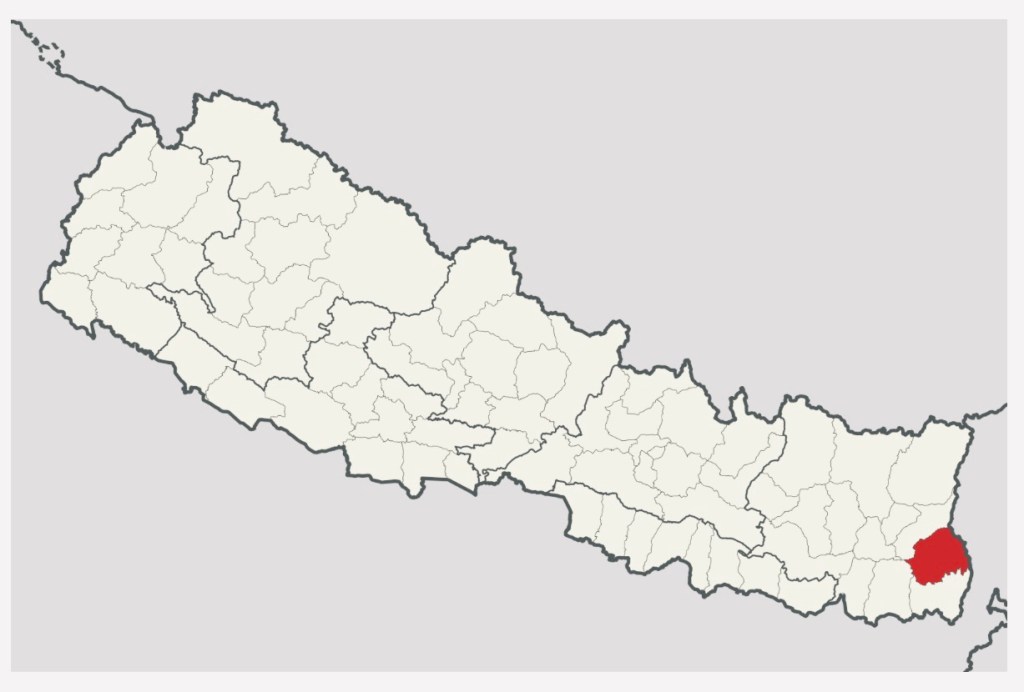
Champa’s hometown of Ilam, Nepal, is bustling these days with new shops, banks, bakeries, schools, hotels and people.
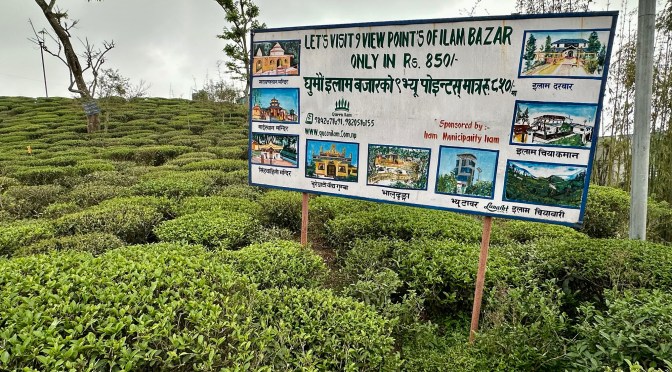
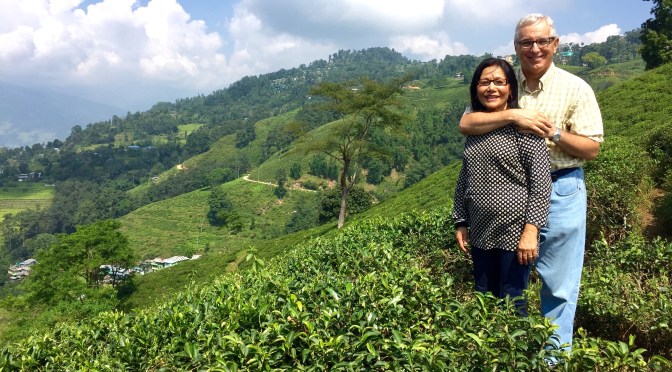
But it’s still best known for tea. Lush plantations surround this town whose population now exceeds 50,000. Ilam is the heart of Nepal’s tea industry, with rolling hills, terraced plantations, and a favorable climate and soil that yield a product similar to the better-known tea of neighboring Darjeeling, India.
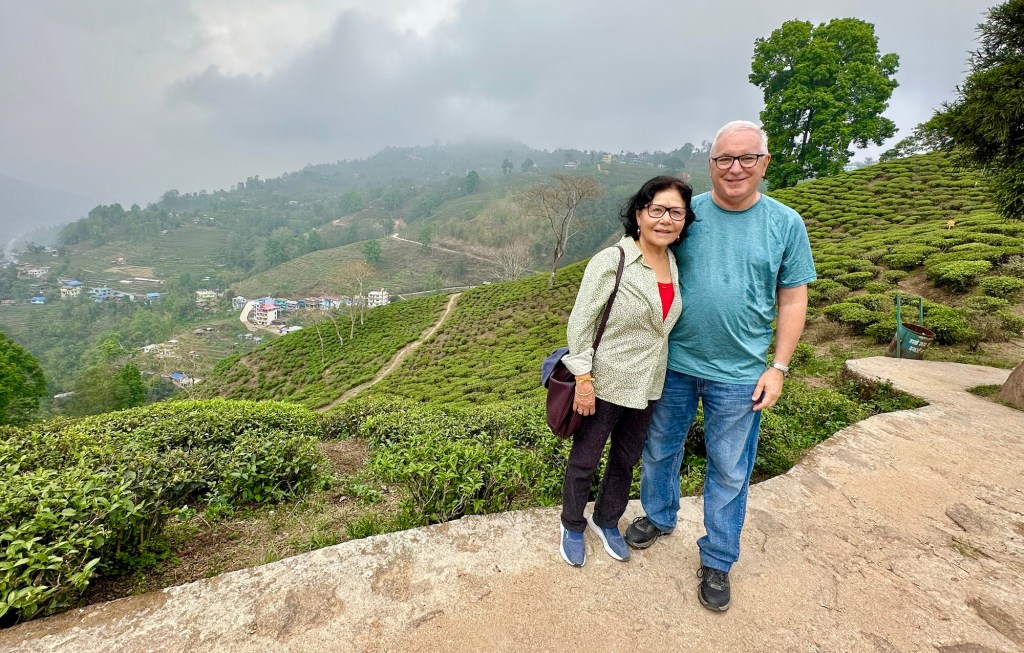
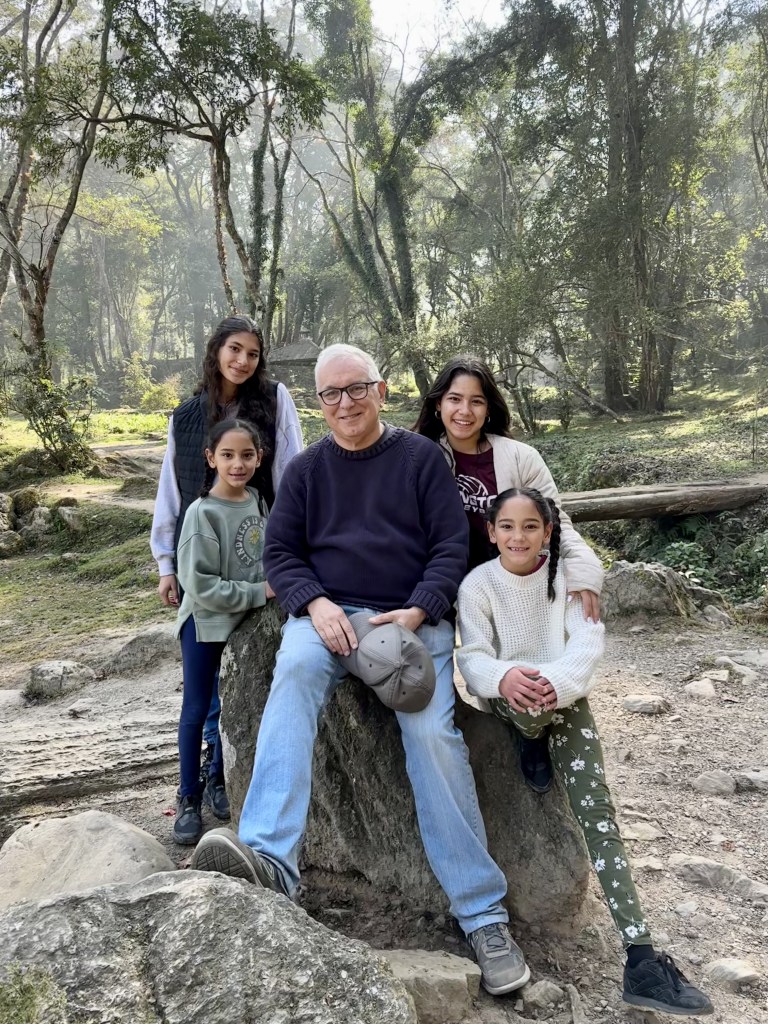
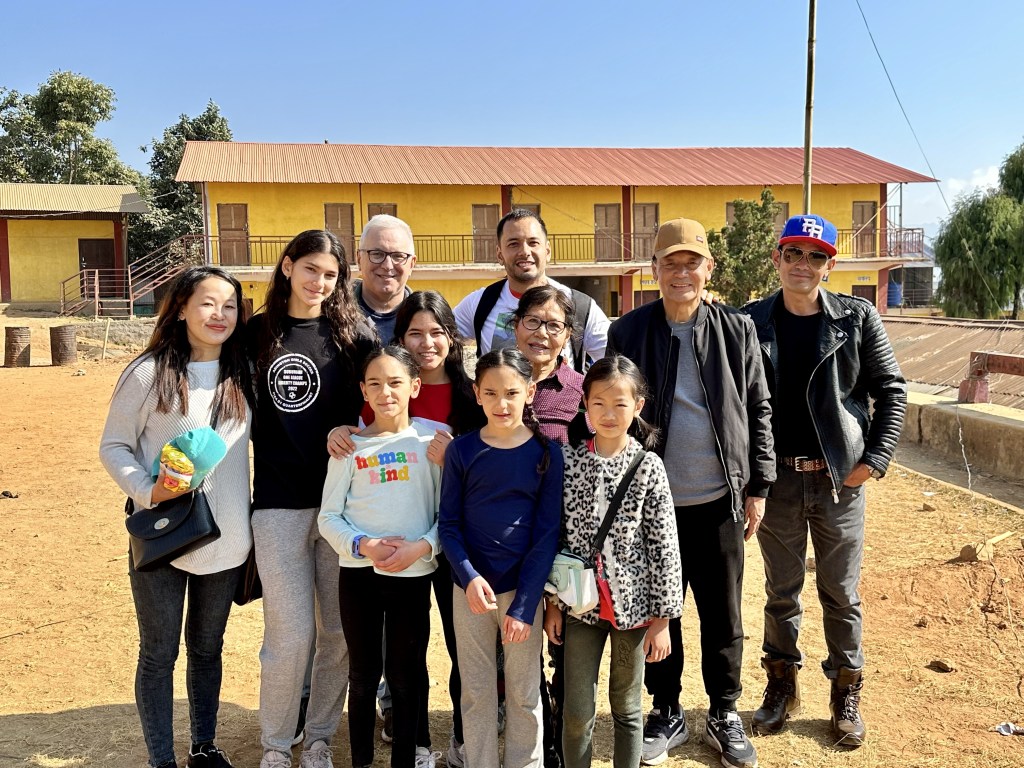
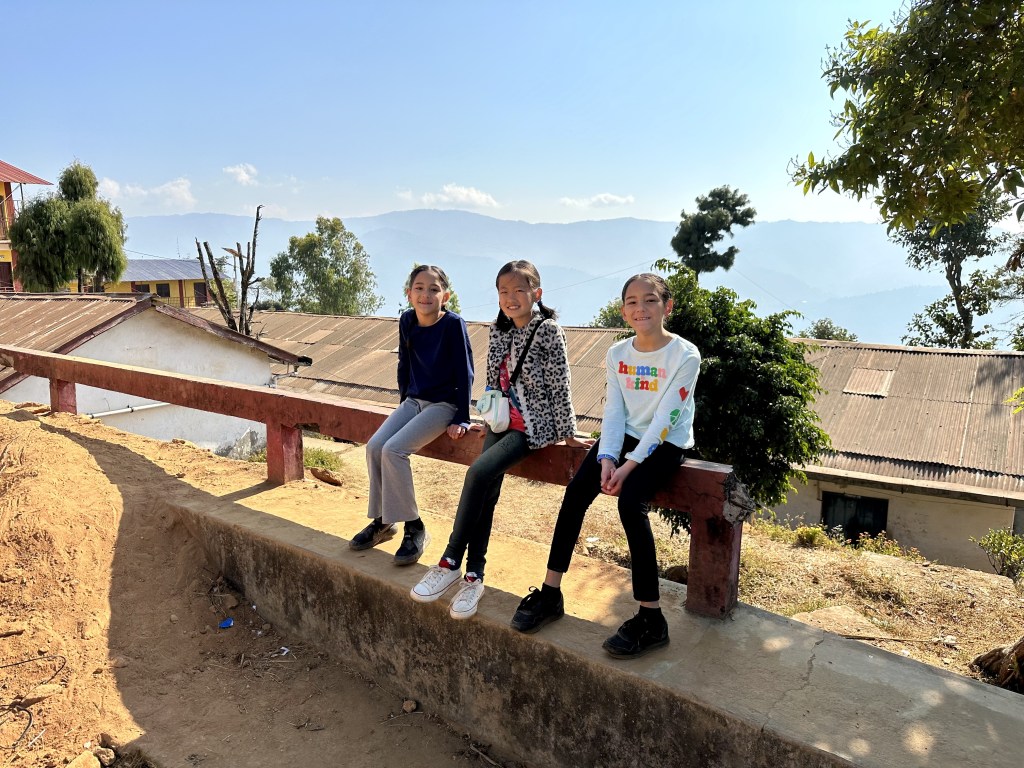
We traveled here several days ago, mainly to visit with family and friends. But we’ve also taken time to explore the bazaar and stroll beside the tea gardens, as you see here with our niece Mangila and some of our grandnieces and grandnephew.
After one walk, we stopped at a shop where I treated all of the kids to ice cream, something that was unavailable when I served in the Peace Corps here in the late 1970s.
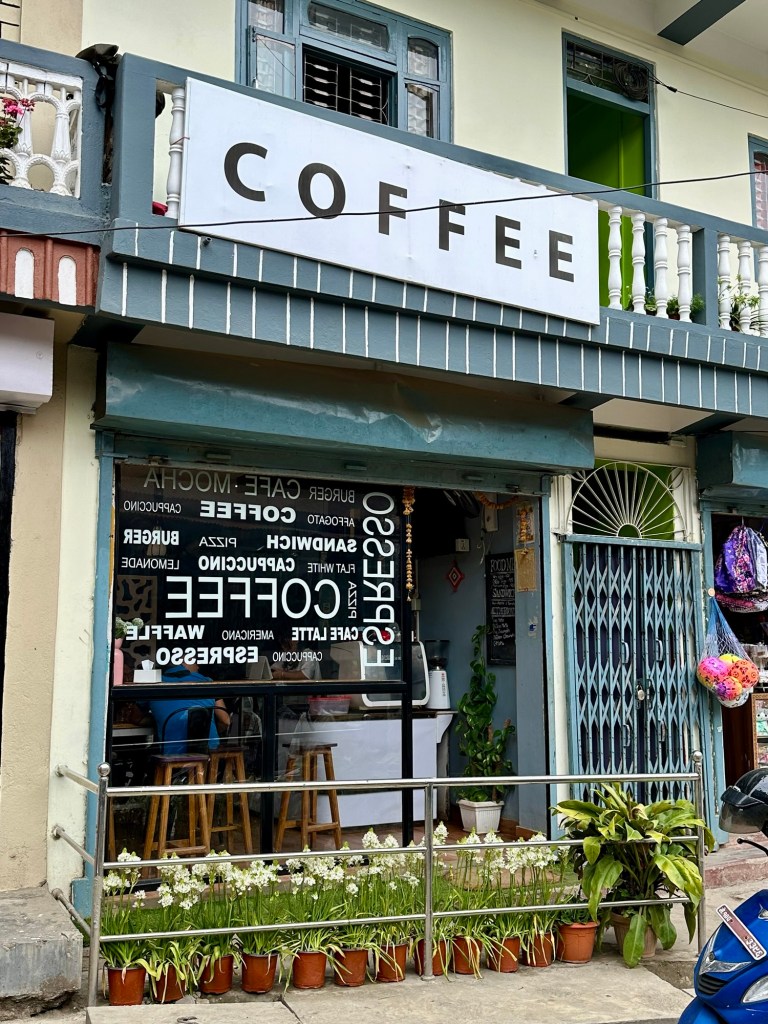
There was a single bakery back then, selling only white bread. Now there are several, with display cases featuring fancy birthday cakes. This tea-growing center even has a coffee shop where you can order a cappuccino.
Something else that was unimaginable when I lived here was cheese. Now there’s a nearby cheese factory run by a Sherpa entrepreneur who learned cheese-making from Swiss experts. He makes a delicious hard cheese that we sampled and brought home to eat.
Ilam’s food scene is not the only thing that’s changed. Notably, there are now vehicles everywhere — mainly motorcycles and scooters, but also buses, jeeps, cars and auto rickshaws. I also discovered some new sights, for me at least, such as a tea garden statue honoring the Limbu ethnic group and the Bhaludhunga ecological park
At almost every turn, I’ve been reminded what a beautiful and interesting place this is. I wish more people knew about it, especially foreign visitors looking to escape Kathmandu’s craziness and discover the “real Nepal.”
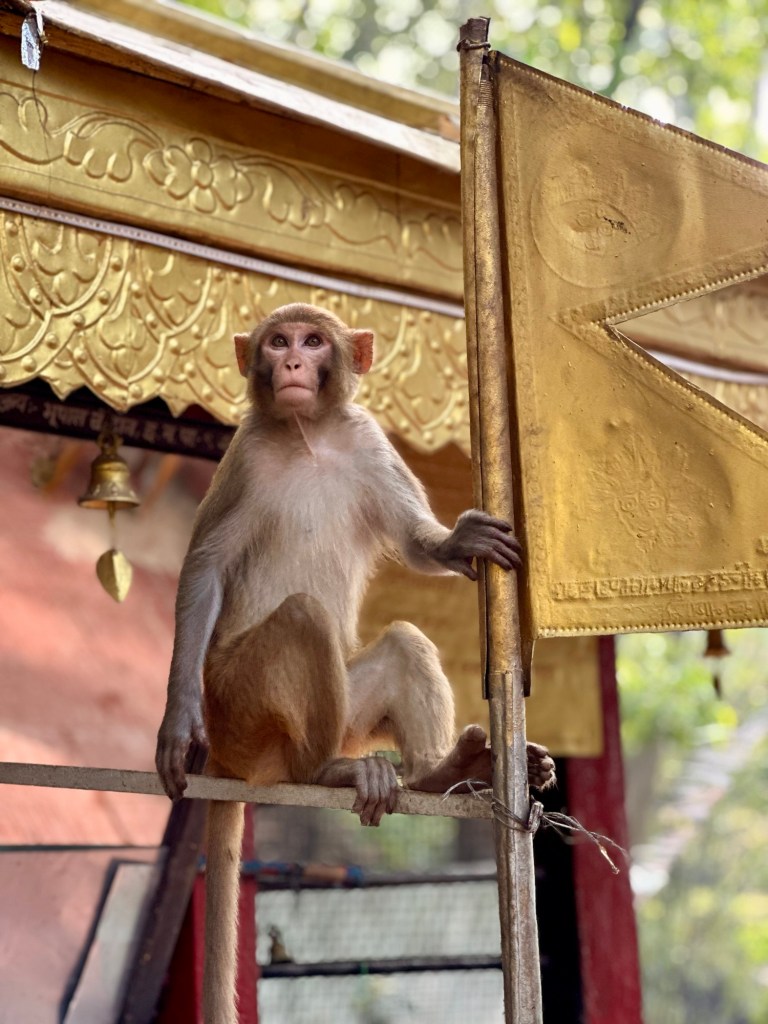
Ilam is relatively easy to reach. It’s a quick flight from Kathmandu to Bhadrapur followed by a 3-4 hour jeep ride on a winding road that is in generally good condition. Good, inexpensive hotels are available. The air is clear. The view is gorgeous when there’s no fog. Monkeys await you at the temples and Ilam’s friendly people are eager to meet you, too.
You should come see for yourself, even if you’re not a tea enthusiast.
First-time travelers to Nepal typically visit the magnificent temples and other treasures of the Kathmandu Valley. If they’re adventurous and have the time, they may also go trekking near Mount Everest or someplace else.
That’s what I did back in 1975 when I first discovered this magical country. I fell in love with Nepal, even before I met Champa, and I remain smitten with it a half-century later.
We’ve returned here many times but have usually been so busy visiting our family that we didn’t explore much beyond the tourist trail.
Until now.
We just returned from a memorable road trip to several places we’d long been hoping to see: a remote valley unlike the rest of Nepal, a picturesque town atop a mountain and the homeland of the king who unified Nepal.
We enjoyed all three places — Mustang, Bandipur and Gorkha — as well as our stop in Pokhara, a more familiar destination famous for its beautiful lake and snow-covered peaks.
If you’re considering a trip to Nepal and want something different from the usual itinerary, you might consider a similar trip. We did ours in five busy days with a private jeep, traveling with our nephew, Shankar, and his wife, Bindu. They hired our driver but you could arrange something similar with a local travel agency.
Mustang is a distinctive region of stark landscapes and traditional culture. Parts of it were closed to foreigners until recently and permits are still required to visit (although easy to obtain). We stayed in the main town of Jomsom, home of the Thakali people. Apples grow in many of its fields and its stone houses are adorned with prayer flags. We gazed out of our hotel window to see snowy peaks and small planes landing across the street at a tiny airport.
Mustang is best known for Muktinath, a temple and pilgrimage site for both Buddhists and Hindus. Champa and Bindu visited it while I remained in Jomsom with Shankar since I wasn’t feeling well that day. I was sorry to miss it but still happy to finally see Mustang, which was so mysterious when I first came to Nepal.
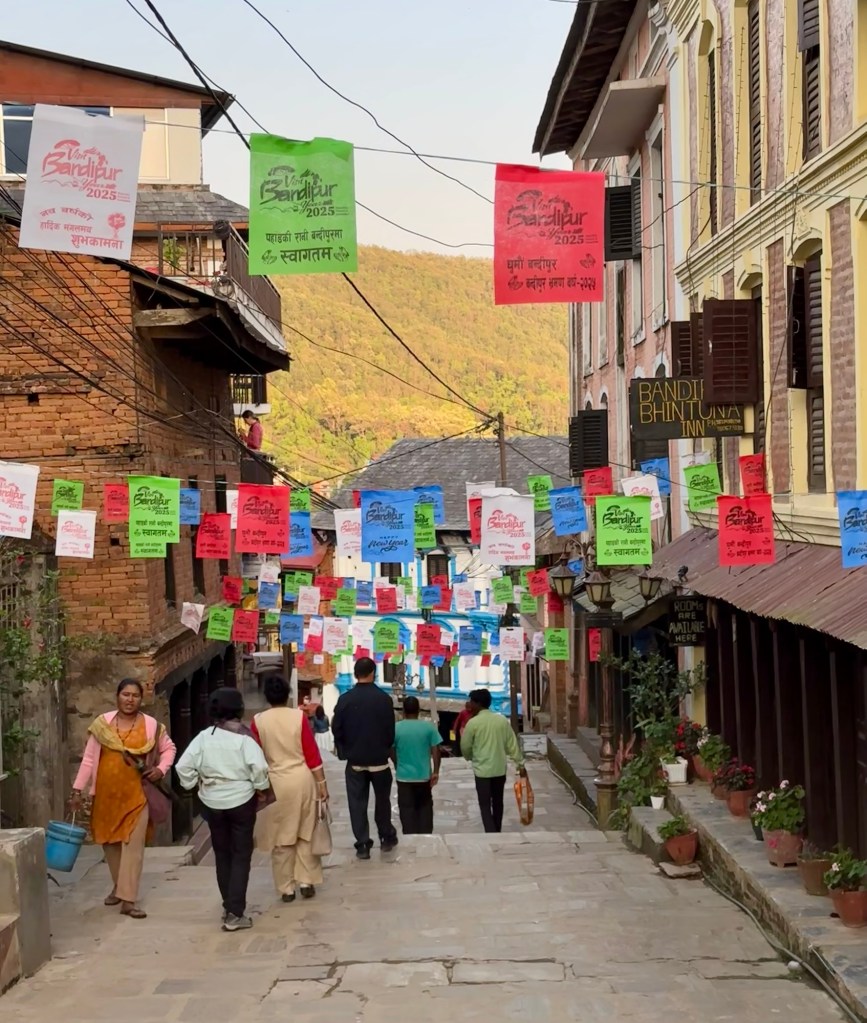
Bandipur, our next stop, was familiar to me since I did my practice teaching there during my Peace Corps training in 1977. I remembered it as being spectacularly beautiful — and it remains so, although much more developed.
Bandipur is a traditional Newari village built atop a small mountain. Back when I lived there, the usual way to reach it was by climbing a long series of stone steps. Now you can drive up or take a cable car, which we rode for fun. Cars are banned in the town center, which has a growing number of souvenir shops and small hotels catering to tourists who have begun discovering this charming escape from Kathmandu’s traffic and pollution.
We stayed in a lovely hotel — two private rooms with five dinners and breakfasts for $68 — and the owner was amazed that I’d taught there so many years earlier. He told some friends and the next morning we were joined at breakfast by one of my former fellow teachers and his wife, who’d worked with the Peace Corps. That’s Bidya Prasad Shrestha and Laxmi Shrestha in the photo with us. Amazing.
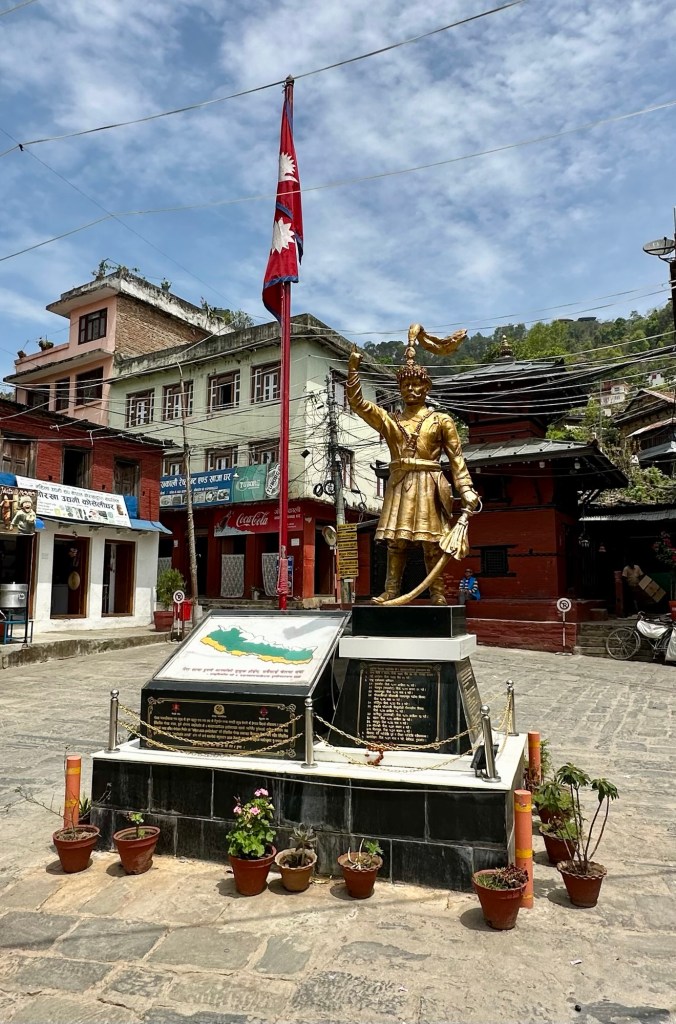
Gorkha is a regional center best known as the birthplace of Nepal’s unifier, King Prithvi Narayan Shah. He’s a bit like George Washington in our country and lived at roughly the same time. Gorkha also lends its name to the Gurkha soldiers, who serve in other countries and are known worldwide for their bravery.
We only spent a brief time there, mainly to climb up to the Gorkha Durbar, a 16th-century palace featuring both monkeys and traditional architecture. Nearby is the Manakamana Temple, which we’d visited previously and is a great place to stop and visit via cable car while driving between Kathmandu and Pokhara.
Pokhara’s tourist crowds are bigger than ever, with hotels, restaurants, shops and travel agencies filling the streets near the famous “fish tail” mountain and lake. Nonetheless, we were happy to return. We strolled beside the lake and enjoyed dinner at one of the many outdoor restaurants along the shore.
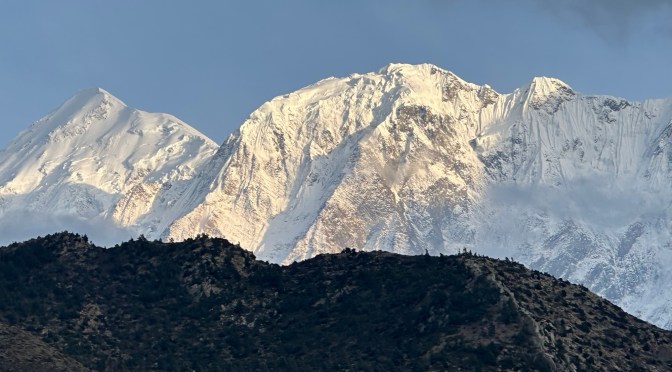
When the rhododendrons are blooming, the lake is shimmering and the famous mountains appear — Annapurna, Dhaulagiri and others — few places on Earth are more stunning than Pokhara.
We returned to Kathmandu just in time to celebrate Nepali New Year. We’ll be visiting with several friends and family this week and will then head east to Champa’s hometown, Ilam. From there we’ll drive through the tea gardens and mountains to Samalbung, the small village where we’ve been helping to build a new school with generous support from many Not Exactly Retired readers.
For now, we’re savoring our road trip to some of Nepal’s less-visited places. We’re very glad we finally made it to Mustang, Bandipur and Gorkha — three destinations that I hope others will discover, too.
45 years after we fell in love in Nepal, we returned with our son, his wife and our granddaughters to bring our global family together. Also on YouTube.
We heard the drums as our car pulled up to Champa’s family house in eastern Nepal. Then we saw the dancers. Champa’s brother appeared with an armful of flower garlands. His wife held colorful scarves.
We’d arrived in Ilam, where Champa grew up and the two of us met when I was a Peace Corps Volunteer. Now it was 45 years later and we were traveling with our older son, Paul, his wife Stephanie and their four daughters. It was 9:30 p.m. Our drivers had been navigating the rutted, dusty roads since 4:30 a.m.
Champa with two of the dancers who welcomed us to Ilam.
Our exhaustion gave way to astonishment, then elation as we stumbled out of our two jeeps and entered the courtyard. With flowers and scarves around our necks and drums beating beside us, we joined the traditional Limbu folk dance.
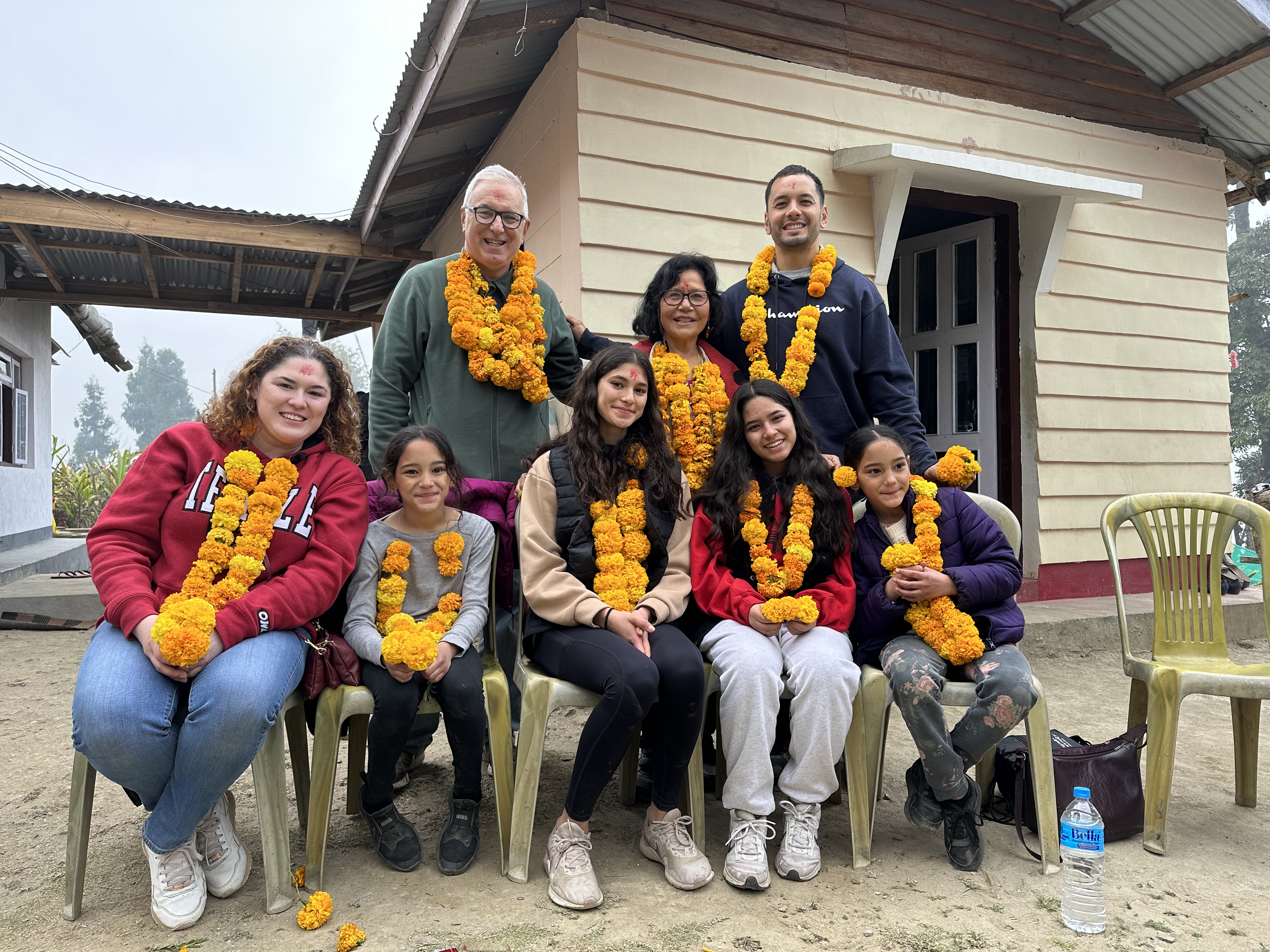
Three days later we encountered an even bigger welcome, this time in the small village of Champa’s late older sister, where several of our nieces and nephews still live. This time we heard the drums as we walked on a mountain path approaching their house. Our extended family was waiting there with flower garlands. Two girls performed a dance. Folded hands and namastes gave way to hugs.
The drums and dancers paused long enough to snap this photo of our arrival in Samalbung.
These were just two of many unforgettable moments during our trip to Nepal, from where we returned a few days ago. We’ll remember our granddaughters seeing Kathmandu’s glorious temples and the monkeys at Swayambhou. There was Maya singing at Ilam’s outdoor Christmas show. Paula playing soccer with local men. The twins laughing with their cousins. School visits. Tea with old friends. Steaming plates of momos. Roosters waking us at sunrise.
We visited a school in Samalbung run by our nephew Santosh and his colleagues.
Paul and Stephanie had wanted to make the trip for years. Now, finally, our global family was brought together. Our worries about the trip never materialized. Everyone stayed healthy. Our family and friends welcomed us at every stop with boundless generosity. The girls fell in love with Nepal, as we’d hoped they would.
We’re still processing the trip. I’ll post more about it soon and also about Qatar, where Champa and I stopped on our way home. For now, I hope you’ll enjoy the photo slide show below.
Nepal, we miss you already.
Champa flew to Nepal in late November. I followed in mid-December, a few days before Paul, Stephanie and the girls arrived. In the middle is our nephew Shankar, who hosted us while we were in Kathmandu.
Monkeys scurried near us as we posed at Kathmandu’s Swayambhou Temple.
We ate lunch at this rooftop cafe above Patan’s Durbar Square. The food was good; the view, spectacular.
At the National Botanical Garden in Godawari.
Champa and I met at this school where I was posted as a Peace Corps Volunteer. She was also teaching there.
Our twins became fast friends with their cousin in Ilam.
The cousins watched Netflix together one evening, just one of many ways Nepal is changing.
The girls and their cousins tried their luck in the fish pond beside the family home in Samalbung.
We visited relatives and friends in Samalbung, a small village along Nepal’s eastern border with India.
Celebrating the Tamu Lhosar festival at the Boudhanath Stupa in Kathmandu.
Shopping for souvenirs at one of Kathmandu’s outdoor markets.
Family and friends generously hosted us at throughout our trip, including this dinner with our niece, Pooja, and her family in Kathmandu.
Signor Rana, when he was one of my students in Nepal
Just a few days before the stunning U.S. election, I received a message out of the blue that confirmed something Peace Corps told us during our training: You never know whose life you may touch, no matter what happens in the wider world.
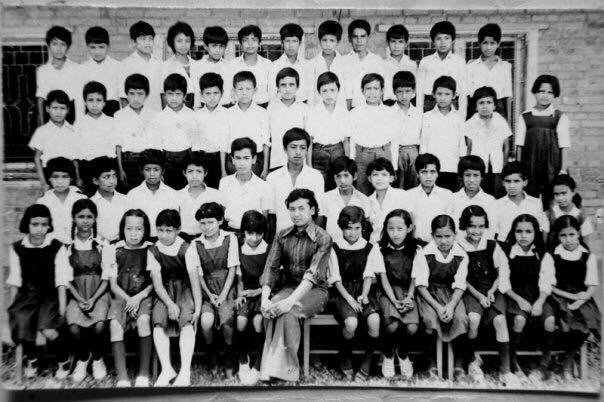
The message came from Signor Rana, one of my students when I taught English at a school near Kathmandu as a Peace Corps volunteer four decades ago, long before I began serving again in Moldova.
It came to me on Facebook: “Hi, are you the same David Jarmul who was peace corp volunteer back in late 70 in Nepal? Remember Lab times in lab school? I was one of your student? I was looking for you since 1988.”
Signor and his classmates at the Lab School near Kathmandu, where I taught as a Peace Corps volunteer. He is second from the left in the second row.
Of course I remembered the Lab Times, the wall newspaper I started at the school, but I didn’t remember Signor — one of several hundred students I had there and in Champa’s village, Ilam. Still, I wrote him back, and he responded quickly.
“Wow, I was looking for you since I came to US as a student back in 1989,” he replied, describing how he is now married, living in Maryland and working as a software engineer for the federal government.
“You used to tell a story of America and show us moon landing documentary and made me participate in play Snow White. That made me dream of America and came here. You do plant a seed on a boy who was 10 years old. Thanks for helping me. Please let me know when you visiting back to US.”
Coincidentally, I’d responded just a few days earlier to another unexpected message, this one from Australia. It was from the son of a friend of mine from Ilam.
Perhaps there were others, too. I don’t really know. Neither do most other Peace Corps volunteers who completed their service years ago.
Signor and his family today
Signor’s timing could hardly have been more auspicious. His was like a message in a bottle, washing ashore just when I needed to discover it.
It reminded me that no matter what happens in politics, we all have the power to make a difference in some lives, even if our impact is not revealed until years later, if ever. That remains true today for the nearly 7,000 other Peace Corps volunteers and trainees serving around the world, in more than 60 countries. As it has for more than 50 years, the Peace Corps touches lives every day, with strong bipartisan support from Republicans and Democrats alike.
That’s a fact worth treasuring at a moment when our country is struggling to heal after a bitter presidential campaign. Indeed, perhaps some of the lives that need touching right now are Americans who feel uncertain about the future.
I don’t mean the election’s results don’t matter. They do, profoundly, and I will be watching what happens along with everyone else. But as someone who is old enough to have lived through presidents from both parties who did both good and bad things, I choose to take the counsel of our current leader: The sun will still rise tomorrow. We can still find meaning in our own lives. We can still make the world a better place.
No matter whether we are abroad or back home, in the Peace Corps or among our neighbors, regardless of politics, we can all try to touch lives or, as Signor put it, to plant seeds.
In the fall of 2015, as chronicled earlier in this blog, Champa and I took an extended trip to Nepal. We visited her home town of Ilam and a small village, Samalbung, and spent time in the Kathmandu Valley. During the second half of the trip we welcomed eight members of our American family for an unforgettable tour, highlighted by the two families coming together. This video has the highlights.
Being a goat in Nepal during the Dashain holiday season is like being a turkey in America just before Thanksgiving: Your odds of surviving aren’t great.
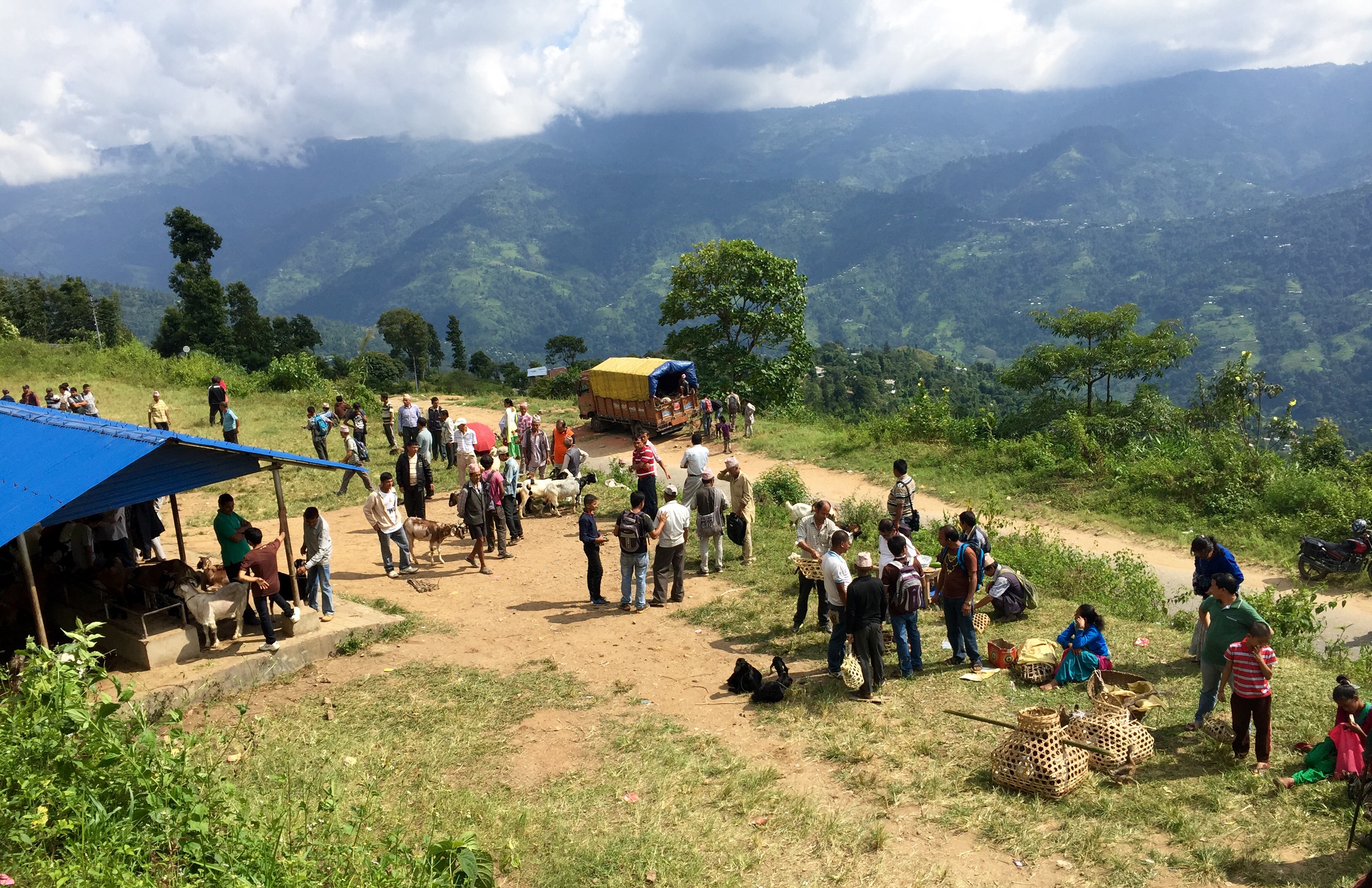
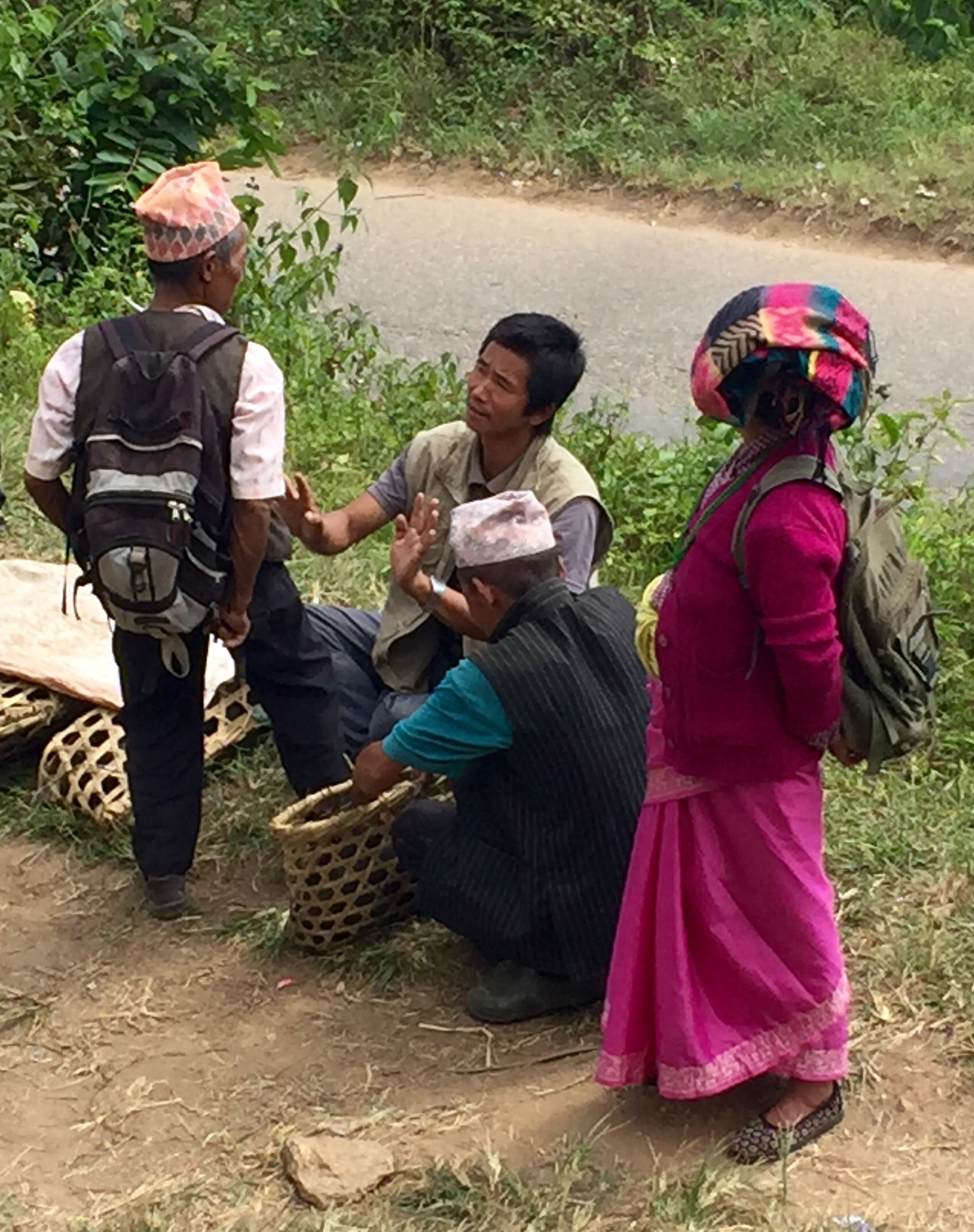
So it was for these goats being sold in Ilam’s market this past Thursday. Farmers brought them there by the hundreds from throughout the surrounding area. Shoppers came to buy a goat or two for their family feasts, and wholesalers bought truckloads to sell in Jhapa, about three hours to the south.
Dashain (pronounced: dah-sy) is Nepal’s biggest holiday, taking place during a week each October. (This year, Nepal’s government extended the holiday by a few days to ease scarce petrol supplies.) Schools and offices close and people travel across the country to their family homes. Almost every day during the festival, they perform designated forms of puja, or worship.
Ilam’s animal market takes place every Thursday, part of a larger market centered in the main bazaar. As Dashain approaches, business booms, as we saw for ourselves from the window of Champa’s house, just up the road. For hours on end, goats bleated their way past our gate.
Families typically hire a butcher to slaughter the goat and prepare it for consumption. Likewise for pigs and buffalo, if they eat these. They usually slaughter chickens themselves.
For a Western visitor, all of this can be grim to watch. However, if you’re someone who eats meat, it’s also more honest than going to a local supermarket and tossing a package of steak or chicken wings into your cart without giving any thought to its origin. Here in Nepal, there’s no avoiding the question. In Ilam and many other towns across the country, the answer can be found in the weekly animal market.
























 "Not Exactly Retired"