Tag Archives: David Jarmul

Tick Tock

It’s a reality many older Americans eventually confront: our adult children don’t want our stuff.

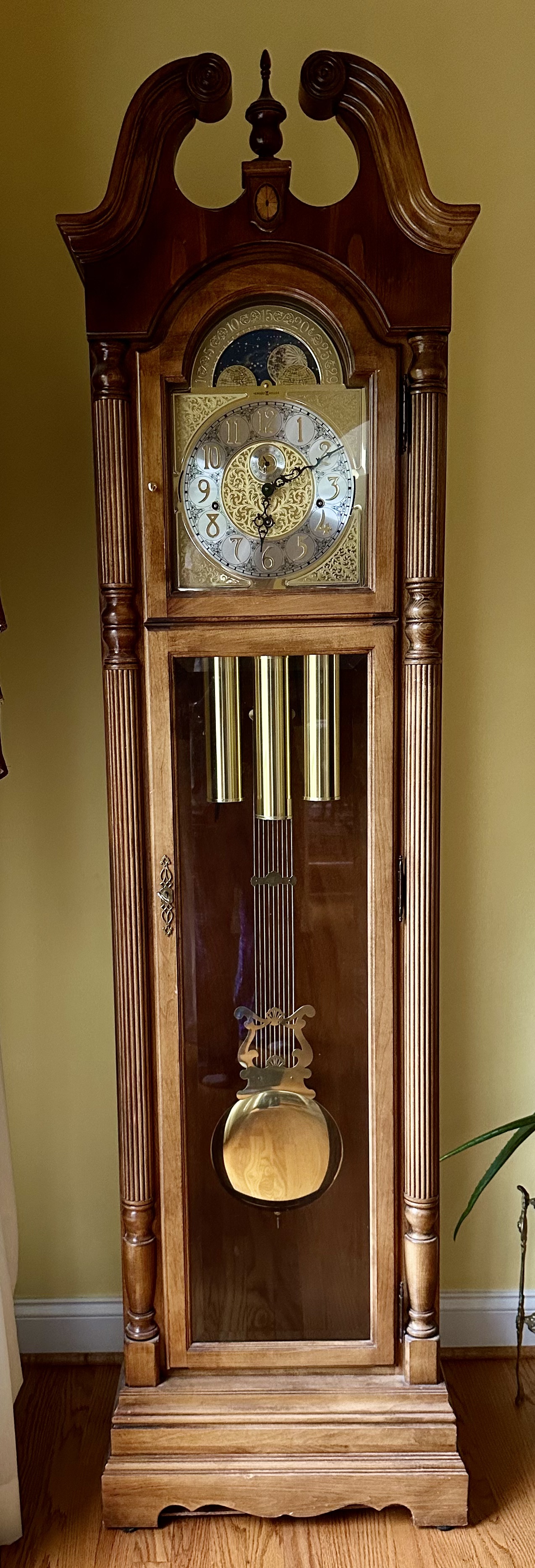
I saw that a few days ago when my older son declined taking our family’s beautiful grandfather clock, even though he was the one who found it years ago — a story I’d loved sharing with friends.

Paul spotted the clock when he was learning to drive. I was giving him a lesson in our minivan when he saw it on the curb with the trash outside someone’s house. We stopped to examine it and, except for some broken glass, it was in good shape.

We took it home and, after some repairs, the clock ran beautifully for many years. Only recently did its movement finally wear out. 

A clock expert said it would cost a lot to fix. I told Paul I’d make the repair only if he planned to inherit the clock when we eventually downsize. I assumed he’d want it since we found it together. But he didn’t, nor did our other son. The memory and sentiment were mine, not theirs.

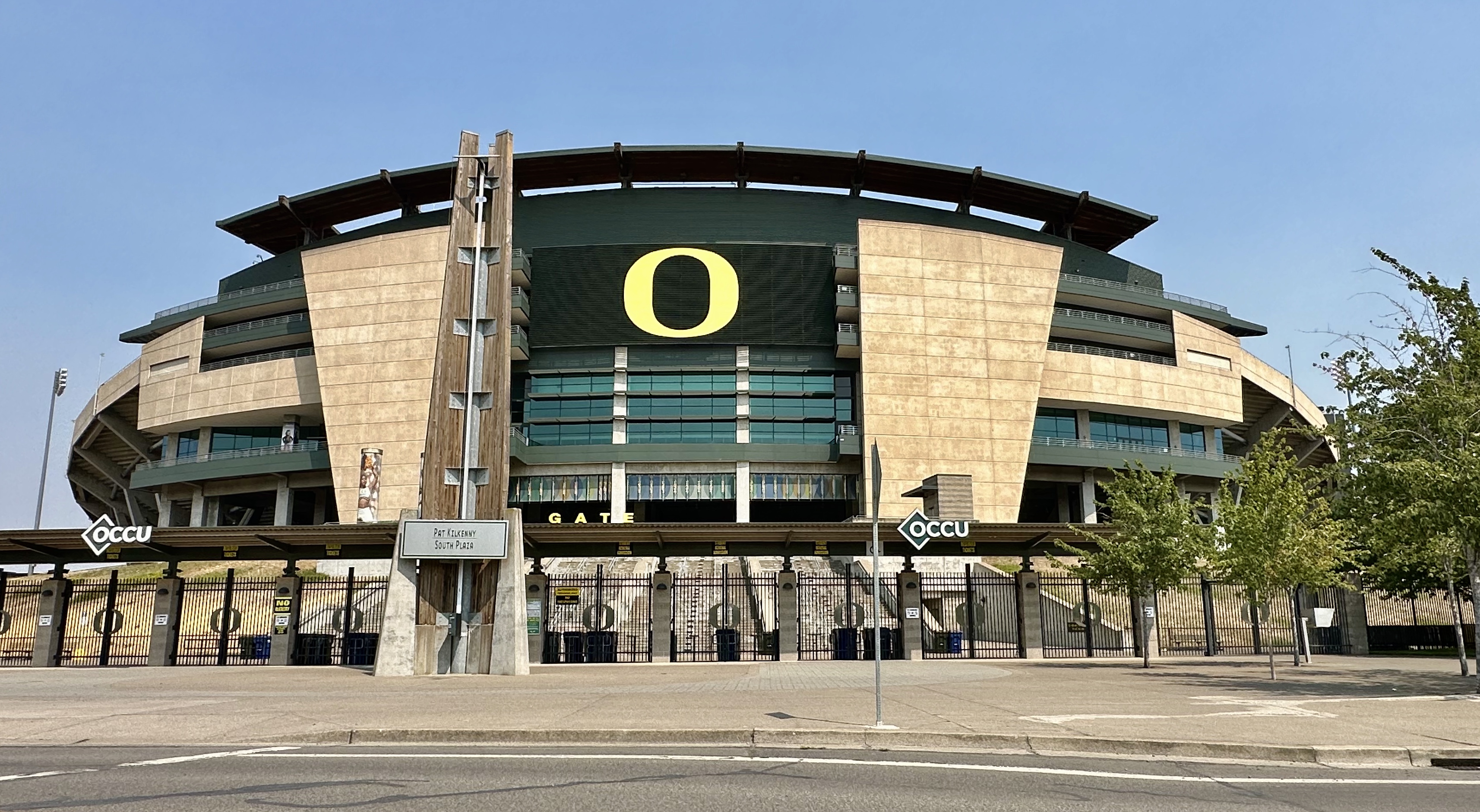
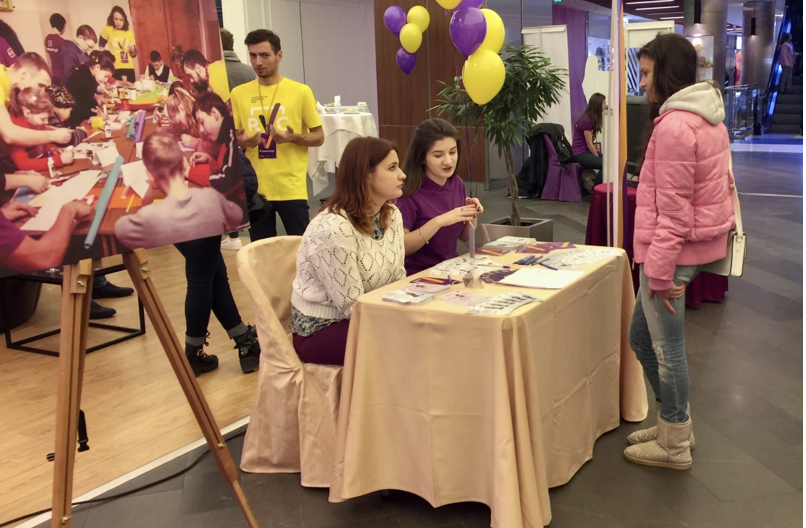
Reluctantly, I offered it on Craiglist to anyone who might repair it and give it a new home — for free, as I had gotten it myself. Within minutes, I received numerous responses. The next day, the young man in the top photo took it away.

This happened a few days after a Bose CD player I’d inherited from my parents finally died. It wasn’t worth fixing so, after Champa removed pieces of it for art projects, we put it in the trash.

I should have felt lighter and liberated after this, as I did when Champa and I gave away bags of stuff prior to serving in the Peace Corps. But this time I felt sad since both objects had sentimental value, at least for me.

I hope the clock brings joy to its new owner, as other things will for my sons and their families. We all fill our lives and hearts in different ways. As I’ve been reminded this week, though, it’s all stuff, and it doesn’t last forever. Time passes even if the clock breaks. Tick tock.

Surprised by 70

I turned 70 this week and was surprised in two ways.

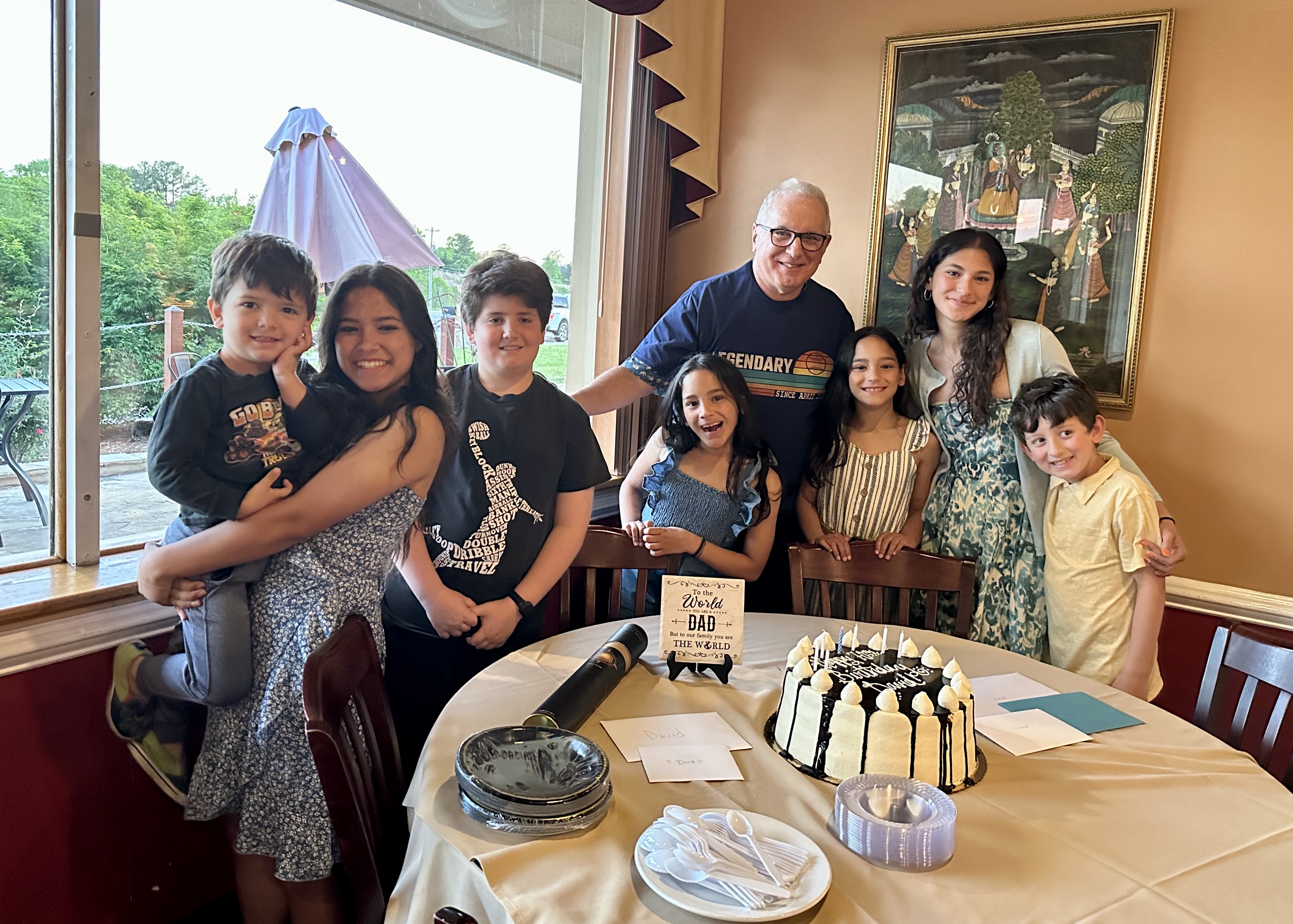
First was the surprise party Champa and my daughters-in-law organized at a local restaurant. I thought she was taking me to have dinner with two friends but was stunned to be greeted by my extended family in a private room.

Some had flown in from New York, Newark or Atlanta. Others drove from Philadelphia or here in Durham. They read me speeches, poems and toasts. They sang “Happy Birthday” and cheered as my seven grandchildren helped me blow out the candles. After the party, most of them stayed on through the weekend.

I hadn’t been looking forward to this birthday. A decade ago, when I turned 60, I was still working. Five years ago, I was wrapping up my service as a Peace Corps Volunteer in Moldova. But now, I was entering a decade that used to be synonymous with old age.

Then my birthday surprised me in a second way, by reminding me of how full my life is, regardless of what lies ahead. As my son Paul said in his toast: “You are constantly graduating into new and exciting chapters of your life. Now in retirement, we see you setting a great example that it’s possible to carve your own path, joining Peace Corps again, traveling the world with your beautiful wife, enjoying time with family and friends, living life to the fullest, impacting more people’s lives. And your hairline is still going strong.”

My older sister called me “young at heart and young in deed.”

I’m hardly alone in embracing this stage of life and in trying to be intentional instead of drifting — in my case, through a blend of travel, volunteering and other engagement. Large numbers of older Americans are also redefining how retirement can be “not exactly” in many ways.

Yet it still meant a lot to me to hear these descriptions and receive birthday greetings from around the world. They told me how much I have to be grateful for even after a year in which I lost several dear friends and experienced a health scare of my own, not to mention the pandemic and assorted world crises.

Five years ago. I marked my 65th birthday with a blog post marveling at how my life had turned in unpredictable directions. I ended that post by saying “I expect to remain ‘not exactly retired’ after 65 but don’t really know what will happen next. I am eager to be surprised anew. Celebrating this birthday has reminded me how rich your life can become when you let it take you places you never predicted.”

Remarkably, it has become even richer since then. I know that my good fortune could change tomorrow, and that it carries a responsibility to serve others. For now, though, I’m celebrating, and I’m giving the last word to my cousin Stephanie, who sent me this short poem:

There once was a man who turned seventy

Whose tale can’t be told with brevity

Happy Birthday to you

May your wishes come true

And your years be filled with levity

A Dozen Wonders

What’s the most amazing place you’ve ever seen?

I’ve been thinking about that since visiting Angkor Wat during our recent trip to Southeast Asia. The ancient Cambodian temple complex was extraordinary — worth the journey all by itself.

But was it more extraordinary than, say, the Pyramids? And are timeless wonders like these more compelling than newer landmarks like Hagia Sophia in Istanbul or Christ the Redeemer in Rio, or natural wonders like Mount Everest and the Grand Canyon? 

I’ve visited all of these places and have always resisted ranking them, even though it feels these days like everything is supposed to be ranked, from restaurants to sports stars. In this case, it’s like comparing a rose’s scent to a crisp apple.

The best I can do, fully acknowledging how fortunate I’ve been to travel so widely, is compile a list. Here in alphabetical order is my personal Ancient Dozen places built outside the United States, no more than one per country:


Angkor Wat, Siem Reap, Cambodia

Its architecture, art and scale are all stunning.


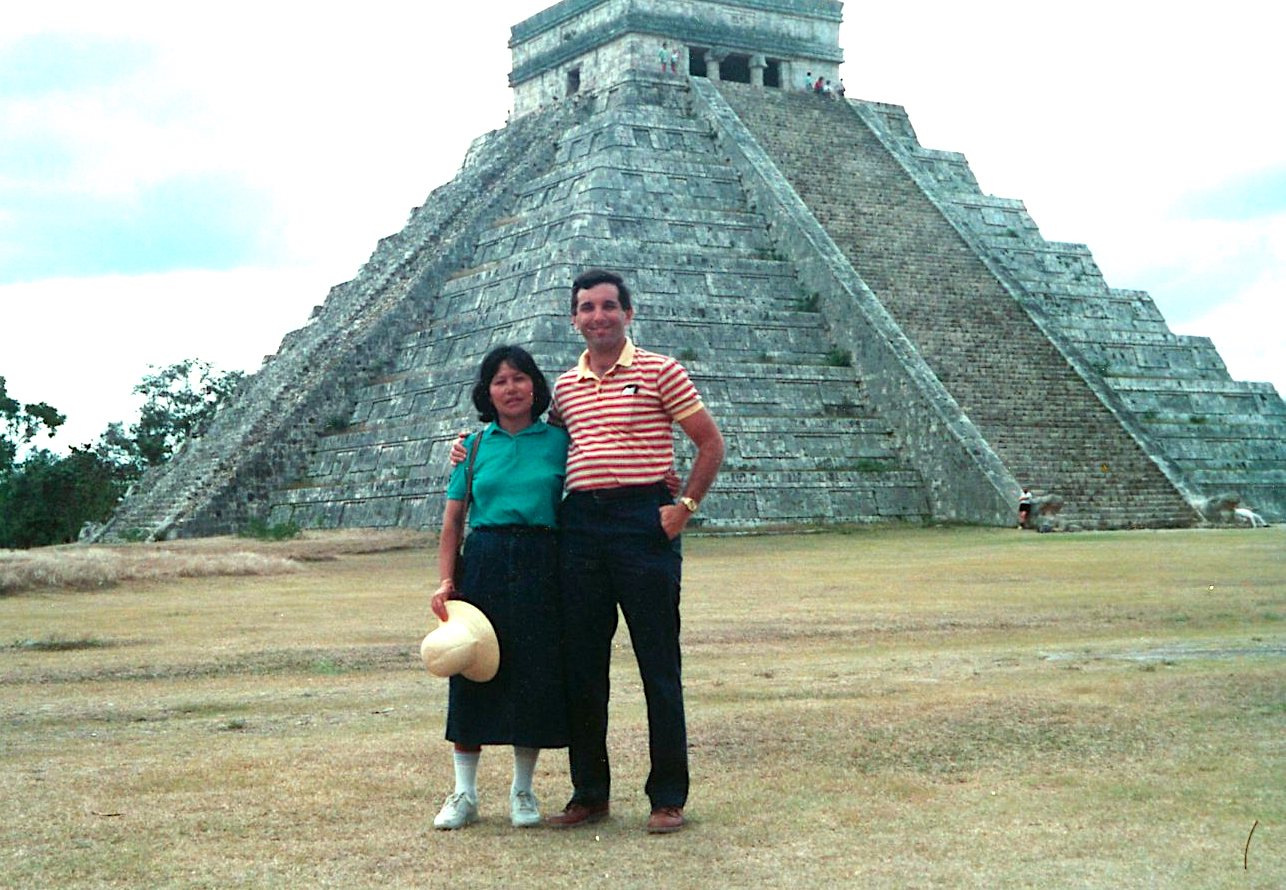
Chichén Itzá, Yucatan, Mexico

The temple has aged less noticeably than us since we traveled there.


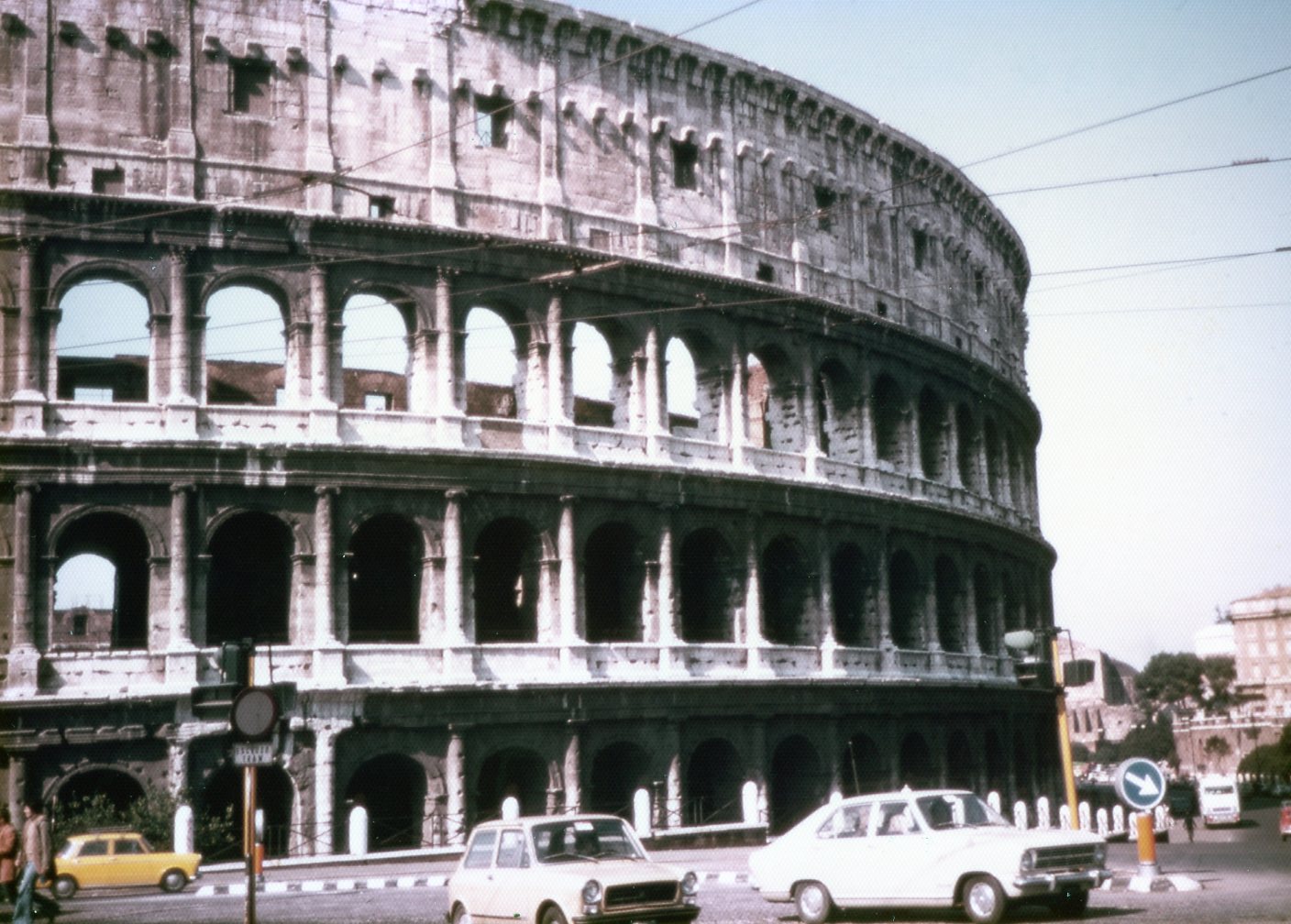
Colosseum, Rome, Italy

I visited years ago, as you can see from the cars and the low-res photo.


Garni and Gaghard, Armenia

Fantastic medieval architecture near Armenia’s capital, Yerevan


Great Wall of China

It’s a tie with Beijing’s Forbidden City, which was also unforgettable.


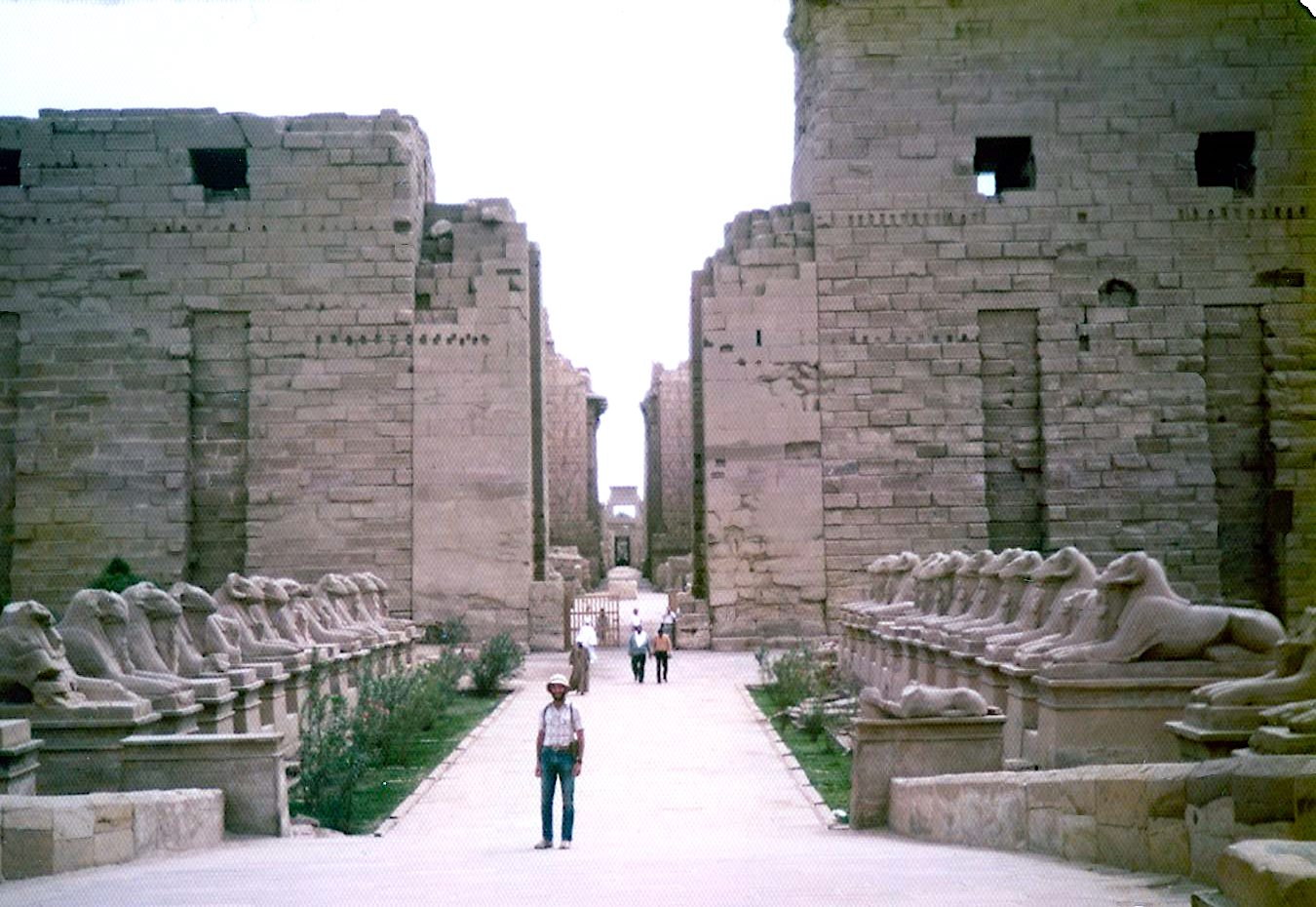
Luxor, Egypt

Back in 1976, it impressed me even more than the Pyramids.


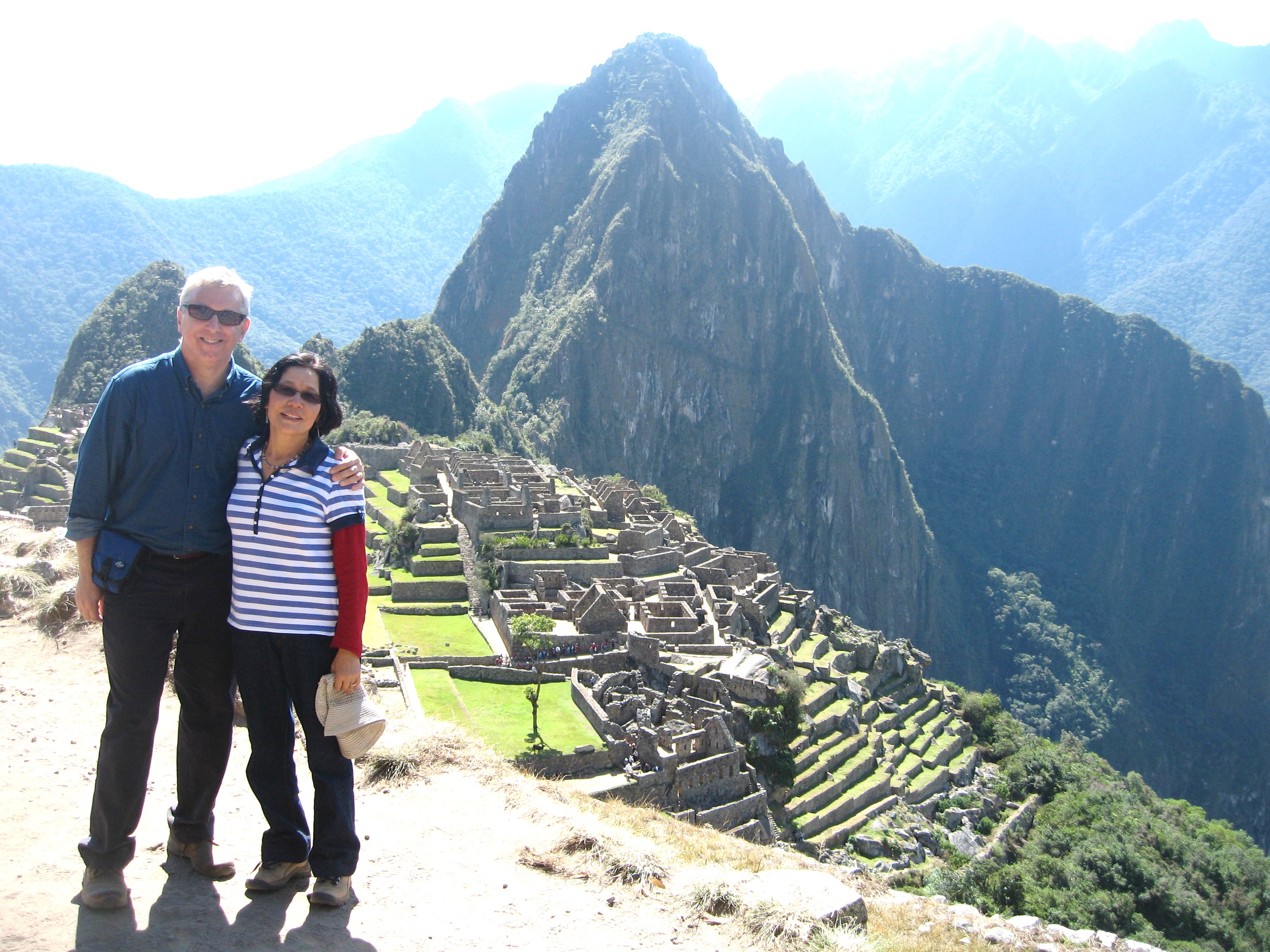
Machu Picchu, Peru

Jaw-dropping, even though you’ve already seen photos of it


Parthenon, Athens, Greece

The setting. The architecture. The history. They all spoke to us.


Stonehenge, England

The inspiration for many theories — and for Kentucky Stonehenge.


Swayambhou Monastery, Kathmandu, Nepal

As a bonus, the fabulous Durbar Square temples are just across town.


Taj Mahal, Agra, India

It’s exquisite, as my parents saw on a trip with us to India and Nepal


Western Wall, Jerusalem, Israel

It’s just one of this city’s historical wonders for three great religions. I don’t have my own photo but you’ve certainly seen it — and maybe visited, too.


Champa and I hope to also visit Petra in Jordan and maybe Lalibela in Ethiopia. Where else should we and others go? Please share your feedback and recommendations with a comment!

Phnom Penh’s IPAs

This post is about Southeast Asian cuisine but it’s not what you’re expecting.

Yes, we ate some great meals during our recent trip to Southeast Asia, like at this outdoor market in Laos and a riverside fish lunch in Vietnam.

We saw exotic foods like these fried insects.

We learned to cook Pad Thai, red curry and other traditional Thai dishes.

And we saw bountiful markets, like this one in Ho Chi Minh City.

But those are all things you’d expect in a post about Southeast Asian cuisine.

Well, how about craft beer in Cambodia?

That’s what my friend, Mitch, and I discovered at Prince Brewing in the capital city, Phnom Penh. Their modern brewpub beside Wat Botum Park was a revelation, offering IPAs, Belgian wheat, porter, lager and other beers.

Their taps and cans had beautiful designs. They had a pool table and a foosball table. Their menu offered everything from burgers to fried snake fish. Outside in the park, local teenagers danced to rap music on a boom box.

It was definitely not what we were expecting in Cambodia.

It was only slightly stranger than the craft beer place we tried a few days earlier in Hue, the former imperial capital of Vietnam. That’s Mitch with the owner of Shanti, a bar specializing in Vietnamese craft bottles.

Unfortunately, the owner told us he was about to close his business because he could not compete with neighboring bars selling cheaper mainstream beers. We tried some of those, too, in Vietnam and elsewhere, and he was right: They were fine but not as distinctive as the ones at his bar or in Phnom Penh.

I hope Prince Brewing proves more successful than Shanti. Craft beer is still too expensive for most customers in this part of the world but its emergence felt to me like a frothy symbol of changing times, even though I don’t usually drink much beer.

As an American who came of age in the 1960s and 1970s, I’d associated Vietnam and Cambodia with war and genocide, not with IPAs. I was glad to update my perspective.

If I go back, though, I’m still not asking for the fried insects. 

Lasting Images

Beautiful temples. Historic treasures. Iridescent rice fields. Those are not the only scenes we’ll remember from our recent trip to Vietnam, Cambodia, Laos and Thailand. Some less-expected images will also stick in our minds, such as the dozen shown below:

This monk in Vientiane, Laos, is holding a string attached to a car. Why? Because he’s blessing the car for its new owners, the family in front of him.

Wait, are those bongs? Yes indeed, along with other paraphernalia featured at the Opium Museum near Chiang Rai, Thailand. It’s in the Golden Triangle, where opium has been cultivated for centuries.

If you need a ride or want to order food in this part of the world, you’ll probably use Grab, a Singapore-based smartphone app similar to Uber. The drivers, like these in Hanoi, wear green jackets.

Do this tree and temple look familiar? Angelina Jolie filmed scenes from Tomb Raider here in Cambodia. We watched the movie after we returned home and, sure enough, it’s the same spot.

This modest Hanoi restaurant serves bun cha, a traditional Vietnamese pork dish. President Obama dined here with Anthony Bourdain in 2016, as shown in the photo above the table. We tried it, too. Delicious.

Maison Centrale was the gatehouse to the “Hanoi Hilton” prison where John McCain and other Americans were held for years. It’s now a museum.

This statue at the National Museum of Cambodia made me think of Vlad the Impaler, whose home we visited in Romania. Probably not what they had in mind.

We were finishing a quiet dinner at an outdoor restaurant in Hue when these diners began singing “Happy Birthday” to a friend. They asked us to join them. We did and they ordered us a round of drinks.

These are two of five photos posted above the urinals in a men’s bathroom at a riverside restaurant in Vietnam. They all amused me.

These farming implements had an evil purpose. The Khmer Rouge used them to beat and hack people to death in the killing fields, which we visited near Phnom Penh.

This drag show in Chiang Mai was advertised across the street from a boxing match, offering a range of evening entertainment options.

Finally, a photo of Angkor Wat in Siem Reap, Cambodia. It’s not “unexpected,” but the site was too spectacular to leave out. We felt privileged to visit it.

Coming next: A post on the region’s food.

Vietnam for Real

“Vietnam” meant “the Vietnam War” when I was growing up. The Vietnamese had a different name for the conflict: “the American War.”

What surprised me when Champa and I visited Vietnam, Cambodia, Laos and Thailand this past month wasn’t the nomenclature but how infrequently people spoke about the war. They were too busy making money and living their lives. They all greeted us warmly, including some former soldiers we met, like the man in the photo below. Most people, like the students you see visiting the Ho Chi Minh Mausoleum complex in Hanoi, were born after the war ended.

The war is hardly forgotten. In Ho Chi Minh City — formerly Saigon — we visited a museum that highlighted acts of American brutality, such as the My Lai massacre, and the ongoing devastation caused by unexploded bombs and Agent Orange.

In Phnom Penh, we saw piles of human skulls at a memorial to victims of the Khmer Rouge genocide. Walking in the killing fields, where so many people were murdered, reminded me of visiting Auschwitz in Poland. The evil was palpable and overwhelming.

Our guides told us personal stories about relatives and friends who suffered and died. One guide began weeping. Another stared away for several moments.

Yet they and others seemed genuinely happy we were there and not only because we were bringing them business after the pandemic. They were proud of their history, their culture and their progress. They wanted us to know they are more than the place where America fought a misguided war. Much more.

Champa and I traveled across Southeast Asia with two old friends, Mitch and Chiyoko. We planned everything with a Hanoi company that prepared a custom itinerary and arranged for guides, drivers and accommodations at every stop. They did a great job for much less than we would have paid a Western company for a group tour.

We started in Hanoi, took a cruise along the breathtaking Halong Bay (above), then flew to Hoi An — a very pleasant place — and Ho Chi Minh City. From Vietnam we went to Cambodia, where we visited Angkor Wat, a floating village and several temples in Siem Reap. Next was Phnom Penh to see the killing fields, the Royal Palace, the Silver Pagoda and more. 

Our third country was Laos, where we spent a day in the capital, Vientiane, then took a newly opened train to Luang Prabang, a UNESCO World Heritage site with beautiful temples and a waterfall park that resembles the set of Avatar.

From there we took a boat up the Mekong River for two days to the border with Thailand, visiting a cave and villages along the way and stopping overnight for a hillside sunset and dinner. Our first stop in Thailand was Chiang Rai, where we visited the Golden Triangle and the White Temple, then drove to Chiang Mai to savor its spectacular temples and take a Thai cooking class. Finally we flew to Bangkok, where we explored everything from a floating market to an organic farm, along with still more temples.

It was a busy itinerary — too busy, perhaps — but we came home with a new appreciation for a part of the world I’d misunderstood and done my best to avoid when I was younger. 

I plan to post additional stories that highlight the most memorable things we saw. If you want to update your own understanding of this extraordinary region, I invite you to stick around.

Op-Eds for Ukraine

As the world prepares to mark the one-year anniversary of Russia’s brutal invasion of Ukraine, on Feb. 24, few Americans are better qualified to comment than Returned Peace Corps Volunteers who served there.

These RPCVs lived and worked alongside Ukrainians. They learned the local language. They care deeply about what’s been happening, as do many of us who served in Moldova and other countries affected by the conflict. Some of us also visited Ukraine during our service.

This past week, I helped train a group of Ukraine RPCVs how to write op-ed articles to share their stories. I joined with Dylan Hinson, an RPCV who served in Namibia, in teaching the workshop organized by the RPCV Alliance for Ukraine and the National Peace Corps Association.

This video of my presentation is excerpted from the larger program. If you’re interested in learning more about writing effective op-eds, check out my earlier post. A short YouTube video features Dylan encouraging RPCVs to become op-ed authors.

The Ukraine RPCV group and our Friends of Moldova organization both continue to assist Ukrainians affected by the conflict. Especially as Russia prepares to launch a new military offensive, please consider donating to their life-saving work.

Top photo: The Odessa Opera House, which we visited in 2018.

Seeing in New Ways

Have you ever thought of Baghdad as a “city of peace” and “a miracle”?

Me neither, but that’s how it was described in an exhibit we visited recently — not in Iraq, but at the National Museum of Qatar.

Several of the exhibits there reminded me that people around the world see things very differently than we do in the United States, regardless of who is “right.” Another one highlighted the collapse of the global pearling industry, which was devastating to Qatar but unknown to me. An exhibit about the “Ramadan Blockade” described how Qatar was blockaded by several neighbors a few years ago. I barely remembered that happening.

The museum, which opened in 2019 with a design evocative of a desert rose, wasn’t the only one in Doha that made me think in new ways. Across town, at the Museum of Islamic Art, an exhibit examined how Lawrence of Arabia and other films have contributed to Western misunderstanding of the Arab world. Another gallery showed how modernity has brought prosperity to Islamic nations while upending local traditions.

Both museums featured stunning architecture and beautiful exhibits. Neither was especially political; on the contrary, both were designed to appeal to broad international audiences. Inevitably, though, they reflected the perspective of a society that, for all of its wealth and rapid modernization, still differs from our own.

This is why I love to travel. It challenges my assumptions and broadens my perspective, no matter where we go.

Shortly before we flew to Qatar, for example, we had lunch at the Kathmandu home of two old friends. Here’s what I saw on the gate outside their house:

If you’re startled to see a swastika displayed so proudly, much less beside a Star of David, think about your own vantage point. Swastikas were sacred symbols in Hinduism long before they were linked to Hitler. The six-pointed star, which we associate with Judaism, is also a Hindu symbol. Both symbols are common in Nepal and have nothing to do with Nazism or Judaism, at least in the local context.

Or consider this statue we saw in Ilam, Champa’s home town. It honors Ratna Bantawa, a local Communist leader who opposed Nepal’s former king. Ratna and his brother were denounced as terrorists and killed for their activities. Today Ratna’s memory is celebrated. There’s a road named after him. Communists now play a prominent role in Nepali politics even as “communist” remains an epithet in our own country.

My point here isn’t to debate Iraqi history or communism, just to note how travel changes our perceptions. This latest trip reminded me of something I wrote several years ago after returning to Moldova from a trip to Bulgaria and Romania: “One of the things for which I’m most grateful about serving in the Peace Corps is how it’s made me less fearful about traveling to places that seem exotic or dangerous to some Americans even though they’re actually safe, beautiful, fascinating and cheap.”

As I wrote then, “you hardly need to have served abroad to expand your horizons a bit. … There’s a big world waiting beyond the American comfort zone” for those of us fortunate enough to be able to travel, a privilege the two of us never take for granted.

That big, mysterious, fascinating world is still there and still waiting. Now that the pandemic has eased, I hope more Americans will explore it, as we hope to keep doing ourselves.

Surprised by Qatar

I didn’t expect to like Qatar when we stopped there for several days on our way home from Nepal. But I did.

I loved wandering past the spice shops and bird markets of the labyrinthine souq near our Doha hotel. There was a camel pen next door and a falcon market up the street. On our first evening, we were eating at a Syrian restaurant when a magician began performing for the family at the table next to us. Two nights later we ate dinner on the floor of a Yemeni restaurant, then ate Moroccan the next night.

We reveled in two world-class museums, one about Islamic art and the other about Qatar’s history. We visited a cultural village with multiple attractions and a man-made luxury island lined with yachts and restaurants. We traveled into the desert to tour a fish market, a nature preserve, an old fort and an ancient village. 

It all cost less than we expected since hotels slashed their prices after the World Cup ended. We stayed in a five-star hotel — usually far beyond our budget — for less than we’ve paid for some Best Westerns here. Several Uber trips cost the same as our single ride home when we landed in North Carolina.

We went to Qatar mainly to decompress after our family reunion in Nepal, and to break up the long trip home. We’d passed through Doha on previous trips and decided to stop and take a look this time.

We had several concerns about going there. There was Qatar’s disturbing human rights record and treatment of migrant workers, including from Nepal. I’d listened to an entire podcast series about how Qatar bribed its way to the World Cup. Photos of Doha’s skyline and architecture looked glitzy rather than appealing, at least to me.

Our visit didn’t erase those concerns but it did modify them. We met several Nepali workers and spoke with them privately, in Nepali. All said they were working hard for low wages but were happy to be there. It was a limited sample size, but still.

We saw some of the World Cup stadiums and wondered what Qatar will now do with them. But we also heard enormous pride, from a Pakistani guide, a Djiboutian taxi driver and a Nepali lab technician, about how well the tournament went.

There were plentiful new buildings with gleaming facades and blinking evening lights but also old shops piled with carpets or kitchen goods. There were families out strolling and kids playing. Some of the women we saw were completely covered. Others wore scarves, or hijabs or no head covering at all. Some were driving.

For such a small country, there was a lot to see, taste, smell and learn. So Qatar surprised us, in a good way. We’re glad we checked it out.

Video of Nepal Trip

45 years after we fell in love in Nepal, we returned with our son, his wife and our granddaughters to bring our global family together. Also on YouTube.