Did you hear what happened to the island nations near Venezuela after U.S. forces captured Nicolás Maduro in Caracas?
No? I didn’t think so. These islands suffered collateral damage but were largely ignored. Call them the Collaterisles.
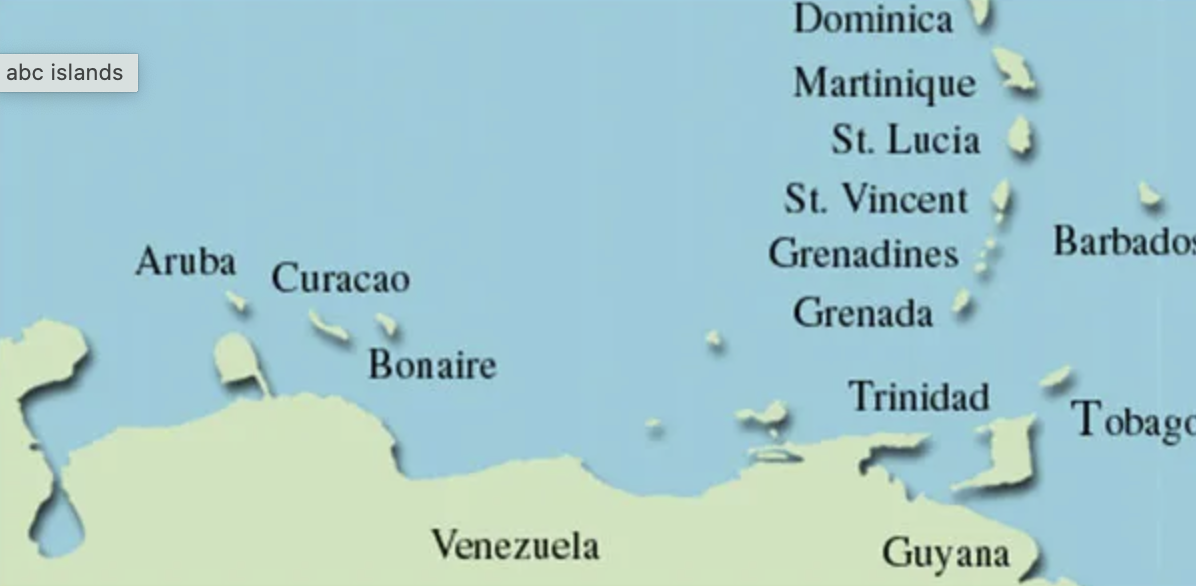
Trinidad and Tobago is just seven miles from the Venezuelan coast. Aruba is 15 miles away. Curaçao, Bonaire and Grenada are a little further.
All were affected by the U.S. military action. American, Delta, United and other airlines canceled flights to the region. Cruise lines canceled visits. Thousands of American tourists were stranded. Local hotels, restaurants and other businesses lost critical income during their peak New Year holiday season.
Nations across the region expressed alarm about the U.S. military action, which they regarded as a violation of international law, but had to navigate the situation carefully. U.S. officials focused on Venezuela and said little about the broader impact.
This didn’t surprise me. It’s what I’ve seen in other countries we’ve visited that suffered collateral damage from U.S. actions.
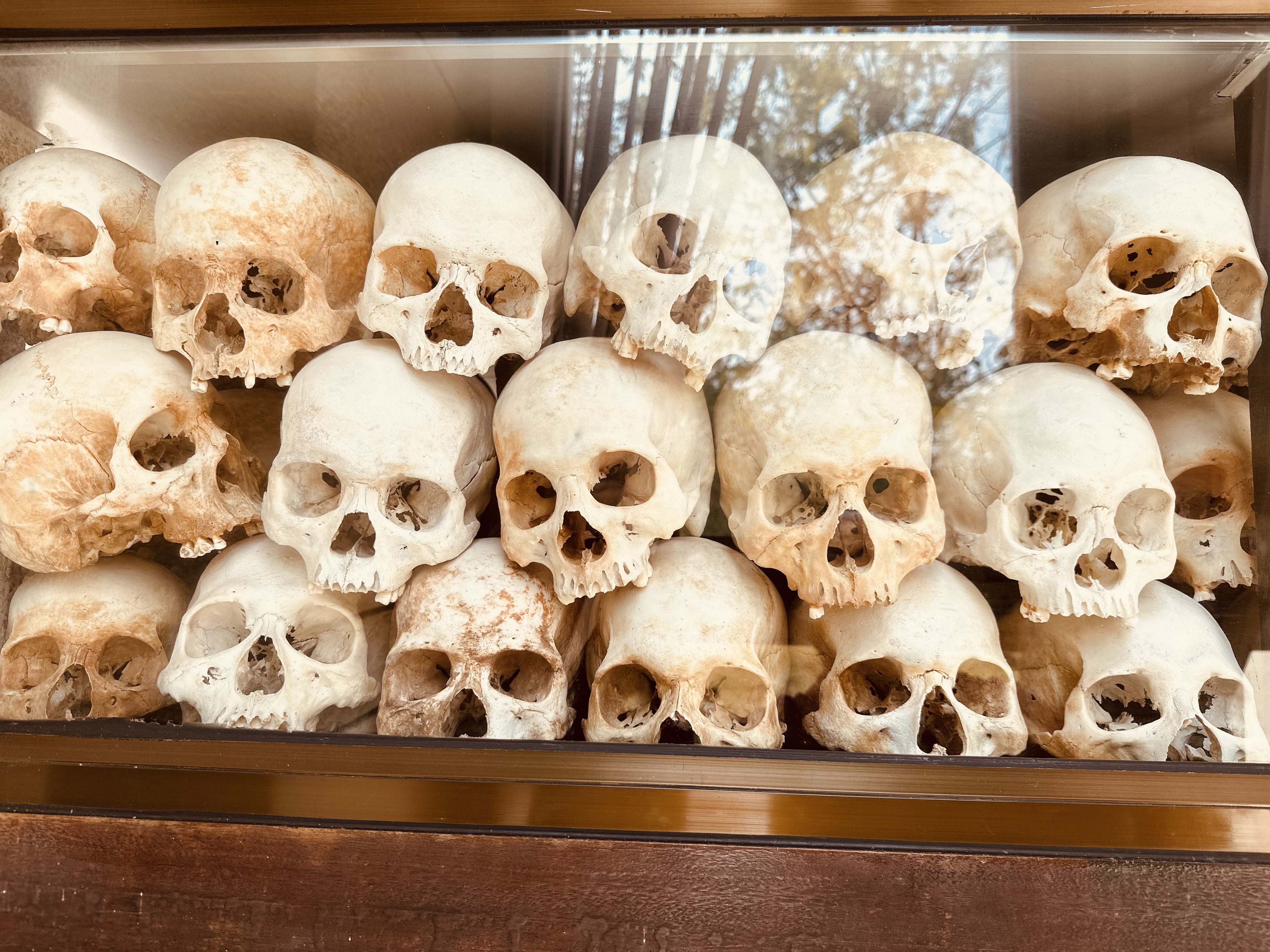
In Cambodia, the Khmer Rouge took power and unleashed a genocide following U.S. actions focused mainly on neighboring Vietnam. We visited the killing fields there, where these skulls, above, are part of a memorial. In Chile, U.S. Cold War concerns led to the overthrow of President Salvador Allende and the emergence of a brutal military dictatorship, as we saw documented at the Museo de la Memoria in Santiago, below.
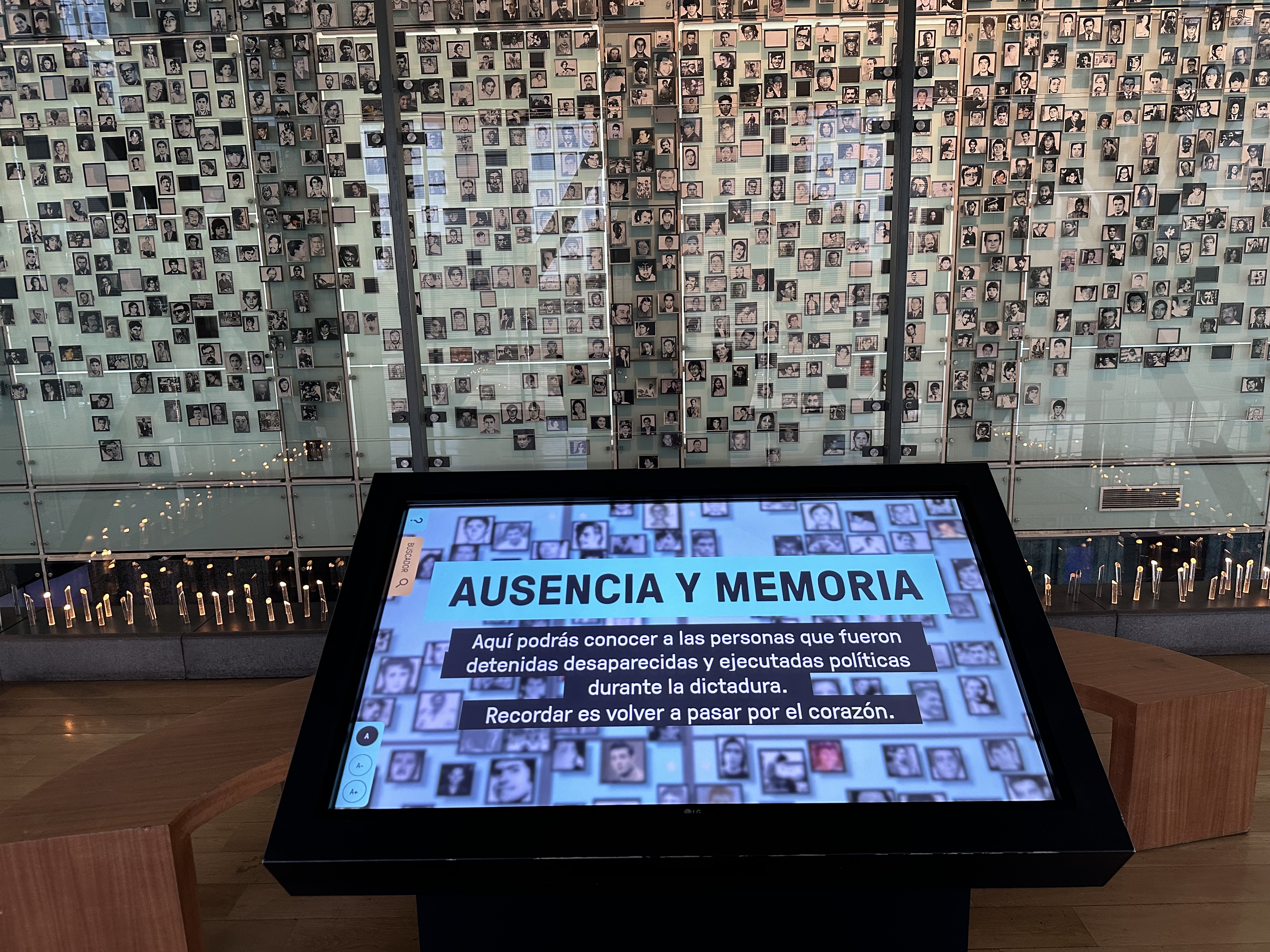
In the Caribbean, U.S. military interventions have included Cuba, Haiti, the Dominican Republic, Grenada and others, all affecting the wider region. Fortunately, the latest events in Venezuela appear to be having a limited impact on its island neighbors, some of whom were probably happy to see Maduro ousted from power. I don’t claim to be a Latin American expert and I don’t really know, but the script felt familiar when we visited there last month.
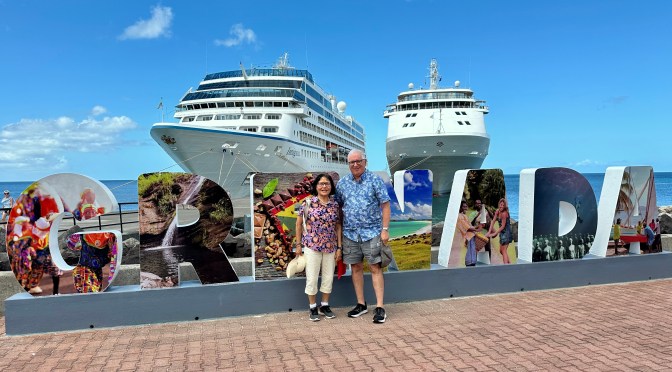
Champa and I just returned from a Southern Caribbean cruise we booked mainly to visit friends in Grenada and Trinidad. (The unexpected bonus was escaping a winter storm back home.)
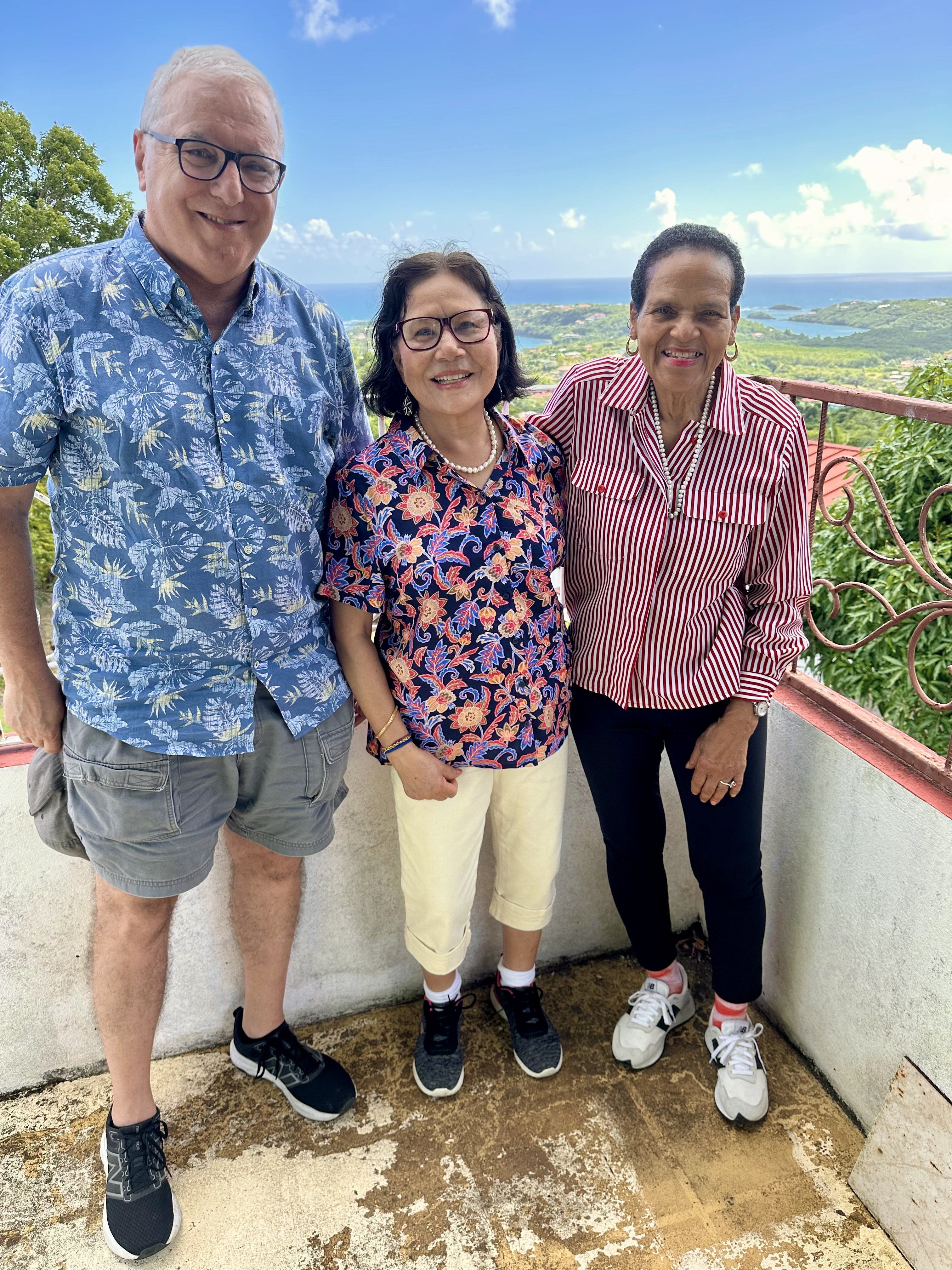
As you can see in the photo, we spent a wonderful day with our Grenadian friend Glenda. Champa worked with her in Maryland many years ago and we’ve been friends ever since. We were delighted to finally visit her beautiful Spice Island home, below, and meet her sister, Carol.

Our planned stop in Trinidad, on the other hand, was canceled because of the situation in Venezuela. Our cruise stopped instead in Antigua, which was lovely but not where we wanted to go. It turned out we would have missed our Trinidadian friends anyway, and we hope to visit them in the future, but it was annoying to have our plans changed by a situation that had nothing to do with Trinidad.
Rescheduling a cruise stop is decidedly a first world problem, but economic hardship for a developing economy is more serious. Genocide and military dictatorships are far worse. All can result when smaller nations get in the way of superpowers pursuing their perceived interests. We also saw this while living in Moldova, which spent decades under Soviet rule and is still resisting Russian domination.
Smaller nations are like the dishes that smash when a bull rampages through a china shop. The bull may not intend harm, or even notice it, but the dishes smash just the same. Halfway around the world from China, Venezuela’s island neighbors illustrate this broken china dilemma. They are shards of truth reflecting how precarious it can be to live nearby when a superpower takes action.

 "Not Exactly Retired"
I’m heading to Lima, for a transatlantic cruise to San Diego (with five stops in Mexico)! I’m guessing those five ports are now sea days!
LikeLike