
Centuries before the current fighting in Hormuz, another strait was the focus of geopolitical competition.
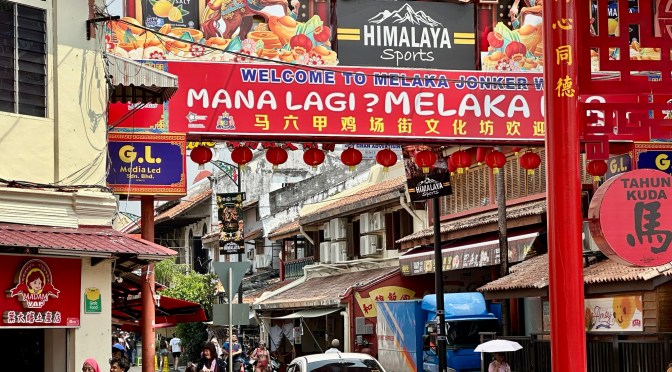
It’s the strait here in southwestern Malaysia beside the historic city of Malacca, also known as Melaka.
During the 15th and early 16th centuries, Malacca was arguably the most important port in the world. One look at this map explains why.
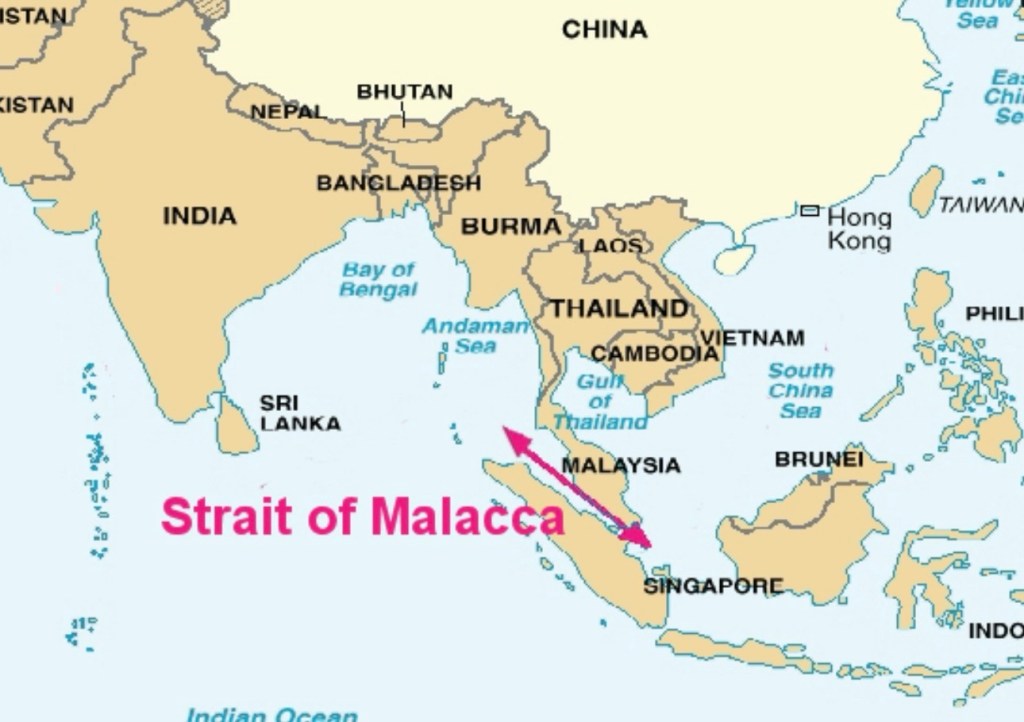
Almost every ship traveling between the Indian Ocean and the South China Sea had to pass through the Strait of Malacca.
Spices from the Moluccas, silks and porcelain from China, cloth from India and gold from Sumatra flowed through its markets. The local government developed an elaborate system for managing all of it.
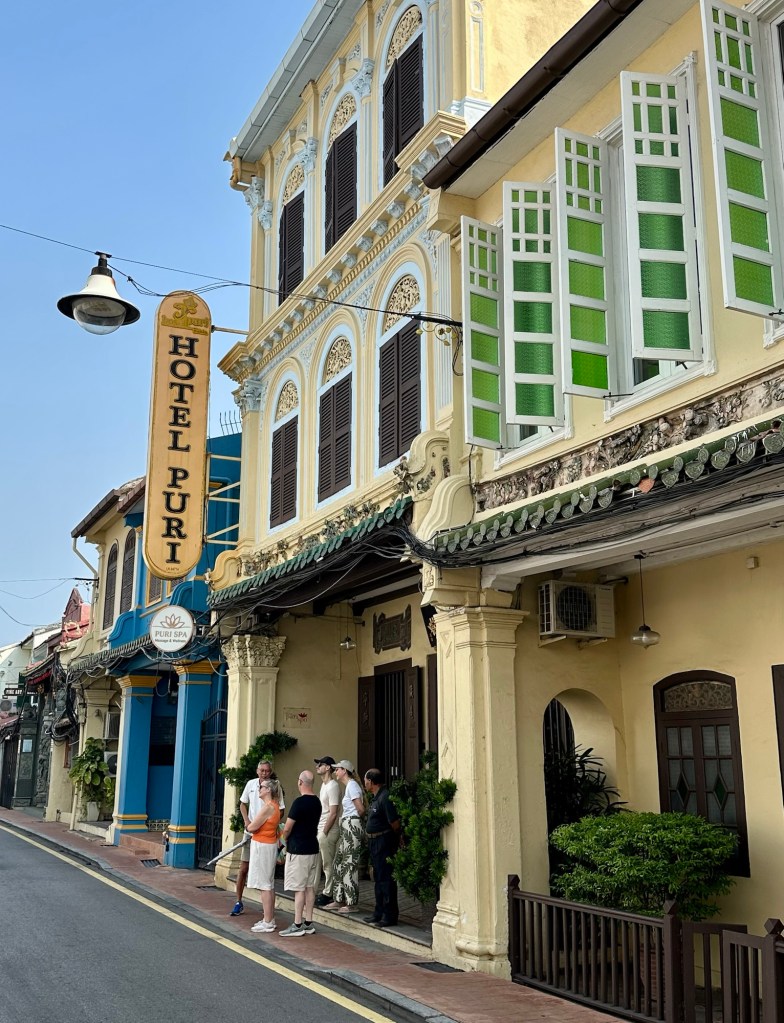
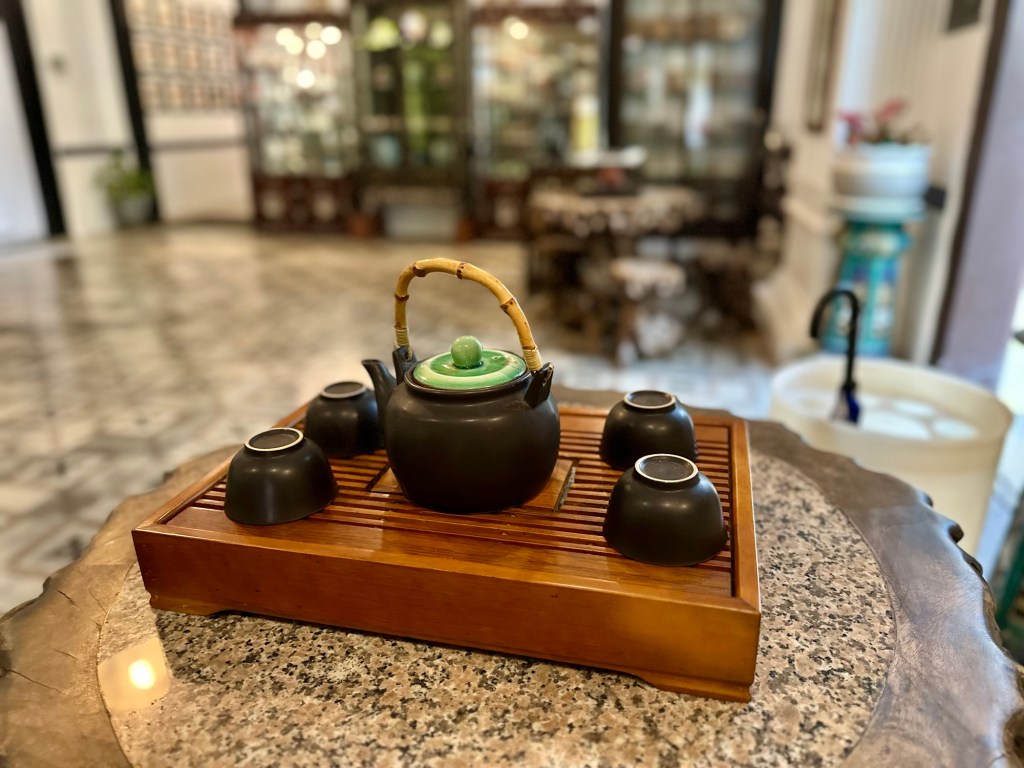
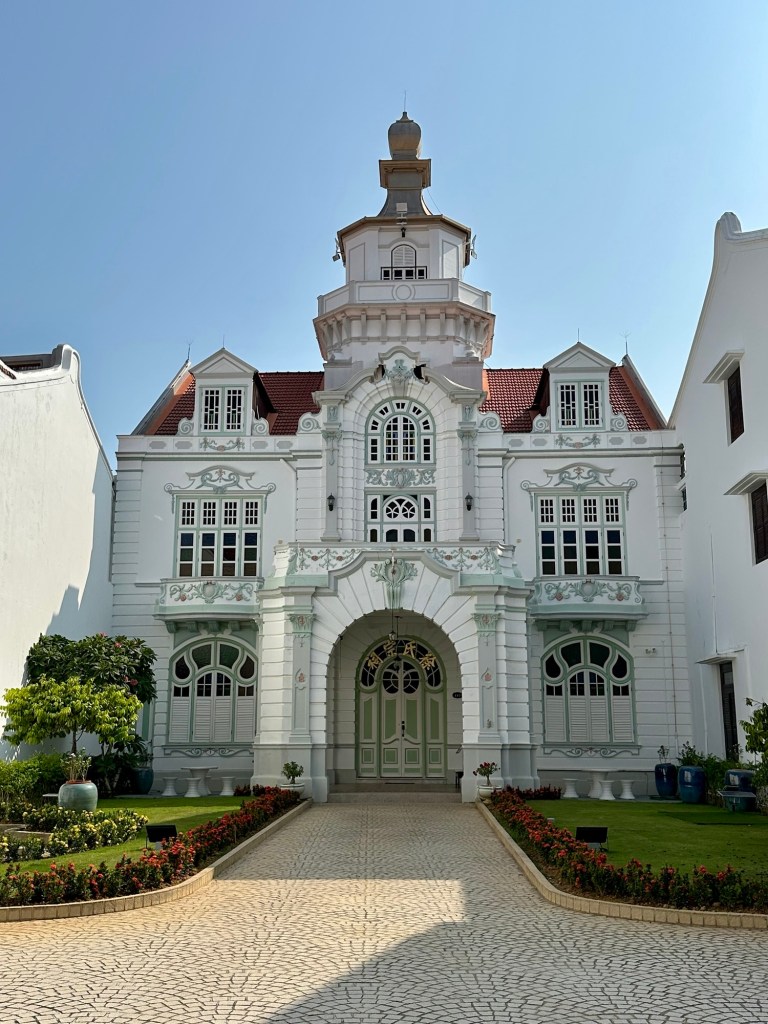
Many Malaccan traders and officials became rich. Champa and I came here on Friday and are staying in a hotel that was once the mansion of one of the wealthiest of them, Tam Kim Seng. As you can see, the building has been beautifully restored. (We had no idea of this when we booked it as a good deal online.)
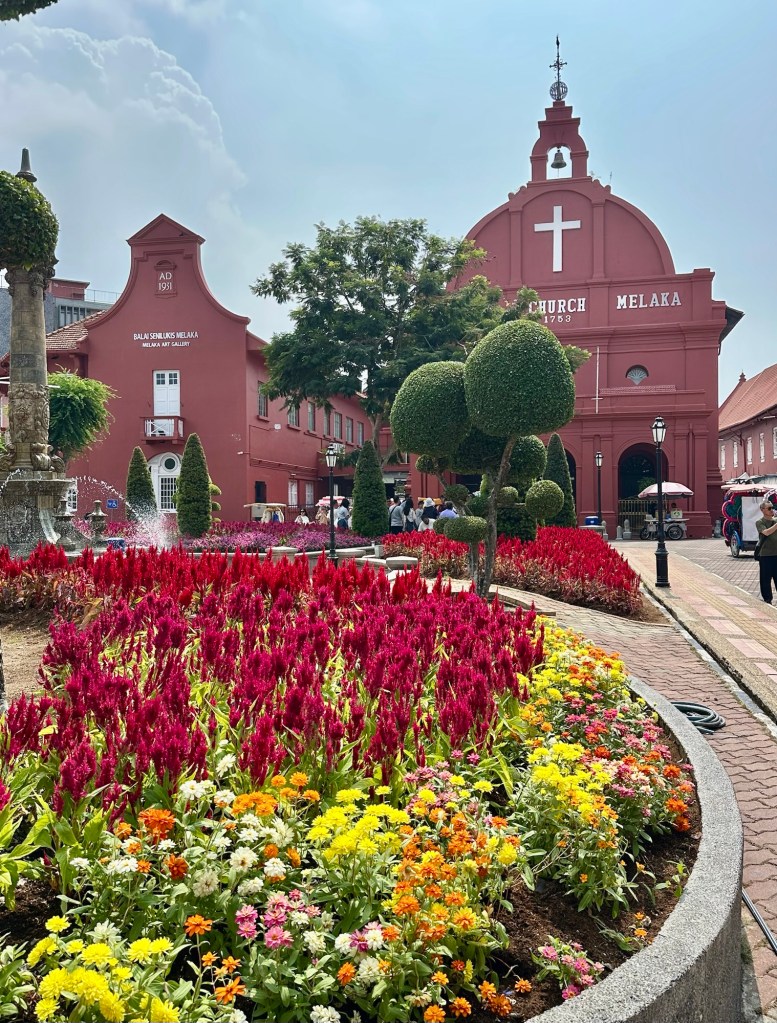
Malacca’s wealth and strategic location attracted the attention of European powers that were just beginning to pursue their imperialist policies. The Portuguese conquered Malacca. Then the Dutch displaced them. Then the British. The Japanese took over during World War II before the British returned. Finally Malaysia achieved independence in 1957 and became the country we know a few years later.
If you’ve never heard of Malacca, that’s largely because nearby Singapore began displacing it in the 1800s because of its location, deeper port, friendlier trade policies and British preferences. Malacca faded and Singapore thrived.
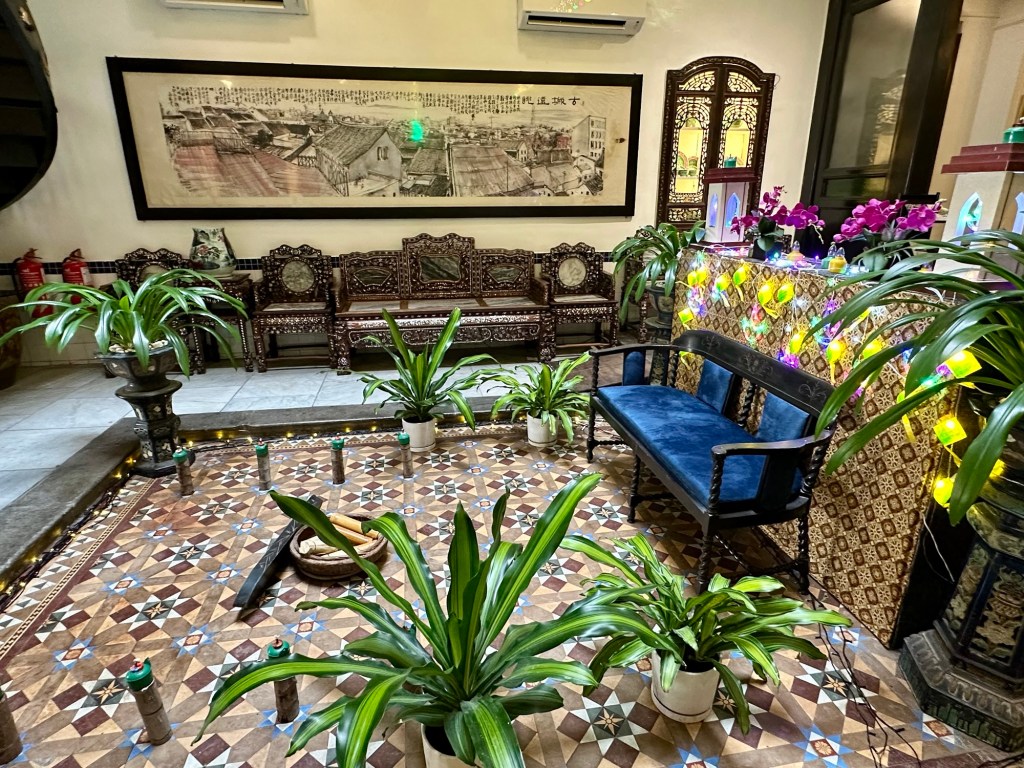
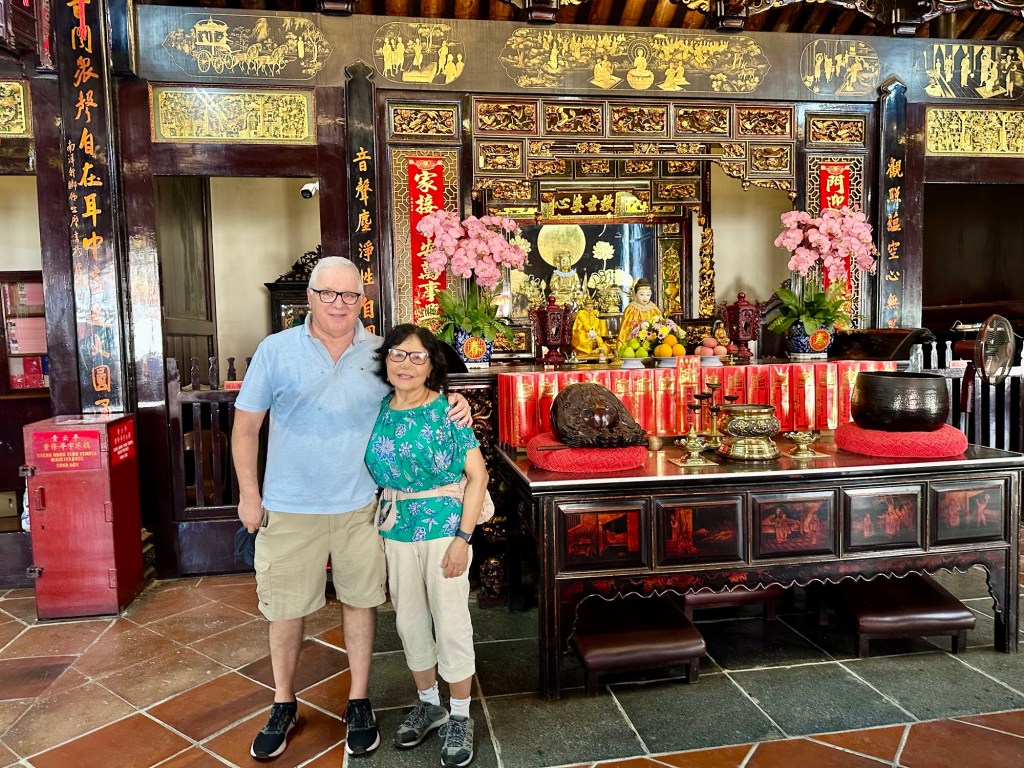
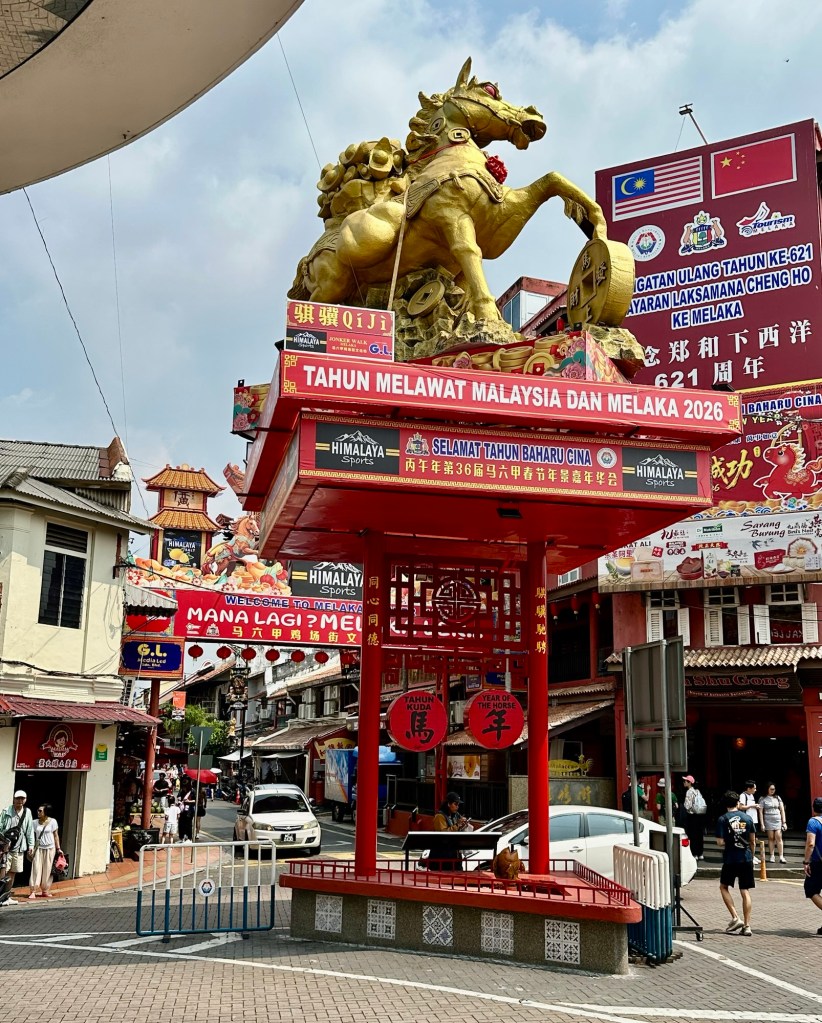
Today Malacca is a UNESCO World Heritage Site with a population of just under 1 million people. We’ve enjoyed exploring its temples, markets, river and other sites, some of which illustrate this post. It’s really a lovely place to visit.
This unexpected history lesson has been a bonus and, given what’s happening in Hormuz, a welcome sense of perspective about the current turmoil.
To be sure, today’s global economy is far more interdependent and fragile than the spice ships that sailed to Malacca. Oil price spikes and stock market gyrations occur within hours, not months or years.
But Malacca reminds us of the continuing truth that narrow waterways offer leverage, control of them brings economic power and outside nations often intervene to secure access.
When you look at a globe and see the Strait of Gibraltar, the Turkish Straits, the southern entrance to the Red Sea and, especially, the Taiwan Strait, among others, this is a lesson worth remembering. Hormuz is not the only place where the strait and narrow can be dangerous.

 "Not Exactly Retired"