
Chill, with hills.
That was our trip to Portugal: beautiful sights, good food, friendly people, relatively inexpensive and easy to like — if you don’t mind walking up and down hills.
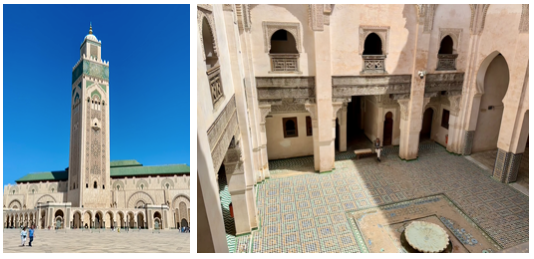
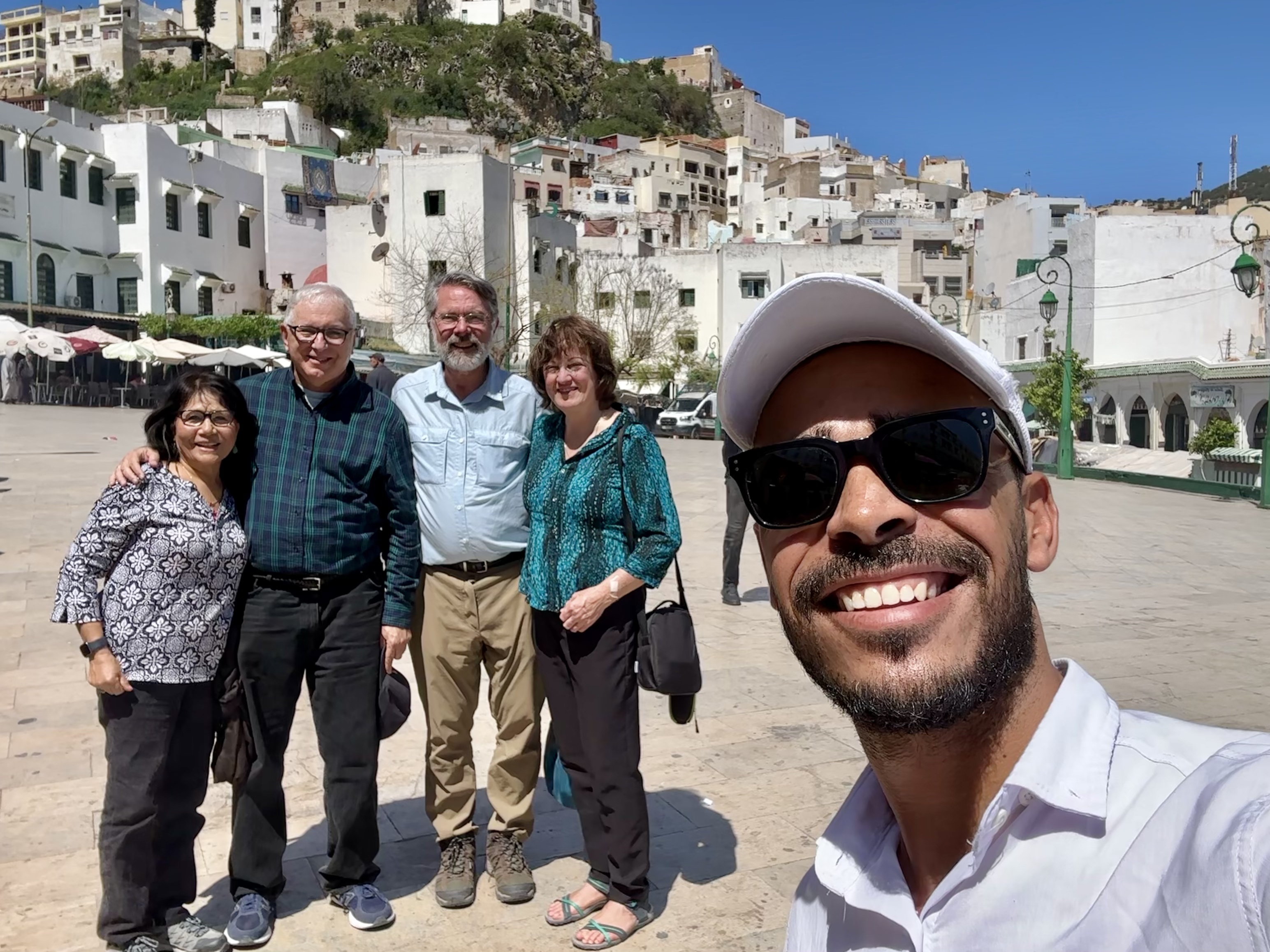
Champa and I traveled there with our friends Karen and Bob after touring Morocco, where our packed itinerary took us from urban bazaars to a tent camp in the Sahara Desert. We figured we could relax once we got to Portugal.

That’s what we did, although “relax” is relative when it comes to Bob and me, the travel planners, who both tend to load activities into itineraries. In Portugal, we would stay in three cities — Lisbon, Coimbra and Porto. We vowed to slow down by orienting ourselves in each one with a free walking tour and then wandering on our own.
As I’ve written previously, I love these tours since the guides are highly motivated to do a great job. In Portugal, we booked five tours altogether, including three in Lisbon. Four of them were with Sandeman’s, which I’d used in Brussels, Amsterdam, Edinburgh and Dublin. Once again, they were excellent and we tipped our guides accordingly.

We started in Lisbon, staying in an Airbnb in the artsy Bairro Alto neighborhood. The famous Tram 28, which winds through the city, rumbled below our window. Our apartment owner was a professional designer, and his place was filled with paintings, sculptures and art books. It was like living inside Architectural Digest, although we lacked some functional things like a latch to the bathroom and places to put our suitcases. Still, we enjoyed it, including the neighborhood fish restaurant downstairs.

Our Uber driver from the airport was from Nepal. So was our waiter at the breakfast restaurant the next morning. There was a Nepalese restaurant up the street. They were all surprised when I started talking Nepali, much less seeing me with Champa.

We timed our Lisbon visit to coincide with the 50th anniversary of Portugal’s Carnation Revolution, when a military coup toppled the fascist dictatorship of António Salazar. People filled the streets holding red carnations. They cheered as aging former coup members waved from old military vehicles. Given what’s been happening in our own country, the four of us felt like cheering, too, as we watched people reaffirm their commitment to democracy.

Back in the 15th and 16th centuries, the Portuguese were at the forefront of European exploration. They were the first to reach India by sea, settled what became Brazil and established trading posts in Asia and Africa. Despite its small size, Portugal became one of the world’s most powerful countries, as we saw celebrated at the tomb of Vasco da Gama and at Lisbon’s “Monument of the Discoveries.” It’s a fascinating but complicated legacy.
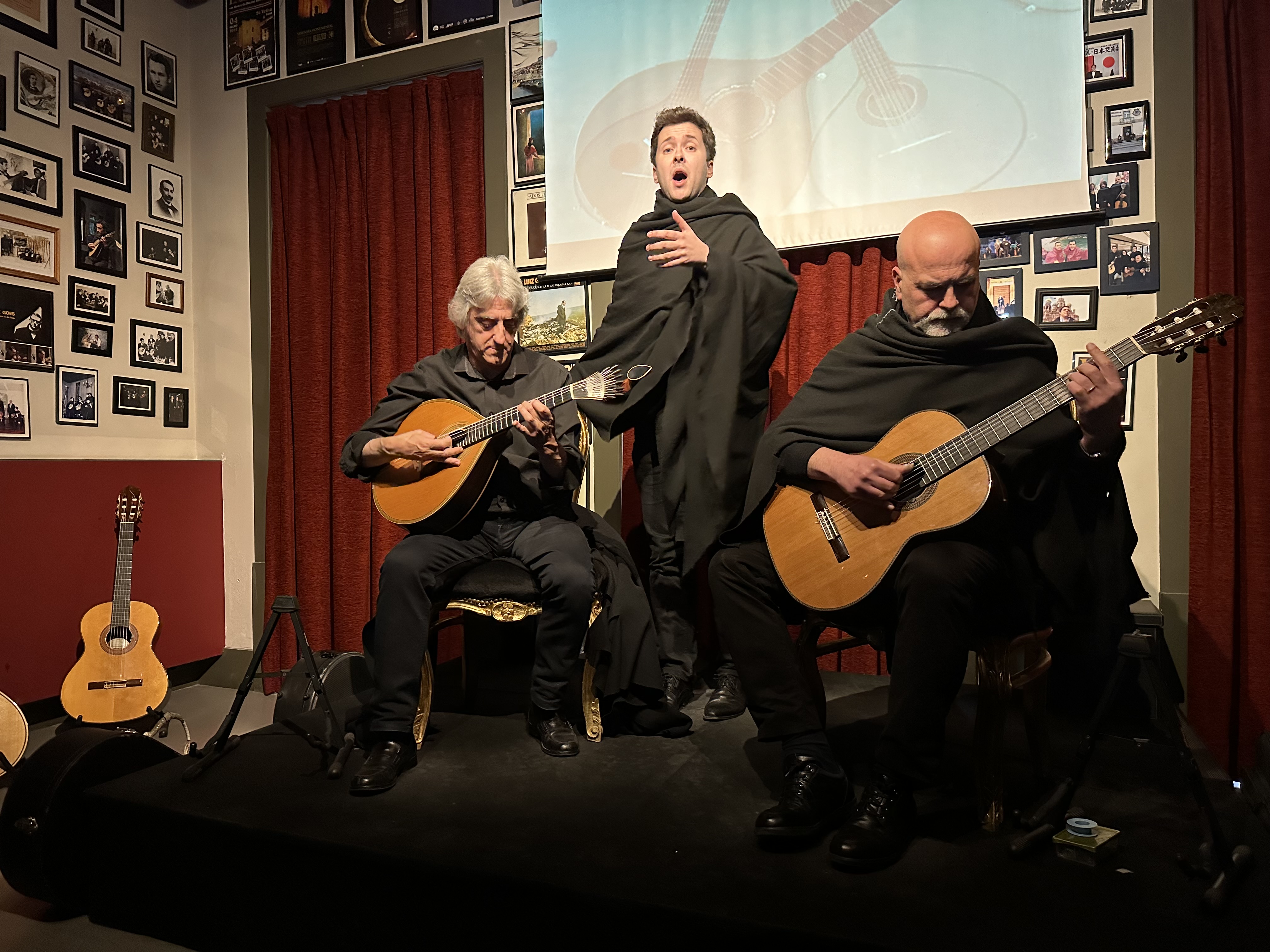
Our second stop was Coimbra, known for its great universities, which we visited as students prepared for graduation in black robes that reminded me of both Harry Potter and the many graduations I attended at Duke. We also went to a concert of fado music, the melancholic genre featuring mournful songs and guitars.

Then we continued north to the Douro Valley, with its stunning scenery and wineries, and Porto, the country’s second largest city. Since there were four of us, we hired cars and drivers instead of riding the trains. It cost only a bit more and proved much more convenient. We were picked up and dropped off everywhere and could stop along the way at the castles of Óbidos, the Batalha Monastery and the “Little Venice” town of Aveiro, among other places.

Oh, yes, the hills. I wrote recently that my experience in Nepal has made me smug about “mountains” around the world. Portugal’s highest mountain, Mount Pico, is a mere 7,713 feet, just over a quarter of Mount Everest’s height. But “hills” are a different story. Portugal has them everywhere, reminding me of San Francisco. They were a great way to walk off some of the pastries we ate, from Portugal’s famous pastel de nata tarts to regional delicacies such as Aveiro’s ovos moles.
Looking back, I guess we were busier than “chill, with hills.” Let’s just say that Portugal left us feeling elevated.





 "Not Exactly Retired"