A School for Samalbung

[See our GoFundMe site for updates and a Q&A about this project. Thanks to your generous support, the school is taking shape. We are grateful to everyone who has donated!]

Readers and friends: Champa and I are building a school in a remote area of eastern Nepal and we ask for your help.

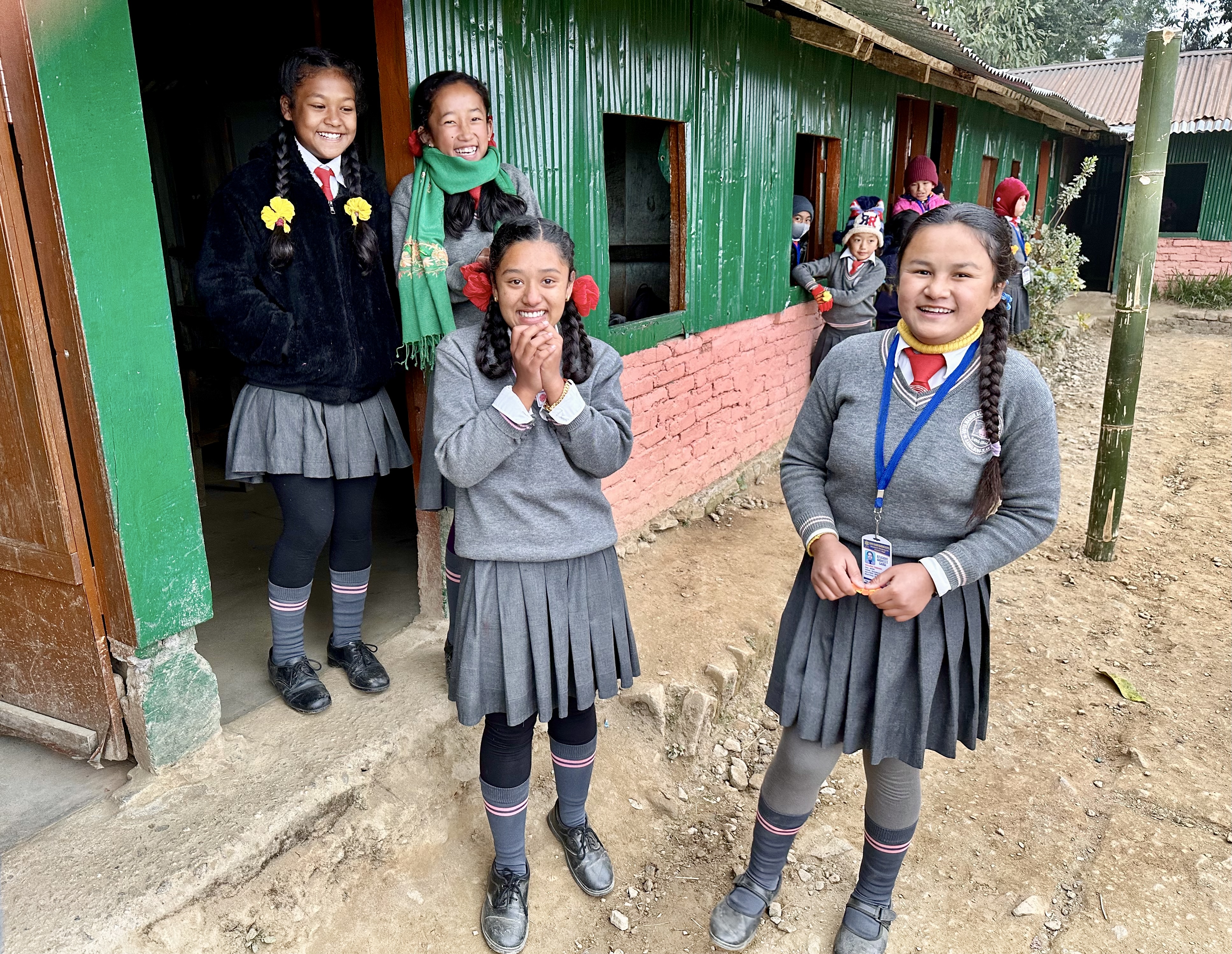
The school is in Samalbung, the small village we visited with our family in late 2022. (Watch the video after 8:33.) Our nephew Santosh, whose late mother was Champa’s sister, lives there with his family. Several years ago, he and his partners created a barebones school to serve local children, who are mainly from indigenous groups and farming families with very limited means. As you can see, the kids are inspiring but their school is in bad shape.

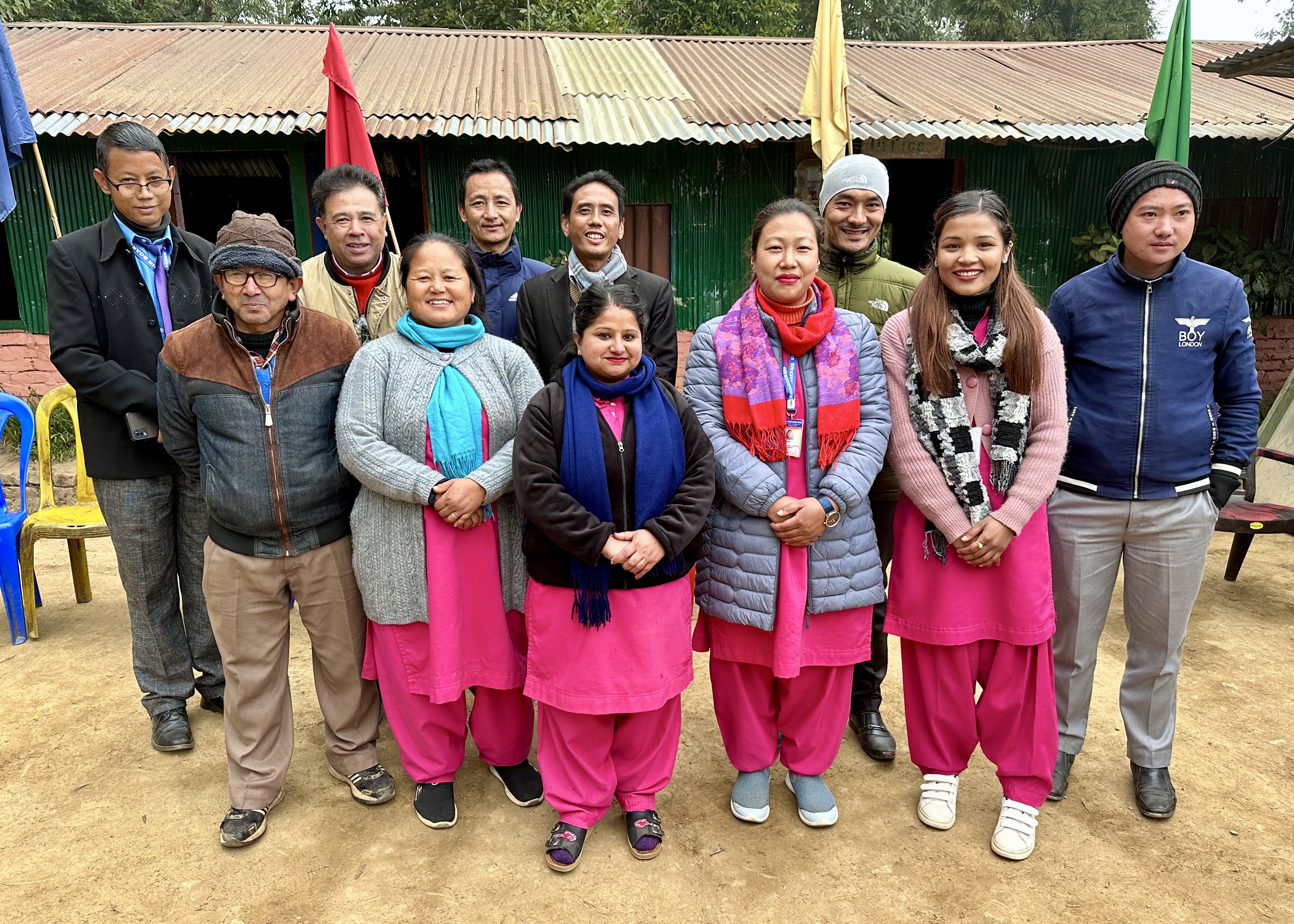
They and their teachers (above) need a new school, desperately. Champa and I have committed to paying for most of the cost of a new one but we need tens of thousands of dollars more to finish the project, which has just gotten under way (see below). With additional funds, we can also provide new desks, school supplies and maybe even computers, a cafeteria or sports equipment.

Champa and I are doing this informally, with a GoFundMe campaign, rather than through a formal charity. We trust Santosh and his partners and are monitoring the project with the assistance of one of Nepal’s leading human rights attorneys.

Your support will change the lives of the children shown here and their brothers and sisters. When the school is finished, hopefully within a year, I’ll be sure it highlights the names of everyone who helped. 

You can contribute through GoFundMe or contact me directly (as some donors have preferred, to avoid GoFundMe’s fees). Thank you for anything you can afford to contribute!

Amazing but False

Whether it’s voting results, vaccines or space lasers, many Americans cling to dramatic stories long after they’re shown to be nonsense.

As I saw during our recent trip to Portugal, Americans are not alone. People everywhere prefer a good story to a factual one.

Two of our guides there told us the same amazing, but false, story. When I questioned them about it, one guide avoided the conversation and the other told me I was ruining his narration. They undoubtedly found me annoying even though I was right.

The story involved Portugal’s high rate of divorce. Daniel, our guide in the university town of Coimbra, shown above, said 94 percent of married couples got divorced during the Covid pandemic. Wait a minute, I thought to myself, 23 or 24 of every 25 married couples got divorced? That couldn’t possibly be true, no matter how stressed out people were from Covid.

“Are you sure that’s right?” I asked Daniel quietly.

“Oh, yes,” he responded confidently. “I saw it on television. Portugal has a really high divorce rate. It’s a big problem for us.”

I’m sure it is, but 94 percent? My BS Detector, which I cultivated during my career as a science writer, began blaring in my head.

I lagged behind the group, pulled out my phone and checked the facts. Portugal’s 94% “divorce rate” was an actual statistic but not what Daniel and our subsequent guide in the Douro Valley wine region said it meant, namely that 94 percent of couples got divorced.

Instead, it was a comparison of the total number of divorces to the total number of marriages in a given year. During the pandemic, divorces rose while marriages declined, so the ratio climbed to 94 percent. The odds that a specific couple would divorce, however, remained much lower.

Sure enough, after the pandemic ended, Portugal’s divorce-marriage ratio decreased dramatically to normal levels.

As we continued walking, I whispered to Daniel that I had uncovered the discrepancy and could explain it to him after the tour ended. He gave me a tight smile and, as soon as everyone dispersed, he left.

Our Douro Valley guide, Carlos, couldn’t escape since we were in a car together. After he told the same story, he had no choice but to listen to my brief explanation of what “94 percent” actually measured. Carlos laughed that he still preferred his version even though it wasn’t true.

I knew I was coming across as a know-it-all American retiree.  But having spent much of my career assessing scientific claims before agreeing to write about them, I’ve developed a sixth sense about statistics being misused. I’ve written or edited countless articles about research findings and consider accuracy more essential than popularity, even when my wife reminds me we’re on vacation.

This all happened two weeks ago but I’ve kept wondering about it, even though it’s hard to imagine anything that affects my own life less than Portugal’s divorce rate.

Am I just being a mansplaining jerk? Or did this episode highlight something deeper about human behavior that informs the situation we face here in America? As I’ve tuned in again to our angry political controversies and “fake news” accusations, with politicians peddling scary anecdotes that misrepresent larger realities, much of it sounds to me like the Portugal divorce story — catchy, unnerving but wrong.

I’m not sure what to think. For now I’m assessing my own uncertainty level at 94 percent. I’m also keeping my BS Detector turned on. 

Portugal Chill

Chill, with hills.

That was our trip to Portugal: beautiful sights, good food, friendly people, relatively inexpensive and easy to like — if you don’t mind walking up and down hills.

Champa and I traveled there with our friends Karen and Bob after touring Morocco, where our packed itinerary took us from urban bazaars to a tent camp in the Sahara Desert. We figured we could relax once we got to Portugal.

That’s what we did, although “relax” is relative when it comes to Bob and me, the travel planners, who both tend to load activities into itineraries. In Portugal, we would stay in three cities — Lisbon, Coimbra and Porto. We vowed to slow down by orienting ourselves in each one with a free walking tour and then wandering on our own. 

As I’ve written previously, I love these tours since the guides are highly motivated to do a great job. In Portugal, we booked five tours altogether, including three in Lisbon. Four of them were with Sandeman’s, which I’d used in Brussels, Amsterdam, Edinburgh and Dublin. Once again, they were excellent and we tipped our guides accordingly.

We started in Lisbon, staying in an Airbnb in the artsy Bairro Alto neighborhood. The famous Tram 28, which winds through the city, rumbled below our window. Our apartment owner was a professional designer, and his place was filled with paintings, sculptures and art books. It was like living inside Architectural Digest, although we lacked some functional things like a latch to the bathroom and places to put our suitcases. Still, we enjoyed it, including the neighborhood fish restaurant downstairs.

Our Uber driver from the airport was from Nepal. So was our waiter at the breakfast restaurant the next morning. There was a Nepalese restaurant up the street. They were all surprised when I started talking Nepali, much less seeing me with Champa.

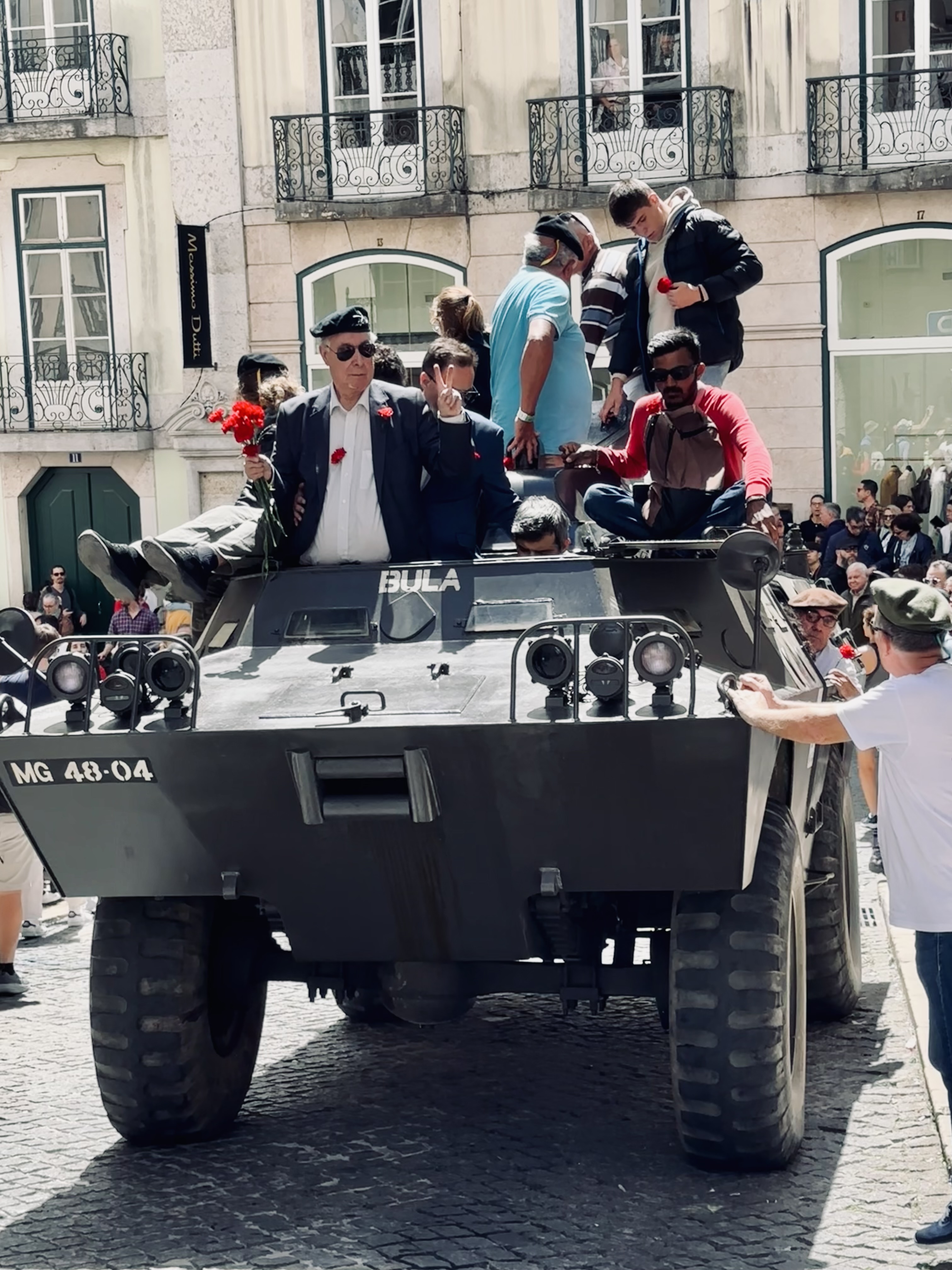
We timed our Lisbon visit to coincide with the 50th anniversary of Portugal’s Carnation Revolution, when a military coup toppled the fascist dictatorship of António Salazar. People filled the streets holding red carnations. They cheered as aging former coup members waved from old military vehicles. Given what’s been happening in our own country, the four of us felt like cheering, too, as we watched people reaffirm their commitment to democracy.

Back in the 15th and 16th centuries, the Portuguese were at the forefront of European exploration. They were the first to reach India by sea, settled what became Brazil and established trading posts in Asia and Africa. Despite its small size, Portugal became one of the world’s most powerful countries, as we saw celebrated at the tomb of Vasco da Gama and at Lisbon’s “Monument of the Discoveries.” It’s a fascinating but complicated legacy.

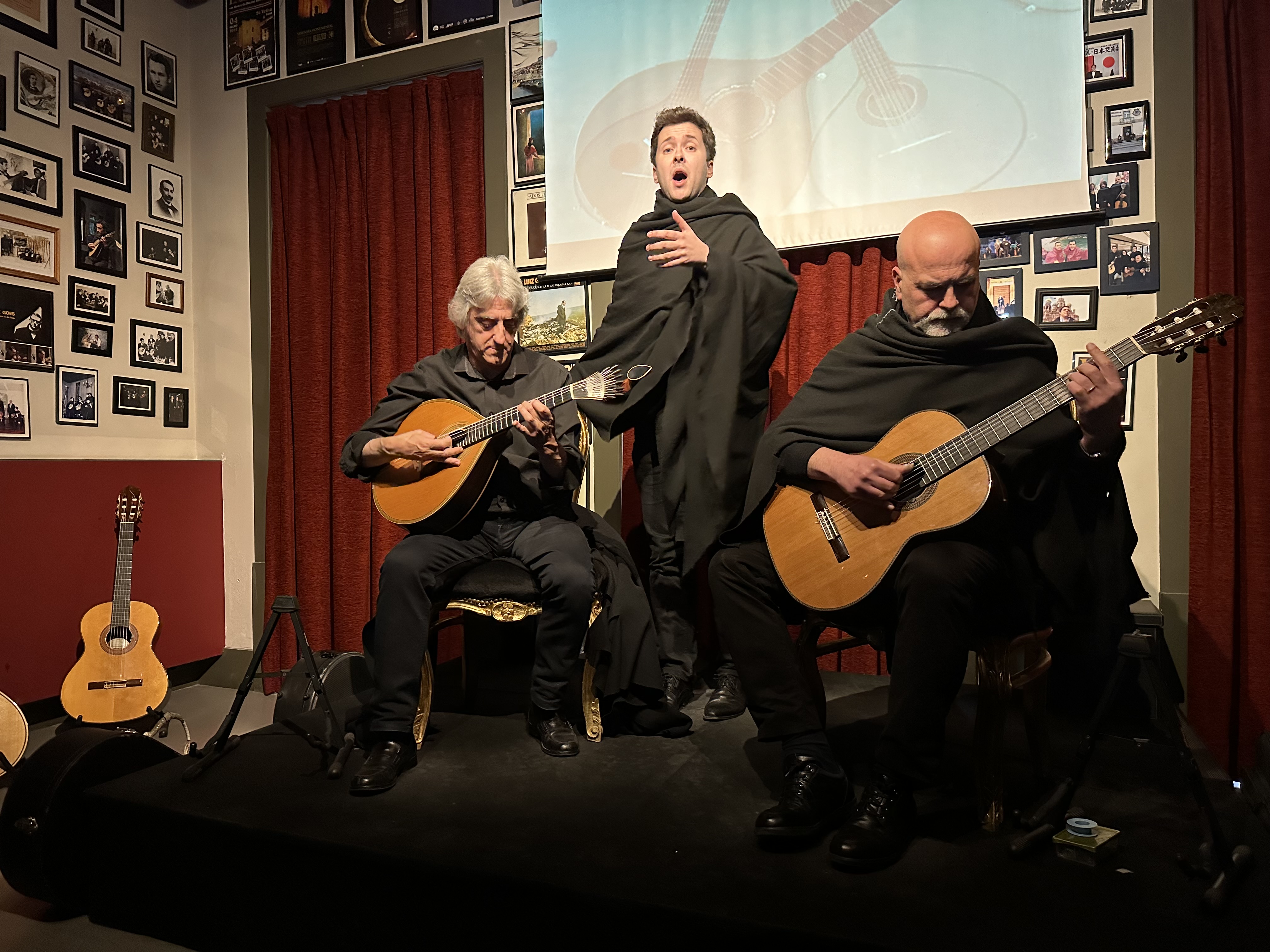
Our second stop was Coimbra, known for its great universities, which we visited as students prepared for graduation in black robes that reminded me of both Harry Potter and the many graduations I attended at Duke. We also went to a concert of fado music, the melancholic genre featuring mournful songs and guitars.

Then we continued north to the Douro Valley, with its stunning scenery and wineries, and Porto, the country’s second largest city. Since there were four of us, we hired cars and drivers instead of riding the trains. It cost only a bit more and proved much more convenient. We were picked up and dropped off everywhere and could stop along the way at the castles of Óbidos, the Batalha Monastery and the “Little Venice” town of Aveiro, among other places.

Oh, yes, the hills. I wrote recently that my experience in Nepal has made me smug about “mountains” around the world. Portugal’s highest mountain, Mount Pico, is a mere 7,713 feet, just over a quarter of Mount Everest’s height. But “hills” are a different story. Portugal has them everywhere, reminding me of San Francisco. They were a great way to walk off some of the pastries we ate, from Portugal’s famous pastel de nata tarts to regional delicacies such as Aveiro’s ovos moles.

Looking back, I guess we were busier than “chill, with hills.” Let’s just say that Portugal left us feeling elevated.

Circling Morocco

Morocco fascinated us when we visited last month on a 10-day clockwise trip from Casablanca to Marrakech. Here are ten things I’ll remember about this distinctive country in northwestern Africa.

The desert. We spent two unforgettable nights in the Erg Chebbi dunes of the Sahara, where we traveled atop camels. We had our own comfortable tent and delicious food, but we also had wind whipping our tent at night and camels grunting nearby. The next morning we visited local nomads and gazed on an endless horizon. Our American lives felt very far away. 

Amazing sights. Chefchaouen is Morocco’s Blue City. It has narrow streets and busy souks, but what captivates you are its blue walls and steps. Several hours away is Fez , which is much larger and browner, with bustling bazaars and one of the king’s many palaces. We also saw stone “monkey toes” in a mountain gorge, Roman ruins, roads snaking across mountainsides and much more

Natural beauty. Even more than the “sights,” we loved the land itself — the wildflowers, olive trees, wheat fields and fruit orchards. If you think of Morocco as just dry and dusty, you’re in for a pleasant surprise. It is strikingly diverse, with deserts and beach resorts, cities and farms, nomads and technology parks.

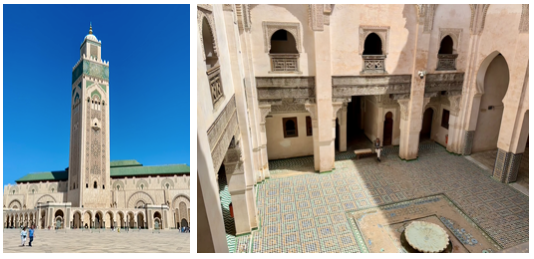
Islam. Morocco is also a place of religious moderation. Almost all of its people are Sunni Muslims, and there are mosques everywhere, with a welcoming, tolerant vibe. We toured the Bou Inania Madrasa, or religious school, in Fez and marveled at the beautiful Hassan II Mosque in Casablanca, the second largest functioning mosque in Africa.

Handicrafts. We watched artisans build furniture, cure leather, weave rugs, assemble mosaics and paint ceramics. We admired their jewelry, clothing and tiles. Even though we didn’t buy much (we rarely do), Morocco is a shopper’s paradise.

Local markets. We loved wandering among the fruit stalls, spice shops and bakeries of everyday life. One image I shared online, which you can see above, shows a woman chopping meat as cats walk on her table. My friend who is an infectious disease expert at Duke responded in mock horror. He was right, but it was still interesting to see.

Movie sets. Lawrence of Arabia, Homeland, Game of Thrones and other productions have all shot scenes in Morocco. We visited Ouarzazate, a town between the Sahara desert and the Atlas Mountains that locals call Ouallywood. It offers exotic sets and everything else filmmakers might need.

Climate change. As we’ve discovered elsewhere, a good way to learn about global climate change is by actually visiting other parts of the globe. Morocco was no exception. Local nomads and others told us how drought has forced them to move. The photo on the left shows a town that is now largely abandoned.

Superb hotels and food. We stayed in beautiful places across Morocco but none were Western-style hotels. Morocco specilizes in traditional riads — small, distinctive and personal, with great breakfasts. We arranged everything with Best Travel Morocco, a local company that did a great job for less money than we would have paid a U.S.-based operator for a group tour with a similar itinerary.

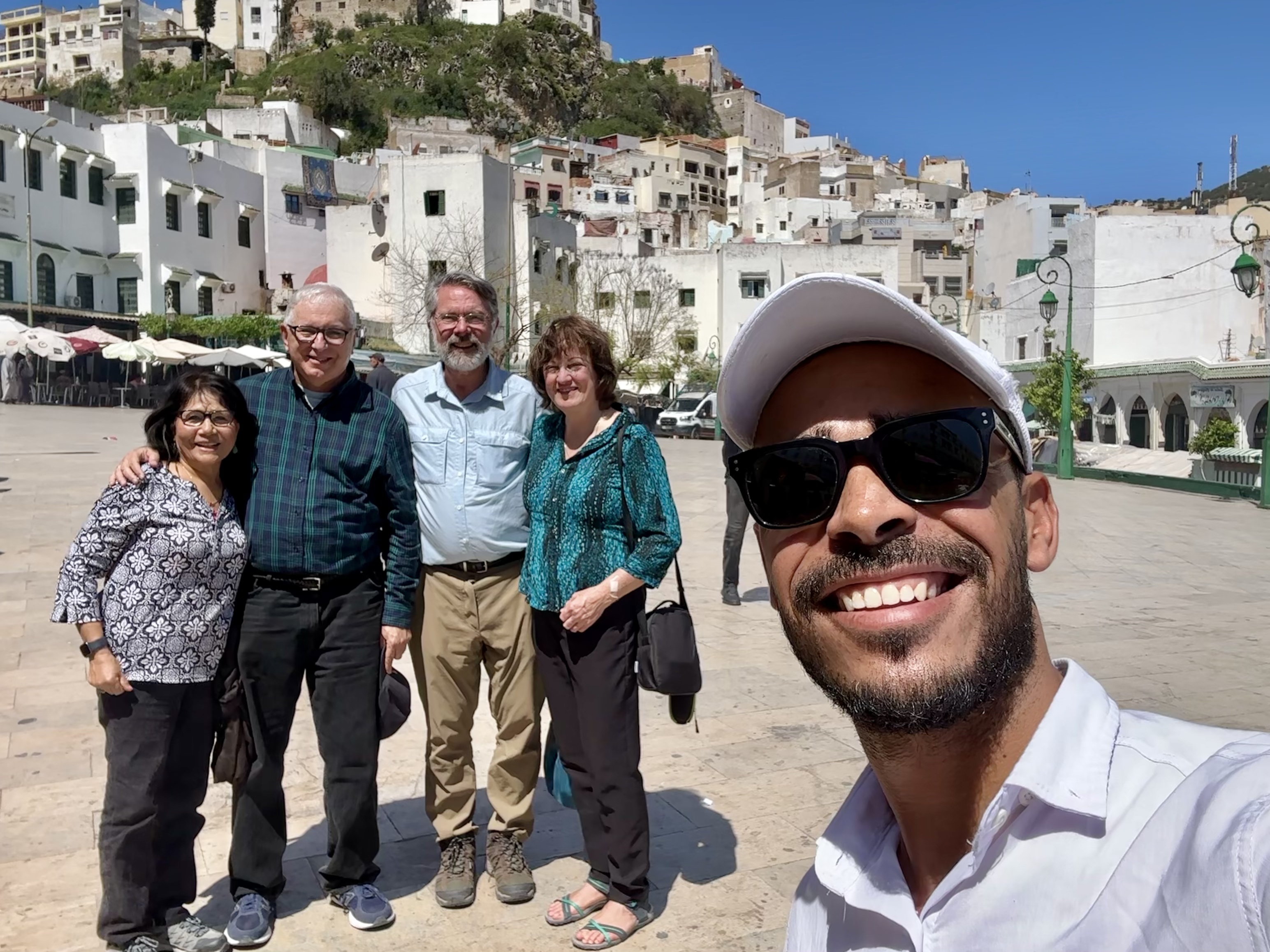
Excellent companions. We explored Morocco with two old friends, Bob and Karen Simon, with whom we connected in Casablanca. The four of us traveled in a comfortable SUV with the private driver/guide provided by Best Travel. Mustafa took great care of us — explaining everything, making us laugh and guiding us to barbecue restaurants and other spots off the tourist trail. He also had a great Spotify playlist of local artists. Even without their music, Morocco made our hearts sing.